 By Miltary.com | Created at 2026-06-23 07:16:21 | Updated at 2026-06-23 08:42:24
1 hour ago
By Miltary.com | Created at 2026-06-23 07:16:21 | Updated at 2026-06-23 08:42:24
1 hour ago
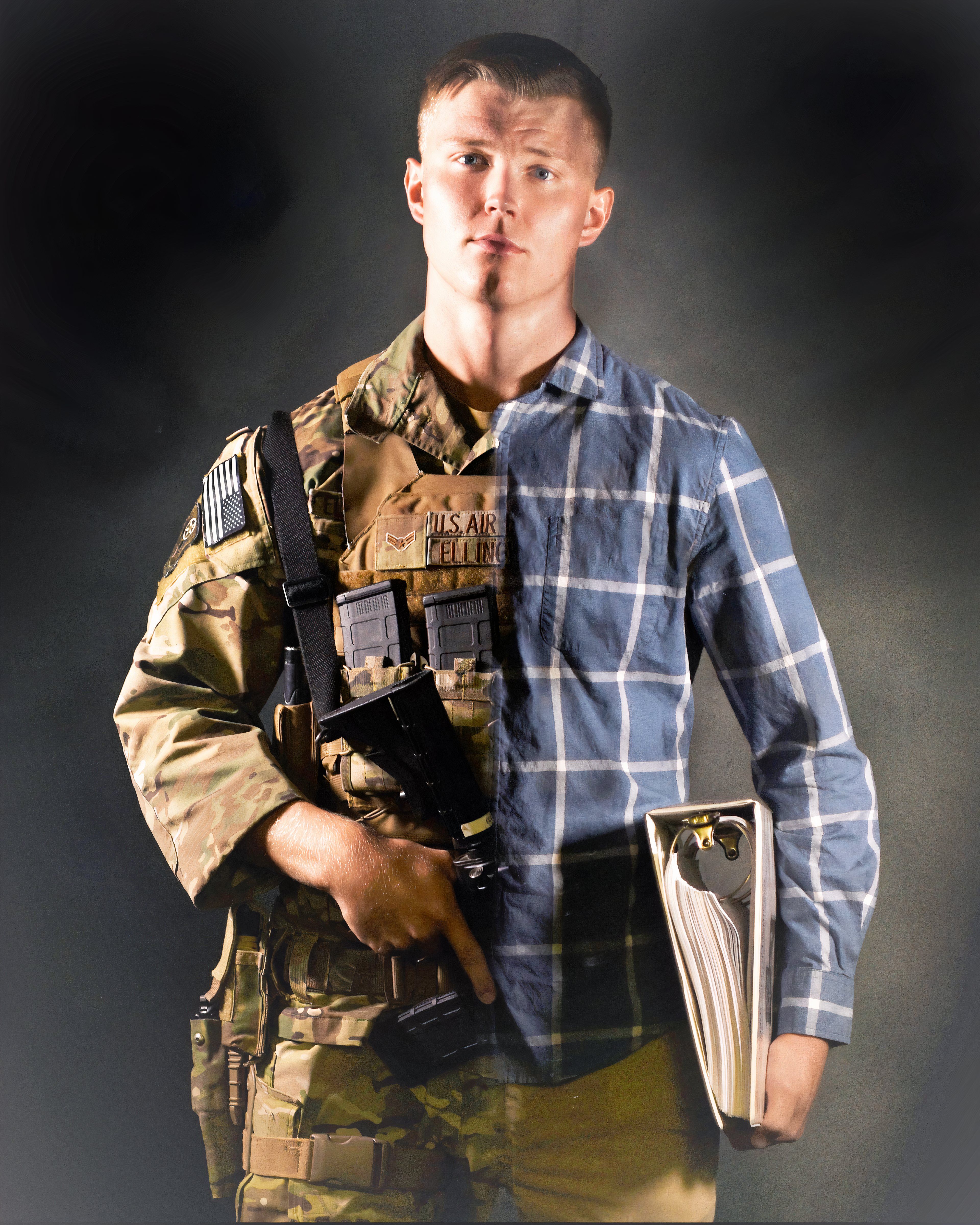
Every year, more than 200,000 service members leave the military and begin the often-complex transition to civilian life. While many go on to successful careers, others struggle to navigate employment, benefits, housing and health care systems that can feel disconnected and overwhelming.
Too often, according to Medal of Honor recipient Clint Romesha, the public conversation about veterans misses the mark entirely.
"I think one of the bigger misconceptions," Romesha told Military.com, "is that everybody getting out is either a high-speed, low-drag Navy SEAL, Special Forces operator, or they're a broken PTSD, traumatic brain injury veteran."
Those competing stereotypes, he argues, fail to reflect the reality of most veterans.
If you keep telling veterans that they're broken, that they won't do anything, then people eventually believe that, Romesha said.
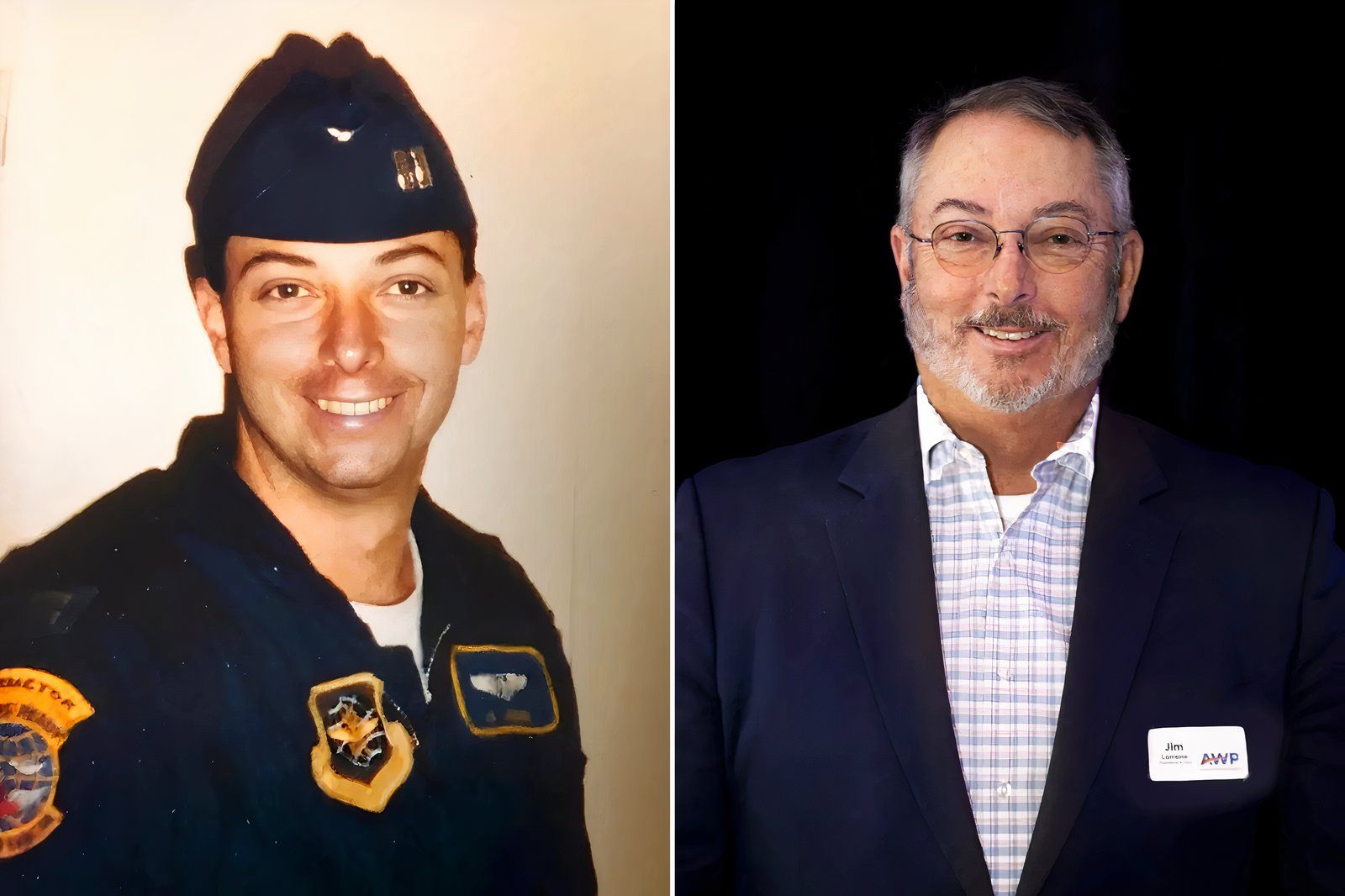
The comments came during an exclusive interview with Military.com alongside Jim Lorraine, president and CEO of America's Warrior Partnership (AWP), a nonprofit organization that helps connect veterans with resources and support programs across the country.
Both men agree that many veterans face real challenges after service. But they say those challenges are often rooted in economic uncertainty, confusion about benefits and the loss of community rather than an inability to succeed.
 The Transition Gap
For decades, federal agencies, nonprofits and veteran service organizations have worked to improve military transition programs. Yet many veterans still find themselves struggling to understand what benefits they qualify for, where to seek help and how to build a path forward after leaving active duty.
Lorraine, a retired Air Force lieutenant colonel who previously helped establish U.S. Special Operations Command's Care Coalition, believes part of the problem is that the military transition system remains fragmented.
The right hand doesn't know what the left hand's doing, Lorraine said, describing the relationship between various government programs designed to support transitioning service members.
While programs such as the Department of Defense's Transition Assistance Program and SkillBridge have expanded opportunities for service members, Lorraine said many veterans still leave the military without fully understanding what resources are available to them.
He recalled recently speaking with a former Army Ranger who had successfully filed disability claims and planned to attend school using his GI Bill but had no idea he also qualified for other health care and support services.
"He didn't maximize the opportunity that he had," Lorraine said. "He didn't realize there were a lot of pieces to it."
That experience is not uncommon.
Veterans often face a compressed timeline unlike civilian job seekers. Service members frequently know their separation date months in advance but cannot always align that date with employment opportunities, housing arrangements or the arrival of disability compensation and other benefits.
The result can be a financial and emotional gap during one of the most significant transitions of their lives.
 Economic Stress Is Often the Real Crisis
One of the most revealing insights from Lorraine's work involves the role finances play in veteran well-being.
AWP screens veterans who contact the organization for assistance. According to Lorraine, approximately 12% of those veterans report having thoughts of taking their own lives within 30 days of their initial contact.
The organization then looks deeper into what is driving those thoughts.
"For eighty-six percent of that 12%, the number one issue is economic insecurity," Lorraine said.
That finding challenges common assumptions about veteran struggles.
Public discussions often focus on combat trauma, PTSD and mental health diagnoses. While those issues are important, Lorraine said many veterans are dealing with more immediate concerns: paying rent, covering bills, finding employment and supporting their families.
"It's depression secondary to being in debt and unable to take care of themselves or their families," he said.
Those realities have shaped how AWP approaches veteran support.
Rather than creating duplicate programs, the organization focuses on helping veterans navigate existing resources while maintaining long-term relationships with them.
Veterans Need Relationships, Not Just Resources
Unlike many organizations that specialize in a single area such as housing, employment or benefits claims, AWP operates as a connector.
The nonprofit maintains relationships with approximately 1,200 local and national partners and helps veterans identify the resources best suited to their specific circumstances.
"The bottom line is that AWP focuses on the relationship," Lorraine said. "We're not a transactional organization."
That distinction matters because veteran challenges rarely exist in isolation.
A veteran seeking housing assistance may also need help with employment. Someone applying for disability benefits may need guidance on education benefits or health care. Another veteran may simply need someone to help them understand where to begin.
Romesha said that trust is often the missing ingredient.
"If you don't take the time to actually learn who they are, they'll never trust you," he said.
The Medal of Honor recipient has spent years working with veterans and says every transition story is different.
"Each veteran transitioning has a situation that is unique to them," Romesha said.
That individual approach helps organizations identify not only immediate needs but also long-term solutions.
 Veterans Aren't Looking for Sympathy
Romesha knows firsthand how unpredictable transition can be.
When he prepared to leave the Army, his original career plans fell apart. Then backup plans fell apart as well.
I only had six months left, he recalled. Three months into it, that fell through. I'm less than 90 days from getting out the door, and I don't even know what I'm going to do for a job.
Eventually, he found success in an industry he never expected to enter: the oil fields.
That experience reinforced a lesson he believes applies to veterans across the country.
"The only thing I'm owed is the opportunity to prove myself," Romesha said.
He worries that some well-intentioned efforts to support veterans can unintentionally reinforce the idea that they are fragile or incapable.
Instead, he points to the leadership, adaptability and interpersonal skills veterans develop during military service.
From basic training onward, service members learn to work with people from different backgrounds, regions and cultures while accomplishing difficult missions under pressure.
Those experiences, Romesha said, create strengths that often translate well into civilian life.
"The soft skills that the military gives each and every one of us is such a huge asset," he said.
Building the Next Chapter
For both Romesha and Lorraine, the goal is not to convince Americans that veterans do not face challenges.
Rather, it is to ensure those challenges are understood correctly.
Most veterans are not looking for sympathy. They are looking for opportunity, guidance and connection.
Organizations such as America's Warrior Partnership aim to help bridge those gaps by connecting veterans with resources before problems become crises.
At the same time, Romesha believes the broader conversation around veterans needs to change.
The overwhelming majority of veterans, he argues, are neither superheroes nor victims.
They are people navigating a major life transition while bringing years of experience, leadership and service with them.
And they deserve to be seen that way.
"If you keep telling veterans that they're broken," Romesha said, "they'll eventually believe that."