By The Rio Times | Created at 2026-06-12 11:16:53 | Updated at 2026-06-14 05:44:06
1 day ago
By The Rio Times | Created at 2026-06-12 11:16:53 | Updated at 2026-06-14 05:44:06
1 day ago
Culture · Art
Key Facts
—The show. “O Brasil de Portinari” has opened at the National Museum of China in Beijing.
—The artist. Candido Portinari is one of Brazil’s greatest modern painters.
—The first. It is the first solo show by a Brazilian artist at the prestigious museum.
—The works. Around 50 original pieces run through the show until October.
—The reach. Organizers expect around four million visitors over four months.
—The frame. It anchors a Brazil-China Cultural Year built on a 50-year diplomatic tie.
One of Brazil’s greatest painters has just been given a landmark stage in Beijing, as a major show of Candido Portinari’s work opens at the National Museum of China and becomes a centrepiece of cultural diplomacy between the two countries.
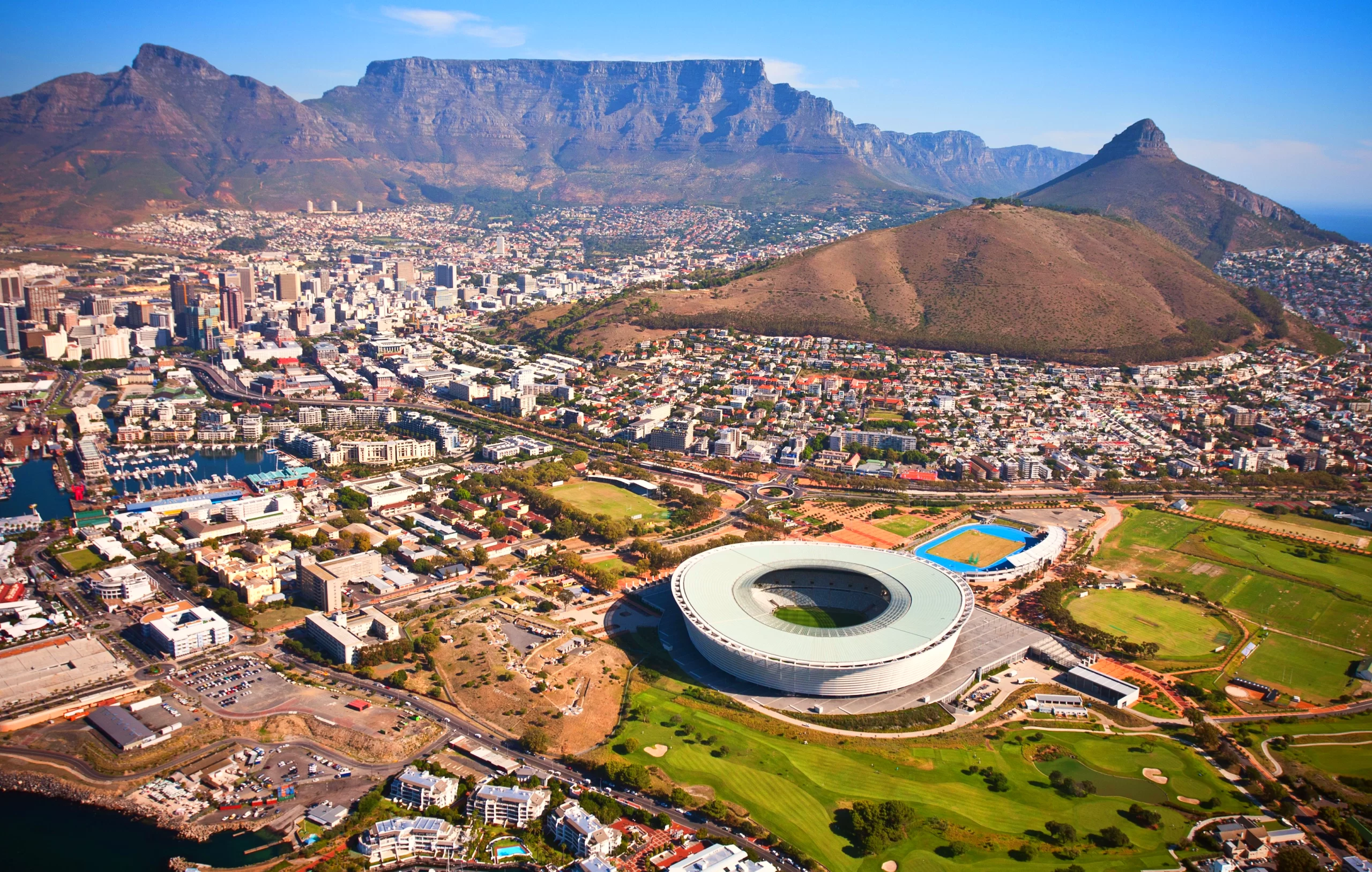
 Candido Portinari’s work goes on show in the heart of Beijing. (Photo: CNHowey, CC BY-SA 4.0, via Wikimedia Commons)
A major exhibition of Brazilian art has opened in the heart of Beijing. The show, titled “O Brasil de Portinari,” brings the work of painter Candido Portinari to one of the world’s most-visited museums.
It is no ordinary loan of pictures. This is the first solo exhibition by a Brazilian artist at the National Museum of China, a vast institution on Tiananmen Square.
Who Portinari was
For readers outside Brazil, a little context helps. Candido Portinari is widely seen as one of the country’s greatest painters of the twentieth century.
His art turned everyday Brazilian life into something monumental. He painted labourers, the countryside and social hardship with a grandeur usually reserved for kings and saints.
His reach went well beyond Brazil. Among his most famous works are two enormous panels, titled “War and Peace,” that he made for the United Nations headquarters in New York.
That gift for the universal is the point. His son has said Portinari won international recognition by turning local experience into themes any culture can feel.
His own roots were humble. He grew up among coffee workers in the interior of Sao Paulo state, a world that fed his lifelong eye for ordinary people.
That background shaped his subjects. Migrant families, field hands and the rhythms of rural Brazil recur across his canvases.
A landmark show for the Portinari name
The Beijing exhibition is built to match that stature. It gathers around fifty of his original works and runs through to October.
The setting could hardly be grander. The National Museum of China is among the busiest in the world, and organizers expect some four million people to pass through during the run.
The display mixes paintings, drawings and studies. Visitors can trace his themes of work, peace and family, alongside preparatory studies for those famous UN panels.
Immersive elements fill out the experience. The aim is to let a Chinese audience meet both the man and the Brazil he painted.
The show is arranged by theme. Its sections move through the landscape, the people and the social life of Brazil, building a portrait of a whole country.
Organizers also see a meeting of cultures. They argue that Portinari’s concerns with work, peace and family speak directly to Chinese viewers.
Art as diplomacy
The show is also a piece of statecraft. It is the most ambitious project of a Brazil-China Cultural Year, a programme agreed between the two governments.
That programme builds on a long relationship. The two countries marked fifty years of diplomatic ties recently, and culture has become one of the threads binding them.
Brazilian officials see real strategy in it. They cast culture as a way to deepen partnership and to project Brazil’s identity onto the world stage.
The two countries are close partners in other arenas too. They sit together in groupings of major emerging economies and cooperate on trade, energy and technology.
Against that backdrop, the art carries extra weight. A painter becomes a friendly envoy, opening a door that politics and commerce cannot quite open alone.
Why it matters
For Brazil, the show is a rare kind of soft power. Placing a national treasure before millions of Chinese visitors carries a weight no trade figure can match.
It is also a reminder of how Brazil wants to be seen. Not only as a supplier of soybeans and ore, but as a country with a deep and distinctive artistic voice.
Frequently Asked Questions
What is the exhibition?
It is “O Brasil de Portinari,” a show of around fifty original works by the Brazilian painter Candido Portinari. It opened at the National Museum of China in Beijing and runs through October.
Why is it significant?
It is the first solo exhibition by a Brazilian artist at the prestigious museum, one of the most-visited in the world. Organizers expect about four million visitors over four months.
Who was Candido Portinari?
He was one of Brazil’s greatest modern painters, known for monumental images of ordinary life and labour. He also created the “War and Peace” panels at the United Nations headquarters in New York.
The Rio Times · Power Map
See who really holds power in Latin America
Click to open the Power Map →