By The Rio Times | Created at 2026-06-16 11:16:53 | Updated at 2026-06-16 12:18:52
1 hour ago
By The Rio Times | Created at 2026-06-16 11:16:53 | Updated at 2026-06-16 12:18:52
1 hour ago
Brazil · Politics
Key Facts
—The surge. Brazil’s electoral court logged 87 complaints between January and May involving the main presidential contenders.
—The scale. That is roughly four times the number filed in the same stretch of the last election year.
—The driver. A growing share of the cases turns on AI-generated video and so-called deepfakes.
—The targets. Both President Lula’s camp and Senator Flavio Bolsonaro’s have taken each other to court.
—The concentration. The two main parties account for more than half of the complaints filed so far.
—The backdrop. The court approved strict new rules on AI in March, but the campaign has not officially begun.
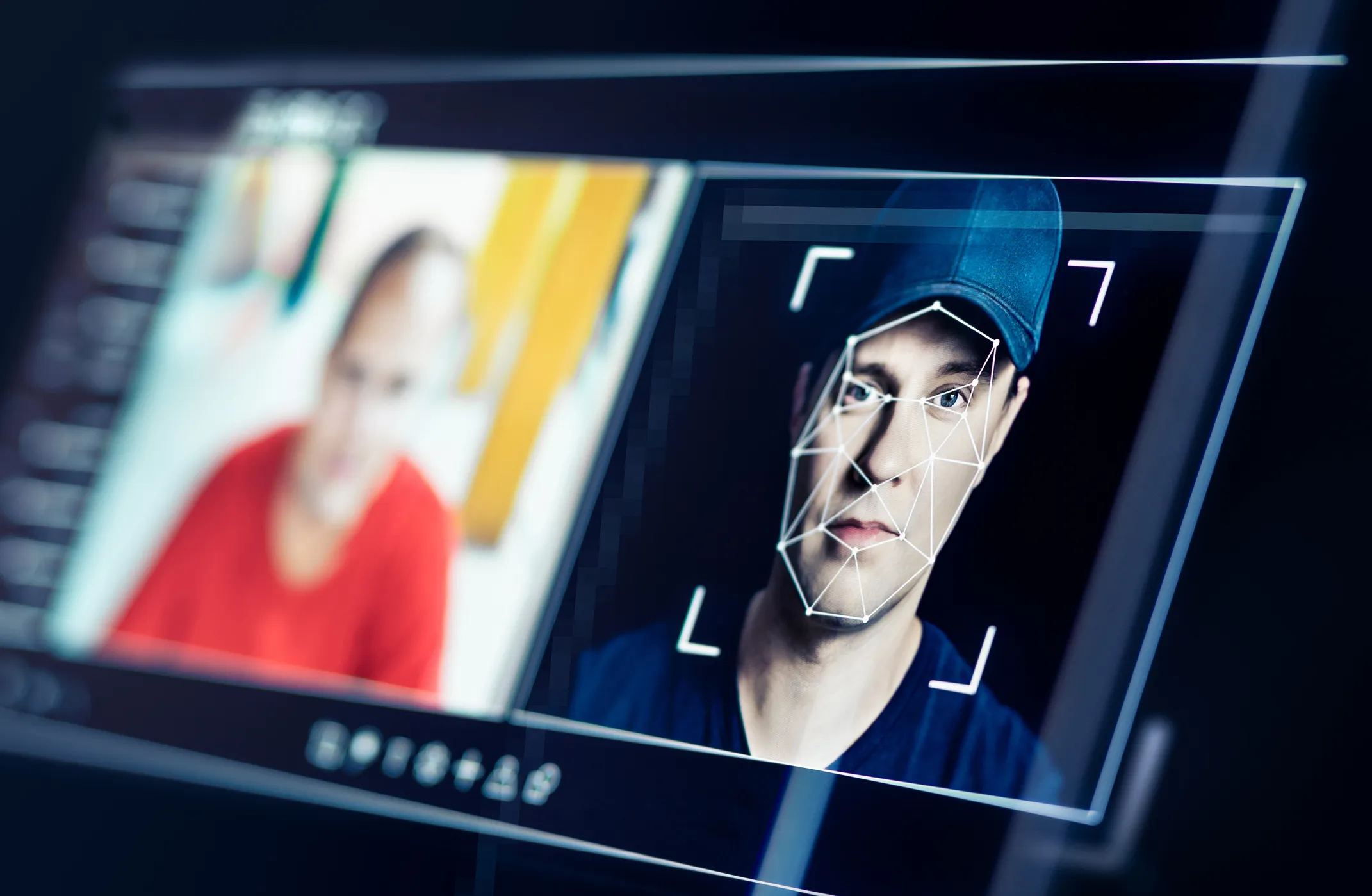
The first big Brazil election deepfake disputes are already in court, months before campaigning officially starts, in what looks set to be the country’s most heavily litigated vote yet.
Brazil votes for president in October, and the campaign has not formally begun. Yet the lawyers are already busy.
A wave of legal complaints has hit the country’s electoral court, and a growing share of them turns on the same thing: video faked with artificial intelligence.
A Brazil election deepfake surge in numbers
The scale is striking. Between January and May, the court logged eighty-seven formal complaints involving the leading presidential contenders.
That is about four times the figure from the same months of the last election year. In that 2022 window there were nineteen such filings, and in 2018 just ten.
Two parties dominate the docket. President Lula’s Workers’ Party and Senator Flavio Bolsonaro’s Liberal Party together account for more than half the cases.
For a country whose courts already loom large in its politics, the early rush is a warning sign. Analysts expect this to be the most litigated election in recent memory.
What the fakes look like
The complaints are not abstract. They point to specific clips that each side says were doctored to smear a rival.
Lula’s allies went to court over videos they say used AI to tie the president to financial scandals, including troubles at a failed bank and a pensions fraud. They want the clips pulled and those behind them punished.
The senator’s party hit back with its own filing. It argues that a boosted video used AI to link Flavio Bolsonaro to the same failed-bank affair.
One case even targets a wholly invented figure. A virtual persona generated by AI, the left argues, could be mistaken for a real person and used to spread misleading claims.
Rules on the books, gaps in practice
Brazil is not flying blind here. In March the electoral court approved some of the world’s strictest rules on AI in campaigns.
Those rules ban deepfakes outright and require any AI-made campaign material to be clearly labelled. A candidate caught using deepfakes can in theory lose their registration.
The early case flood shows the limits of paper rules. Much of the disputed content was posted before the campaign formally opened, in a grey zone the regulations only partly cover.
Both camps have responded by lawyering up. They are building specialist legal teams in anticipation of a long fight over what voters see online.
Why outsiders should care
For a foreign reader, the lesson reaches well beyond Brazil. The country has long been a test case for how democracies handle online disinformation.
It is now an early, large-scale trial of whether cheap AI tools can be policed in a real national election. Other countries voting soon will be watching the outcome.
There is a market angle too. A vote whose fairness is repeatedly contested in court adds a layer of uncertainty that investors in Brazilian assets would rather avoid.
For now the numbers point one way. The fakes are arriving faster than the rules meant to contain them.
There is a wider pattern at work. The same period has seen complaints over early campaigning, false claims and the paid boosting of posts, with AI now layered on top.
Even cultural events have been dragged in. One filing challenged a samba school parade whose theme traced the president’s political life, a sign of how broadly the rules are being tested.
All of this lands before the official campaign has even opened. Once it does, the volume of disputed content, and the legal fights over it, is likely to climb further.
Frequently Asked Questions
How many election complaints has Brazil’s court received?
A survey found eighty-seven formal complaints filed at the electoral court between January and May 2026 involving the main presidential contenders, roughly four times the number in the same period of the 2022 election year.
What role do AI deepfakes play?
A rising share of the complaints concerns AI-generated or manipulated video, with both the Lula and Flavio Bolsonaro camps accusing each other of using such clips to spread misleading attacks before the official campaign begins.
Does Brazil regulate AI in elections?
Yes. In March the electoral court approved strict rules that ban deepfakes and require AI-made campaign material to be labelled, though experts say gaps remain, especially for content posted before campaigning formally starts.
The Rio Times · Power Map
See who really holds power in Latin America
Click to open the Power Map →