 By GB News (Politics) | Created at 2026-08-07 08:41:44 | Updated at 2026-08-07 12:13:10
4 hours ago
By GB News (Politics) | Created at 2026-08-07 08:41:44 | Updated at 2026-08-07 12:13:10
4 hours ago
A centre-right think tank has called on Andy Burnham to increase the top rate of income tax to 52 per cent.
It comes amid calls for a sweeping overhaul of the tax system designed to improve support for Britain's self-employed workers.
Bright Blue has proposed abolishing employer National Insurance contributions entirely while bringing National Insurance rates for self-employed workers into line with those paid by employees.
The organisation said the reforms could be funded through increases across all income tax bands.
In return, around five million self-employed people would gain access to automatic pension enrolment, statutory sick pay and parental leave, benefits that are currently unavailable to many people working for themselves.
Under Bright Blue's proposals, the basic rate of income tax would increase from 20 per cent to 31 per cent.
The higher rate would rise from 40 per cent to 48 per cent.
The additional rate would increase from 45 per cent to 52 per cent.
It also proposed introducing a new 13 per cent income tax band covering earnings between £5,000 and £12,570.
Think tank calls for income tax to rise to 52 per cent under major shake-up

Bright Blue said the income tax increases would offset the cost of abolishing employer National Insurance contributions.
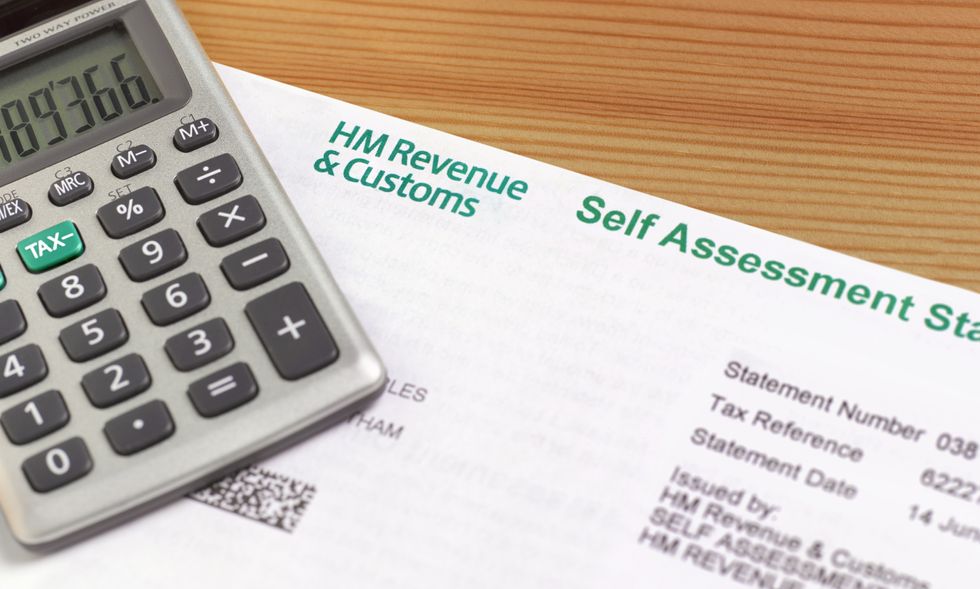
It said a self-employed person earning £39,000 currently pays around £1,587 in National Insurance.
By comparison, an employee earning the same salary and their employer together pay approximately £7,214 in National Insurance contributions.
According to the think tank, this creates a gap in the system worth around £10billion.
The self-employed account for around 13 per cent of the British workforce but do not receive many of the employment protections available to employees.
For example, statutory sick pay is not currently available to self-employed workers
The Government's Pensions Commission has also found that just four per cent of self-employed workers are saving for retirement.
Bright Blue said its proposals would extend access to Universal Credit, parental leave, statutory sick pay and state-backed pension contributions.
The organisation also highlighted differences in earnings between employees and the self-employed.
During the 2024-25 tax year, the median net annual earnings of a full-time self-employed worker were £22,800 compared with £29,000 for a full-time employee.
Bartek Staniszewski, head of policy at Bright Blue, said: "The system was envisioned at a time when the self-employed paid a little less in tax to get a lot less in social security.
"This time is now gone. The self-employed are more insecure than ever and, even though they pay far less in tax than employees while getting only a little less help from the state, they think that the system is squarely against them."
He added: "Clearly, a new deal is necessary.
"Better protections for the self-employed and fair tax treatment for all would be welcomed by the self-employed while either raising billions of pounds for HM Revenue & Customs or putting billions back in the pockets of employees."
Critics of higher taxation have warned that increasing the burden on top earners could encourage entrepreneurs and investors to relocate overseas.
The proposals come ahead of the Budget on October 28.
Mr Burnham has previously suggested raising the additional rate of income tax to 50 per cent to help fund public services.