By The Rio Times | Created at 2026-07-25 08:36:41 | Updated at 2026-08-06 00:50:11
1 week ago
By The Rio Times | Created at 2026-07-25 08:36:41 | Updated at 2026-08-06 00:50:11
1 week ago
SOUTH AFRICA · BUSINESS
Key Facts
—Day in court: ArcelorMittal South Africa has taken the state rail and port monopoly, Transnet, to the Competition Tribunal.
—The charge: It accuses Transnet of abusing its dominance through excessive prices and exclusionary conduct.
—A broken backbone: Transnet’s freight-rail breakdown has cost South African mining and industry billions in lost exports.
—A steelmaker in trouble: ArcelorMittal, the country’s biggest steel producer, has been closing mills and shedding jobs.
—The scrap fight: It wants the government to scrap a 20% tax on exporting scrap metal, which feeds its rivals.
—Why it matters: The clash is a window onto South Africa’s struggle to keep heavy industry alive.
ArcelorMittal South Africa has hauled Transnet, the state-owned rail and port monopoly, before the Competition Tribunal, accusing it of abusing its dominance with excessive prices and exclusionary conduct. The case lays bare how a failing state logistics system is throttling the country’s biggest industries.
One-stop reference
Company Intelligence
Every listed company in Latin America — financials, ownership and structure for 1,450+ companies across 26 exchanges, in one place.
What ArcelorMittal South Africa is alleging
ArcelorMittal South Africa has referred a complaint to the Competition Tribunal, the body that polices market abuse. It argues that Transnet, as a dominant firm, has charged unlawfully excessive prices or otherwise shut competitors out.
For the country’s largest steelmaker, transport is existential. Moving iron ore, coal and finished steel depends almost entirely on Transnet’s rails and ports.
The Competition Tribunal can impose penalties and order changes in conduct if it finds abuse. A ruling could take time, but the filing itself signals how grave the situation has become.
Why Transnet matters so much
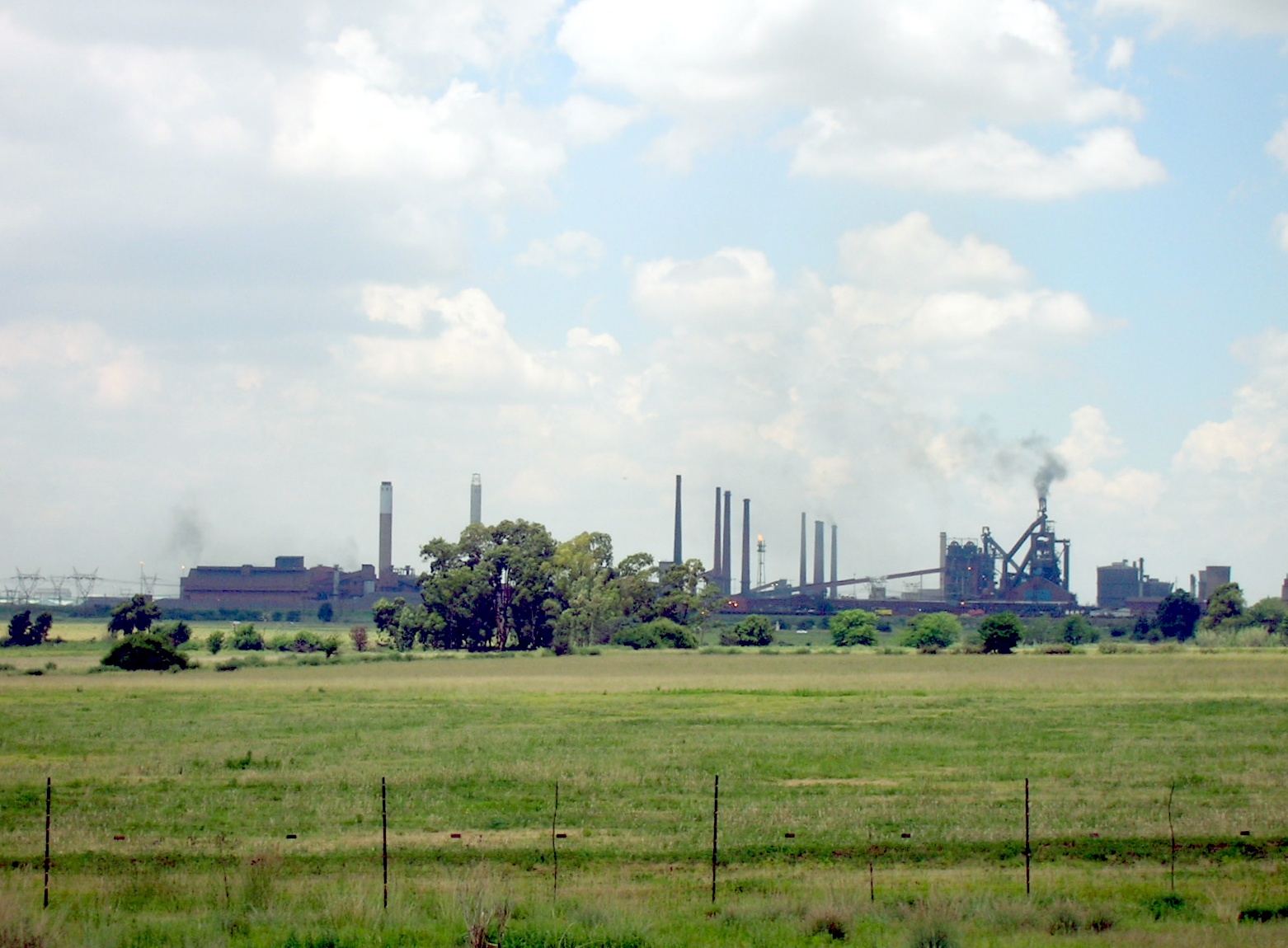
Transnet runs nearly all of South Africa’s freight railways and its commercial ports. Years of mismanagement, theft and breakdowns have left trains idle and ships queuing offshore.
The collapse has cost mining and manufacturing billions in lost exports. Fixing Transnet has become one of the government’s most urgent economic tasks.
Mining houses have repeatedly cut output or stockpiled goods they could not move. Each stranded shipment is lost revenue for the company and lost taxes for the state.
Ports have been as troubled as the railways, with ships waiting days to dock. Exporters of everything from coal to citrus have paid the price.
A steelmaker on the ropes
ArcelorMittal South Africa is fighting on several fronts at once. It has been shutting plants, including its long-steel operations, and warning that thousands of jobs are at risk.
It blames cheaper rivals known as mini-mills, which melt scrap metal rather than smelt iron ore. ArcelorMittal wants the government to drop a 20% tax on scrap exports that, it says, hands those rivals an unfair edge.
The company has warned for months that its long-steel business may not survive. Communities built around its plants fear the worst.
Steel is a foundation industry, feeding carmakers, builders and engineers. Losing it would hollow out swathes of the economy.
A government caught in the middle
The state is now reviewing its steel tariffs, in what officials call the largest such exercise yet. Every choice carries a cost.
A tariff lifeline for ArcelorMittal would mean higher prices for the carmakers, builders and appliance firms that buy its steel. Squeeze it the other way, and a strategic industry could disappear.
Pretoria has already stepped in with support once, and unions are pressing for more. The bill, one way or another, lands on taxpayers or consumers.
There are no painless options left on the table. Every path involves someone paying more.
What the referee says
South Africa’s competition authorities have urged the industry to focus on reviving demand rather than fighting over protection. Growth, they argue, would do more than export controls.
The message reflects a deeper worry. Propping up one giant at the expense of its customers risks weakening the wider economy.
South Africa’s economy has barely grown for years, and weak demand is the deeper malaise. Tariffs cannot manufacture customers.
Why outsiders should care
For foreign investors, the saga is a cautionary tale about infrastructure risk. A country can hold world-class mineral wealth and still struggle to get it to port.
It is also a story about deindustrialisation. The fate of South Africa’s steel industry will shape jobs, supply chains and the country’s place in global manufacturing.
South Africa remains the continent’s most industrialised economy, so its struggles carry weight. What happens to its steel sector is a signal for the region.
What to watch
The Tribunal case will test whether a private giant can force a state monopoly to change. Its outcome could ripple across every exporter that depends on Transnet.
The other question is whether ArcelorMittal keeps making steel in South Africa at all. Its decisions will signal how much heavy industry the country can still sustain.
Investors will also weigh how quickly the government can fix Transnet itself. Logistics reform may matter more than any single court case.
The dispute is, in miniature, a story about the whole economy. South Africa must fix its plumbing before its factories can thrive.
Frequently Asked Questions
What is ArcelorMittal accusing Transnet of?
It has told the Competition Tribunal that Transnet, a dominant firm, charged excessive prices or engaged in exclusionary conduct.
Why is Transnet so important?
Transnet runs almost all of South Africa’s freight rail and commercial ports, so its breakdowns directly hurt mining and manufacturing exports.
Why is ArcelorMittal South Africa struggling?
It has been closing mills and shedding jobs amid competition from scrap-fed mini-mills and a fight over a 20% scrap-export tax.
Why does the dispute matter to outsiders?
It shows how a failing state logistics system and industrial decline can undermine even a resource-rich economy.
The Rio Times · Power Map
See who really holds power in Latin America
Click to open the Power Map →