By The Rio Times | Created at 2026-09-27 09:36:37 | Updated at 2026-09-27 10:11:54
59 minutes ago
By The Rio Times | Created at 2026-09-27 09:36:37 | Updated at 2026-09-27 10:11:54
59 minutes ago
ARGENTINA · DEFENCE
Key Facts
- —The country Argentina has about 46 million people and the second-largest economy in South America, after Brazil. It has had no supersonic fighter jets since it retired its French-built Mirages in 2015.
- —Why it matters In 2024 Argentina agreed to buy 24 used F-16 fighters from Denmark for about US$301 million. It is the country’s biggest air-force purchase in decades.
- —Why now The second batch of six jets left Denmark on 22 September. It was due in Córdoba province this weekend, but bad weather stopped the last legs.
- —What happened On Saturday 26 September the arrival was postponed. The six jets remain at Gando air base on Gran Canaria, with the window extended to Wednesday 30 September.
- —The numbers Four single-seat and two two-seat jets. With them Argentina will hold 12 of its 24 F-16s; three US Air Force tanker planes refuel them over the ocean.
- —What it means for you Nothing changes for civilian flights. Public welcome events planned in Río Cuarto for Sunday were cancelled; no new date has been set.
- —Still open The exact landing day, and whether President Javier Milei attends. The next leg, to Natal in northeast Brazil, depends on the weather.
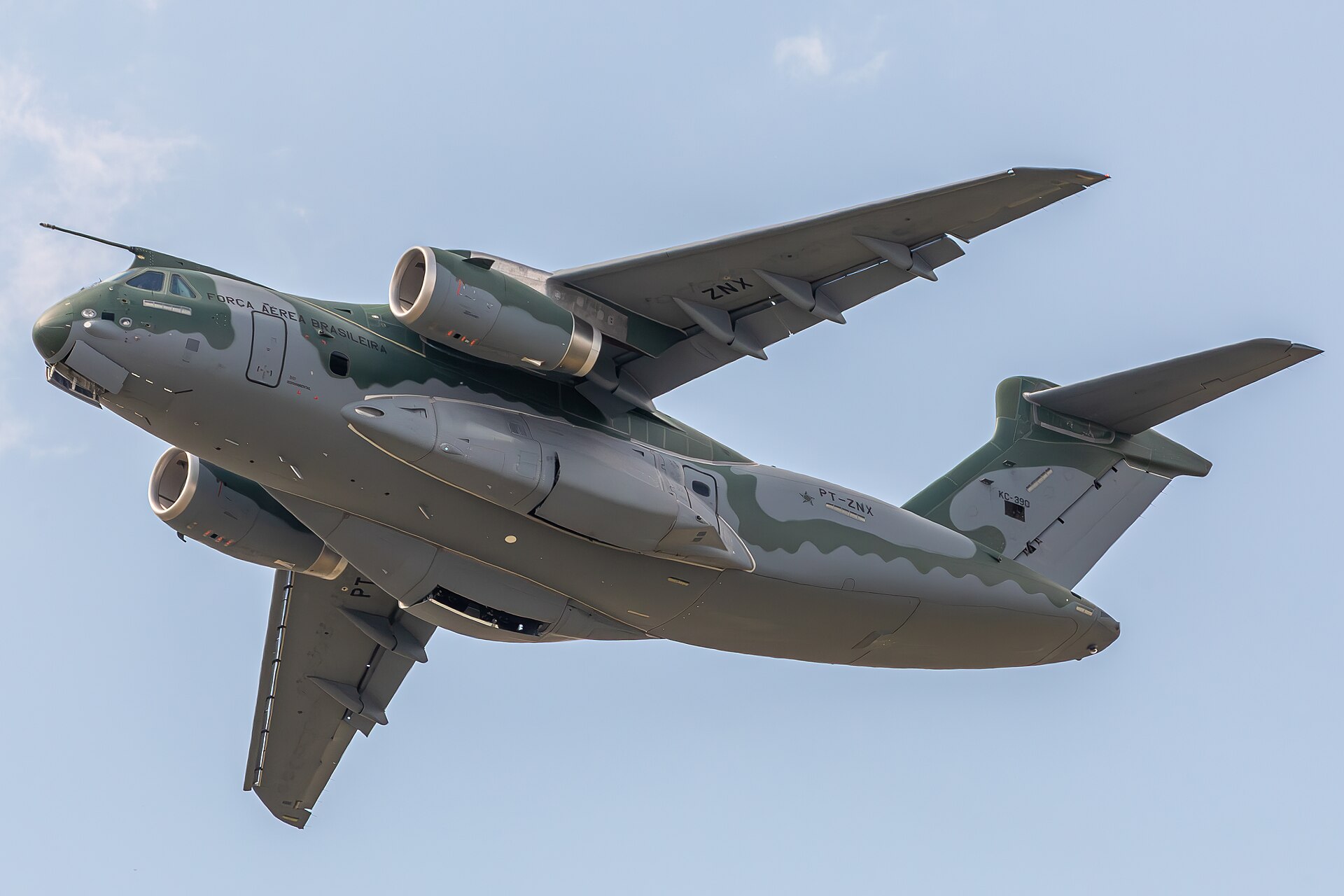
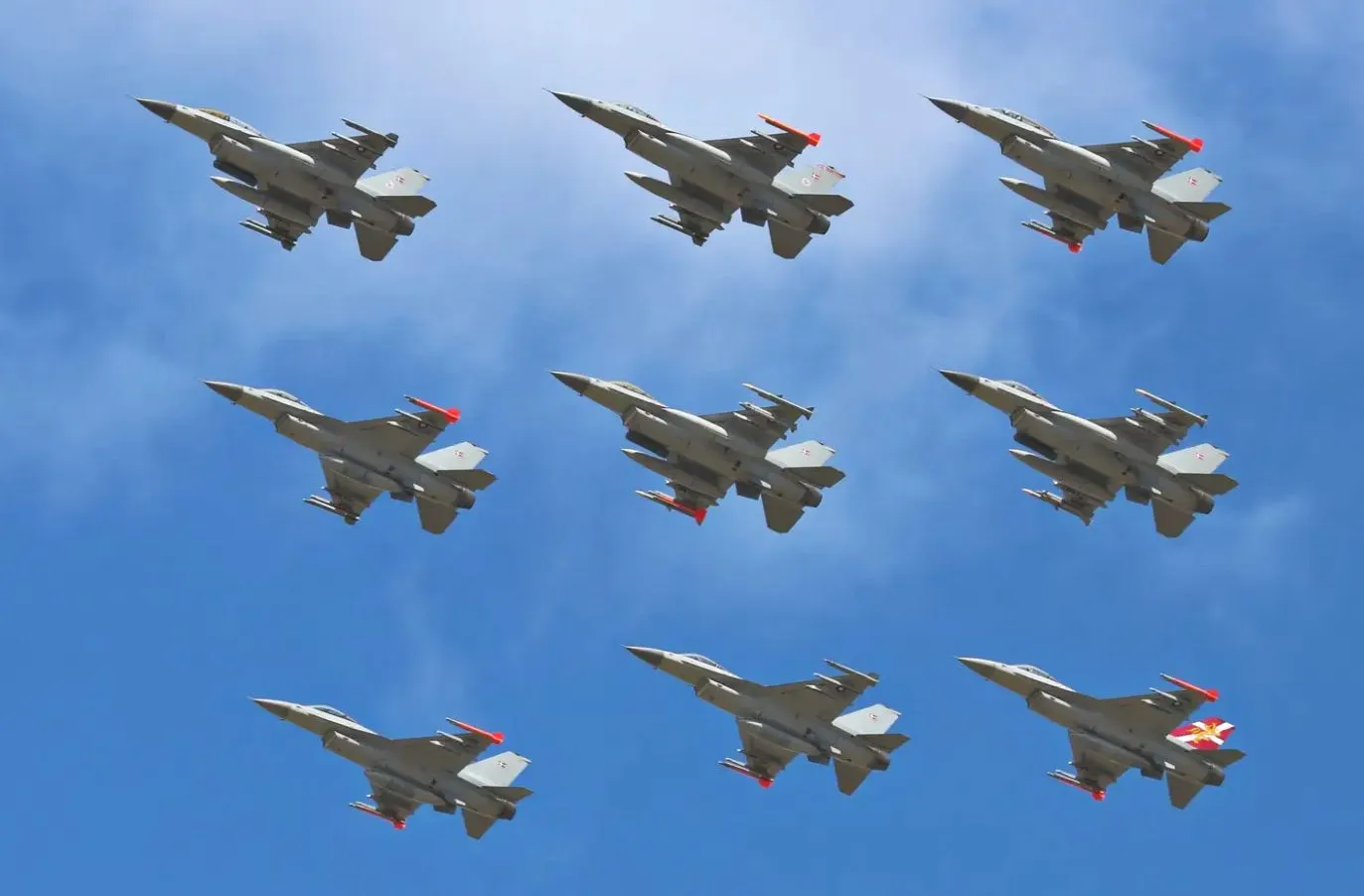
Six more fighter jets for Argentina are sitting on an airfield in Spain’s Canary Islands, waiting for weather to cross the Atlantic. They would take the Argentina F-16 fleet to half its planned size, but they have not yet reached South America.
Free daily brief — no card needed
Get every Argentina story in one morning email
We build you a personalized brief around the topics you follow — free for 7 days. Love it? Your first month after that is US$1.
Yes, email me my free daily brief — I can unsubscribe any time.
The jets were due at their base in Córdoba province on Saturday, then on Sunday. On Saturday 26 September the arrival was postponed, and the window now runs to Wednesday 30 September.
One-stop reference
Company Intelligence
Every listed company in Latin America — financials, ownership and structure for 1,450+ companies across 26 exchanges, in one place.
Where the jets are now
The six F-16s took off from Skrydstrup air base in Denmark on Tuesday 22 September. They stopped in Zaragoza, in northeast Spain, and then flew on to Gando air base on Gran Canaria.
By Wednesday 23 September Argentina’s Defence Ministry said the jets had crossed Spain with both stops completed. Gando is a Spanish air force base that shares its runway with the island’s civilian airport.
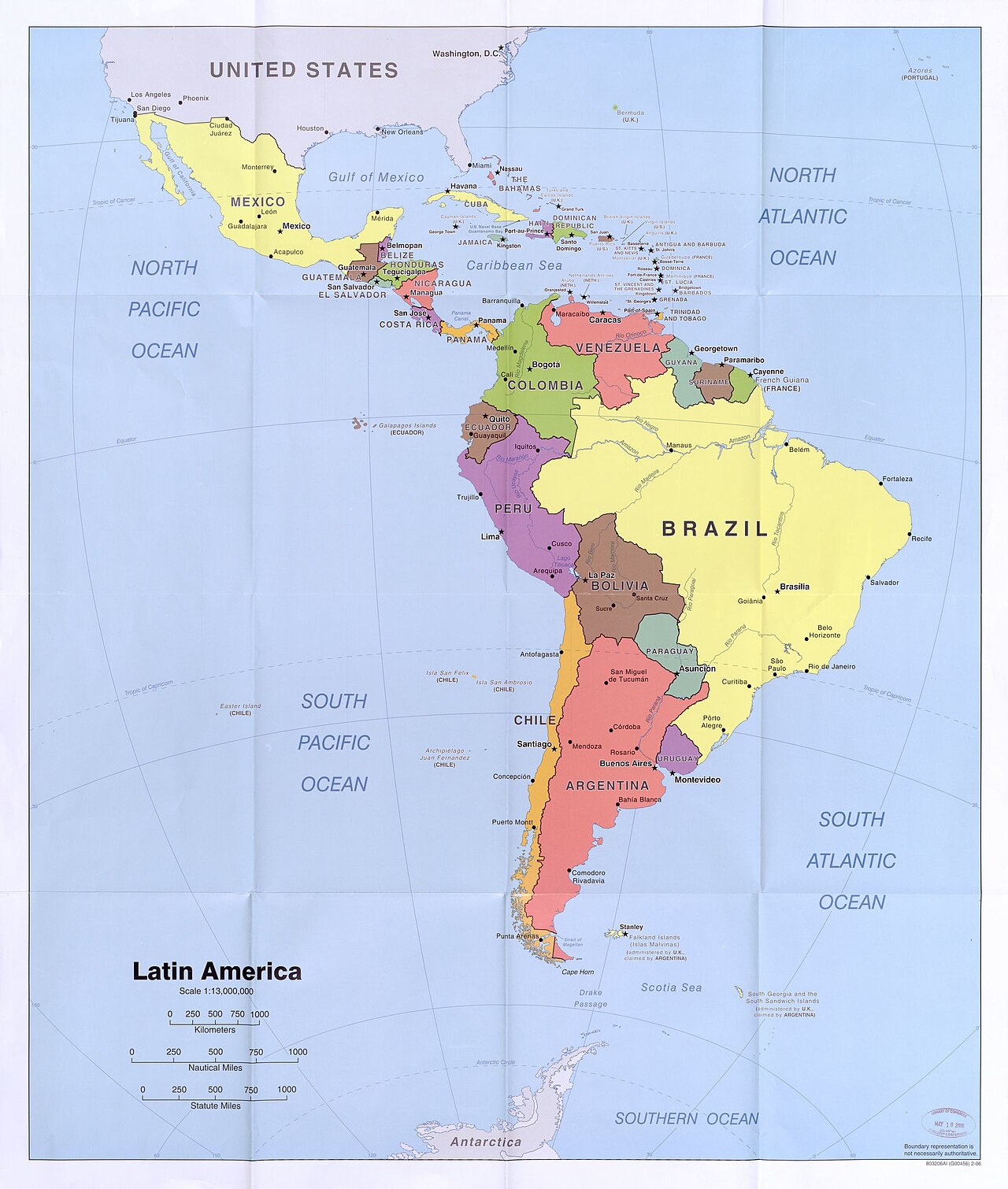
The next step is the longest one: an ocean crossing of several thousand kilometres to Natal, a city on Brazil’s northeast coast. From there the jets fly the final leg south to Argentina.
Local papers in Córdoba reported on Saturday that the arrival was suspended because of bad weather. Radio Cadena 3 said the jets remained in Gran Canaria and still had to cross the ocean.
Several outlets said a landing on Monday or Tuesday was possible if weather and operations allow. That is an estimate, not a confirmed schedule.
How six fighters cross an ocean
No jet on the Argentina F-16 ferry can fly from the Canaries to Brazil on its own fuel. It needs to refuel in the air, several times, from a larger tanker aircraft.
For that job the US Air Force sent three KC-135 Stratotanker tankers, according to the Argentine specialist site Zona Militar. It reported the planes came from MacDill Air Force Base in Tampa, Florida, and were at Gando by 24 September.
Argentina’s own air force added two support aircraft. A KC-130H Hercules transport and a Boeing 737 named “Islas Malvinas”, the Argentine name for the Falkland Islands, travel with the fighters.
The crossing depends on weather along the whole route. The Brazilian site Sociedade Militar pointed to Tropical Storm Gonzalo near Cape Verde as a possible cause of delay.
What Argentina bought, and for how much
Argentina agreed the purchase with Denmark in 2024. In March that year, then defence minister Luis Petri signed a letter of intent in Copenhagen with Denmark’s Troels Lund Poulsen.
The deal covers 24 operational F-16s plus one airframe for ground training. According to the fact-checking site Chequeado, the price is US$301.2 million, paid in five interest-free annual instalments.
That buys the aircraft and their basic equipment. Infobae has put the full programme, including weapons, training and base works, at US$900 million to US$1 billion.
The United States, which built the F-16, authorised the transfer. In April 2024 it also offered US$40 million in military financing towards the purchase.
The jets are not new. They are upgraded F-16AM and F-16BM models of a design first built in the 1970s and 1980s.
For comparison, neighbouring Peru chose brand-new jets. Read how Peru Pays US$462 Million for 12 F-16 Jets, Then Freezes the Deal.
Why the Argentina F-16 purchase matters
Argentina retired its last Mirage fighters in 2015. For about a decade after that, its air force had no aircraft able to fly faster than sound.
The first six F-16s arrived in December 2025. President Javier Milei presided over their official presentation at Río Cuarto on 6 December.
This second batch holds four single-seat and two two-seat jets. With it, Argentina will have 12 of the 24 aircraft it bought.
The remaining 12 are due in 2027 and 2028, La Nación reported. Infobae reported in July that the programme could finish a year early.
The jets are heading for the Área Material Río Cuarto, an air force maintenance unit about 10 kilometres from that city. Their long-term home is to be the air base at Tandil, in Buenos Aires province, once works there are done.
The politics behind the jets
The defence minister is now Lieutenant General Carlos Alberto Presti, who replaced Petri when Petri moved to Congress. La Nación reported that Presti will receive the jets at Río Cuarto.
Whether Milei attends is still undecided, according to the same report. In a ministry statement, Presti said the F-16s show the state’s “commitment to comprehensive re-equipment” of the armed forces.
The purchase is also a sign of Milei’s close ties with Washington. The Argentina F-16 fleet will carry US-supplied weapons, and Infobae has reported plans for AMRAAM medium-range air-to-air missiles.
The spending sits beside a thin budget. Most planned defence money goes on running costs; see Argentina Plans a US$2.8 Billion Defence Budget, Mostly for Upkeep.
The Falkland Islands dispute with Britain hangs over any Argentine air-power debate. Defence analyst Sergio Eissa told Chequeado an armed F-16 cannot reach the islands and return without a tanker Argentina lacks.
What comes next
When the weather clears, the jets fly to Natal in Brazil and then on to Río Cuarto. The arrival window runs until Wednesday 30 September, and Río Cuarto’s public welcome will wait for a firm date.
The delay does not signal a problem with the Argentina F-16 jets or the deal. Weather holds are routine on long ferry flights, and no official has reported a technical fault.
It also does not mean Argentina has a full fighter force. Twelve jets are half the order, and pilot training and weapons deliveries continue into 2027.
More: Argentina news in English, every day from The Rio Times.
Frequently Asked Questions
Have Argentina’s new F-16s arrived yet?
Not as of Sunday 27 September; the six jets are waiting at Gando air base on Gran Canaria. The arrival window at Río Cuarto now runs to Wednesday 30 September.
Why were the F-16s delayed?
Argentine officials and local media cited bad weather. A Brazilian military news site also pointed to Tropical Storm Gonzalo near Cape Verde, on the planned route.
How much did Argentina pay for the F-16s?
About US$301 million for 24 operational jets and one ground training airframe, paid in five interest-free annual instalments. Weapons, training and base works cost extra.
Where will the jets be based?
First at the Área Material Río Cuarto in Córdoba province, where the first six have flown since December 2025. The long-term home is the air base at Tandil.
Sources: La Nación, 25 September 2026; BioBioChile and Cadena 3, 26–27 September 2026; Página|12, 26 September 2026; LT10, 26 September 2026; Zona Militar, 24 September 2026; Perfil, 24 September 2026; Sociedade Militar, 26 September 2026; Chequeado, 4 December 2025; Infobae, 16 July 2026; Argentine Ministry of Defence.
This article was produced by The Rio Times’ automated newsroom system. How we use AI · Report an error
The Rio Times · Power Map
See who really holds power in Latin America
Click to open the Power Map →