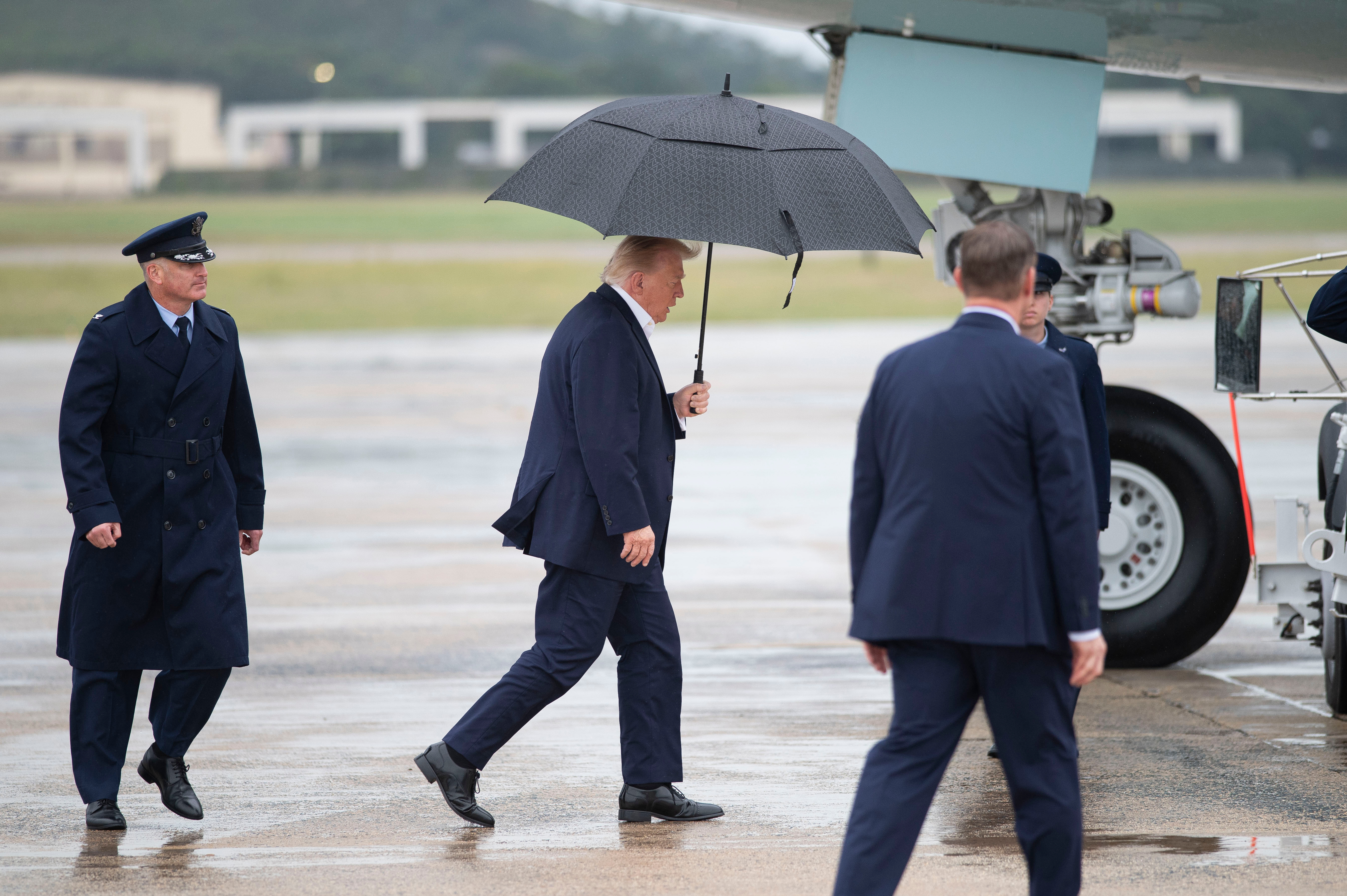
 By The Epoch Times | Created at 2026-09-27 21:51:35 | Updated at 2026-09-27 22:27:12
44 minutes ago
By The Epoch Times | Created at 2026-09-27 21:51:35 | Updated at 2026-09-27 22:27:12
44 minutes ago
Robert Cekada, director of the Bureau of Alcohol Tobacco, Firearms and Explosives (ATF), says there is no conflict between fighting crime and protecting citizens’ Second Amendment rights.
Cekada told the Gun Rights Policy Conference in Dallas on Sept. 26 that ATF is committed to putting corrupt gun dealers out of business and protecting the law-abiding while dismantling Biden administration policies that have tarnished the agency’s image in the Second Amendment community.
Cekada said that over 2023 and 2024, former President Joe Biden’s ATF revoked approximately 2,800 federal firearms licenses (FFLs). Many FFL owners were caught up in the Biden administration’s zero-tolerance policy. Under that policy, the ATF took a much harder line when it came to dealer compliance with firearms laws and regulations.
Two people who say they were caught up in the policy were at the conference.
Russell Fincher, a teacher and Southern Baptist minister from Tuskahoma, Oklahoma, and Patrick “Tate” Adamiak, a Navy veteran who spent more than four years in prison after being convicted of violating the National Firearms Act, both opposed the prior policy.
Fincher agreed to a plea deal that placed him on probation for three years to avoid a possible prison sentence of five to 15 years. Fincher sold one box of 40-caliber pistol ammunition to a convicted felon. Though he did not believe he was violating the law, he said the threat of 15 years in prison was excessive for a relatively minor offense.
Adamiak was sentenced to more than 20 years for dealing in illegal machine guns, among other charges. Adamiak said that what the ATF labeled machine guns and destructive devices were non-functioning replicas, inert training devices, and disabled parts.
Both men were pardoned by President Donald Trump on Sept. 3. On the day the pardons were announced, Fincher told The Epoch Times the feeling was “like a million Christmas mornings.”
The Biden Administration’s objective was to restrict the supply of guns to the public, Cekada said. He told the gun rights advocates that the policy actually limited rights of law-abiding citizens and businesses with little impact on crime.
“The last administration looked at federal firearms licensees, the industry, and frankly, American gun owners as people that were contributing to more guns being put into the hands of criminals, and that’s just not what was happening,” Cekada said.

ATF agents arrive on Russell Fincher's property in Tuskahoma, Oklahoma, on June 16, 2023. Courtesy of Russell Fincher
“We fell off the tracks in the last administration.”
The get-tough approach generated support from gun control groups while drawing the ire of gun rights advocates.
In March, Kris Brown, president of gun control group Brady, said Biden-era FFL revocations impacted a small number of federal firearms license holders who willfully violated the law.
“By dismantling this [zero tolerance] policy, the Trump administration is deliberately empowering these irresponsible gun dealers to operate without accountability, effectively arming criminals who will use these weapons to terrorize our communities,” Brown said in an online statement.
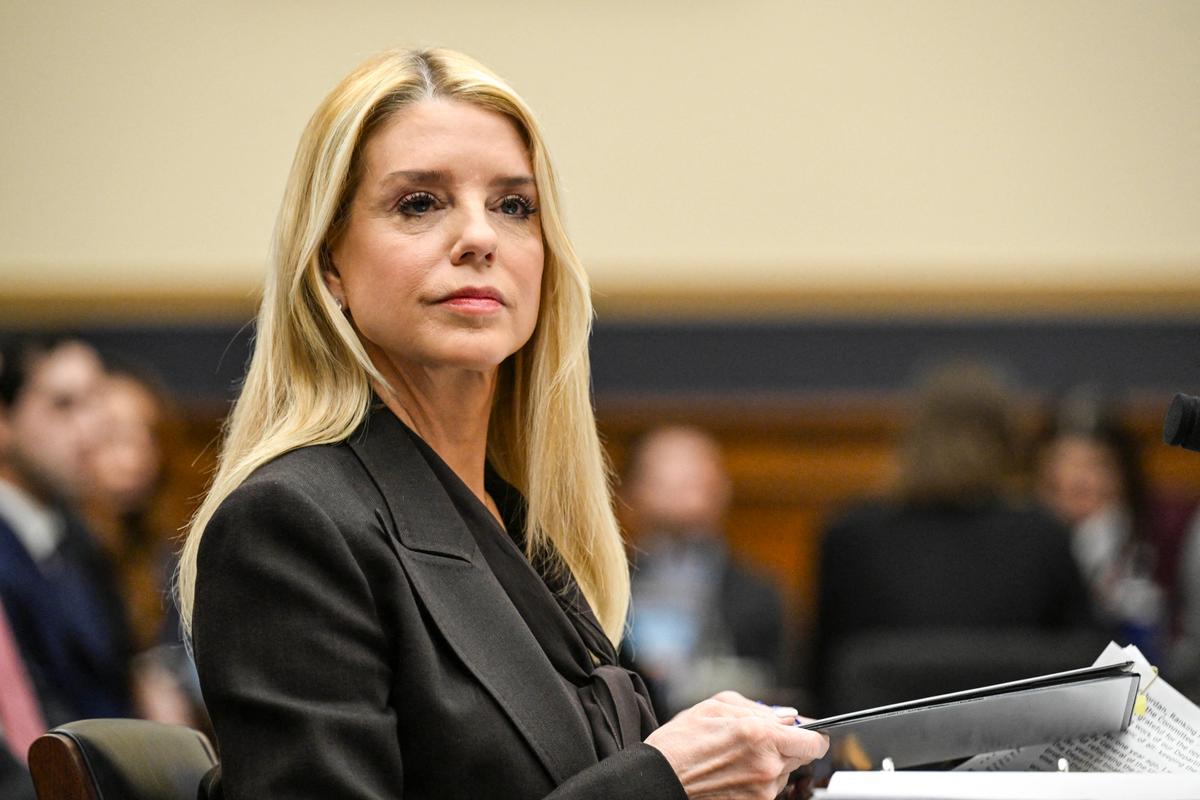
Former U.S. Attorney General Pam Bondi testifies before a House Judiciary Committee hearing on "Oversight of the Department of Justice" on Capitol Hill in Washington on Feb. 11, 2026. Roberto Schmidt/AFP via Getty Images
“These aren’t just policy changes—they’re deliberate choices that prioritize gun industry profits over American lives.”
As the gun rights groups welcomed reforms introduced by former U.S. Attorney General Pam Bondi, they also cast a wary eye on the ATF.
In addition to repealing the zero-tolerance policy, Bondi also made it easier for certain convicted felons to petition for restoration of their Second Amendment rights. But with high-profile cases like Adamiak and Fincher, many gunowners remain skeptical about the agency’s motives.
Cekada told the conference in Dallas that he understands their perspective. However, he said the agency’s record since he took over last June shows what its priorities are.
According to Cekada, there have been 90 FFL revocations since he was confirmed. He pointed out that the majority of those were carried out by Biden-era leadership with only 12 approved by Cekada himself.
He pointed out that the 12 revocations were among 80,000 violations cited during that period. He said the citations were not to put the FFL holders out of business. Instead, he said it is the agency’s method of helping the dealers avoid serious trouble.
Of the dozen revocations, he said three were revoked because the dealers were illegally doing business with Mexican drug cartels. Such crimes are used by gun control organizations to cast gun owners in a bad light, Cekada said.
“Three of the 12 were actually involved in a direct conspiracy to traffic firearms to the ... cartels, and we charged them through the Department of Justice ... with providing material support to a terrorist organization,” he said.
The director said such prosecutions are important not only to reduce crime but also to draw a bright line between truly rogue gun dealers and the lawful commerce in firearms. He cautioned the group that it will take time for the ATF to fully reverse some of the more unpopular policies.
“When we have people doing things like that, it paints the picture for the folks that are working on taking away our rights. That’s what they use as an argument,” Cekada said. “When we crush the criminal element and support lawful commerce ... we stand together.
“That’s why I ask [the] industry to please give me some time.”