By The Rio Times | Created at 2026-06-25 11:47:03 | Updated at 2026-06-25 14:03:56
2 hours ago
By The Rio Times | Created at 2026-06-25 11:47:03 | Updated at 2026-06-25 14:03:56
2 hours ago
Energy
Key Facts
—The offer. Barbados has put 19 ultra-deepwater blocks out to tender under its 2026 Offshore Petroleum Direct Negotiations, down from 22 in 2022.
—The acreage. The blocks span 62,643 square kilometres, ranging from 1,167 to 5,007 square kilometres each.
—The prize. Early seismic work suggests up to 13 billion barrels of oil in place and more than 40 trillion cubic feet of gas, both unproven.
—The timeline. Pre-qualification runs June 1 to September 1, 2026, with cabinet review of awards targeted for January 15, 2027.
—The terms. Exploration permits run up to 8 years, and the government keeps the option to take a 10% to 20% stake in any future production.
—The bill it pays. Barbados spends about $400 million a year on imported fuel and puts the cost of its renewable transition above $2 billion.
The Barbados offshore oil tender hands the island a long-shot at petroleum wealth while testing whether one of the world’s loudest climate voices can drill at home and preach restraint abroad.
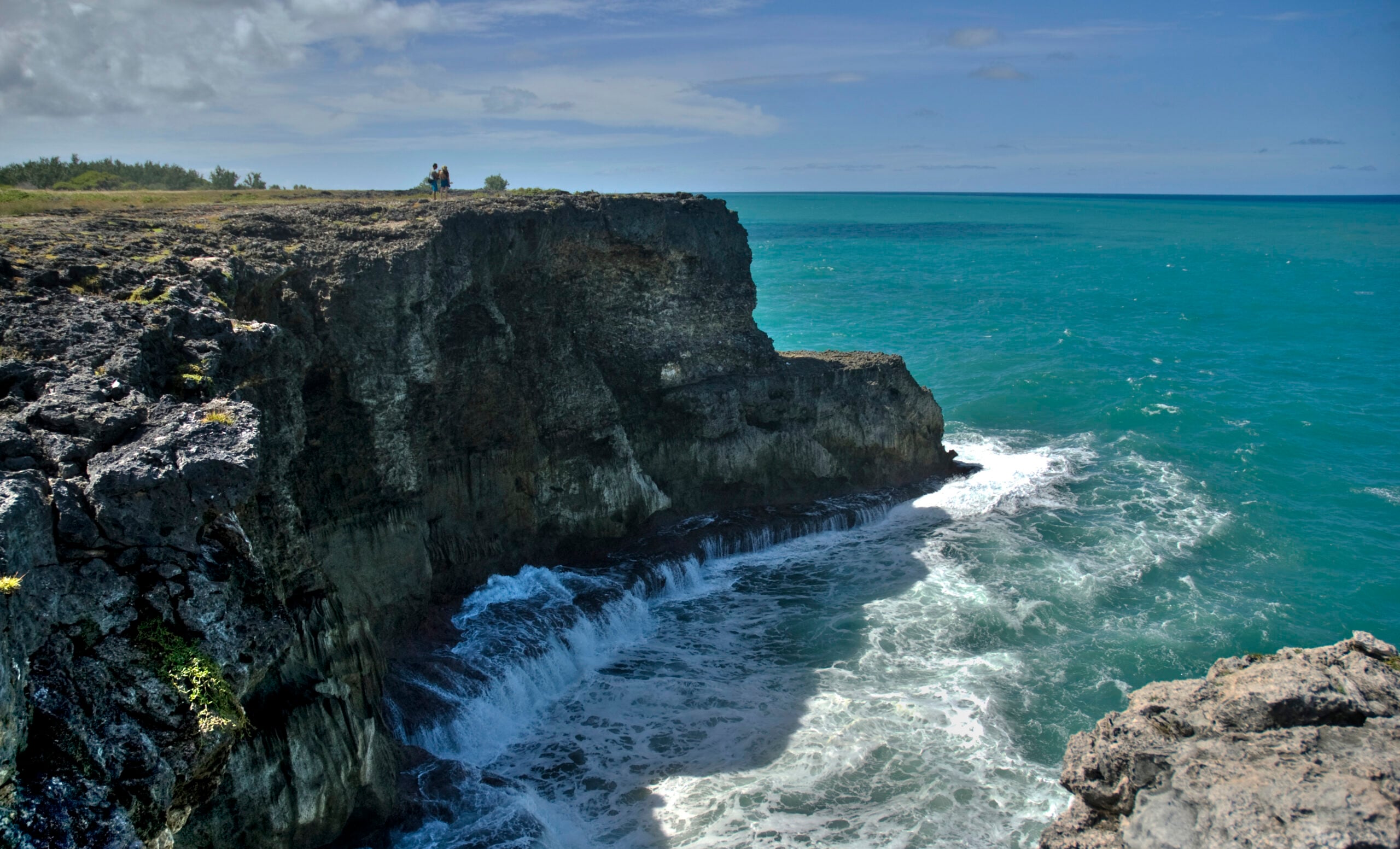
Barbados, an eastern Caribbean island of about 280,000 people best known to outsiders for tourism and for its prime minister’s climate diplomacy, has opened its deep waters to the oil industry. The government invited international energy companies to bid for 19 ultra-deepwater exploration blocks under a process it calls the 2026 Offshore Petroleum Direct Negotiations.
The numbers behind the pitch are striking, if speculative: officials say early seismic surveys point to as much as 13 billion barrels of oil in place beneath the seabed, a figure they stress is unproven and would need drilling to confirm. For scale, that rivals the resource estimate for neighbouring Guyana’s Stabroek block, the find that turned a tiny economy into one of the world’s fastest-growing producers.
A climate champion reaches for Barbados offshore oil
The awkwardness is hard to miss: Prime Minister Mia Mottley has spent years as one of the most prominent global voices urging rich nations to curb fossil fuels, and has pushed for a binding international treaty to rein in methane from the oil and gas sector. Now her government is offering its own waters to drillers.
Her ministers frame the move as pragmatic rather than contradictory. The acting prime minister and energy minister, Kerrie Symmonds, casts the tender as part of a broader strategy meant to balance energy security with the island’s renewable ambitions, arguing that hydrocarbon revenue could help pay for a green transition the government values at more than US$2 billion while the island still spends roughly US$400 million a year importing fuel.
Rules built to screen for green credentials
What sets this round apart from a routine licensing drive is the screen the government has bolted onto it: according to the official notice published by the energy ministry under the amended Offshore Petroleum Act, applicants must clear five tests, namely legal, technical and financial capacity, a health-and-safety bar, and local content. The novelty is that the safety category now carries a dedicated climate and methane-management component, a criterion the ministry says it added this year.
In plain terms, the island says it wants drillers who are also, in the minister’s phrase, good methane managers, on the logic that methane traps far more heat than carbon dioxide over the short term. Whether that ambition survives contact with a signed contract is the open question, since the gap between a stated standard and an enforceable clause is where these promises usually live or die.
What a London or Munich desk should watch
For an investor, the structure matters more than the headline barrels: the island trimmed the offer from 22 blocks in 2022 to 19, holding the rest back for a planned national energy company, and it reserved an option to take a stake of between 10% and 20% in any future production. Exploration permits run up to 8 years, and even a winning bid triggers environmental studies before a drill bit touches the water.
The forward signal is patience: pre-qualification closes in September, negotiations are meant to wrap by early 2027, and any real money is years away and contingent on a discovery that may never come. The wider read-through is regional, since from Guyana to Suriname to Barbados the south-eastern Caribbean is now one long exploration frontier, and the islands that preach hardest about climate are also the ones with the most to gain from oil.
Frequently Asked Questions
How many blocks does the Barbados offshore oil round cover?
The government is offering 19 ultra-deepwater blocks spanning 62,643 square kilometres, with individual blocks ranging from 1,167 to 5,007 square kilometres. It cut the number from 22 in the 2022 round, reserving the remainder for a future national energy company.
How much oil might Barbados hold?
Officials cite early seismic work suggesting as much as 13 billion barrels of oil in place and more than 40 trillion cubic feet of natural gas. These are preliminary, unproven estimates, and only exploratory drilling could establish whether commercial quantities exist.
Why is the tender controversial?
Prime Minister Mia Mottley is among the world’s most prominent advocates for curbing fossil fuels and methane, so opening Barbadian waters to oil exploration sits uneasily with that role. The government argues hydrocarbon revenue would fund a renewable transition costing more than US$2 billion.
Connected Coverage
· Suriname Gas Find Lifts Petronas Past a Billion Barrels Offshore
· Guyana Cuts Its Oil Spill Response Time From a Week to Days
· A Canadian Bank Is Quitting the Caribbean in a $1.8 Billion Deal
The Rio Times · Power Map
See who really holds power in Latin America
Click to open the Power Map →