By The Rio Times | Created at 2026-10-09 12:27:04 | Updated at 2026-10-09 14:05:35
2 hours ago
By The Rio Times | Created at 2026-10-09 12:27:04 | Updated at 2026-10-09 14:05:35
2 hours ago
Expats · Costa Rica
For most American expats, the western Central Valley around Escazú, Santa Ana and Heredia is the best place to live in Costa Rica, ahead of the Guanacaste coast. Safety is the trade-off: the country recorded 873 homicides in 2025, San José province, home to Escazú and Santa Ana, had the most, and the rate in Limón province was more than double the national figure.
Key Facts
—Who. US retirees, remote workers and families choosing a base in Costa Rica. Dollar budgets matter more than colón budgets.
—What. Four areas ranked on climate, safety and access to services, using the 2025 homicide data of the criminal investigation agency OIJ.
—Why it matters. Costa Rica recorded 873 homicides in 2025, a rate of 16.7 per 100,000 people, against 876 in 2024, about 2.4 a day. San José province had 293 and Limón province 172.
—Visas. According to immigration guides, pensionado residency asks for a lifetime pension of US$1,000 a month, rentista US$2,500 a month, and the digital nomad visa US$3,000 a month (US$4,000 for a family).
—Safety rating. The US State Department rates Costa Rica Level 2, “Exercise Increased Caution”, because of crime.
The Short Answer: Central Valley First, Guanacaste Second
The western Central Valley ranks first because it offers a mild highland climate, the country’s main hospitals and short drives to the capital’s airport. Guanacaste ranks second for beach life and a real dry season. The central and southern Pacific follows, and the Caribbean ranks last.
This ranking is our editorial judgement, not a statistical index. We used the OIJ’s 2025 homicide data by province, which can be measured. We also weighed climate and access to care, which depend on your own needs. Safety did not decide rank 1: Escazú and Santa Ana lie in San José province, which has the most killings, so check each neighbourhood.
| 1 | Central Valley: Escazú, Santa Ana, Heredia | Mild highlands; afternoon rain from May to November | San José province (home to Escazú and Santa Ana): 293 killings, rate 17.6; Heredia province: 35 killings | Traffic and city crime on the San José side |
| 2 | Guanacaste coast: Tamarindo area | Hot, with a dry season on the Pacific side | 79 killings in the province in 2025 | Water supply, heat and tourist-season prices |
| 3 | Central and southern Pacific coast | Humid, with a long rainy season | Puntarenas province: 130 killings, down from 153 in 2024 | Distance from hospitals and airports |
| 4 | Caribbean coast: Puerto Viejo, Limón | Wet, with no defined dry season | Limón province: 172 killings, rate 37.7, the highest rate we found | The highest violence rate we found and heavy rain |
How We Ranked, and What the Data Can and Cannot Show
The OIJ publishes homicide counts by province, and some rates. Provinces are large, and a beach town can differ sharply from the province around it. Treat the numbers as a first filter, then check the canton and the neighbourhood.
We do not give average rents. Property guides quote ranges, but we found no official or dated source we could confirm, so we leave them out.
1. Central Valley: Escazú, Santa Ana and Heredia
The Central Valley is a plateau of hills and suburbs around San José. Escazú and Santa Ana lie on the western edge, and Heredia sits to the north. Days are mild, and rain falls mostly in the afternoon and early evening during the wet months.
The safety data points two ways. Heredia province recorded 35 homicides in 2025, the fewest of the seven provinces. San José province, which includes Escazú and Santa Ana, recorded 293, up from 248 in 2024, with the worst violence in districts of the capital such as Pavas, Hatillo and Alajuelita. The province rate was 17.6 per 100,000, above the national 16.7.
2. Guanacaste: Tamarindo and the Dry-Season Coast
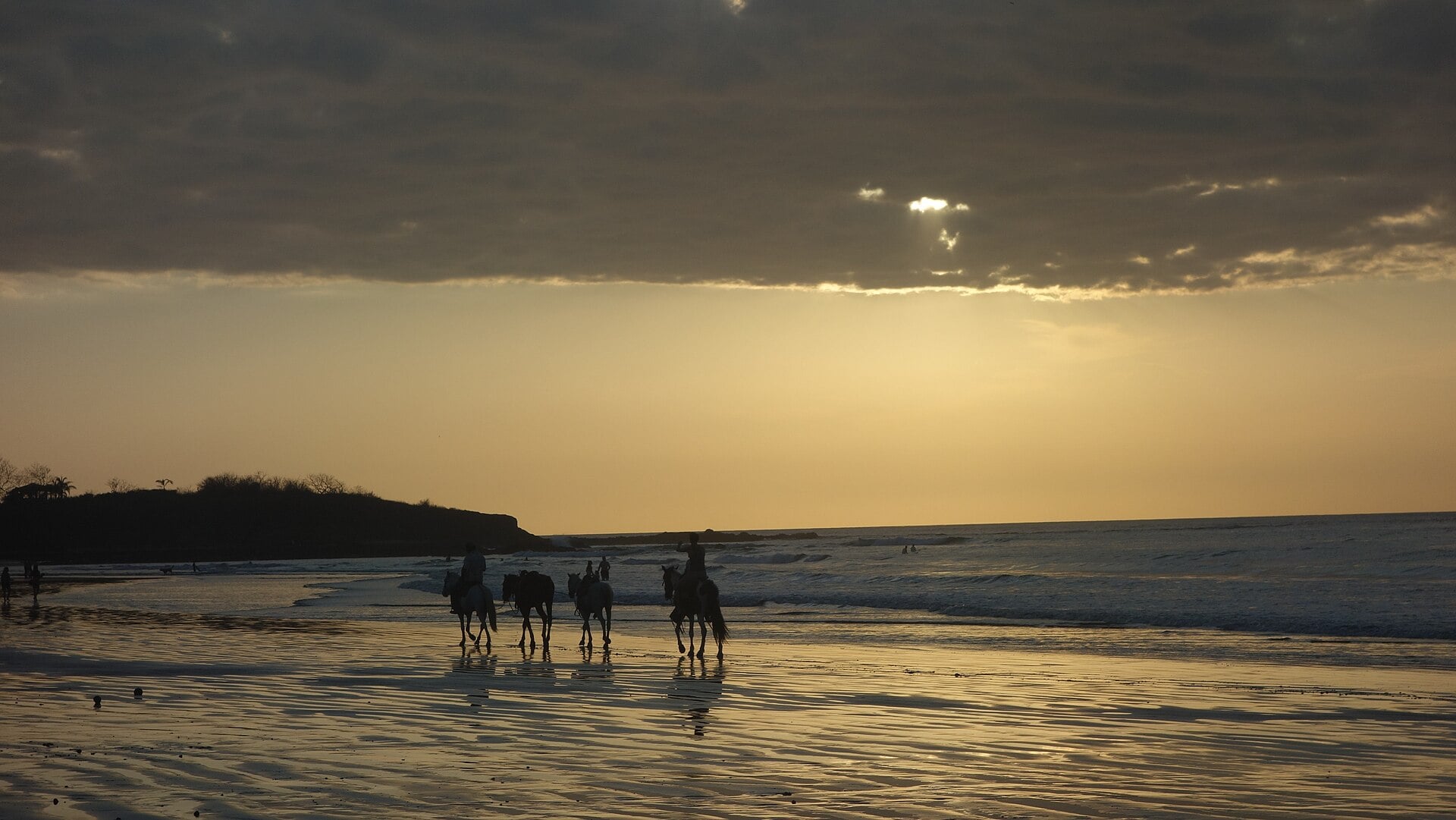
Guanacaste in the north-west has the country’s clearest dry season. Many foreigners choose Tamarindo and nearby beaches for the sunshine and the surf. The province recorded 79 homicides in 2025, fewer than Alajuela, Puntarenas, Limón and San José, though more than Cartago (62) and Heredia (35).
The trade-offs are heat and services. Ask your landlord about water supply during the dry season.
3. Central and Southern Pacific: Jacó, Uvita and Beyond
Puntarenas province covers a long stretch of Pacific coast. It recorded 130 homicides in 2025, down from 153 in 2024, the biggest improvement of any province according to the OIJ. The climate is humid, and the rainy season is long.
Buyers often like the scenery and the lower density. Distance is the practical cost, because specialist care and the main airport are far from the southern beaches.
4. Caribbean Coast: Puerto Viejo and Limón
The Caribbean has a distinct culture, reggae and forest on the doorstep. It also has heavy rain and no defined dry season. Limón province recorded 172 homicides in 2025, a rate of 37.7 per 100,000, according to the OIJ, and the central district of Limón alone had 63 victims.
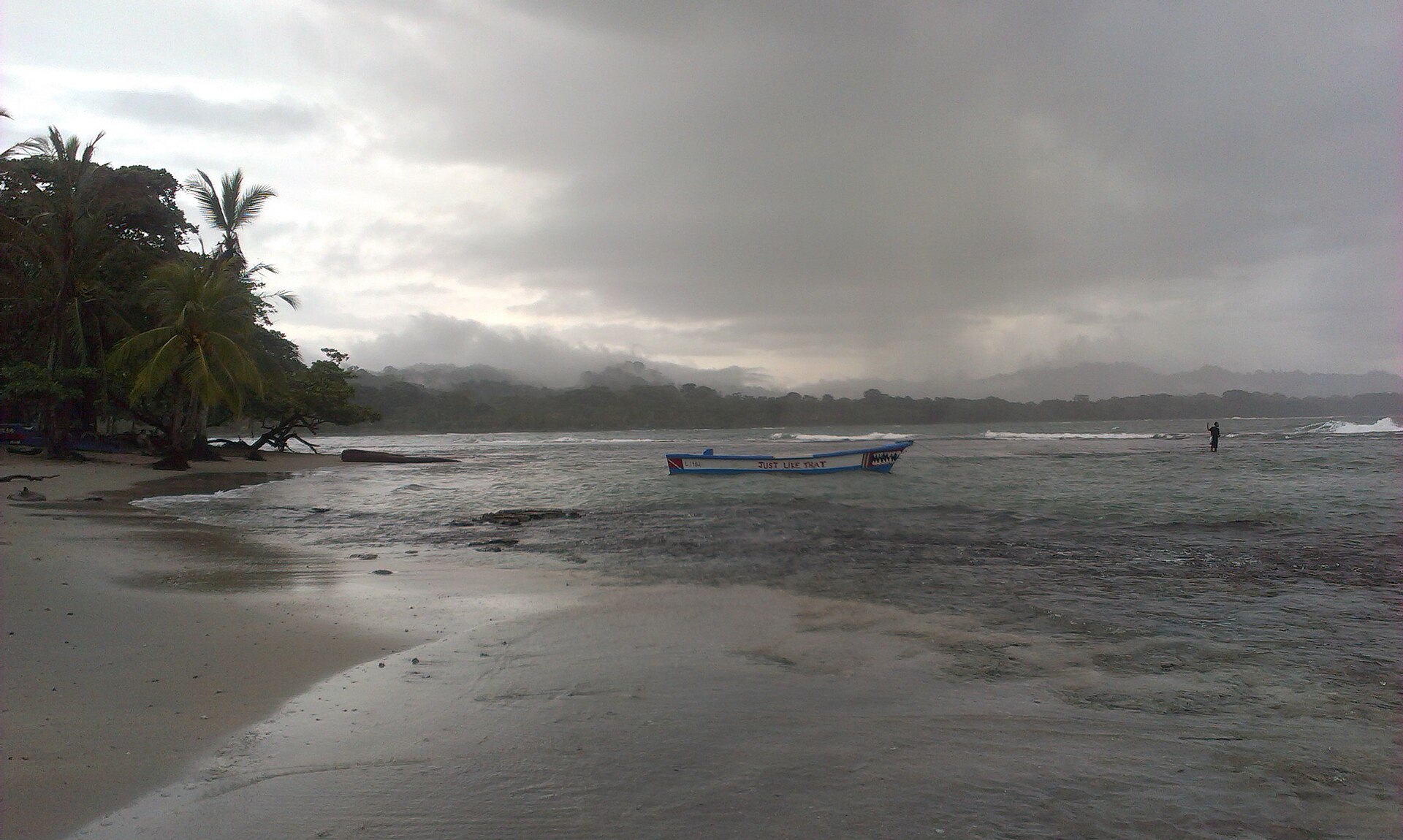
That does not mean every Caribbean town carries the same risk. It does mean you should rent for a month, ask neighbours about night-time safety and avoid assuming that the beach resort and the port city are the same place.
Safety, Visas and Health Cover for Americans
The US State Department rates Costa Rica Level 2, “Exercise Increased Caution”, because of crime. It says petty crime is common and that violent crime also affects tourists. Nationally, the OIJ counted about 2.4 homicides a day in 2025.
Residency depends on income. The pensionado category asks for a lifetime pension of at least US$1,000 a month. The rentista category asks for US$2,500 a month guaranteed for two years (or a qualifying bank deposit), and the investor category starts at US$150,000. Check current figures with Migración before you apply.
Remote workers can use the digital nomad visa under Law 10008. It requires proof of US$3,000 a month, or US$4,000 for a family, lasts one year and can be renewed once. Holders may not work for Costa Rican clients, and the visa does not lead to permanent residence.
Residents in the pensionado, rentista and investor categories must pay into the public health fund, the CCSS. Medicare generally does not pay for care in Costa Rica. For more, read our Costa Rica safety guide for expats and retiring in Costa Rica, or return to the Costa Rica hub.
What to Watch
Security policy is the main variable. Costa Rica and the United States have been deepening cooperation on crime, as we reported in our security cooperation story. The OIJ publishes monthly homicide counts, and a sustained fall would change the ranking above.
What It Means for You
If you want a quiet life with good care, rent in the western Central Valley first and look at the coast second. Budget for the CCSS contribution if you qualify as a resident. Visit in the wet season before you commit, because the same street can feel very different in October and in March.
What Is Not Known
We could not confirm average rents by area, canton-level homicide rates or current CCSS contribution rates from official sources. Residency figures come from immigration guides and may change. We will update this guide when those numbers are published.
Frequently Asked Questions
What is the best place to live in Costa Rica for expats?
For most American expats, the western Central Valley around Escazú, Santa Ana and Heredia is the best base, because it combines a mild climate with hospitals and shops. The Guanacaste coast ranks second for beach life. The Caribbean ranks last on safety and rain.
Is Costa Rica safe for American expats?
Costa Rica is rated Level 2, “Exercise Increased Caution”, by the US State Department because of crime. The OIJ, the national criminal investigation agency, counted 873 homicides in 2025, a rate of 16.7 per 100,000 people. Risk varies widely by area, and Limón province had a rate of 37.7.
How much income do you need for Costa Rican residency?
The pensionado category asks for a lifetime pension of at least US$1,000 a month, and the rentista category asks for US$2,500 a month guaranteed for two years (or a qualifying bank deposit). The investor category starts at US$150,000. Rules change, so confirm the current figures with the immigration authority, Migración.
Is there a digital nomad visa for Costa Rica?
Yes. Law 10008 created a visa for remote workers who earn from abroad, with proof of US$3,000 a month, or US$4,000 for a family. It lasts one year and can be renewed once. It does not lead to permanent residence, and holders may not work for Costa Rican clients.
Do foreign residents have to pay into Costa Rica’s public health system?
Pensionado, rentista and investor residents must contribute to the national social security fund, the CCSS. A bill to exempt them was rejected in 2024, according to the law firm Costa Rica Law. Contribution amounts depend on declared income, so ask the CCSS or a lawyer for your figure.
Will Medicare pay for care in Costa Rica?
No. Medicare generally does not cover health care outside the United States, according to Medicare.gov. Americans usually rely on the CCSS, private insurance or both.
Sources
- CRHoy, OIJ closes 2025 with 873 homicides, January 2026
- El Observador, OIJ homicide count 2025 by province
- El Observador, Limón homicide rate (OIJ)
- US State Department, Costa Rica travel advisory (Level 2, 2 April 2026)
- Costa Rica Law, CCSS contributions for resident categories, 24 April 2024
- CRIE, digital nomad visa under Law 10008
- Medicare.gov, travel outside the US
- Costa Rican immigration authority (Migración), residence categories