By South China Morning Post | Created at 2026-08-11 22:12:38 | Updated at 2026-08-11 23:09:18
1 hour ago
By South China Morning Post | Created at 2026-08-11 22:12:38 | Updated at 2026-08-11 23:09:18
1 hour ago
Defence experts say PLA carrier fleet is expected to complement land-based forces and extend reach into the western Pacific and beyond
Published: 6:00am, 12 Aug 2026
Having marked its 99th anniversary on August 1, the People’s Liberation Army is now just a year away from its centenary goals, with its evolution highlighting the past, present and future of China’s military strategy. In the sixth part of
a series, Gabriel Dominguez looks at Beijing’s evolving aircraft carrier doctrine.
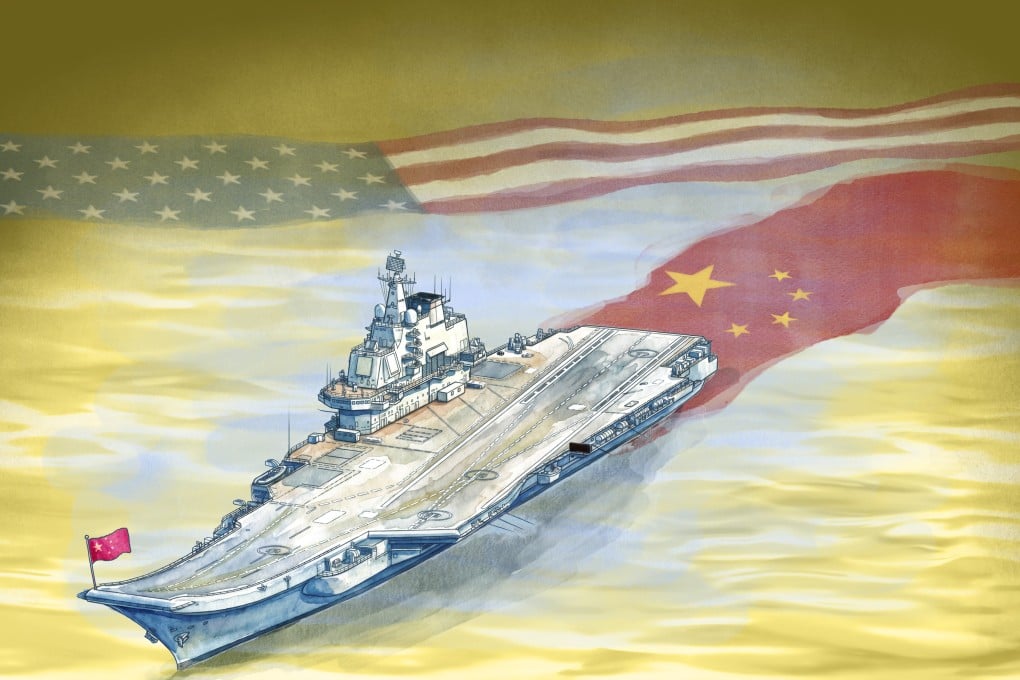
Debate over China’s aircraft carrier ambitions has long centred on how many carriers it will build, with the Pentagon last year estimating that Beijing planned to expand its fleet to nine by 2035.
Yet behind the high-profile ship launches, experts say quieter changes in pilot recruitment, command structures and fleet integration point to a carrier doctrine distinct from the American model.
“The biggest misconception among Western analysts is the tendency to evaluate the [Chinese navy] through the doctrinal mirror of the US Navy,” said Brendan Mulvaney, director of the China Aerospace Studies Institute.
“Just because they have the same kinds of equipment doesn’t mean they will use it in the same way as the US. Their goals, missions and challenges are different than ours; they will come up with Chinese solutions to Chinese problems.”
China’s carrier force is evolving under strategic conditions unlike those that shaped the American naval doctrine of using carriers to project power thousands of kilometres from home.
Instead, China’s carriers appear intended to complement its land-based air power, long-range anti-ship missiles, integrated air-defence systems and rocket forces along its coastline, and to extend the People’s Liberation Army’s reach farther into the western Pacific and beyond.