By Blockchain News | Created at 2026-08-10 20:07:57 | Updated at 2026-08-10 21:15:46
12 hours ago
By Blockchain News | Created at 2026-08-10 20:07:57 | Updated at 2026-08-10 21:15:46
12 hours ago
Rongchai Wang Aug 10, 2026 09:05
Bitcoin steadies at $65,191, showing resilience despite macro pressures. ETF inflows, Iran tensions, and market trends shape the crypto narrative.

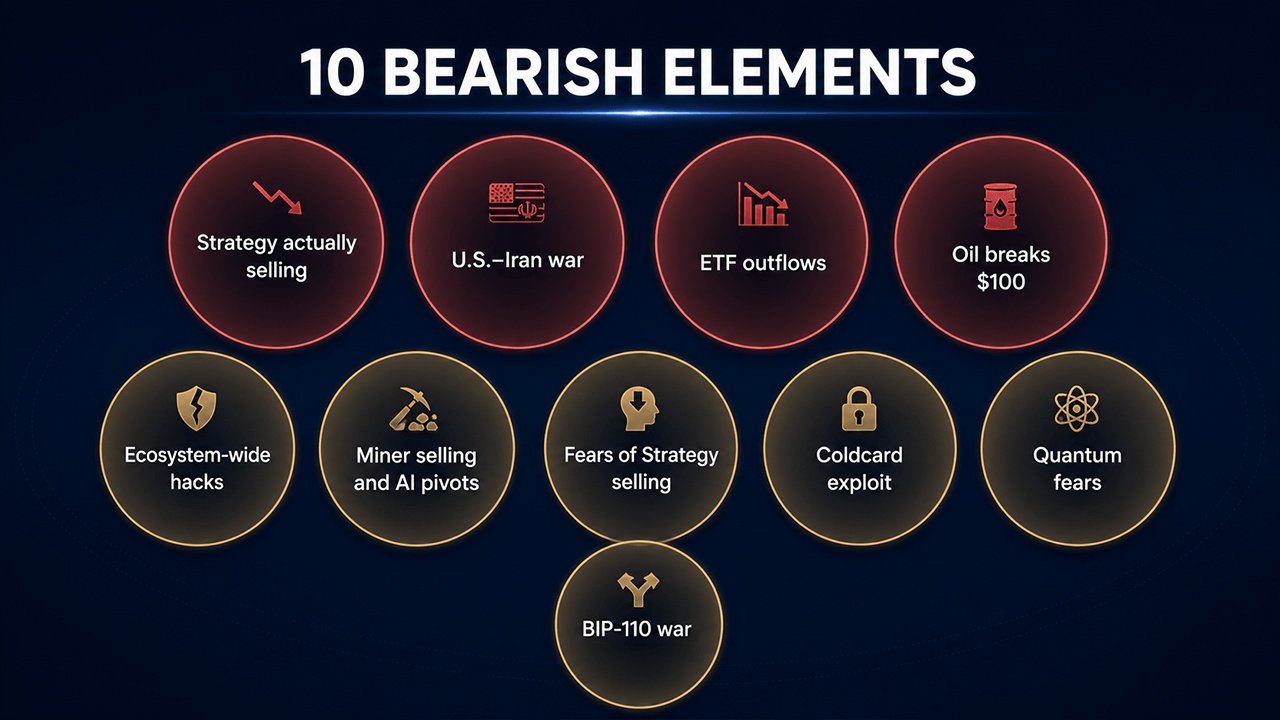
Bitcoin (BTC) is trading at $65,191 as of August 10, 2026, reflecting a slight 24-hour gain of 0.64%. This stability comes against the backdrop of ongoing geopolitical and macroeconomic pressures, including elevated oil prices driven by Iran-related tensions. Despite the challenges, BTC has maintained its position above the $65,000 mark, underscoring its resilience in the current market environment.
The crypto market’s steady performance follows a turbulent start to 2026, with Bitcoin recovering from late-June lows below $63,000. A key turning point came in early July when U.S. spot Bitcoin ETFs saw $265.69 million in inflows after a prolonged period of outflows. Improved macro sentiment—spurred by softer U.S. economic data and easing inflation fears—helped BTC regain its upward momentum at that time.
Ethereum (ETH), meanwhile, continues to underperform relative to Bitcoin. Trading at $1,624.95 on August 10, ETH lags in terms of price recovery, reflecting broader challenges in altcoin markets. CoinGecko’s Q2 2026 report noted a sector-wide pullback, including a $305.1 billion decline in stablecoin market cap, hinting at continued capital withdrawal from the crypto space.
Wintermute, a prominent OTC trading desk, provided insights into the current market dynamics. While not directly addressing Bitcoin’s performance, their commentary highlighted that their trading entities operate independently, focusing on proprietary trading without customer asset management. This distinction underscores a broader trend in the crypto market, where liquidity providers are adapting their models amid evolving regulatory landscapes.
Geopolitical factors also remain a critical variable. Bitcoin’s ability to hold steady despite rising oil prices—spurred by the Iran conflict—shows its growing appeal as a quasi-macro hedge. However, institutional investment flows, particularly into ETFs, continue to be a decisive factor. While early July inflows signaled renewed appetite, year-to-date data still paints a mixed picture, with some reports indicating net outflows for 2026.
Looking ahead, traders are likely to monitor macroeconomic developments alongside market-specific catalysts. Upcoming ETF flow data and any shifts in global risk sentiment could directly influence Bitcoin’s trajectory in the short term. For now, BTC’s ability to hold above $65,000 remains a key psychological and technical milestone for market participants.
Image source: Shutterstock