By The Rio Times | Created at 2026-09-19 08:26:43 | Updated at 2026-09-19 10:45:43
2 hours ago
By The Rio Times | Created at 2026-09-19 08:26:43 | Updated at 2026-09-19 10:45:43
2 hours ago
Bolivia · Economy
Key Facts
—What happened. Decree 5716 set one diesel price of Bs17.95 a litre (US$1.63) from 19 September.
—The rise. Transport operators and private drivers previously paid Bs9.80 (US$0.89), so the increase is 83 per cent.
—The loan. The Senate sanctioned the US$1.9 billion IMF credit on 18 September by over two thirds.
—The catch. The price now floats with import costs, so it can rise again without a new decree.
—Gasoline. Gasoline prices did not change, and AP reported gasoline subsidies end in January 2027.
—Next step. The government expects the IMF board to vote on 2 October, a deputy minister said.
Bolivia has removed what was left of its diesel subsidy, a day after Congress approved an IMF programme. Truckers, bus drivers and farmers now pay the same floating price as mining companies and large users.
One-stop reference
Company Intelligence
Every listed company in Latin America — financials, ownership and structure for 1,450+ companies across 26 exchanges, in one place.
Bolivia’s diesel price rose to Bs17.95 a litre on Saturday 19 September 2026 under Supreme Decree 5716. President Rodrigo Paz announced the change late on Friday, hours after the Senate approved a US$1.9 billion IMF credit.
What the Decree Changes at the Pump
Until Friday, transport operators and private motorists paid a subsidised Bs9.80 per litre of diesel. The new price of Bs17.95 includes value added tax and applies to every consumer, according to Unitel.
That is a rise of about 83 per cent for anyone who was paying the subsidised rate. Large consumers had paid a separate, higher rate under Decree 5676, issued in August.
La Voz de Tarija reported that decree set Bs18 per litre for large users such as agribusiness and mining. That rate was cut to Bs16.50 in early September, La Razon and Economy reported.
“From today, diesel will cost the same as it costs us to buy it abroad,” Paz said, AFP reported. He added that the price would fall if international prices dropped once conflicts abroad ended.
Dollar Figures and the Exchange Rate Used
All US dollar figures here use the Banco Central de Bolivia official rate of Bs11.00 per US dollar. The bank set that rate in table No. 175-26, and Red Uno reported it applies until Monday 21 September.
The old fixed rate of Bs6.96 ended in June 2026, and the official rate now changes daily. At Bs11.00, the new diesel price equals about US$1.63 a litre, against about US$0.89 before.
How the New Price Will Move
The decree replaces a fixed price with a formula tied to the cost of imported fuel. Tinformas reported that the formula includes international reference prices, transport, storage, margins and customs duties.
Unitel reported a tolerance band of five per cent in either direction around the current price. If import costs move by more than that, the pump price is adjusted up or down.
The Ministry of Hydrocarbons and Energy has five days to publish the detailed cost structure, Tinformas reported. Until that table appears, drivers cannot check how the Bs17.95 figure was built.
Why the Government Moved Now
Paz said subsidies, mainly on diesel, cost about US$55 million a week, AFP and AP reported. He argued that the gap with neighbouring countries fed smuggling and caused queues at filling stations.
“The criminals’ business is over,” he said, in remarks reported by Infobae and La Patria. AP reported that Bolivia imports about 85 per cent of the diesel it consumes.
The timing was earlier than expected, because the IMF memorandum pointed to fuel subsidies ending in 2027. Infobae reported on 10 September that prices were to stay frozen until December 2026 under that plan.
Gasoline Stays Where It Is for Now
The decree covers diesel only, and gasoline prices were not changed on Saturday. AFP reported that a decision on gasoline was still pending after the diesel announcement.
AP reported that gasoline would remain subsidised until December and lose its subsidy from January 2027. The government has not published a decree or a price for gasoline from that date.
The Compensation Package
Paz announced a second cash transfer, Bono Pepe II, worth Bs874 million (about US$79.5 million) in total. Visión 360 reported that it would reach about 2.9 million people.
That works out at roughly Bs300 (about US$27) per person on average, by Rio Times arithmetic. Visión 360 noted that Paz did not explain who qualifies or how the money will be paid.
A preferential credit line of Bs800 million (about US$72.7 million) targets transport operators, traders, artisans and producers. Red Uno reported an annual interest rate of about six per cent on those loans.
Farm producers can also seek direct credits of Bs50,000 to Bs400,000 (about US$4,545 to US$36,364). The Juancito Pinto school grant rises from Bs200 to Bs300 per pupil (about US$18 to US$27).
Import tariffs on capital goods, seeds, drones, farm equipment and industrial plants are removed. A tax amnesty is extended by 120 days, which the government says covers more than 200,000 taxpayers.
How Unions and Transport Groups Reacted
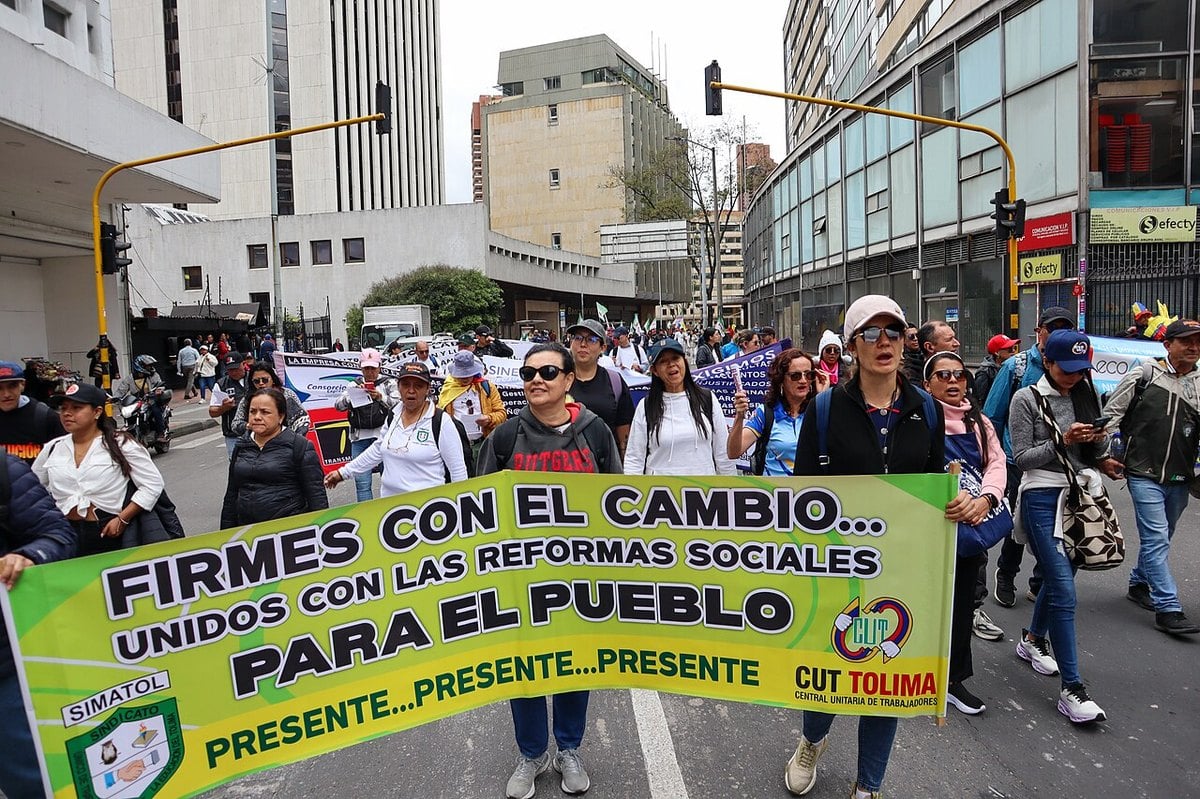
AFP reported that farmers, drivers and other productive sectors rejected the measure in advance and announced protests. No national strike date had been set by Saturday, based on the reports reviewed.
Congress had extended a state of exception by 90 days on 17 September, citing threatened blockades. AP reported that the Central Obrera Boliviana rejected the external borrowing and warned of higher inflation.
It threatened to revive protests, AP said, after 53 days of unrest in June and July. On 18 September, heavy transport leader Pedro Quispe told Unitel there should be one diesel price for everyone.
In Potosí, drivers’ leader Juan José Flores Barahona warned fares could reach Bs5 (about US$0.45) with unsubsidised fuel. Bakers were already under pressure before the decree, because of higher flour costs.
On 14 September, bakers’ federation head Ever Baltazar said a bread roll could rise from Bs0.80 to Bs1.35. No reaction from the bakers to the diesel decree itself had been reported by Saturday.
The Senate Vote on the IMF Programme
The Senate approved the loan law on Friday 18 September, a day after the Chamber of Deputies. Economy.com.bo reported that the vote passed by more than two thirds, with no individual count published.
Senate president Diego Ávila declared the law approved and sanctioned and sent it to the executive for promulgation. The programme is an Extended Fund Facility of 1,369 million special drawing rights, or about US$1.9 billion.
Deputy Treasury Minister Óscar Navarro said the government expects IMF board approval on 2 October, AFP reported. He said a first disbursement of about US$250 million could follow within days.
What It Means If You Live, Drive or Invest in Bolivia
Anyone running a diesel vehicle should budget for fuel costs that are about 83 per cent higher. Freight rates, bus fares and food prices are the most likely channels for second-round effects.
The floating formula means companies can no longer treat diesel as a fixed cost in Bolivian contracts. Investors gain a clearer fiscal path, since the subsidy bill was one of the largest drains on reserves.
Economy Minister Christian Morales has said inflation could reach 10 to 14 per cent in 2027, Prensa Mercosur reported. He called that range a ceiling the government had set, citing IMF projections.
AP put last year’s inflation near 20 per cent. Twelve-month inflation stood at 5.02 per cent in August, according to the statistics institute.
What Is Not Yet Known
The eligibility rules and payment dates for Bono Pepe II have not been published. The ministry’s cost table behind the Bs17.95 price is also still pending.
It is unclear whether transport unions will raise fares nationally or call a strike. The IMF board date of 2 October is a government expectation, not an IMF announcement.
Frequently Asked Questions
How much does diesel cost in Bolivia now?
Diesel costs Bs17.95 a litre from 19 September 2026, about US$1.63 at the central bank rate. The price includes value added tax and will now move with import costs.
Did gasoline prices go up as well?
No, gasoline prices were not changed by Decree 5716. AP reported that the gasoline subsidy is due to end in January 2027.
Who gets the Bono Pepe II payment?
The government says about 2.9 million people will share Bs874 million, or about US$79.5 million. It has not yet published eligibility rules or a payment method.
When will the IMF release money to Bolivia?
The government expects the IMF board to vote on 2 October 2026. A first disbursement of about US$250 million could follow within days, the deputy treasury minister said.
Sources: Unitel, diesel price rises to Bs17.95 under Decree 5716, AFP via Unitel, Bolivia removes diesel subsidy and IMF board timing, Red Uno, compensation package for diesel subsidy removal, Visión 360, Bono Pepe II amount and beneficiaries, Economy, Senate sanctions IMF credit, AP via La Nación, gasoline timeline and union reaction, Tinformas, price formula and ministry deadline, Banco Central de Bolivia, official exchange rate table