By The Rio Times | Created at 2026-09-29 08:27:05 | Updated at 2026-09-29 09:36:53
1 hour ago
By The Rio Times | Created at 2026-09-29 08:27:05 | Updated at 2026-09-29 09:36:53
1 hour ago
The LatAm Brief
One email, every weekday morning. What moved in Latin American markets, politics and expat life.
Yesterday’s subject line: “Argentina gives Britain two weeks over Falklands oil”
Free. We send a confirmation link first — nothing arrives until you click it. Unsubscribe with one click in any edition. If you stop opening us for 30 days we stop sending by ourselves, as we assume the interest is no longer there. See our privacy policy. We never share your email.
ECONOMY · BOLIVIA
Key Facts
- —The country Bolivia, 12 million people, floated its currency in June 2026 and ended fixed-price diesel on 19 September. Most food reaches markets by diesel truck.
- —What happened On Monday 28 September, a La Paz mother told Unitel she needs double her old food budget. INE put August inflation at 1.10 percent, 5.02 percent over twelve months.
- —The numbers The minimum wage is Bs 3,300 (about US$275) a month. Red Uno found Santa Cruz chicken at Bs 19 a kilo (about US$1.58) on 21 September, from Bs 12 (about US$1.00).
- —What it means for you Bolivia food prices hit anyone paid in bolivianos; dollar earners feel little change. Fares and delivered goods also cost more.
- —Still open INE publishes September inflation in early October, the first official reading after the diesel change. Wage demands of Bs 4,500 to Bs 5,000 (about US$374 to US$416) are unanswered.
Bolivia food prices are climbing faster than wages, and some families in La Paz say their market budget has roughly doubled. The complaints come ten days after the government ended cheap diesel, the fuel that moves most of the country’s food.
Free daily brief — no card needed
Get every Bolivia story in one morning email
We build you a personalized brief around the topics you follow — free for 7 days. Love it? Your first month after that is US$1.
Yes, email me my free daily brief — I can unsubscribe any time.
Official data have not yet caught the change. The national statistics institute, known as INE, put inflation at 1.10 percent in August and 5.02 percent over twelve months.
One-stop reference
Company Intelligence
Every listed company in Latin America — financials, ownership and structure for 1,450+ companies across 26 exchanges, in one place.
What families told reporters
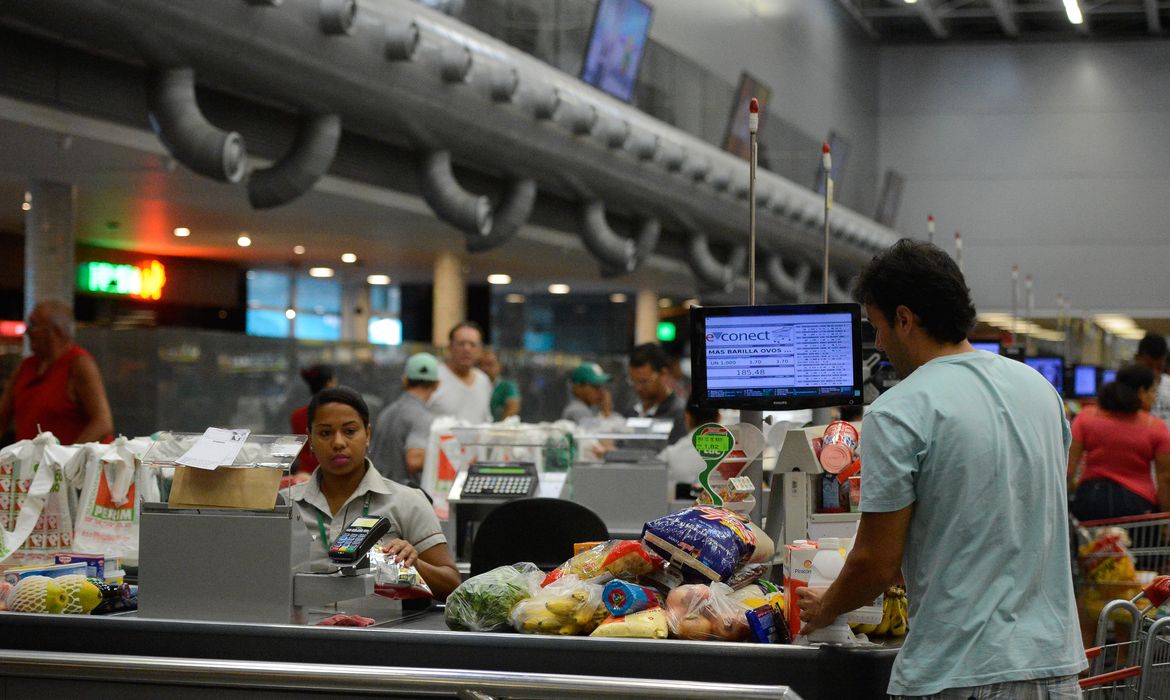
Mothers shopping in La Paz markets on Monday described the squeeze to the television channel Unitel. One said Bs 200 (about US$17) used to cover her shopping. Now, she said, she sets out with almost a whole wage.
Another, feeding six people, said the household needs at least Bs 700 (about US$58) a week. A third said she now needs “double the budget”, at least Bs 500 (about US$42).
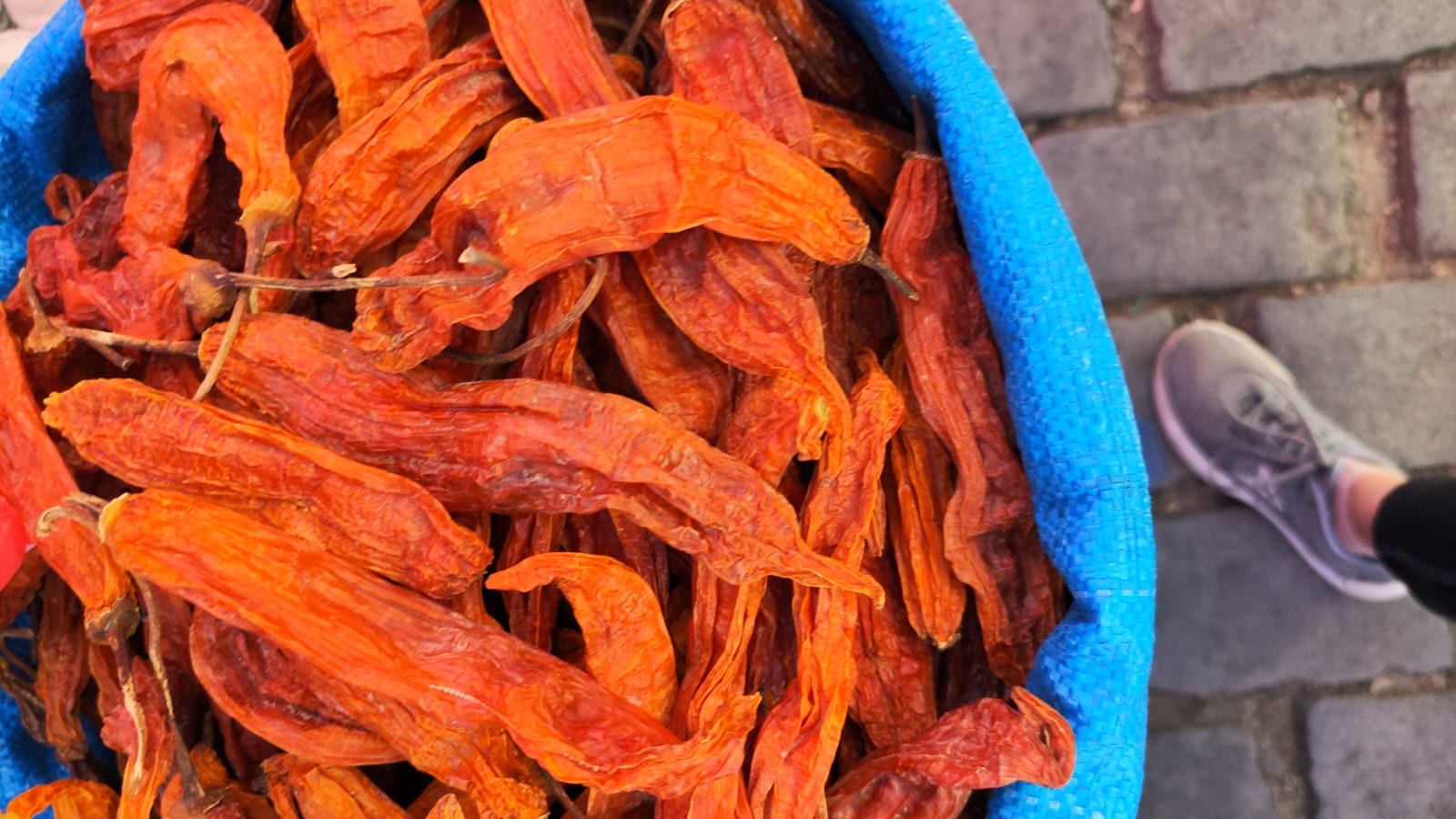
In Santa Cruz, Bolivia’s largest city, the channel Red Uno checked market prices on 21 September. Rice had risen from Bs 7 to Bs 15 a kilo (about US$0.58 to US$1.25).
A tray of eggs went from Bs 24 to Bs 30 (about US$2.00 to US$2.50), Red Uno reported. Neither channel’s check is an official price index.
What the official figures show
INE’s figures tell a calmer story so far. Consumer prices rose 3.01 percent between January and August, helped by a 2.79 percent fall in July.
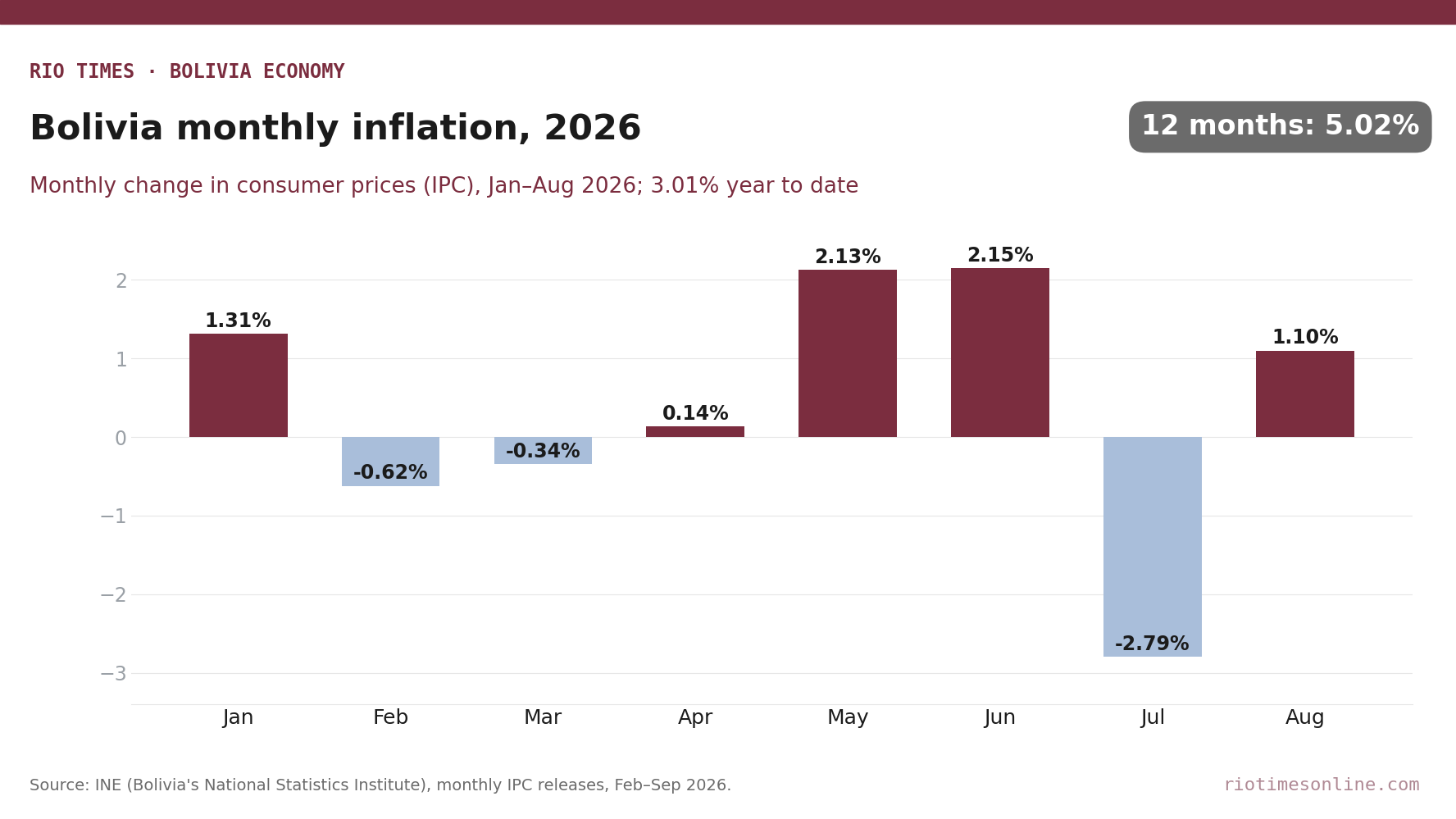
August’s rise came mainly from chicken, INE said, after 53 days of road blockades delayed restocking at poultry farms. Prices eased again from the second week of the month.
September data will first show the diesel change (Bolivia Diesel Subsidy Ends: Price Rises 83% as Fuel Queues Shrink). Diesel went from Bs 9.80 to Bs 17.95 a litre (about US$0.82 to US$1.49) on 19 September.
A minimum wage worth less in dollars
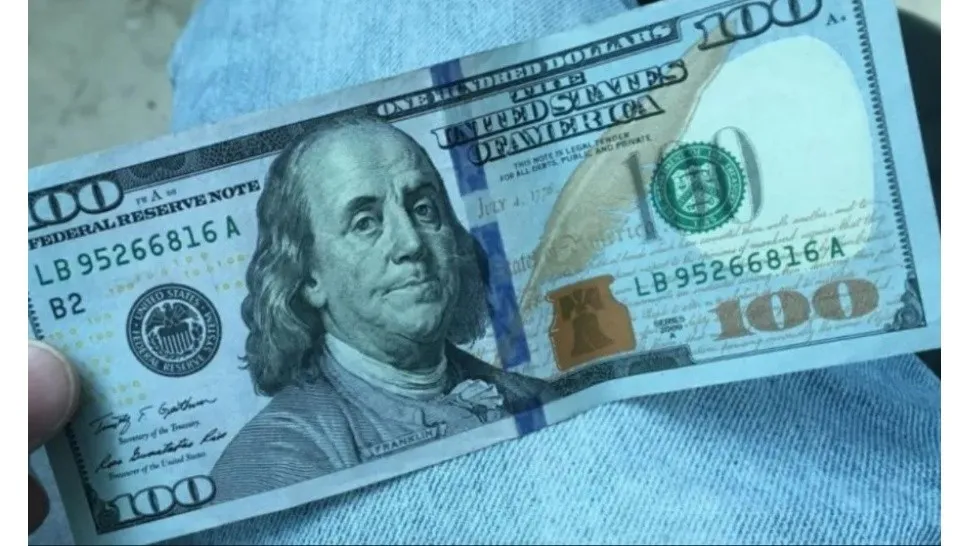
The national minimum wage has been Bs 3,300 (about US$275) a month since January 2026. President Rodrigo Paz raised it from Bs 2,750 (about US$229).
At the old fixed rate of 6.96 bolivianos to the dollar, that wage was worth about US$474. The peg ended in June. The central bank (BCB) set its official rate at Bs 12.02 per US dollar on 29 September.
Pressure for a raise is building. Víctor Tarqui of the drivers’ confederation told the agency ANF on 21 September the minimum should reach Bs 4,500 (about US$374).
In Tarija, deputy Richard López of the Unidad alliance proposed Bs 5,000 (about US$416), eju.tv reported on 26 September. The government has not responded to either figure.
The case for the reform
The government says the old diesel price cost the state heavily and invited theft. “We cannot buy expensive to sell cheap so that a few can steal it,” Paz said, as quoted by Bloomberg Línea.
Fuel queues that ran for days were shrinking, Unitel reported on 20 September. In December 2025 Paz had also lifted the Renta Dignidad pension from Bs 350 to Bs 500 (about US$29 to US$42) a month, Montero Noticias reported.
Economists still expect a jump in prices. Fernando Romero, a former head of Tarija’s college of economists, told Bloomberg Línea inflation could end 2026 at 17 to 20 percent.
The official projection is 14 percent, the outlet reported, and 2025 closed at 20.4 percent. For the earlier trend, see Bolivia Inflation Slows as Boliviano Loses Value.
What Is Not Yet Known
How far Bolivia food prices rise from the diesel change stays unclear until INE publishes September data in early October. Market checks by television channels are snapshots, not a national measure.
The government has not said whether it will revisit the minimum wage. Fare talks are also open (Bolivia Transport Strike Stops Santa Cruz as Drivers Head to Diesel Talks).
Sources: Unitel (28 Sep 2026); INE (3 Sep 2026); Red Uno (21 Sep 2026); Red Uno, BCB rate (29 Sep 2026); Bloomberg Línea (22 Sep 2026); eju.tv (26 Sep 2026); ANF (21 Sep 2026); El País (Tarija) (27 Sep 2026); Montero Noticias (6 Aug 2026); Unitel (20 Sep 2026). US$ conversions at the BCB official rate of Bs 12.02 per US dollar, 29 Sep 2026. Chart: INE monthly IPC releases, January–August 2026.
The Rio Times · Power Map
See who really holds power in Latin America
Click to open the Power Map →