By The Rio Times | Created at 2026-08-12 21:06:47 | Updated at 2026-08-12 23:44:23
2 hours ago
By The Rio Times | Created at 2026-08-12 21:06:47 | Updated at 2026-08-12 23:44:23
2 hours ago
Bolivia · Currency
Key Facts
- —The shift In late June, Bolivia replaced a fixed exchange rate it had held for about 15 years.
- —The old peg The dollar had been fixed near Bs 6.96 for a decade and a half.
- —The new start The flexible regime began around Bs 9.73 and the rate has moved daily since.
- —The recent slide By August 11, the central bank set the official rate at Bs 11.77, a sixth straight decline.
- —The tools The central bank now buys, sells and auctions dollars to smooth the swings.
After 15 years of a frozen exchange rate, Bolivia let the dollar move. Weeks in, the official rate is drifting lower, day by day.
One-stop reference
Company Intelligence
Every listed company in Latin America — financials, ownership and structure for 1,450+ companies across 26 exchanges, in one place.
Bolivia’s currency now shifts daily under a new managed regime. For fifteen years, one number in Bolivia barely moved: the price of a US dollar.
That certainty is gone. And in early August the official rate has been sliding lower, one small step at a time.
The end of Bolivia’s currency freeze
For about fifteen years, Bolivia pinned its currency, the boliviano, to the dollar at roughly Bs 6.96. That stability was a point of pride, but it came at a mounting cost as dollars grew scarce.
In late June, the government finally let go, moving to a flexible, managed exchange rate.
Why the peg had to give
A fixed rate only works if a country has the reserves to defend it. Bolivia’s were running dry.
Dollars became hard to find, and a gap opened between the official rate and the black-market price. Holding the old peg was starving the economy of the hard currency it needed to import and trade.
How the new regime works
The new system is not a free float, where the market alone sets the price. It is managed.
The central bank publishes an official rate that can change daily, guided by conditions and intervention. It began around Bs 9.73, already far above the old peg, acknowledging how overvalued the fixed rate had become.
The recent slide, explained
After the jump, the official rate has lately been easing back down, not up. That is the surprising part.
In early August it fell in steps: from Bs 12.15 at the end of July toward Bs 11.86. Then Bs 11.77 by August 11.
Officials counted it as a fifth or sixth consecutive daily decline, a sign the initial shock may be settling.
What the central bank is doing
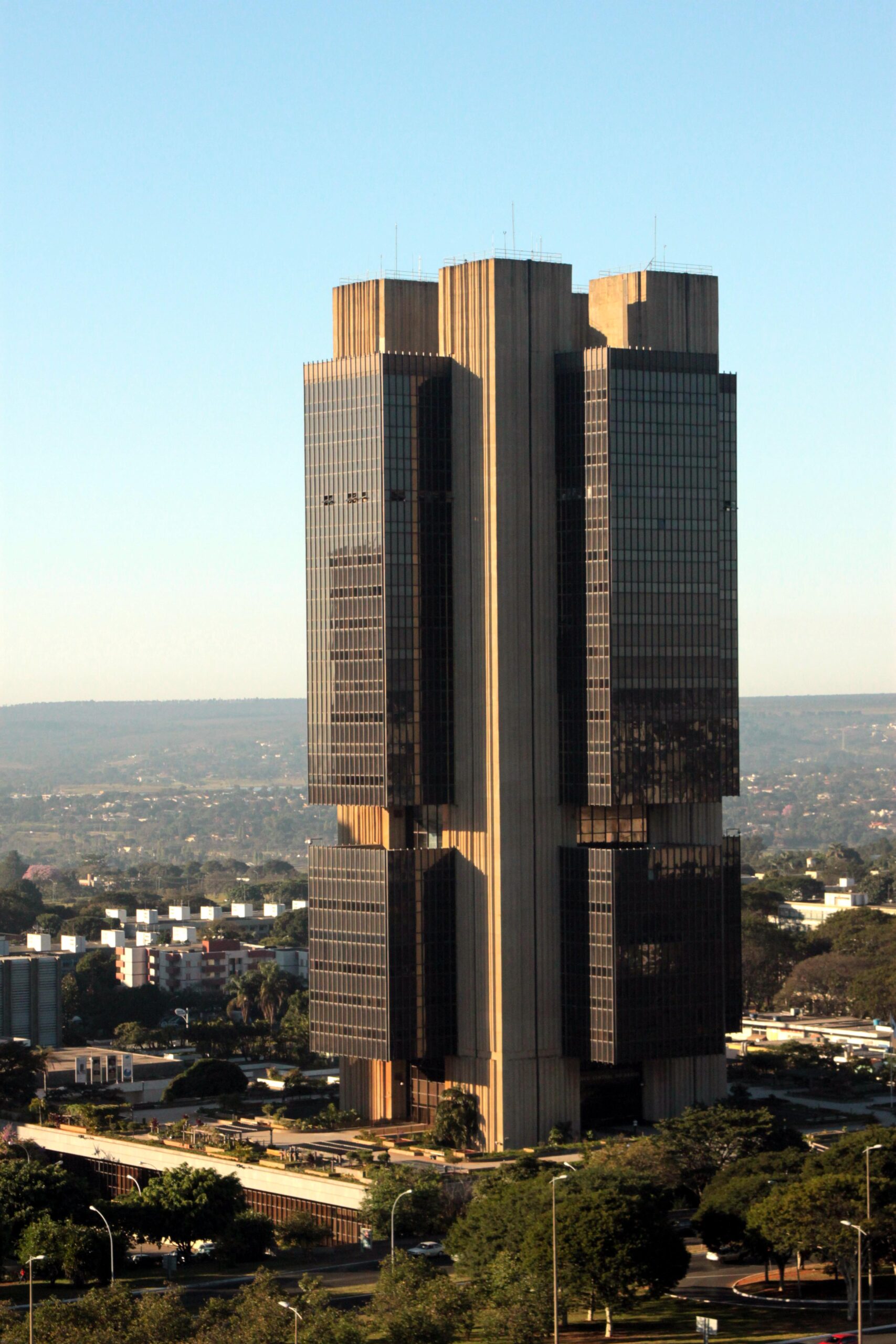
The central bank is not a passive bystander in this. It actively manages the market.
At the end of July it approved rules to buy, sell and auction dollars with financial institutions. The aim is to smooth abrupt swings and rebuild reserves, rather than let the rate lurch wildly.
What it means for ordinary Bolivians
For families and businesses, the change is deeply personal. Prices, savings and imports all hinge on the rate.
A more realistic exchange rate can ease shortages by making dollars available through official channels. But it can also raise the cost of imported goods, a painful adjustment after years of artificial calm.
A gamble on credibility
The whole experiment rests on trust. Bolivians must believe the new rate is fairer and more durable than the old one.
Every daily decline in the official rate is, in a sense, the government trying to prove the system works. If confidence holds, the gap with the black market narrows.
If it breaks, pressure returns fast.
The wider economic backdrop
The currency move does not happen in isolation. Bolivia has wrestled with dwindling gas exports and thin reserves.
Fixing the exchange rate was only ever one symptom of a deeper squeeze on dollars. The reform buys flexibility, but the underlying challenge of earning more foreign currency remains.
Why outsiders are watching
Investors and neighbours watch currency reforms closely, because they signal how a government handles pain. A managed transition, rather than a chaotic collapse, is the outcome markets prefer.
So far, Bolivia’s steady daily adjustments look more like management than panic.
What to watch next
The key signal is whether the official rate stabilizes and the black-market gap keeps shrinking. Also watch the central bank’s reserves, the ultimate measure of whether the new regime is sustainable.
For now, Bolivia is learning, in real time, what it means to let its currency breathe.
How a peg quietly distorts an economy
A frozen rate feels stable, but it hides pressure that builds underneath. When the official price of dollars is too cheap, everyone wants them, and they disappear.
Black markets fill the void, and businesses waste time hunting for currency instead of growing.
The political courage it takes
Ending a long-standing peg is politically dangerous. People notice instantly when imported prices move.
Governments often cling to fixed rates far too long precisely to avoid that backlash. That Bolivia moved at all signals how untenable the old arrangement had become.
Lessons from the neighbourhood
Latin America has a long, hard history with currency shocks, from Argentina to Venezuela. The lesson most economists draw is that gradual, managed adjustment beats a sudden collapse.
Bolivia’s daily, incremental approach looks like an attempt to heed that lesson.
Frequently Asked Questions
What did Bolivia change?
In late June it replaced a roughly 15-year fixed exchange rate with a flexible. Managed regime in which the official dollar rate can move daily.
What was the old rate?
The boliviano had been pinned near Bs 6.96 to the dollar for about fifteen years.
Why did the peg end?
Bolivia ran short of dollars to defend it, and a large gap opened between the official rate and the black market.
What is happening to the rate now?
After an initial jump, the official rate has been easing lower, reaching Bs 11.77 on August 11, a sixth straight daily decline.
How does the central bank manage it?
It publishes a daily official rate and buys, sells and auctions dollars to smooth swings and rebuild reserves.
Sources: Banco Central de Bolivia; Reuters; Bloomberg; Bolivian press.