 By The Rio Times | Created at 2026-10-19 11:06:29 | Updated at 2026-10-19 12:34:59
1 hour ago
Brazil Economy · Agribusiness
Published Monday, 19 October, 6:45 am ET · Source: Serasa Experian
Key Facts
—The number. Brazilian farmers and agribusiness companies filed 448 requests for court-supervised debt restructuring in the second quarter of 2026.
—What changed. Filings fell 20.7% from 565 a year earlier and 5.5% from 474 in the first quarter, ending three straight second-quarter increases from 2023 to 2025.
—Where. Mato Grosso, Brazil’s top grain and cattle state, had 107 filings, ahead of Goiás with 84 and São Paulo with 72.
—Why it matters. Brazil competes with American farmers in world soybean markets, so strain among its farm borrowers matters to lenders and suppliers.
—Still unknown. Whether the fall lasts, as the business climate for farmers remains challenging, with high costs and selective credit.
—Power Index Brazil ranks 1st of 14 in The Rio Times Latin America Power Index, with 75.0 points (October 2026 edition).
Prediction markets · who wins the runoff
Implied chance of winning Brazil’s presidency on 25 October, from traders’ prices.
Polymarket
Flávio Bolsonaro 77% · Lula 22.5% (US$188 million traded)
Kalshi (regulated in the US by the CFTC)
Flávio Bolsonaro 80% · Lula 21%
As of 19 October, 6:40 am ET (11:40 Lisbon), updated every 20 minutes. Prices are bets, not polls, and can move fast.
Why we show this: prediction markets turn real-money bets into a live probability that moves within minutes of the news, which is why investors, campaigns and newsrooms in the United States now follow them closely. We show them next to polls and official results, never instead of them.
Brazil’s farm sector filed 448 requests for court-supervised debt restructuring in the second quarter, 20.7% fewer than a year earlier, the credit bureau Serasa Experian said on Monday, 19 October. It ends three straight second-quarter increases, from 2023 to 2025, and follows 474 filings in the first quarter of 2026.
The filings, called recuperação judicial in Brazil, are similar in purpose to Chapter 11 in the United States: a court shields a struggling borrower from creditors while it negotiates a plan. The data offer a rare reading on debt stress in the farm sector of Brazil’s economy, where high costs and tight credit have weighed on producers.
What Serasa Experian Counted
The 448 filings come from three groups: rural producers who are individuals, rural producers that are companies, and other businesses along the farm supply chain. Serasa Experian is one of Brazil’s largest credit bureaus.
- Individual producers: 197 filings, down 10.5% from 220 a year earlier.
- Producer companies: 160 filings, down 34.2% from 243.
- Other agribusiness companies: 91 filings, down 10.8% from 102.
Individual producers classed as having no property filed 70 requests, the most of any size group. Large landowners followed with 51.
Follow this story
Get an email when there’s news on Brazil economy
Free. One email a day at most, and only when there is news. This also signs you up to our weekday newsletter, The LatAm Brief. Nothing arrives until you click the confirmation link, and you can stop either with one click. Privacy policy.
Where the Filings Are
Mato Grosso, Brazil’s leading producer of grains, oilseeds and cattle, again topped the list with 107 filings. Goiás had 84, São Paulo 72, Minas Gerais 54 and Paraná 42.
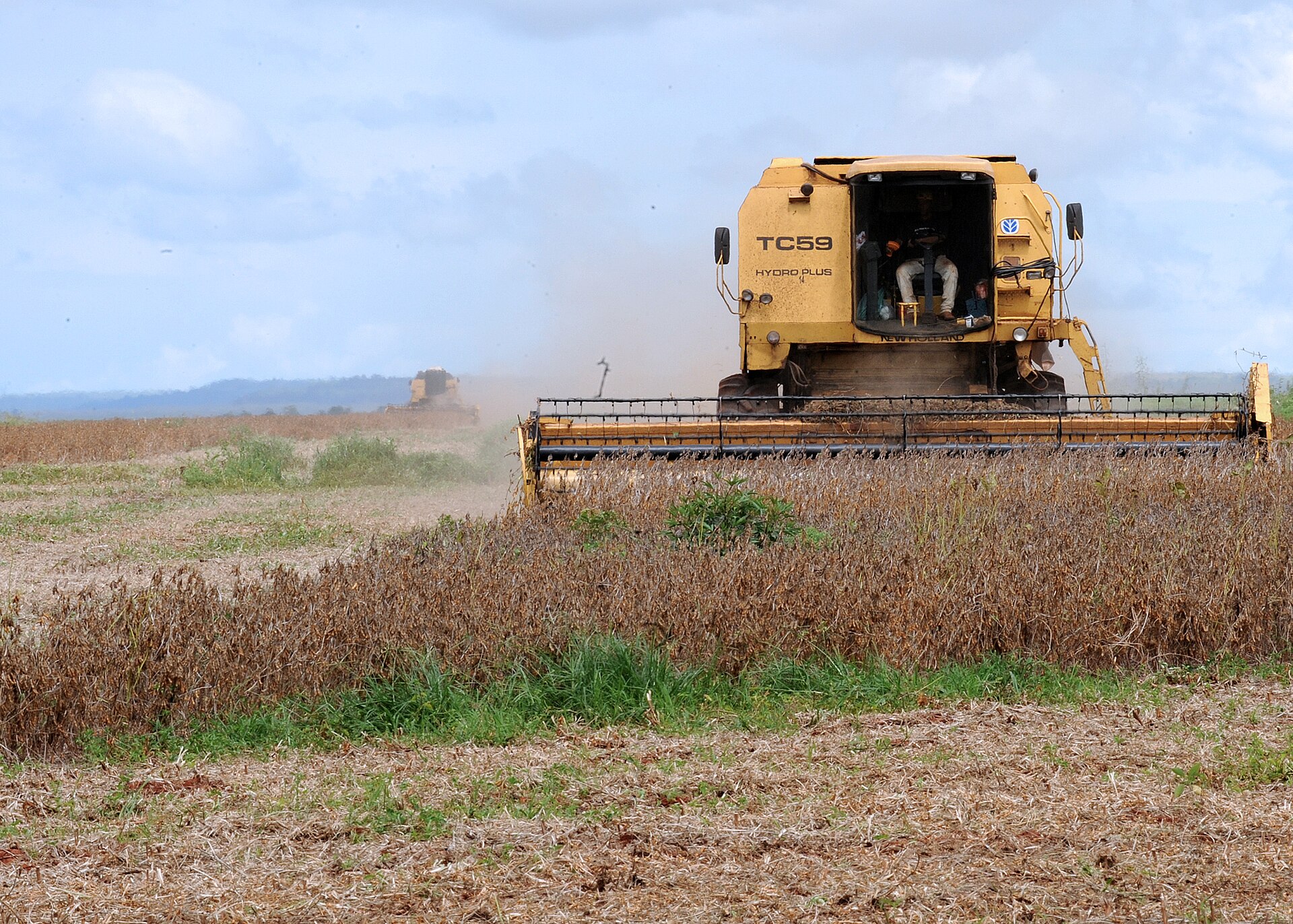
Among producer companies, soybean farming accounted for 70 of the 160 filings and cattle raising for 28. Soy is Brazil’s main crop; see our report on the 2026 harvest estimate.
Why Serasa Experian Urges Caution
Marcelo Pimenta, head of agribusiness at Serasa Experian, said the decline should be read with caution. He said it may reflect a period of higher income for some producers, the seasonality of farm work and progress in renegotiations with creditors.
“It is important to watch whether this reduction will be sustained in the coming quarters,” Pimenta said, noting that costs remain high and credit more selective. Fewer filings do not mean the debts have gone away.
What It Means for US Readers
Brazil ships more soybeans abroad than any other country, so its farmers compete directly with American growers for export buyers. A drop in court filings suggests fewer Brazilian producers are forced to sell or stop planting, which may help keep supply steady.
For lenders and suppliers of seed, fertiliser and machinery with Brazilian exposure, fewer filings mean fewer losses, though Serasa Experian’s warning means the risk has not passed. Our Brazil coverage will follow the next quarterly reading to show whether the improvement holds.
What Is Not Known
Serasa Experian has not said how much debt sits behind the 448 filings, so the size of the exposure is unclear. It is also unknown whether filings will rise again in the third quarter.
Sources
Serasa Experian, press room · Folha C-Level · AgFeed
This article was drafted with automated assistance and reviewed before publication. How we use AI · Report an error · Editorial responsibility: Matthias Camenzind, Editor-in-Chief
Frequently Asked Questions
How many Brazilian farm companies filed for judicial recovery in the second quarter of 2026?
Serasa Experian counted 448 filings by rural producers and agribusiness companies in the second quarter of 2026, down 20.7% from 565 a year earlier. The first quarter of 2026 had 474.
What is judicial recovery in Brazil?
It is a court-supervised process in which a company or producer that cannot pay its debts gets protection from creditors while it negotiates a restructuring plan. It is similar in purpose to Chapter 11 in the United States.
Which Brazilian states have the most farm restructuring filings?
Mato Grosso led with 107 filings in the second quarter, followed by Goiás with 84, São Paulo with 72, Minas Gerais with 54 and Paraná with 42. Among producer companies, soybean farming accounted for 70 of 160 filings and cattle raising for 28.
Does the drop mean Brazilian farm debt is shrinking?
Not necessarily. Serasa Experian says the fall may reflect seasonal income, the farming calendar and more renegotiations with creditors, and it describes the business climate as still challenging, with high costs and selective credit.
The Rio Times · Power Map
See who really holds power in Latin America
Click to open the Power Map →