By The Rio Times | Created at 2026-07-28 06:28:30 | Updated at 2026-08-05 23:01:35
1 week ago
By The Rio Times | Created at 2026-07-28 06:28:30 | Updated at 2026-08-05 23:01:35
1 week ago
Daily Brief
The morning intel from across Latin America. Free.
By subscribing you agree to our privacy policy. We never share your email.
Health · Brazil
Key Facts
—The drug. Brazil is moving to add lenacapavir, a long-acting HIV-prevention injection, to its public health system.
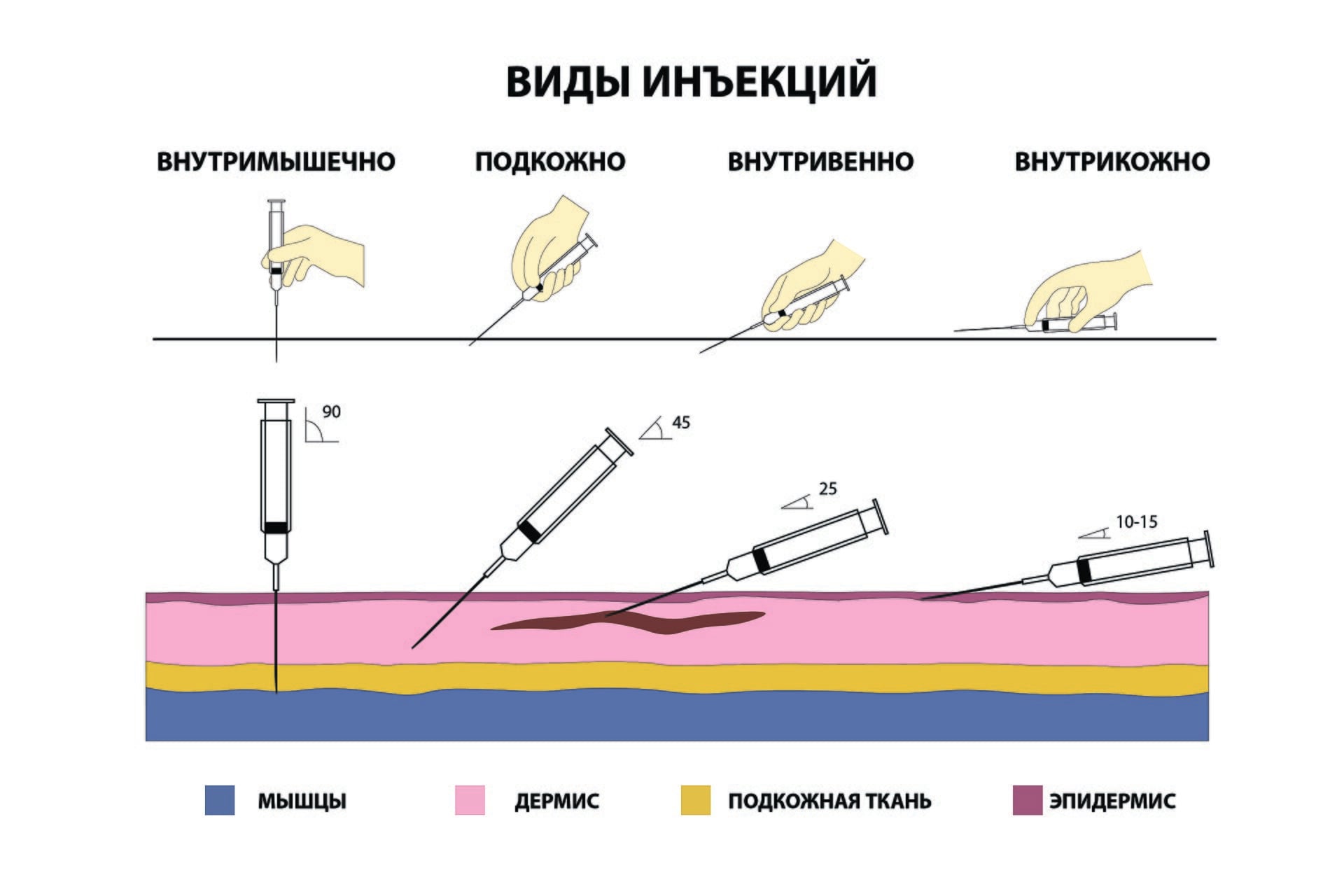
—How it works. Lenacapavir is given as a subcutaneous injection just twice a year, replacing a daily pill.
—The approval. Health regulator Anvisa approved the drug in January 2026 for adults and adolescents over 12 who weigh at least 35 kg.
—The evidence. Trials showed near-total protection against HIV, and far better results than daily oral PrEP.
—The hurdle. Adding it to the SUS still depends on a price ceiling and a formal cost-effectiveness review.
Brazil is taking a major step toward offering one of the most powerful HIV-prevention tools yet through its free public health system. The country is weighing how to add lenacapavir, a twice-yearly injection, to the SUS.
One-stop reference
Company Intelligence
Every listed company in Latin America — financials, ownership and structure for 1,450+ companies across 26 exchanges, in one place.
A twice-a-year shield against HIV
Lenacapavir is a long-acting form of pre-exposure prophylaxis, or PrEP, the medicine that prevents HIV infection. Instead of a daily pill, it is given as a subcutaneous injection only once every six months. That simplicity is expected to sharply improve adherence, the main weakness of daily oral PrEP.
For people at higher risk of HIV, two clinic visits a year could replace the burden of remembering a pill each day. Public-health experts see long-acting PrEP as a potential turning point in the fight against the epidemic.
What the science shows
Clinical trials produced striking results, with lenacapavir showing near-total protection against HIV in cisgender women. Studies also found it markedly more effective than daily oral PrEP in real-world adherence terms.
Those findings have made the drug a centrepiece of global HIV-prevention strategy. International agencies have urged governments and the manufacturer to make it widely accessible rather than a treatment only for the wealthy.
Brazil’s regulatory green light
Brazil’s health regulator, Anvisa, approved lenacapavir in January 2026 for adults and adolescents older than 12 who weigh at least 35 kilograms. The approval cleared the drug for use in the country, but not automatically for free distribution.
Brazil has long been praised for its public HIV response, which offers free testing and treatment through the SUS. Bringing a cutting-edge prevention tool into that system would extend a decades-long commitment to universal access.
The road into the SUS
Before lenacapavir can be offered free of charge, Brazil’s drug-pricing chamber, CMED, must set a maximum price. The technology commission Conitec and the Ministry of Health will then assess whether to incorporate it into the SUS.
That process weighs clinical benefit against cost and budget impact. It is the standard gateway through which new medicines enter Brazil’s public system.
The cost question
The biggest obstacle is price. Advocates warn that the drug’s high cost could keep it out of the SUS, deepening inequalities in who can protect themselves from HIV.
LGBTQIA+ organisations and international bodies have pressed for equitable access and lower prices. How Brazil negotiates the cost will shape whether long-acting PrEP reaches the communities that need it most.
What comes next
Brazil has launched an implementation study of lenacapavir across several cities to test how it works in practice. The research, run with international partners, will help guide any nationwide rollout.
For residents and foreigners who rely on the SUS, the outcome will determine whether a twice-yearly HIV shot becomes freely available. A positive decision would put Brazil among the first countries to offer the tool through a public system.
Frequently Asked Questions
What is lenacapavir?
Lenacapavir is a long-acting HIV pre-exposure prophylaxis (PrEP) given as a subcutaneous injection once every six months, instead of a daily pill.
Has Brazil approved it?
Yes. Anvisa approved lenacapavir in January 2026 for adults and adolescents over 12 weighing at least 35 kg, though free distribution through the SUS is still under review.
Why might it not reach everyone?
Its high cost could block incorporation into the SUS; the price ceiling set by CMED and a Conitec review will determine free access.
Sources
The Rio Times · Power Map
See who really holds power in Latin America
Click to open the Power Map →