By The Rio Times | Created at 2026-10-14 18:26:53 | Updated at 2026-10-14 19:12:29
1 hour ago
By The Rio Times | Created at 2026-10-14 18:26:53 | Updated at 2026-10-14 19:12:29
1 hour ago
BRAZIL · MATO GROSSO
Key Facts
- —The country Brazil is Latin America’s largest country, and some of its citizens try to reach the United States overland through Mexico.
- —Why it matters Smuggling networks sell migrants the whole journey north, from passports to the border crossing, and take their savings or property in return.
- —Why now Brazil’s Federal Police launched Operation Two Faces on Wednesday 14 October against a suspected network in western Mato Grosso state.
- —What happened Officers served five search and seizure warrants in Figueirópolis d’Oeste on 14 October, and a federal court froze up to US$198,000 in the suspects’ assets.
- —The numbers Five warrants, one town, an asset freeze capped at about US$198,000, and two possible offences carrying up to five and three years in prison.
- —What it means for you The case hits the sending end of a route that finishes at the US southern border, with payments made in transfers, cars and property deeds.
- —Still open The suspects are unnamed, the number of migrants moved is unknown, and no foreign partner in the inquiry has been disclosed.
- —Power Index Brazil ranks 1st of 14 in The Rio Times Latin America Power Index, with 75.0 points (October 2026 edition).
Prediction markets · who wins the runoff
Implied chance of winning Brazil’s presidency on 25 October, from traders’ prices.
Polymarket
Flávio Bolsonaro 85% · Lula 14.5% (US$182 million traded)
Kalshi (regulated in the US by the CFTC)
Flávio Bolsonaro 86% · Lula 14%
As of 14 October, 2:00 pm ET (19:00 Lisbon), updated every 20 minutes. Prices are bets, not polls, and can move fast.
Why we show this: prediction markets turn real-money bets into a live probability that moves within minutes of the news, which is why investors, campaigns and newsrooms in the United States now follow them closely. We show them next to polls and official results, never instead of them.
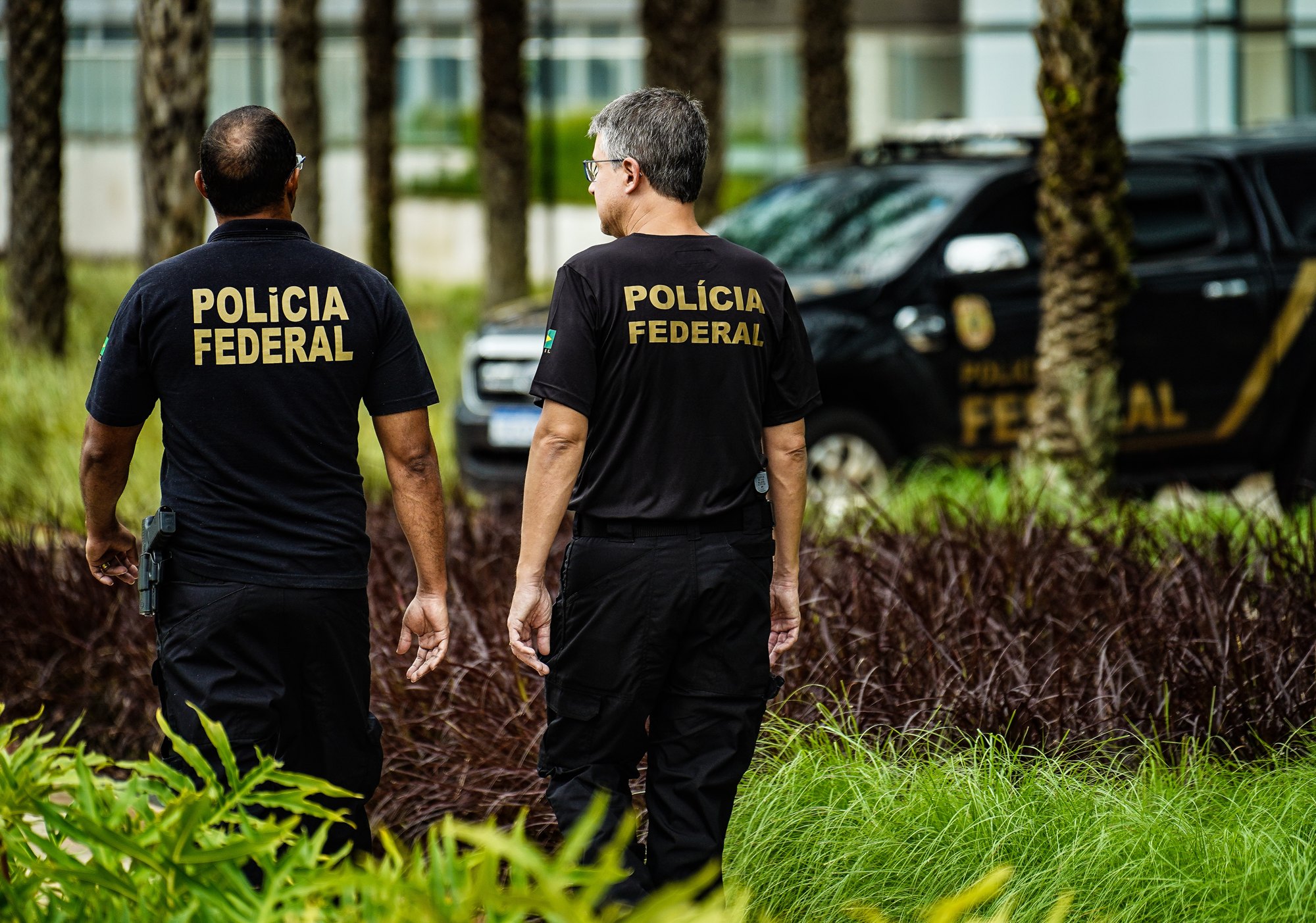
Brazil’s Federal Police raided suspected migrant smugglers in Mato Grosso state on Wednesday 14 October. The group allegedly moved Brazilians into the United States through Mexico, handling everything from passports to the border crossing.
For US readers, the case targets the start of an irregular migration route that ends at the US southern border. It also shows Brazilian police going after the money migrants pay to reach American soil.
The operation, called Duas Faces (Two Faces), served five search and seizure warrants in the small town of Figueirópolis d’Oeste. The town lies about 380 kilometres from Cuiabá, the state capital, according to g1 Mato Grosso.
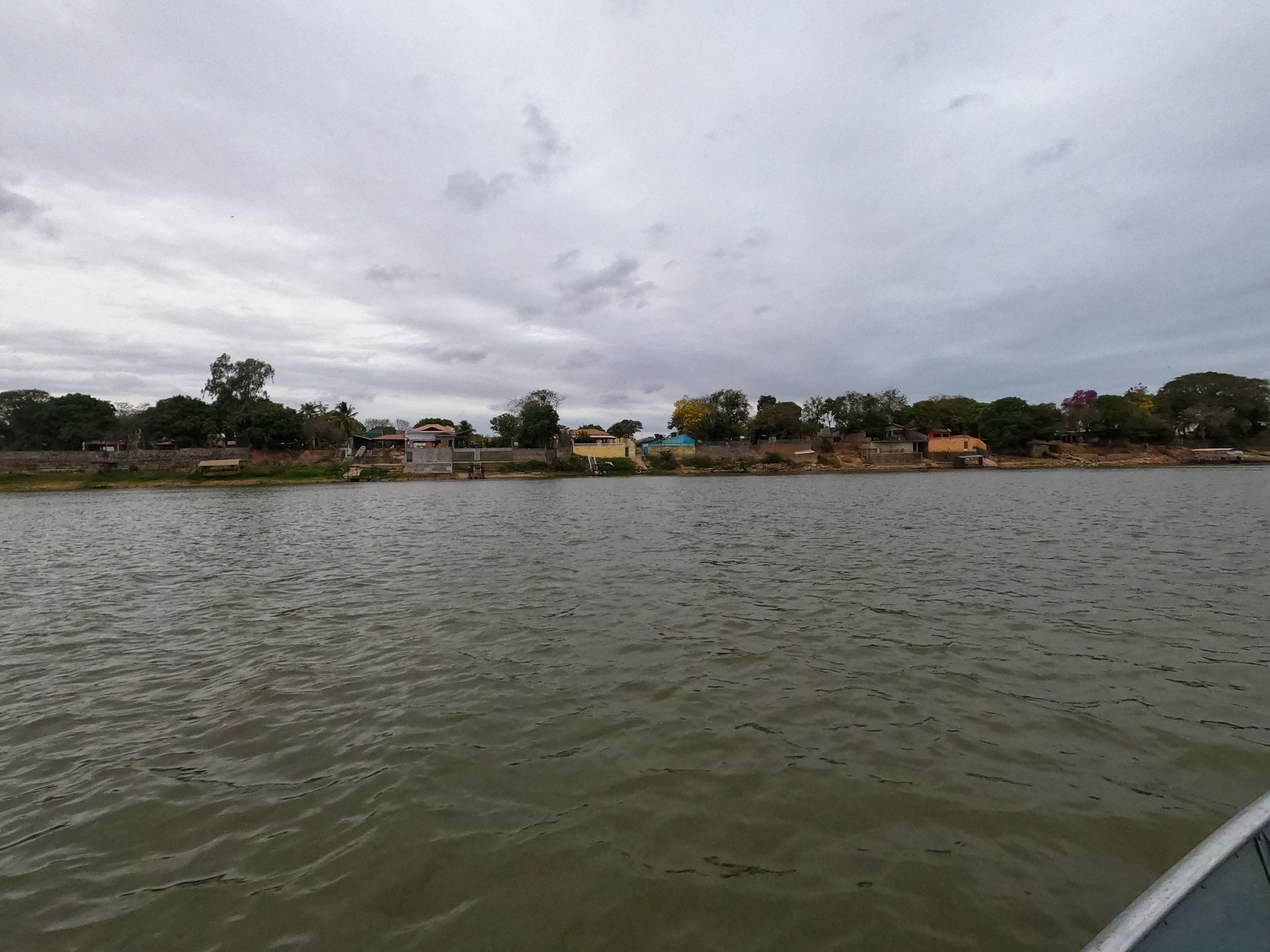
A federal court in Cáceres, a city on the Paraguay River in western Mato Grosso, issued the orders. The court also froze assets and funds belonging to the suspects up to a limit of R$1 million (about US$198,000).
That conversion uses the Central Bank of Brazil’s official PTAX selling rate of 5.0441 reais per US dollar on Wednesday 14 October. The figure is a ceiling set by the court, not a confirmed amount seized.
How the Migrant Smugglers Allegedly Worked
The Federal Police said the suspects helped migrants obtain passports and then saw them through to entry into the United States. The migrant smugglers’ route ended with a crossing over the border between Mexico and the United States.
In return, migrants paid by bank transfer or signed powers of attorney over vehicles, houses and other property in Brazil. A power of attorney lets someone else sell or manage an asset, which can put a family’s car or home at risk.
The police did not say how many Brazilians the group moved or how much each migrant paid. The identities of the people targeted were not released, g1 Mato Grosso reported.
The statement from the Federal Police press office in Mato Grosso did not mention any arrests. Wednesday’s action consisted of searches, the seizure of material and the asset freeze ordered by the court.
The police said the seized material will help to deepen the investigation. Metrópoles, a Brasília news site, and Olhar Direto in Cuiabá carried the same details, with no further suspects or amounts.
Follow this story
Get an email when there’s news on Brazil
Free. One email a day at most, and only when there is news. This also signs you up to our weekday newsletter, The LatAm Brief. Nothing arrives until you click the confirmation link, and you can stop either with one click. Privacy policy.
What the Charges Carry Under Brazilian Law
The Federal Police said those involved will answer for promoting illegal migration and for criminal association. Both offences sit in Brazil’s Penal Code, a 1940 criminal law that has been amended many times.
Promoting illegal migration became a crime in 2017, when Brazil’s Migration Law added Article 232-A to the Penal Code. It punishes anyone who, for economic gain, promotes the illegal entry of a Brazilian into a foreign country.
The penalty is two to five years in prison plus a fine. It rises by one sixth to one third if the crime involves violence or leaves the victim in inhuman or degrading conditions.
Criminal association, under Article 288, applies when three or more people join together to commit crimes. It carries one to three years in prison, rising by up to half if the group is armed.
Everyone targeted is presumed innocent, and the police statement describes an investigation rather than a trial. In Brazil, federal prosecutors decide whether to file charges once the police inquiry is complete.
What It Means for US Readers
For the United States, the case is a reminder that irregular migration often begins with paid migrant smugglers far from the border. Police action at the source can disrupt a route before migrants ever reach Mexico.
For Brazilian families in the United States, the payment method is the detail to watch. Signing over a car or a house to pay for a relative’s trip north leaves the family exposed if the journey fails.
Investors and travellers face no direct impact, since the operation was limited to one small town. Mato Grosso remains open for business and travel, and no violence was reported during the searches.
The case fits a wider Brazilian push against organised crime, set out in Brazil Security and Crime Explained 2026. Readers new to the country can start with Brazil Explained 2026 for Newcomers on Politics and Economy.
The Federal Police answers to the Ministry of Justice and Public Security and also issues Brazilian passports. Its headquarters are in the capital, covered on our Brasília city page.
What Is Not Known
The police have not said how many people the migrant smugglers sent north or how long it operated. They have also not said whether any of its migrants were stopped, deported or harmed on the way.
It is not known whether US agencies took part in the inquiry. The police statement did not mention any foreign partner or any link to groups in Mexico.
The value of the assets actually blocked is also unclear, since R$1 million (about US$198,000) is only the court’s ceiling. No defence statement was available, because the suspects have not been named.
Frequently Asked Questions
What did Brazil’s Federal Police do on 14 October?
It launched Operation Two Faces against suspected migrant smugglers who moved Brazilians illegally to the United States via Mexico. Officers served five search and seizure warrants in Figueirópolis d’Oeste, Mato Grosso.
How much money was frozen?
A federal court in Cáceres froze the suspects’ assets and funds up to R$1 million (about US$198,000). The amount actually blocked has not been disclosed.
What crimes could the suspects face?
Police say they could answer for promoting illegal migration and criminal association. The first carries two to five years in prison and the second one to three years.
How did migrants pay the smugglers?
Migrants paid by bank transfer or by granting powers of attorney over vehicles and property in Brazil. The scheme allegedly covered every step from passports to crossing the Mexico border.
Have the suspects been named?
No, the police have not released any names. All of them are presumed innocent unless a court rules otherwise.
Sources: Federal Police (Polícia Federal), Mato Grosso · g1 Mato Grosso · Olhar Direto · Metrópoles · Migration Law 13,445/2017 (Article 232-A) · Law 12,850/2013 (Article 288) · Central Bank of Brazil PTAX rate
This article was produced by The Rio Times’ automated newsroom system. How we use AI · Report an error · Editorial responsibility: Matthias Camenzind, Editor-in-Chief
The Rio Times · Power Map
See who really holds power in Latin America
Click to open the Power Map →