By The Rio Times | Created at 2026-06-13 08:11:48 | Updated at 2026-06-14 13:27:35
1 day ago
By The Rio Times | Created at 2026-06-13 08:11:48 | Updated at 2026-06-14 13:27:35
1 day ago
Brasil · Markets
Key Facts
—A streak broken. The Ibovespa, Brazil’s main share index, rose 1.25% on Friday to end eight straight weeks of losses.
—Oil drove it. Brent crude fell about 6% on the week to near $85, an eight-week low, as the US and Iran moved toward a deal.
—A firmer currency. The real strengthened, with the dollar easing to R$5.06 and falling nearly 2% over the week.
—Foreigners still left. A Bank of America note flagged the biggest monthly foreign exit from Brazil’s exchange since mid-2025.
—A regional pull. Money rotated out of emerging markets toward Asian technology names in Korea and Taiwan.
—An inflation snag. Local prices came in hotter than expected, complicating bets on when interest rates can fall.
Brazilian stocks finally broke an eight-week losing streak as the threat of a wider oil war receded, even as fresh figures showed foreign investors heading for the exit.
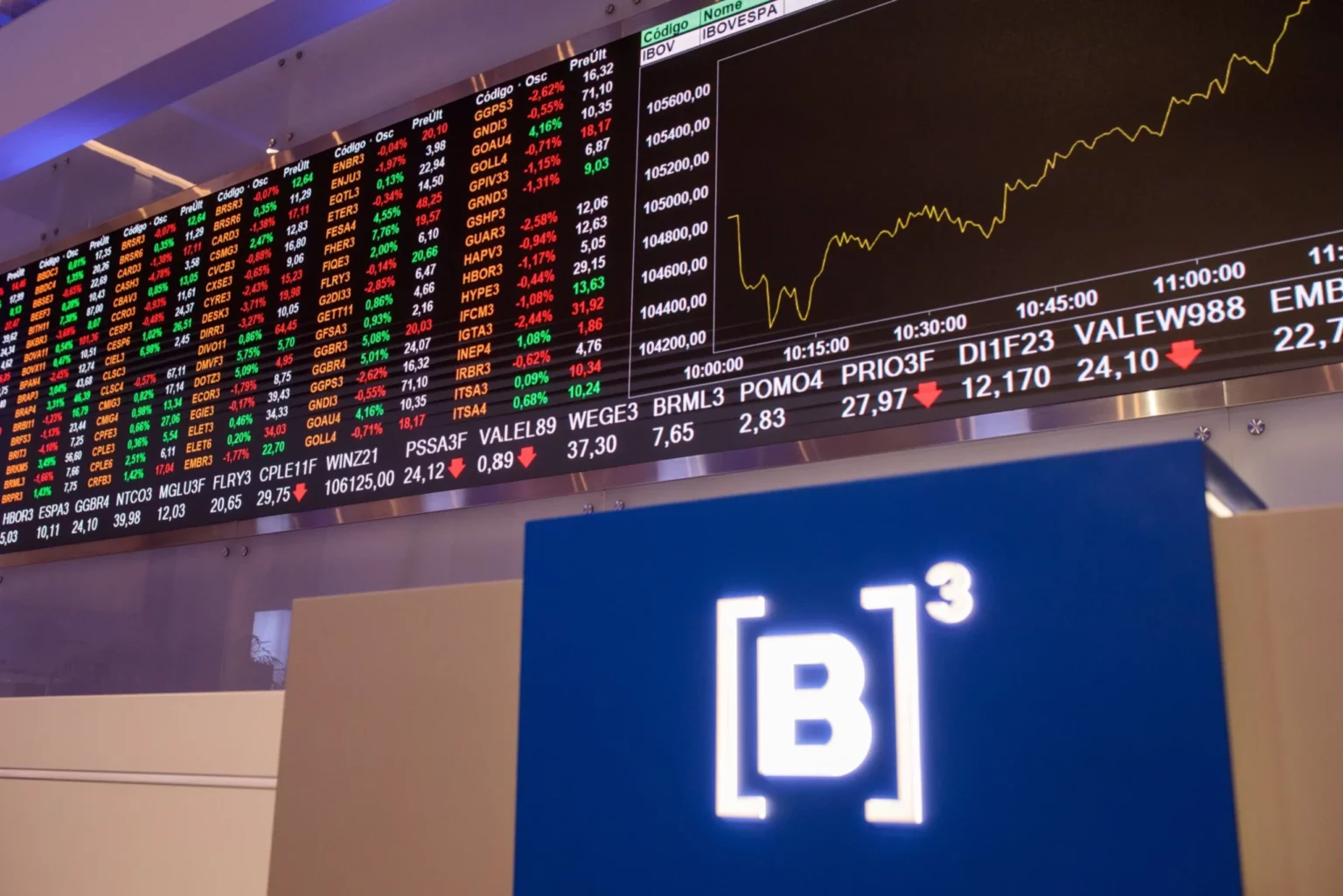
After two months of grinding declines, Brazil’s stock market caught a break. The benchmark Ibovespa index rose on Friday to close out its first winning week in two months, snapping a run of eight straight weekly falls.
The trigger came from far outside Brazil. Hopes that the United States and Iran were closing in on a deal pulled oil prices sharply lower and lifted the mood across global markets.
Why cheaper oil lifts Brazilian stocks
For a reader in London or Munich, the link may seem odd, since Brazil is itself a big oil producer. The key is that the recent conflict in the Middle East had pushed crude sharply higher and stirred fears of a global inflation shock.
A step back from that danger cools those fears at a stroke. Brent crude fell roughly six percent on the week to around eighty-five dollars a barrel, its lowest in eight weeks, as both sides signalled a memorandum of understanding was within reach.
Lower energy prices ease the pressure on inflation, which in turn revives hope that interest rates can eventually come down. That prospect is good news for shares, which compete with high-yielding bonds for investors’ money.
The currency moved in step. The dollar slipped to around five reais, falling close to two percent over the week, a sign that calmer global nerves were drawing some money back toward Brazilian assets.
The catch beneath the rebound
The weekly bounce, though, masks a less cheerful story underneath. A note from Bank of America showed that foreign investors pulled the most money out of Brazil’s exchange in a single month since the middle of last year.
That exit was not really about Brazil. The bank pointed to higher expected interest rates in the United States, a stronger dollar and a broad cooling of appetite for riskier emerging markets.
There was also a clear destination for the money leaving. Investors trimmed their holdings across emerging markets and Latin America while shifting toward technology stocks in Asian markets such as Korea and Taiwan.
That rotation matters because foreign money had been the main engine of Brazil’s strong start to the year. When that engine stalls, the market loses an important source of support, whatever a single good week might suggest.
Live Market IntelligenceBrazil — Live Market BoardInside: market breadth, the sector heatmap, currencies & rates, the Latin America scoreboard and the full instrument board.Rio Times · Live Market Intelligence
Brazil — Live Market Board
B3 · São Paulo
Jun 13, 2026 · 04:55
Ibovespa · benchmark
171,133
-0.21%
L 169,993day rangeH 172,545
+24.19% over 12 months
Market breadth · 15 names
60% advancing
9 ▲ advancing6 declining ▼
Currencies, rates & key inputs
Sector heatmap · average move today
Mining
+0.46%
VALE3, CSNA3, GGBR4
Industrials
+0.18%
WEGE3, RENT3
Financials
-0.04%
ITUB4, BBDC4, BBAS3, B3SA3
Consumer Staples
-0.18%
ABEV3
Energy
-1.27%
PETR4, PRIO3
Consumer Disc.
-1.83%
AZZA3
Latin America scoreboard
IndexLastTodayStrength
IbovespaBrazil
171,133
-0.21%
S&P/BMV IPCMexico
67,955
+1.46%
S&P IPSAChile
10,923
+1.70%
S&P MERVALArgentina
3,352,708
-0.01%
MSCI COLCAPColombia
2,386.78
+1.53%
BVL S&P PerúPeru
52,306.77
-0.36%
Full instrument board
| IBOV | 171,133 | -0.21% | +24.19% | 171,497 | 172,545 | 169,993 | — |
| USD/BRL | 5.06 | -0.64% | -8.54% | 5.10 | 5.12 | 5.06 | — |
| SELIC | 14.50% | — | — | — | — | — | |
| PETR4 | 41.18 | -1.39% | +29.70% | 41.76 | 41.53 | 40.82 | 34,025,300 |
| VALE3 | 79.17 | +0.47% | +49.86% | 78.80 | 79.80 | 78.13 | 12,104,600 |
| ITUB4 | 40.60 | +0.25% | +14.23% | 40.50 | 41.12 | 40.11 | 30,645,500 |
| BBDC4 | 17.80 | +0.68% | +8.01% | 17.68 | 17.99 | 17.48 | 22,070,500 |
| BBAS3 | 19.46 | +0.26% | -9.15% | 19.41 | 19.66 | 19.22 | 13,741,700 |
| B3SA3 | 15.23 | -1.36% | +17.33% | 15.44 | 15.58 | 15.13 | 46,559,500 |
| ABEV3 | 16.61 | -0.18% | +20.36% | 16.64 | 16.77 | 16.44 | 14,295,400 |
| WEGE3 | 42.61 | +0.61% | +0.83% | 42.35 | 43.23 | 41.86 | 5,022,800 |
| PRIO3 | 61.34 | -1.14% | +41.93% | 62.05 | 61.71 | 60.05 | 6,470,400 |
| SUZB3 | 41.52 | +0.56% | -21.59% | 41.29 | 41.87 | 41.00 | 3,068,100 |
| RENT3 | 40.70 | -0.25% | -8.46% | 40.80 | 41.26 | 40.13 | 8,442,300 |
| AZZA3 | 17.19 | -1.83% | -59.56% | 17.51 | 17.80 | 17.11 | 2,038,700 |
| CSNA3 | 6.05 | +0.67% | -27.02% | 6.01 | 6.16 | 5.94 | 11,023,900 |
| GGBR4 | 23.88 | +0.25% | +41.13% | 23.82 | 24.11 | 23.52 | 9,302,300 |
| ENEV3 | 24.54 | +0.57% | +79.25% | 24.40 | 24.83 | 23.99 | 5,879,000 |
Largest moves today
AZZA3
17.19
-1.83%
PETR4
41.18
-1.39%
B3SA3
15.23
-1.36%
PRIO3
61.34
-1.14%
BBDC4
17.80
+0.68%
CSNA3
6.05
+0.67%
USD/BRL
5.06
-0.64%
WEGE3
42.61
+0.61%
The session read
The Ibovespa eased 0.21%, with breadth positive — 9 of 15 names higher. Utilities led, while Consumer Disc. lagged.
From The Rio Times
Related coverage · 13 Jun 2026
Brazil Railway Push Gets 40-Year Loans to Lure Global Money
Read →
The home-grown worry
Domestic data added its own note of caution on the same day. Brazil’s latest inflation reading came in above what economists had expected, a reminder that price pressures have not fully faded.
Hotter inflation makes it harder for the central bank to start cutting its benchmark rate, which sits near record highs. For now, those elevated rates keep fixed income attractive and give investors a reason to hold back from shares.
The result is a market pulled in two directions at once. A friendlier global backdrop is pulling prices up, while stubborn inflation and departing foreign money are pulling the other way.
What to watch next
The immediate question is whether the truce in the oil market holds. A signed deal between Washington and Tehran would likely keep crude subdued and extend the relief for Brazilian assets.
The deeper question is whether foreign investors come back. One positive week is welcome, but the market’s next leg will depend on whether the world’s big funds decide Brazil is worth returning to in real size.
Frequently Asked Questions
Why did Brazilian stocks rise this week?
The main reason was a fall in oil prices as the United States and Iran moved toward a deal. Cheaper crude eased fears of a global inflation shock, lifting share prices and helping the Ibovespa end an eight-week losing streak.
If shares rose, why are foreign investors leaving?
The weekly gain and the monthly outflow reflect different forces. A Bank of America note tied the exit to higher US interest rates, a stronger dollar and a shift toward Asian technology stocks, rather than to events in Brazil itself.
What does the inflation reading mean for rates?
Inflation came in higher than expected, which makes it harder for Brazil’s central bank to begin cutting its benchmark rate. With rates near record highs, fixed income stays attractive and competes with the stock market for investors’ money.
The Rio Times · Power Map
See who really holds power in Latin America
Click to open the Power Map →