By The Rio Times | Created at 2026-09-27 21:36:37 | Updated at 2026-09-27 22:10:06
2 hours ago
By The Rio Times | Created at 2026-09-27 21:36:37 | Updated at 2026-09-27 22:10:06
2 hours ago
CUBA · TRAVEL
Key Facts
- —The country Cuba, a Caribbean island of under 10 million people, has long drawn British and European holidaymakers. Its foreign arrivals fell 64.4 percent in the first eight months of 2026.
- —The background Since 11 February 2026, the UK Foreign Office has advised against all but essential travel to Cuba, as fuel shortages hit flights, power and water.
- —Why now On Friday 25 September it published a full review, with changes throughout its Cuba pages.
- —What happened The warning level is unchanged. The revised text covers frequent protests, likely further grid collapses, one working terminal at Havana airport and no foreign bank cards.
- —The numbers Foreign currency above US$5,000 must be declared on arrival. An online arrival form must be filed within 72 hours before entry.
- —What it means for you Bring cash for the whole stay plus emergencies, check your insurance covers Cuba, and avoid protests.
- —Still open When suspended airlines return, and whether the advice eases or tightens at the next review.
Britain’s Foreign Office revised its Cuba travel advice on Friday, reviewing it “for accuracy with changes made throughout”. It still advises against all but essential travel to the island, the level it set in February.
Free daily brief — no card needed
Get every Caribbean story in one morning email
We build you a personalized brief around the topics you follow — free for 7 days. Love it? Your first month after that is US$1.
Yes, email me my free daily brief — I can unsubscribe any time.
The new text is a blunt guide to daily life in Cuba’s crisis. It warns of frequent protests, power cuts, one working airport terminal in Havana and a cash-only economy for visitors.
One-stop reference
Company Intelligence
Every listed company in Latin America — financials, ownership and structure for 1,450+ companies across 26 exchanges, in one place.
What the warning level means
The Foreign, Commonwealth and Development Office (FCDO) is Britain’s foreign ministry. Its advice has two warning levels above normal caution: against all but essential travel, and against all travel.
Cuba sits on the first of those, for the whole country. It is not a ban, and British tourists may still go.
The practical catch is insurance. Many standard policies do not cover trips against FCDO advice, and the page tells travellers to make sure theirs covers Cuba.
The change note lists what was revised on 25 September. It covers protests, power outages, fuel and water shortages, travel disruption, card payments, insurance, visas, crime, money, taxis and healthcare.
How the advice has hardened this year
The change history shows a steady build-up. The FCDO moved to its current warning on 11 February, and two days later added that airports lacked aviation fuel.
In March it updated airport operations and flight suspensions and added the first notes on protests. In May it updated the fuel section, and in June it added the ban on foreign cards.
July brought new information on crime and power cuts. The 25 September review is the widest revision since the level was raised.
Protests and crime
The FCDO says Cuba’s worsening economy “has led to frequent protests”. “To date most of these have remained peaceful but be aware that protests can escalate,” it adds.
Visitors are told to stay away from large gatherings and follow local authorities. The advice notes that the internet can be blocked at times of political tension.
Opportunistic crime is rising, it says, although levels remain lower than in the UK. It reports muggings in Havana, burglaries and fuel siphoned from parked cars, and advises against walking at night.
It recommends official yellow taxis. Three-wheeled Coco-taxis may be unsafe, it says, and tourists have been injured and killed riding in them.
Power, fuel and flights
The national grid “has collapsed a number of times over the last few months”, the advice says, and further collapses are likely. A nationwide blackout hit on 18 September.
Fuel rationing affects transport, medical care, communications, water and street lighting. Travellers are told to conserve fuel, water, food and phone charge, and to expect significant disruption.
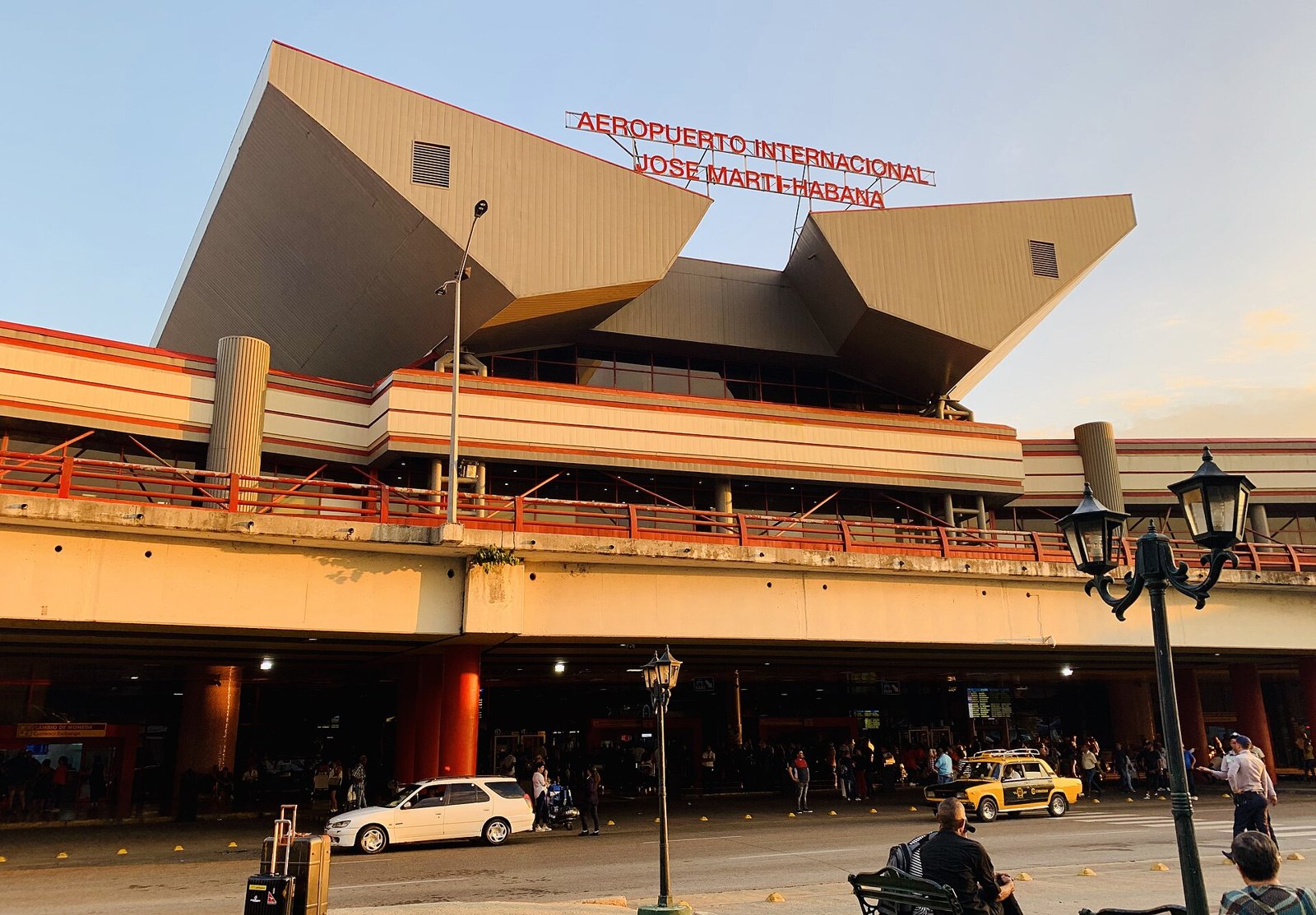
Cuban authorities have announced that all international airports are without aviation fuel, the advice says. Only Terminal 3 at José Martí International Airport in Havana is operating.
It lists all Canadian airlines, Air France, Iberia, World2Fly and LATAM as having suspended Cuba flights. “Options for leaving the country could reduce further if the situation worsens,” it warns.
“The situation has the potential to deteriorate quickly and without warning,” the advice adds. Anyone already in Cuba is asked to consider carefully whether their presence is essential.
The collapse shows in the arrivals data. Only 30,490 foreign visitors came in August, against about 136,000 a year earlier.
Money: bring cash
This is the section most likely to catch visitors out. Cuba’s central bank has announced that international cards such as Visa and Mastercard are no longer accepted.
Foreign cards cannot draw cash from ATMs either. Visitors should bring enough cash for their whole stay and for emergencies, such as medical treatment or a delayed flight.
US dollars and euros are widely accepted, according to the FCDO. It suggests asking hotels and tour providers whether they can be paid in advance by bank transfer.
Money may be changed only at Cadeca, the state exchange houses. Changing it anywhere else, including with people on the street, can bring a fine or a prison sentence.
Foreign currency worth more than US$5,000 must be declared on arrival. The Cuban peso cannot be exchanged outside Cuba.
Getting in, and getting care
British tourists need a tourist card or electronic visa before travelling. They must also complete the D’Viajeros arrival form online within 72 hours before entry and show its QR code.
Passports must be valid for at least six months after arrival. You cannot fly on from Cuba to the United States without a US visa.
Travellers departing from the US face a separate hurdle. US rules do not authorise tourist travel to Cuba, and visitors must fit one of 12 approved categories.
The emergency number is 104, but the FCDO calls the ambulance service limited and generally unreliable. It reports severe shortages of basic medicines and a chikungunya outbreak, alongside other mosquito-borne diseases such as dengue.
What comes next
The FCDO updates its pages as conditions change and has revised the Cuba advice many times since February. The Cuban news site CiberCuba noted that Canada, the Netherlands, Germany and Ireland have issued warnings of their own.
The update does not raise the warning level, and it does not say tourists are being targeted. It means a trip now needs cash, flexible plans and insurance that is valid for Cuba.
Frequently Asked Questions
Can British tourists still travel to Cuba?
Yes. The FCDO advises against all but essential travel, but this is advice, not a ban. Travellers should check that their insurance covers a trip against that advice.
Can I use my bank card in Cuba?
No. According to the FCDO, Cuba’s central bank has announced that Visa and Mastercard are no longer accepted, and foreign cards do not work in ATMs. Bring enough US dollars or euros in cash.
Are flights to Cuba still running?
Some are. The FCDO says only Terminal 3 at Havana’s José Martí airport is operating and several airlines have suspended routes. Check with your airline or tour operator before travelling.
Do I need to declare cash when entering Cuba?
Yes. Foreign currency above US$5,000 must be declared on arrival, and an online arrival form must be filed within 72 hours before entry.
Sources: FCDO, Cuba travel advice, updated 25 September 2026, with change history, FCDO, Cuba safety and security, 25 September 2026, FCDO, Cuba entry requirements, 25 September 2026, CiberCuba, 27 September 2026. Tourism arrivals: ONEI, Cuba’s National Office of Statistics and Information, release of 24 September 2026. All retrieved 27 September 2026.
This article was produced by The Rio Times’ automated newsroom system. How we use AI · Report an error
The Rio Times · Power Map
See who really holds power in Latin America
Click to open the Power Map →