 By GB News (World News) | Created at 2026-06-10 08:41:05 | Updated at 2026-06-10 17:01:33
8 hours ago
By GB News (World News) | Created at 2026-06-10 08:41:05 | Updated at 2026-06-10 17:01:33
8 hours ago
A new EU border system causing long delays for many British tourists may not "stabilise" for two years, according to a travel official.
Uku Sarekanno, deputy executive director of EU border agency Frontex, said some member states are "struggling" to adopt the new Entry Exit System (EES).
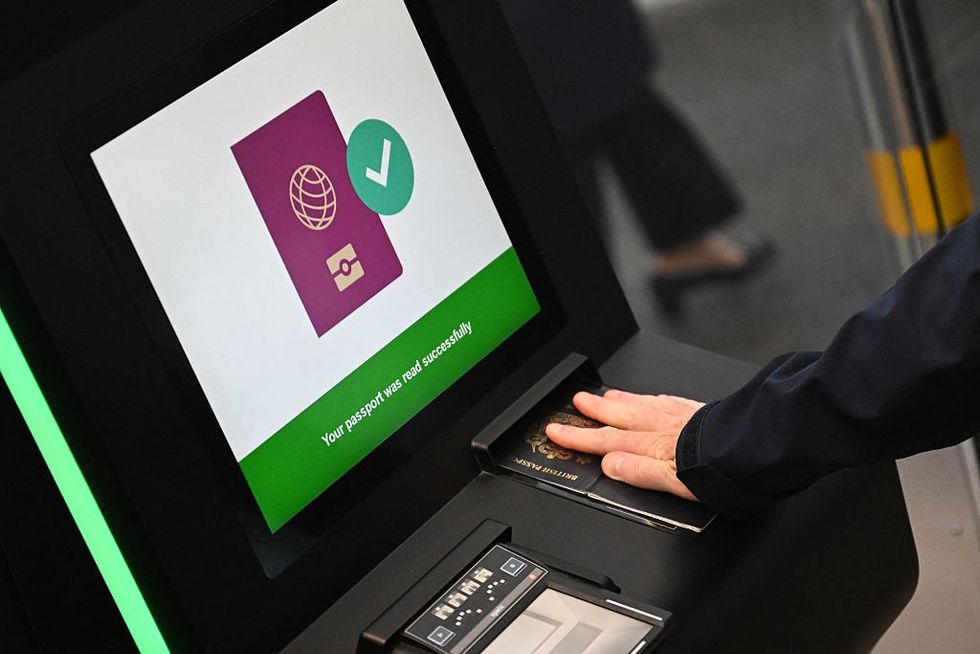
EES involves people from third-party countries such as the UK having their fingerprints registered and photograph taken to enter the Schengen Area, which consists of 29 European countries, mainly in the EU.
For most British travellers, the process is done at foreign airports, with the digital record being kept for three years.
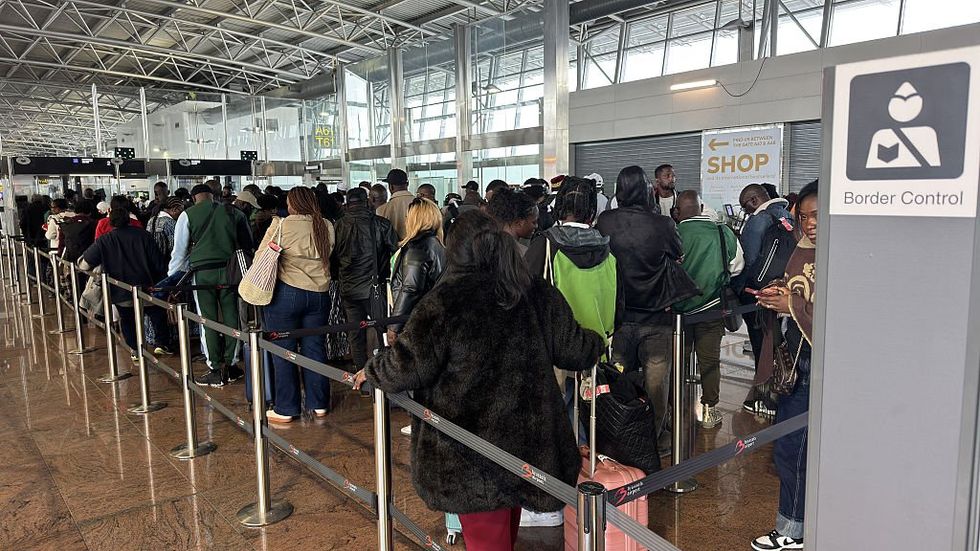
Airline body the International Air Transport Association recently warned border queues could reach six hours this summer.
Airports in Spain, Portugal, France and Italy have been reported to be among the worst affected.
More than 100 easyJet passengers missed a flight from Milan Linate to Manchester in April because of delays at passport desks caused by the ramping up of EES.
Addressing a summit of travel industry leaders organised by Association of British Travel Agents (Abta) in Westminster, Mr Sarekanno said: "We expect that the situation will stabilise in one or two years."
Britons could be hit with severe delays upon arrival
GETTY
Mr Sarekanno continued: "The most challenging part is the first enrolment, that is the moment where fingerprints and facial images will be taken.
"If a person is visiting the EU again (within three years), they don’t have to go through the same process, so they can have a more fast track of entry.
"Member states are still adjusting to the new reality. There are ones which are managing it rather well, who have dedicated resources. There are the others who are still struggling. This adjustment… is taking some time and effort."
Chief executive of industry body Airlines UK Tim Alderslade added: "If the EU’s own expectation is that queues will last up to two years, that’s not a teething problem, that’s a serious policy failure."
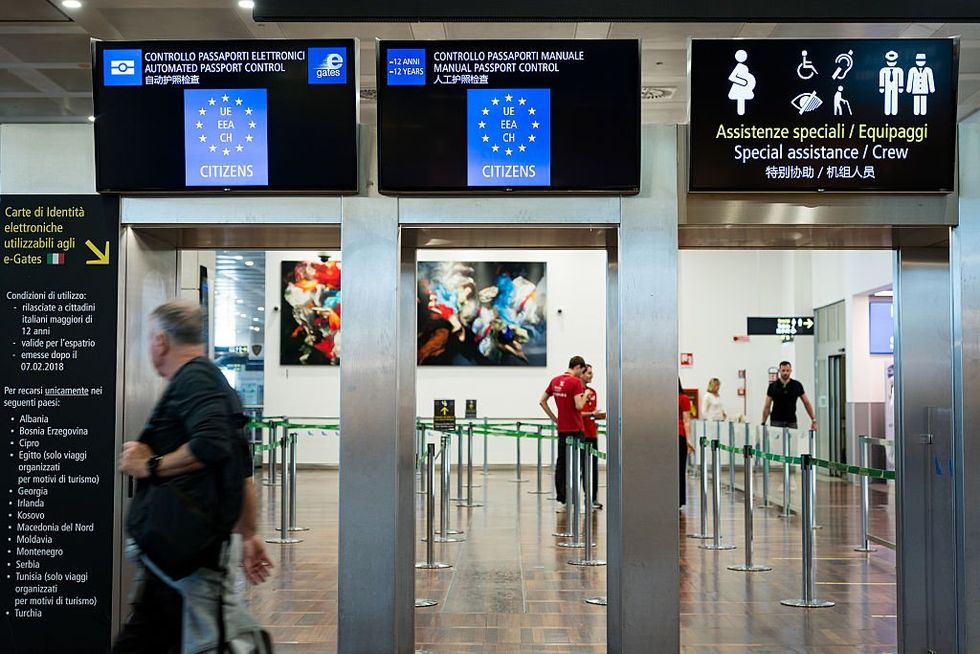
The European Union's Entry/Exit System (EES) could cause delays
GETTY
Abta’s director of public affairs Luke Petherbridge said: "New systems inevitably take time to bed in, but it is important that the timeframe for EES stabilisation is much shorter than one to two years.
"Abta is working with industry partners to call on the European Commission to extend contingency measures while issues remain, including beyond the current summer season.
"While we support the objective of EES in enhancing border security, we would urge policymakers to prioritise protecting the EU’s reputation as a tourism destination of choice."
EES was introduced in October last year, with its rollout ramped up on April 10, with around 1,700 border crossing points requiring it.
About 1,700 border crossing points require use of EES
GETTY
EU rules currently allow the checks to be temporarily halted to avoid queues at peak periods but that is not always happening.
A recent survey commissioned by travel company Booking.com indicated that nearly three out of five (59 per cent) UK holidaymakers travelling to Europe this year expect delays linked to EES.
Almost half of respondents said they fear missing flights because of the border checks.