By The Rio Times | Created at 2026-09-28 16:31:52 | Updated at 2026-09-28 22:14:42
6 hours ago
By The Rio Times | Created at 2026-09-28 16:31:52 | Updated at 2026-09-28 22:14:42
6 hours ago
The LatAm Brief
One email, every weekday morning. What moved in Latin American markets, politics and expat life.
Yesterday’s subject line: “Brazil votes Sunday. The courts are deciding.”
Free. We send a confirmation link first — nothing arrives until you click it. Unsubscribe with one click in any edition. If you stop opening us for 30 days we stop sending by ourselves, as we assume the interest is no longer there. See our privacy policy. We never share your email.
CUBA · DIPLOMACY
Key Facts
- —The country Cuba, the one-party Caribbean state where Canada kept an embassy and close ties throughout the decades when Washington had cut relations.
- —Why it matters Havana Syndrome, the unexplained illness that struck US and Canadian diplomats in Havana from 2016, is still unresolved. Ten Canadian diplomats and their families are suing their own government.
- —What happened On Saturday 26 September The Globe and Mail, citing two unnamed sources, reported that Canadian diplomats worked with US intelligence in Cuba between 2016 and 2018.
- —Who is involved Global Affairs Canada, the foreign ministry, disputes the report. Its Global Security Reporting Program, the unit named by the sources, is “not an intelligence collection program,” it said.
- —What it means for you Nothing changes for visitors to Cuba. The report does reopen questions about why diplomats fell ill and how Ottawa treated them.
- —Still open Who or what caused the illnesses, whether Parliament’s security committee will investigate, and how Havana will respond.
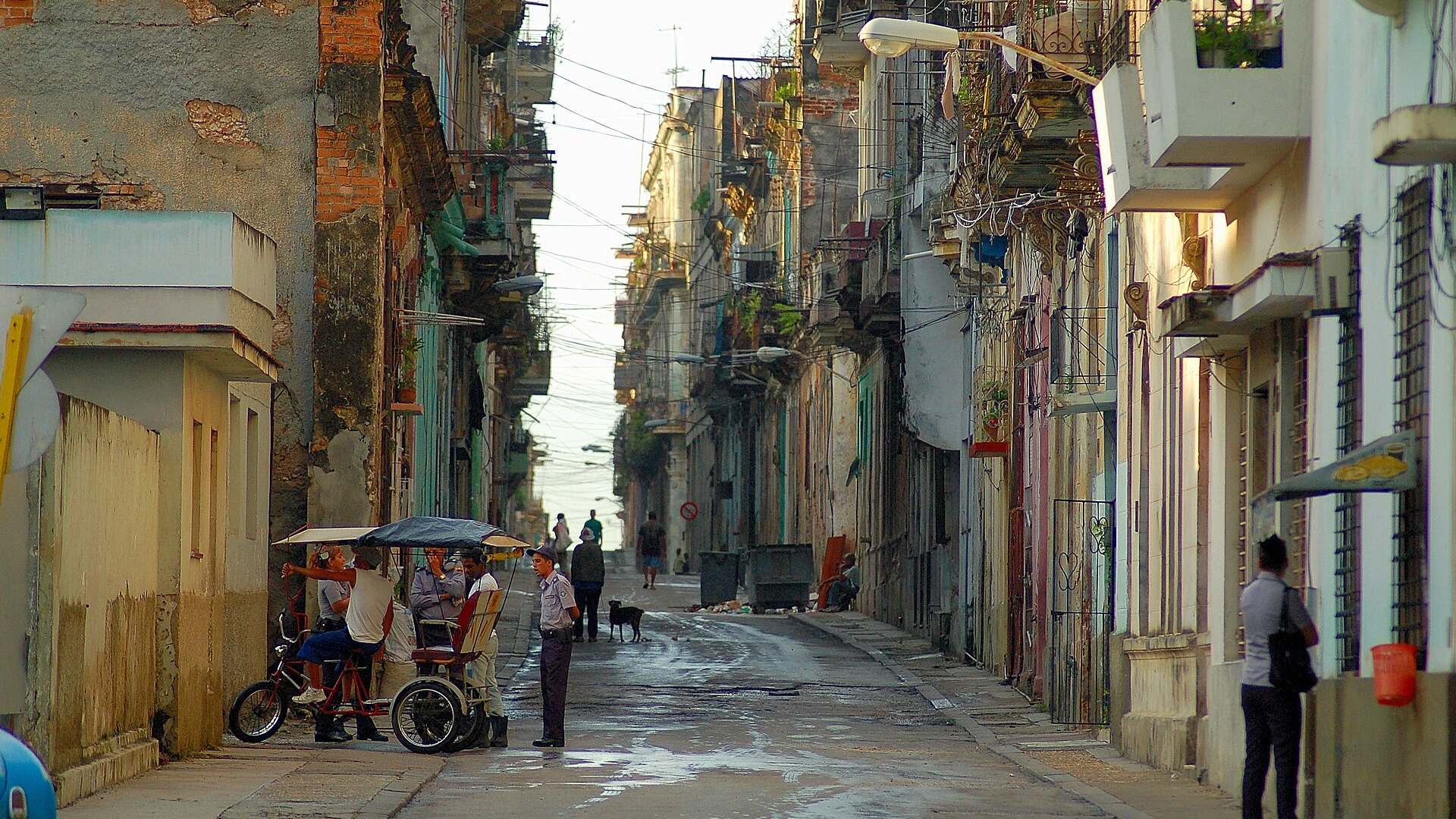
Canada has denied a report that its diplomats in Cuba worked with American spies as the Havana Syndrome illnesses emerged. The Globe and Mail, a Toronto daily, published the claims on Saturday.
Free daily brief — no card needed
Get every Caribbean story in one morning email
We build you a personalized brief around the topics you follow — free for 7 days. Love it? Your first month after that is US$1.
Yes, email me my free daily brief — I can unsubscribe any time.
The Cuban outlet OnCubaNews carried the story on Sunday under the headline that Ottawa “denies it”. It noted that the Spanish news agency EFE had also picked up the report.
One-stop reference
Company Intelligence
Every listed company in Latin America — financials, ownership and structure for 1,450+ companies across 26 exchanges, in one place.
What the sources told The Globe
According to The Globe, one source said a Canadian diplomat gathered human intelligence in Cuba between 2016 and 2018. The diplomat occasionally passed information directly to American spies in Havana, the source said.
A second source said the United States shipped satellite equipment to Cuba in diplomatic sea containers in late 2016. Under the Vienna Convention, the treaty governing diplomats, Cuban officials could not open them.
That source said the equipment was installed on the roof of the Canadian embassy and at some diplomats’ homes. The paper did not name either source.
Ottawa’s denial
In a statement on Friday, Global Affairs Canada disputed that its diplomats shared intelligence with US spies. It said staff in its Global Security Reporting Program work “overtly, legally and in compliance with the Vienna Convention.”
The Globe noted a 2023 finding by a federal watchdog, the National Security and Intelligence Review Agency. It said the program operated in a “distinctly grey zone”.
Why the case is still alive
Ten Canadian diplomats and their families sued Ottawa in 2019. They allege they were denied leading-edge care and their brain injuries were played down.
The Justice Department confirmed it has used a rare national-security law to keep new details of the case secret.
On Monday, The Globe reported that former Canadian intelligence and security officials want Parliament’s security committee to investigate. A Global Affairs report in February 2024 found the illnesses “were not the result of any malicious act of a foreign power.”
Cuba has always denied any official involvement, OnCubaNews noted. An earlier Rio Times report covered cases detected among US embassy staff in Colombia.
What Is Not Yet Known
No government has confirmed the spying claims, which rest on two anonymous sources. The cause of the illnesses also remains unproven; some investigations have pointed to Russia, which no official finding has confirmed.
It is not yet known whether Parliament’s security committee will open an inquiry, or whether Cuba’s government will respond. For background on the island, see Cuba Explained 2026: The Economy, the Exodus, the System and What to Watch.
Sources: The Globe and Mail, 26 September 2026; The Globe and Mail, 28 September 2026; OnCubaNews, 27 September 2026; statement by Global Affairs Canada, 25 September 2026, as quoted by The Globe and Mail.
This article was produced by The Rio Times’ automated newsroom system. How we use AI · Report an error
The Rio Times · Power Map
See who really holds power in Latin America
Click to open the Power Map →