By The Rio Times | Created at 2026-10-07 10:27:11 | Updated at 2026-10-07 16:08:16
5 hours ago
By The Rio Times | Created at 2026-10-07 10:27:11 | Updated at 2026-10-07 16:08:16
5 hours ago
CANADA · ANALYSIS
Key Facts
- —Why it matters The widening surplus likely reflects exporters rushing shipments ahead of new U.S. tariffs, not a durable improvement in Canada’s trade position.
- —What to watch Whether August’s export surge reverses in September and October 2026 once pre-tariff inventories are exhausted and Canadian counter-tariffs take full effect.
- —What it means for you U.S. businesses and consumers face higher prices on Canadian vehicles, parts, dairy and other goods where substitutes are limited, while investment decisions tied to North American supply chains remain on hold.
Canada’s US trade surplus widened sharply to C$11.2 billion in August 2026, but the jump is a tariff-timing distortion rather than evidence of Canadian export strength. For U.S. readers, the data signal higher prices, supply-chain disruption and a USMCA review that Washington is in no hurry to resolve.
Canada and the United States run one of the world’s largest bilateral trading relationships, with goods crossing the border daily in autos, energy, agriculture and industrial inputs. This analysis explains why the surplus widened under tariffs, what Washington’s refusal to restart talks means for the USMCA review, and how Mexico fits into the picture, drawing on the USA-Canada Intelligence Brief.
What the August Data Actually Show
Statistics Canada scheduled the release of Canadian international merchandise trade data for August 2026 on October 6, 2026.
The U.S. Bureau of Economic Analysis tells the same story from Washington’s side, though with different accounting coverage.
Follow this story
Get an email when there’s news on Mark Carney
Free. One email a day at most, and only when there is news. This also signs you up to our weekday newsletter, The LatAm Brief. Nothing arrives until you click the confirmation link, and you can stop either with one click. Privacy policy.
Why the Surplus Widened Under Tariffs
The most plausible explanation is front-loading. New U.S. duties announced in July and applied in late August encouraged Canadian producers and U.S. buyers to move goods across the border before the higher tariff regime became fully effective. Desjardins, the Canadian financial cooperative, said the timing of the measures likely encouraged shipments to be brought forward.
That creates a paradox. Tariffs intended to reduce Canadian exports can initially produce a jump in exports as firms rush to beat the deadline. The August figures should not be read as a clean measure of demand under the new tariff structure.
The other half of the widening surplus was Canada’s 2.5% decline in imports from the United States. Canadian buyers may have delayed purchases because of tariff uncertainty, or manufacturers may have reduced cross-border orders while reassessing costs and supply chains.
Energy also supported exports. Energy is particularly important because Canada’s cross-border energy trade is governed by physical infrastructure and long-term commercial relationships. Oil, gas and electricity flows cannot be redirected as easily or quickly as many manufactured goods.

Tariffs in Force and the Countermeasures
The duties apply even when the product qualifies as originating under USMCA. Energy, potash, goods already subject to Section 232 duties and certain other categories are excluded.
Three US presidential proclamations signed on 20 July 2026 imposed an additional 50% duty on listed Canadian dairy products, alcoholic beverages and motor vehicles; the start date of 19 August was paused, and the duty took effect at 12:01 a.m. Eastern Time on 22 August 2026. Canada announced matching countermeasures on U.S. products valued at C$27.6 billion, effective 12:01 a.m. on 8 September 2026.
The Canadian counter-tariffs apply to specified U.S. goods in sectors including steel and aluminum, dairy, appliances, agricultural equipment, pulp and paper, plastics, and electronics. For steel and aluminum, certain existing Canadian counter-tariffs increased from 25% to 50% to match the U.S. rates.
Washington’s Refusal to Hurry Talks
A refusal to restart or accelerate negotiations gives the United States leverage before the USMCA review. Washington can use the interim period to test whether Canadian exporters or provinces offer concessions, press Canada on dairy, agriculture, energy and industrial policy, and keep tariff relief conditional rather than automatic.
The United States reportedly declined on 1 July 2026 to renew USMCA in its current form, triggering annual reviews through 2036 rather than an automatic continuation under the existing arrangement. That changes the negotiating environment even if the agreement’s rules remain legally operative in the meantime.
The practical message is that Washington does not need to terminate USMCA immediately to extract concessions. It can preserve uncertainty, maintain selected tariffs and make continued preferential access contingent on a future political agreement.
The USMCA Review and Mexico’s Position
The key distinction is between USMCA rules still operating and the United States declining to confirm that it will extend the agreement unchanged.
Mexico has a strong incentive to avoid being isolated from Canada while also protecting its own access to the U.S. market.
Mexico’s likely strategy is pragmatic: preserve preferential access to the United States, avoid endorsing measures that weaken North American supply chains, seek exemptions or clarity for Mexican exporters, and use Canada’s dispute with Washington as leverage in its own negotiations.
Mexico could benefit from trade diversion if companies shift production away from Canada. But it also faces the same strategic danger: if Washington normalises unilateral tariffs against one USMCA partner, Mexican exporters may face similar pressure later.
Economic and Business Stakes
U.S. consumers and manufacturers are exposed to higher prices where Canadian goods lack immediate substitutes. The most sensitive areas are likely to include vehicles, vehicle parts, dairy, alcoholic beverages, energy-linked inputs and regionally integrated industrial components.
Autos are the clearest test of whether the North American production model can withstand a tariff shock. A vehicle can cross the Canada-U.S. border multiple times during production, with parts sourced across all three USMCA economies.
The August fall in Canadian motor-vehicle and parts imports provides an early warning. It may reflect temporary caution, but sustained weakness would signal inventory reductions, delayed production and possible model reallocation.
For U.S. investors, the review creates a risk premium around projects dependent on North American sourcing. Companies may delay capital expenditure, increase inventories, diversify suppliers or redesign products to qualify under changing rules.
Scenarios: What Could Stabilise or Tip the Situation
Three paths are possible. In a managed extension, the countries preserve most of USMCA while making targeted changes on agriculture, customs enforcement, autos and dispute settlement. That would stabilise investment and reduce the risk premium.
In a hard renegotiation, the United States uses the review to demand concessions and keeps tariffs in place as leverage. That would prolong uncertainty and likely accelerate supply-chain diversification away from Canada.
In a fragmentation scenario, the agreement formally survives but tariffs and sector-specific restrictions undermine the integrated market in practice. This may be the most damaging for companies because it preserves the paperwork and legal framework of USMCA while making investment decisions increasingly uncertain.
What could tip the balance toward stabilisation is a clear U.S. decision to exempt autos and parts from the additional duties, or a Canadian concession on dairy or agricultural quotas that Washington accepts as sufficient. What could tip it toward fragmentation is a further escalation of counter-tariffs or a formal U.S. notice of withdrawal from USMCA. The United States did not agree to extend USMCA for a new 16-year term on July 1, 2026; the agreement remains in force, and annual joint reviews will continue until all parties agree to extend it or the agreement expires.
What It Means for You
If you buy vehicles, vehicle parts, dairy products or alcoholic beverages that originate in Canada, expect higher prices as the U.S. duties and Canadian counter-tariffs pass through supply chains. If you invest in companies with North American production footprints, the USMCA review creates a risk premium that will not resolve quickly.
For U.S. manufacturers that rely on Canadian energy, the exclusion of energy from the additional duties reduces the immediate shock. But for those dependent on Canadian aluminum, steel derivatives or automotive parts, the counter-tariffs and uncertainty over origin rules raise input costs and complicate planning.
What Is Not Known
It is not yet known whether the August export surge will reverse in September and October 2026 once pre-tariff inventories are exhausted.
It is also not known whether the United States will extend tariff exemptions to additional categories, whether Canada will adjust its counter-tariff list, or whether Mexico will reach a separate understanding with Washington that changes the trilateral dynamic.
What to Watch
Watch for Statistics Canada’s September 2026 merchandise trade release, expected in early November 2026, to see whether the August export surge reverses. Watch for any announcement from the Office of the U.S. Trade Representative on the fourth U.S.-Mexico bilateral round and whether agriculture concessions emerge.
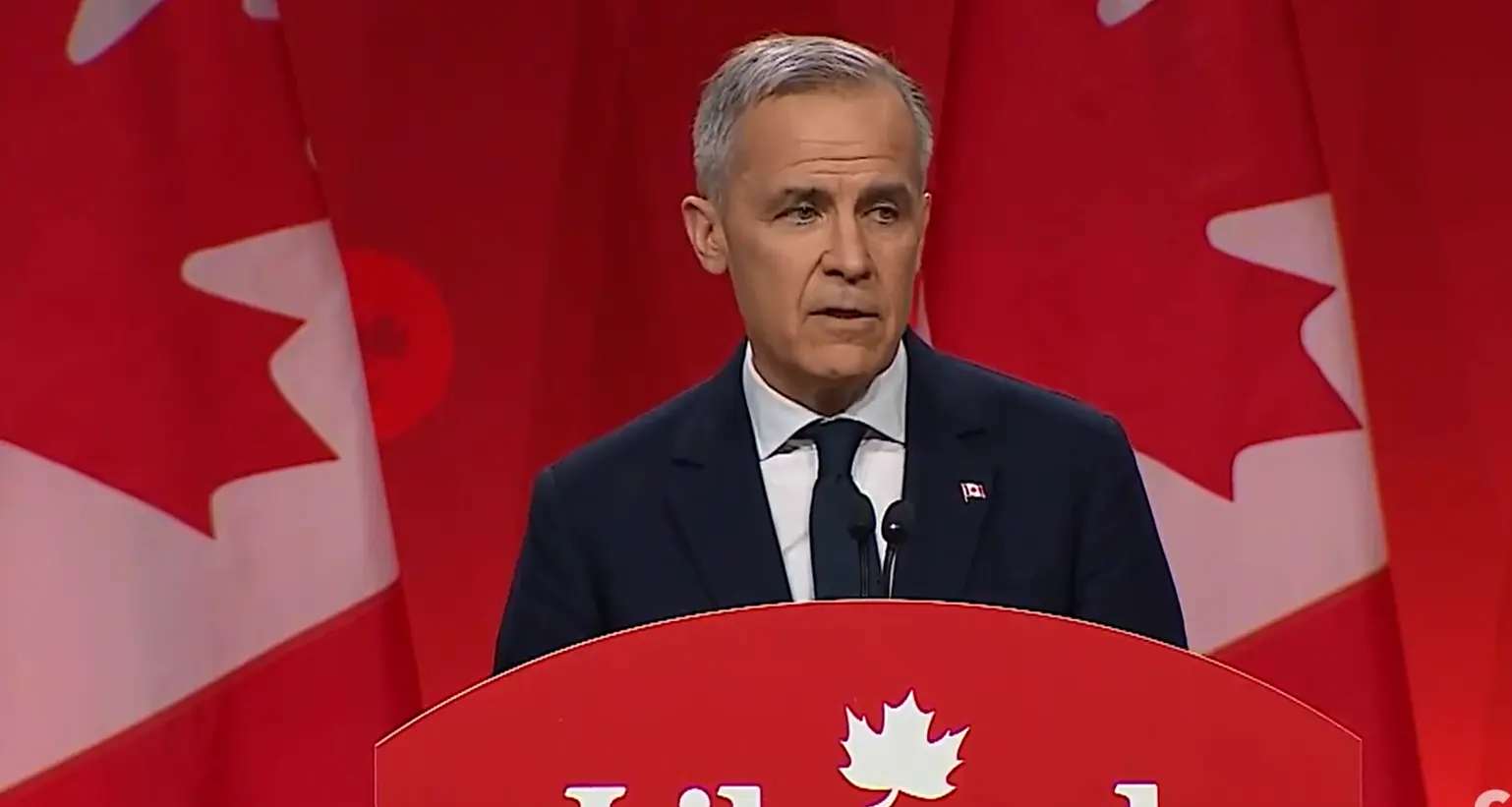
Watch for any statement from Prime Minister Mark Carney on whether Canada adjusts its counter-tariff list or offers new concessions. And watch for any U.S. decision on autos and parts, which would be the clearest signal of whether Washington intends to preserve the integrated North American production model or push for a harder renegotiation.
Frequently Asked Questions
Why did Canada’s US trade surplus widen in August 2026?
The surplus widened to C$11.2 billion because Canadian exporters likely accelerated shipments ahead of new U.S. tariffs that took effect on 22 August 2026, while Canadian imports from the United States fell 2.5%, led by an 8.8% drop in motor vehicles and parts.
What tariffs are currently in force between Canada and the United States?
Three US presidential proclamations signed on 20 July 2026 imposed an additional 50% duty on listed Canadian dairy products, alcoholic beverages and motor vehicles; the start date of 19 August was paused, and the duty took effect at 12:01 a.m. Eastern Time on 22 August 2026. Canada imposed matching counter-tariffs on C$27.6 billion of U.S. products effective 8 September 2026.
Is the USMCA still in effect?
Yes, USMCA rules remain legally operative as of October 2026. However, the United States declined on 1 July 2026 to renew the agreement in its current form, triggering annual reviews through 2036 rather than automatic continuation.
What is Mexico’s position in the USMCA review?
Mexico is pursuing a pragmatic strategy: preserving preferential access to the U.S. market, avoiding measures that weaken North American supply chains, and seeking exemptions for Mexican exporters while using Canada’s dispute with Washington as leverage in its own negotiations.
How will the tariffs affect U.S. consumers?
U.S. consumers are likely to face higher prices on Canadian vehicles, vehicle parts, dairy products and alcoholic beverages where substitutes are limited. The price effect will not be uniform, as importers may absorb part of the tariff through lower margins.
Will Canada’s trade surplus with the United States keep growing?
Probably not. The August surge likely reflects front-loading ahead of tariff deadlines. Shipments may weaken in subsequent months once pre-tariff inventories are exhausted and the duties are paid.