 By The Epoch Times | Created at 2026-08-14 21:02:02 | Updated at 2026-08-14 23:08:10
2 hours ago
By The Epoch Times | Created at 2026-08-14 21:02:02 | Updated at 2026-08-14 23:08:10
2 hours ago
Beijing has prepared strategies to counter the United States in various scenarios ahead of ruling Chinese Communist Party (CCP) leader Xi Jinping’s visit, including potentially canceling the trip, according to insiders within the CCP’s system who spoke with The Epoch Times in recent days.
U.S. President Donald Trump announced in July that Xi is expected to visit the United States on Sept. 24, and the two sides will once again discuss topics such as artificial intelligence.
Insiders within the CCP system indicated that, prior to Xi Jinping’s visit to the United States, Beijing could tolerate targeted sanctions, corporate investigations, and export restrictions by the United States. However, if the Trump administration escalates actions regarding Taiwan, financial sanctions, the overseas assets of senior CCP officials, or blockades on critical technologies, the CCP could cancel Xi’s visit.
Zhen Liang, a source close to the CCP’s diplomatic and commercial system who used a pseudonym out of fear of reprisal, told The Epoch Times that the option of canceling Xi’s trip was included in the CCP’s internal discussions.
“China also has rare earths, pre-pharmaceutical materials and other scarce materials, which can be used to counter the United States,” he said. Recently, the Ministry of Commerce announced the launch of a national security investigation on imported products, which will have limited impact on the United States and the West, according to Zhen. “The CCP’s foreign trade department’s current focus is still on pursuing trade surplus and wanting to earn more U.S. dollars,” he said.
The Chinese Ministry of Commerce announced measures to strengthen export controls on drone-related dual-use items to the United States earlier this month.
The Commerce Ministry said the sanctions are in response to recent moves from the United States, including a ban by the U.S. Federal Communications Commission on imports of Chinese drones, and the Department of Homeland Security’s decision to add 43 Chinese companies to the Uyghur Forced Labor Prevention Act Entity List, banning their imports over alleged links to forced labor in Xinjiang in July.
A spokesperson for China’s Department of Commerce said China’s countermeasures were “restrained in general” and that China “values the hard-won stability of China-U.S. economic and trade relations.” After launching the countermeasures, Beijing emphasized restraint, leaving room for Xi’s visit to the United States and follow-up negotiations, Zhen said.
Zhen also said that while the CCP seeks to use rare earths and supply chains to force concessions from the United States, it dares not risk a full-scale decoupling.
The CCP mistakenly believes it can leverage its market and resources to compel the West to yield, when in reality, it is driving nations to reduce their reliance on China, he said. “This approach is tantamount to self-sabotage; continuing to hold the Chinese economy hostage to political struggles [that] will ultimately harm Chinese enterprises and ordinary citizens, while the CCP itself is unlikely to meet a good end.”
3 Scenarios
Rao Yiming, another insider within the CCP’s system who used a pseudonym out of fear of reprisal, told The Epoch Times that the Party is currently discussing three potential strategies and scenarios regarding the United States.
“The first option entails Xi Jinping proceeding with his visit to the United States as planned. Beijing would calibrate any countermeasures to ensure that points of contention do not derail the summit, while attempting to leverage concessions—such as trade purchases, cooperation on artificial intelligence, measures concerning fentanyl and rare earths, or expanded market access for companies—to secure a relaxation of certain U.S. sanctions on China,” Rao said.
A second scenario is that “Xi Jinping visits the United States as scheduled but does not seek significant substantive outcomes. Meetings with Trump could take place, yet likely yield only symbolic documents, with little progress on issues such as Taiwan, chips, and strategic security. Beijing would still roll out measures like corporate lists, export controls, and security investigations, but would not implement them all at once,” he said.
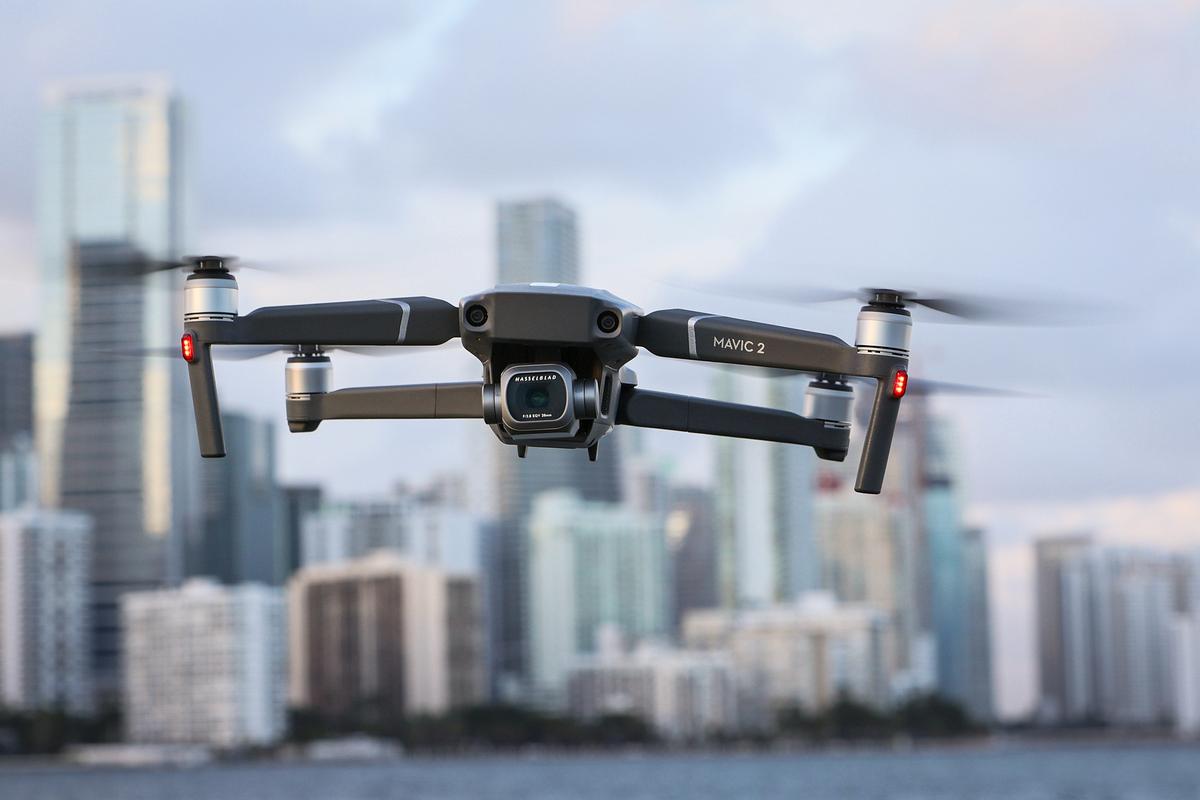
A China-made DJI Mavic 2 Pro drone hovers in Miami on Dec. 15, 2021. Federal agents allege Yinpiao Zhou of China used a similar drone to fly over national security airspace above Vandenberg Space Force Base in California on Nov. 30, 2024. Joe Raedle/Getty Images
The third scenario deals with a further escalation of U.S. sanctions, Rao said. “Should the United States intensify measures regarding Taiwan, financial sanctions, the assets of senior CCP officials, or blockades on critical technologies, the CCP might postpone or cancel Xi’s visit and expand countermeasures targeting rare earths, drones, supply chains, and U.S. companies operating in China.”
Rao said that whether these three proposals gain top-level leadership approval depends on the conclusion of the Beidaihe meeting.
“The Central Foreign Affairs Commission, the State Council, the Ministry of Commerce, and other departments must first offer their views, with the final decision resting with Xi Jinping,” he said.
Xue Xiaoguang contributed to this report.