By The Rio Times | Created at 2026-08-12 08:03:40 | Updated at 2026-08-12 09:00:52
1 hour ago
By The Rio Times | Created at 2026-08-12 08:03:40 | Updated at 2026-08-12 09:00:52
1 hour ago
Chile · Business
Key Facts
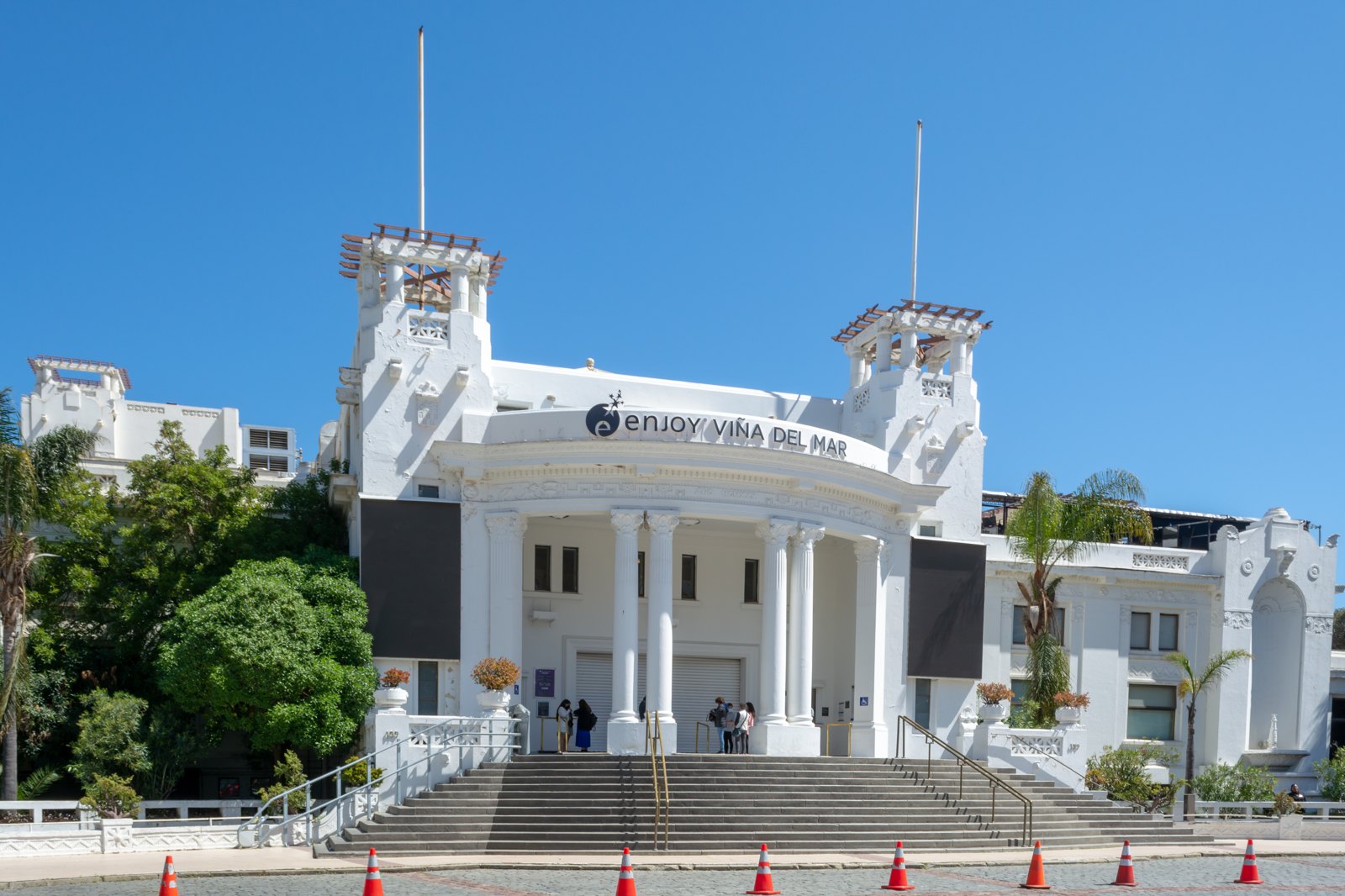
- No bidders Viña del Mar and Iquique received zero offers in the 11 August 2026 round.
- Single offers Coquimbo and Pucón each attracted exactly one bidder.
- Re-tender needed The Superintendencia de Casinos de Juego (SCJ) will launch new processes for the two deserted concessions.
- Legal hurdle Chile’s Competition Tribunal (TDLC) rejected attempts to suspend the four tenders before the deadline.
- License terms The concessions on offer run for 15 years in all four municipalities.
- Next steps The SCJ must now set fresh schedules for Viña del Mar and Iquique, with no confirmed dates yet.
The empty seats at the table tell a bigger story than the two lone bids — operators are voting with their spreadsheets, and the regulator’s next move will test whether the market still believes in Chile’s casino map.
If you were watching Chile’s casino tenders on 11 August 2026, you saw a quiet room. Viña del Mar and Iquique drew no bidders at all.
Coquimbo and Pucón each got a single offer. Chile’s casino tenders were supposed to refresh the gambling market for 15 years.
Now they are partly back to square one. The SCJ has to re-tender the two empty concessions.
The process went ahead only after the TDLC rejected last-minute suspension attempts.
One-stop reference
Company Intelligence
Every listed company in Latin America — financials, ownership and structure for 1,450+ companies across 26 exchanges, in one place.
Why the Room Emptied
The lack of interest in Viña del Mar and Iquique is not a random blip. Viña del Mar is one of Chile’s most established casino markets.
It sits in the heart of the tourism and convention circuit. Iquique, up north, has its own loyal visitor base.
A port economy keeps foot traffic flowing there. Yet neither site pulled a single offer when the deadline hit.
Operators do not walk away from those locations without reason. The 15-year license term is long.
The financial math has to work from day one. Upfront fees and investment commitments weigh on the decision.
Uncertainty about future tax or regulatory changes also matters. When a tender draws zero bidders, the expected return is too low.
It does not clear the hurdle that companies set internally.
The Legal Fight That Didn’t Stop the Clock
The tenders only reached the offer stage because the TDLC refused to suspend them. That ruling came after attempts to halt the four processes.
It let the SCJ keep the schedule moving up to the submission deadline. For the regulator, that was a win.
The legal challenges did not derail the calendar entirely.
But the TDLC’s decision did not manufacture demand. It simply cleared the path for offers to arrive.
In two cases, none did. Legal uncertainty may have played a role in the weak turnout.
It is hard to separate that from the broader economics. Companies waiting for court rulings got their answer.
Many still chose to stay out.
What the Single Bids Mean for Coquimbo and Pucón
Coquimbo and Pucón each received one offer. That is better than nothing but hardly a stampede.
A single bidder gives the SCJ limited room to compare terms. It also gives that bidder significant leverage in any negotiation.
The regulator will still review the technical and financial details. The competitive tension that drives better terms is missing.
For the two towns, the lone offers keep the process alive. Coquimbo is a growing regional hub.
Pucón is a tourism-driven destination in the south. A single bidder may still deliver a viable casino.
The SCJ will have to scrutinize the offers closely. They must meet legal requirements and the public-interest test that Chilean casino law demands.
Why This Matters for You
If you live in Latin America, this is a signal worth reading. It also matters if you have money invested in the region.
Chile’s casino tenders show how operators view the investment climate. Two prime concessions going empty suggests costs and risks outweigh rewards.
That is the view of the people who run these businesses.
For expats and nomads, the impact is more local. A re-tender in Viña del Mar and Iquique pushes back the timeline for new casinos.
It also delays the jobs and tourism they bring. For investors, the weak response is a reminder.
Legal wins in the tribunal do not translate into commercial interest. The SCJ must figure out what went wrong.
It may need to change the terms before trying again.
Frequently Asked Questions
Why did no one bid for Viña del Mar and Iquique?
The SCJ has not given a public reason yet. Analysts point to high upfront costs and long-term tax uncertainty.
The legal fight also hung over the process. The TDLC’s decision cleared the way for bids.
It did not make the financial case more attractive.
What happens to the two empty concessions now?
The SCJ will launch new tender processes for Viña del Mar and Iquique. No dates have been announced.
The regulator will likely review the failed round’s terms. It wants to see what discouraged bidders before setting a new schedule.
Will the single bids in Coquimbo and Pucón be accepted?
Not automatically. The SCJ still has to evaluate the technical and financial offers.
A lone bid can be accepted if it meets all legal requirements. The regulator has the option to reject it.
It can re-tender if the offer falls short.
Sources: Superintendencia de Casinos de Juego (SCJ); Diario Financiero; La Tercera, August 2026.