 By The Rio Times | Created at 2026-10-19 13:11:24 | Updated at 2026-10-19 14:57:16
2 hours ago
CHINA · ANALYSIS
Key Facts
- —Why it matters Chinese manufacturers are redirecting surplus production toward Latin America, where tariffs are lower than in the United States and demand for affordable clean technology is growing.
- —Who is who Brazil and Mexico are the main market battlegrounds, while Chile and Argentina supply lithium that China converts into batteries and vehicles.
- —What to watch Whether Chinese firms shift from exporting finished vehicles to assembling them in Mexico and Brazil, and how Washington responds to that shift.
- —What it means for you US investors and policymakers should watch whether Chinese assembly in Mexico becomes a backdoor into North American supply chains, potentially triggering tighter origin rules.
China EV exports Latin America are surging as Beijing redirects surplus clean-technology production toward markets with lower trade barriers than the United States. The shift is forcing Brazil and Mexico to choose between protecting domestic industry and embracing cheaper electric vehicles, while Washington watches whether Mexican assembly becomes a tariff-avoidance channel.
Latin America has become the newest front in the global competition over electric vehicles, batteries and solar equipment. This analysis, drawn from the Asia Intelligence Brief, explains what China’s US$28 billion green-export surge means for the region’s trade balances, industrial ambitions and relationship with the United States.
The Export Surge Behind the Headline
China’s September 2026 exports of the ”new three” product groups—electric vehicles, lithium-ion batteries and solar cells—rose nearly 70% year on year.
The surge reflects structural overcapacity rather than a one-off demand spike. Nearly 22 million electric cars were produced globally in 2025, with China accounting for nearly 75%; China produced about 16 million, and that output exceeded domestic demand by 20%.
China produced nearly three-quarters of the almost 22 million electric cars in 2025 and more than 80% of battery cells.
A short-term factor also boosted September’s numbers. Automakers accelerated deliveries before a planned reduction in China’s export-tax rebates, creating a possible year-end pull-forward effect that may temporarily inflate the figures.
The underlying dynamic remains clear: Chinese manufacturers have more capacity than their domestic market can absorb, and they are directing the surplus toward regions where tariffs are lower than in the United States or Europe.

Follow this story
Get an email when there’s news on trade policy
Free. One email a day at most, and only when there is news. This also signs you up to our weekday newsletter, The LatAm Brief. Nothing arrives until you click the confirmation link, and you can stop either with one click. Privacy policy.
Brazil: The Largest Immediate Test
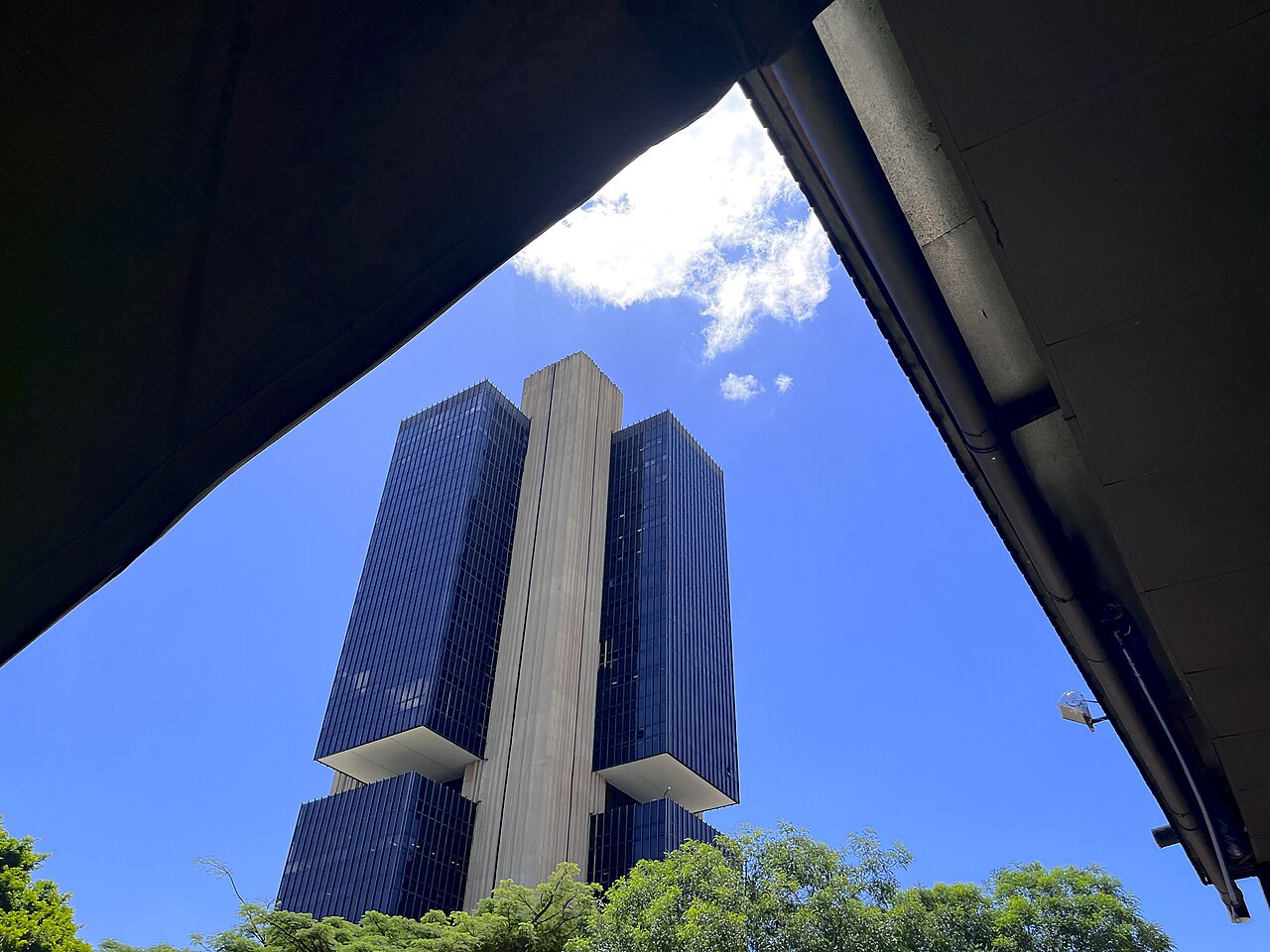
Brazil is both a major vehicle market and a significant industrial base, making it the most consequential Latin American battleground for Chinese green exports. The country’s tariff on fully assembled electric vehicles rose to 35% in July 2026, while completely knocked-down vehicles remained at 14% until the end of 2026.
Yet the higher duty has not stopped Chinese vehicles from entering.

The Policy Trade-Off
Brazil faces a difficult balance between consumer benefits and industrial protection. Consumers gain from lower prices, more models and faster EV adoption, while automakers face pressure to invest in batteries, software and electric platforms rather than rely on combustion-engine production.
Workers and suppliers risk displacement if imported vehicles arrive faster than local plants are converted. The trade balance may worsen if Brazil imports vehicles and batteries while exporting comparatively lower-value commodities.
Industrial policy can attract Chinese factories, but only if local-content rules generate genuine engineering, component and battery activity rather than simple assembly. Chinese investment therefore offers Brazil a possible industrial upgrade—but also a risk of becoming an assembly location dependent on imported cells, electronics and intellectual property.
Mexico: A Market and North American Gateway
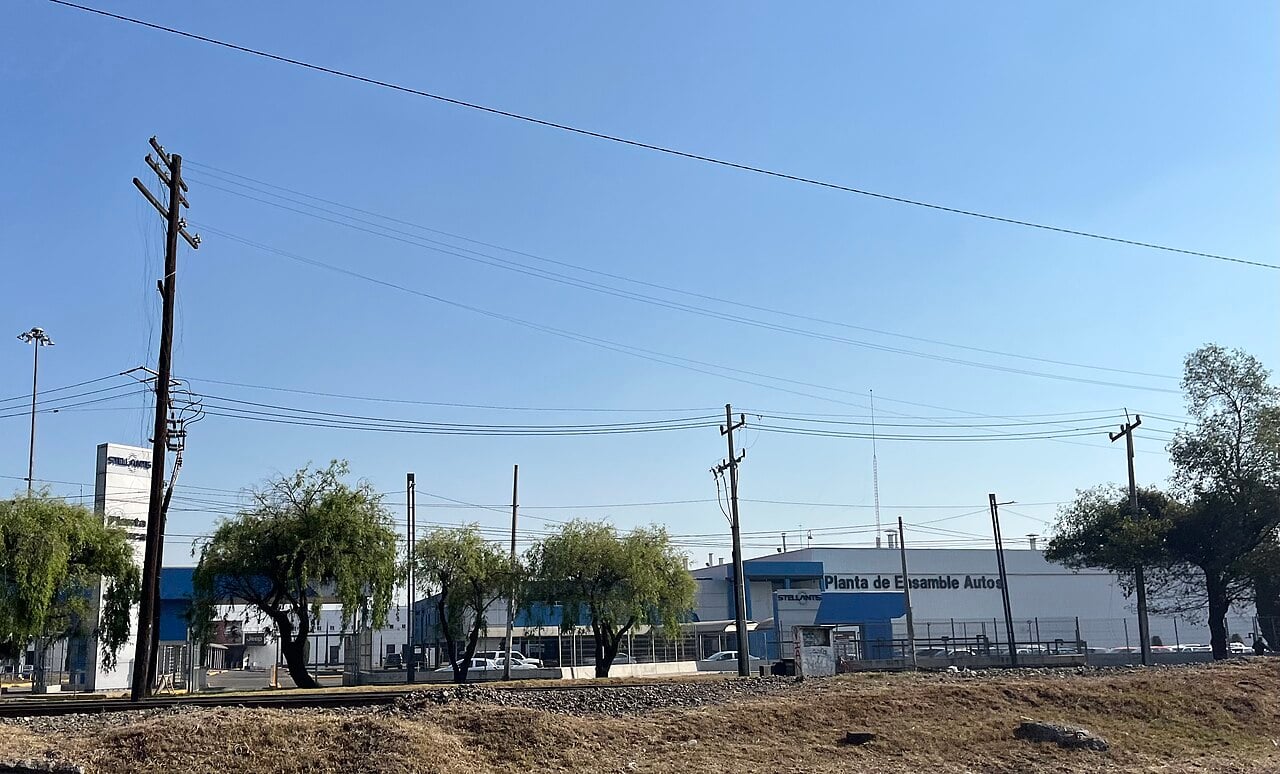
Mexico is simultaneously a large consumer market, a vehicle-production hub and a strategic gateway into North America. The country’s general import tariff for passenger vehicles from countries without a free-trade agreement rose to 50% from January 1, 2026.
But tariffs have not removed Chinese brands from the market.
This produces a more complex outcome than simple protectionism.
Finished-vehicle imports become less attractive, Chinese firms gain an incentive to assemble in Mexico, and Mexico becomes more valuable as a production base for the Mexican market and potentially for North American supply chains. The United States gains a reason to scrutinize whether Chinese companies are using Mexico to bypass US tariffs or qualify for regional trade benefits.

Lithium: Latin America Supplies, China Converts
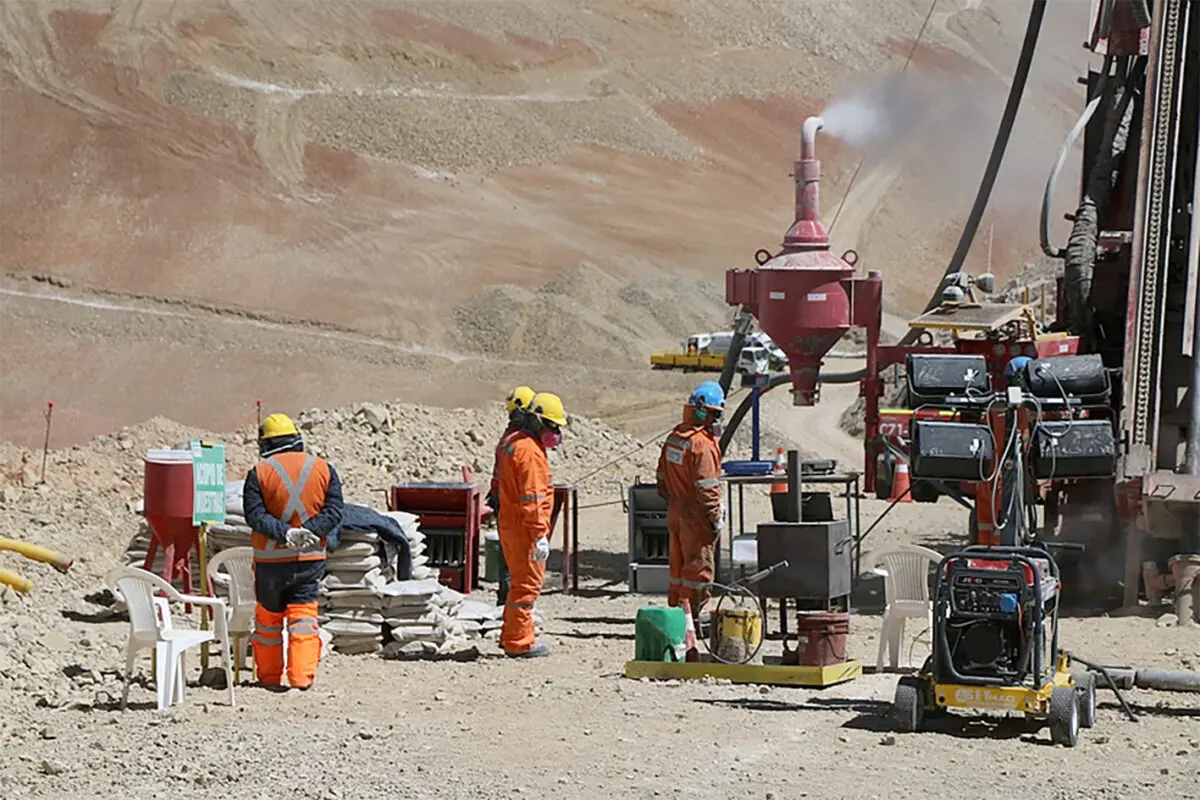
Chile and Argentina are central to the lithium side of the story, but mining alone does not guarantee strategic leverage. Chile is one of the world’s leading lithium producers, with production concentrated in brine operations in the Atacama region, while Argentina is expanding rapidly through projects in its northwest, especially in Jujuy, Salta and Catamarca.
The two countries can benefit from the battery boom through exports, royalties, infrastructure and foreign investment. However, the highest-value stages—chemical conversion, cathode and anode materials, cell manufacturing, battery management systems and vehicle integration—remain heavily concentrated in Asia.
That creates a strategic asymmetry: Latin America can export lithium carbonate or concentrate, while China can convert inputs into batteries and vehicles at scale.
Chinese firms can then sell the finished products back into Latin America. The region captures less value unless it develops refining, precursor chemicals, cells and component manufacturing.
For Chile and Argentina, the policy question is whether to maximize near-term mining investment or require more downstream processing. Demanding local value addition could improve industrial development but may slow projects if electricity, water, transport, permitting and technical capacity are inadequate.
What This Means for US Tariff Policy
The US already applies a 100% tariff on Chinese electric vehicles under Section 301, according to reporting cited in the Brazilian trade analysis. That policy effectively closes the direct US passenger-EV market to most Chinese imports, but it does not eliminate Chinese competition. It redirects export capacity toward Latin America, the Middle East, Southeast Asia and other markets.
The most significant risk for Washington is that Mexico could become a tariff-avoidance channel. If a Chinese company assembles vehicles in Mexico, the crucial question is whether the vehicle qualifies as Mexican or North American under applicable rules of origin.
US policymakers are likely to focus on Chinese ownership and control, Chinese battery cells and critical minerals, local content, software and connected-vehicle data, subsidies and below-market financing, and the extent of actual Mexican processing. A Mexican assembly plant that imports most high-value components from China may look locally produced in customs statistics while remaining Chinese in economic substance.
That is the scenario most likely to trigger tighter US origin rules, additional duties or exclusion from US tax incentives. US policy is shifting from a simple border-tax question to a supply-chain question, where even Mexican preferential market access may not protect Chinese-linked batteries, minerals and components from restrictions.
Washington may pressure regional partners to adopt screening rules, subsidy conditions and supply-chain standards aligned with US policy. But excessive pressure could produce the opposite result, as Latin American governments may resist policies that make EVs more expensive or limit access to Chinese capital.
Principal Risks for Latin America
Latin America could replace oil dependence with dependence on imported batteries, software and vehicle platforms. Higher-value local parts suppliers may lose business if Chinese vehicles arrive largely complete or if assembly plants import nearly all critical components.
Trade deficits may widen as Brazil’s experience already shows. The region also faces a market-concentration risk: if Chinese battery demand or prices weaken, lithium producers may face lower revenues and delayed projects.
If the United States or other markets impose origin restrictions, projects connected to Chinese capital or technology could also encounter export barriers. The region is not responding uniformly, with Brazil raising tariffs on imported fully assembled EVs while preserving limited preferential treatment for kits and local assembly, and Mexico imposing a 50% general tariff on Chinese and other non-preferential vehicle imports from 2026.
Elsewhere, Latin American governments face pressure to decide whether EVs should be treated as strategic industrial goods or as consumer technologies whose affordability should be protected. Higher tariffs may support local production but can slow decarbonization by making EVs more expensive.
The region also has to distinguish between vehicles and other green technologies. Restricting cheap solar panels or batteries can raise renewable-energy costs, while restricting imported cars may be justified by employment and industrial-policy objectives.
What It Means for You
For US investors and executives, the key question is whether Chinese assembly in Mexico becomes a backdoor into North American supply chains. If it does, expect tighter origin rules, additional duties or exclusion from US tax incentives for vehicles with significant Chinese content.
For US policymakers, the challenge is to combine defensive tariffs with competitive measures: domestic battery production, affordable models, charging infrastructure, allied mineral supply and clear rules for Mexican assembly. A 100% tariff may shield US automakers from direct Chinese EV competition, but it also limits access to lower-cost vehicles.
If Chinese exports make EVs affordable elsewhere in Latin America, the United States risks falling behind in regional market share, charging ecosystems and after-sales networks. The policy response will need to be more sophisticated than border taxes alone.
What Is Not Known
It is also unclear whether September’s surge reflects a temporary pull-forward effect ahead of export-tax rebate reductions or a sustained structural shift. The coming months will reveal whether the pace continues or moderates.
The extent to which Chinese firms will shift from finished-vehicle exports to local assembly in Mexico and Brazil remains uncertain. That decision will depend on tariff levels, local-content rules, access to North American markets and the availability of Chinese capital for factory construction.
What to Watch
Watch whether Brazil renews its zero-tariff quotas for semi-knocked-down and completely knocked-down EV imports beyond the six-month extension granted in June 2026. The quota decision will signal whether Brasília is serious about attracting Chinese assembly investment or prefers to protect domestic manufacturers.
Watch Mexican vehicle import data for the second half of 2026 to see whether the 50% tariff continues to suppress Chinese finished-vehicle imports or whether assembly operations begin to offset the decline. Any announcement of Chinese factory construction in Mexico would be a significant signal.
Watch US trade-policy statements on rules of origin for Mexican-assembled vehicles with Chinese content. Any tightening of origin requirements or exclusion from tax incentives would reshape investment decisions across North America.
Watch lithium project announcements in Chile and Argentina for signs of downstream-processing requirements. If either country demands local refining or precursor chemical production, project timelines and Chinese investment patterns could shift.
Watch China’s export-tax rebate changes and their effect on year-end shipment volumes. A sharp decline in October or November would confirm that September’s surge was partly a pull-forward effect rather than purely structural growth.
Related reading: What China's 36.3% Export Jump Means for Brazil; Evergrande Liquidation Targets Hui Ka Yan's Inner Circle; Is Hong Kong Its Own Country; more from China.
Frequently Asked Questions
What tariff does Mexico impose on Chinese vehicles?
Mexico’s general import tariff for passenger vehicles from countries without a free-trade agreement, including China, rose to 50% from January 1, 2026, under a tariff-law amendment signed by President Claudia Sheinbaum in December 2025.
What is the US tariff on Chinese electric vehicles?
The US applies a 100% tariff on Chinese electric vehicles under Section 301, which effectively closes the direct US passenger-EV market to most Chinese imports but redirects export capacity toward Latin America and other regions.
Could Chinese firms use Mexico to bypass US tariffs?
If Chinese companies assemble vehicles in Mexico, the key question is whether those vehicles qualify as Mexican or North American under rules of origin. A plant that imports most high-value components from China may look locally produced while remaining Chinese in economic substance, which could trigger tighter US origin rules.
China’s September 2026 exports of the “new three” product groups—electric vehicles, lithium-ion batteries and solar cells—rose nearly 70% year on year. The surge reflects structural overcapacity rather than a one-off demand spike, though automakers also accelerated deliveries before a planned reduction in China’s export-tax rebates.
Brazil’s tariff on fully assembled electric vehicles rose to 35% in July 2026, while completely knocked-down vehicles remained at 14% until the end of 2026. Despite the higher duty, Chinese vehicles have continued to enter the Brazilian market.