By The Rio Times | Created at 2026-08-14 07:06:58 | Updated at 2026-08-14 09:54:31
2 hours ago
By The Rio Times | Created at 2026-08-14 07:06:58 | Updated at 2026-08-14 09:54:31
2 hours ago
Colombia · Business
Key Facts
- —What road cargo transport sits in Class IV of Colombia’s occupational-risk system, which the law treats as a high-risk activity
- —Framework the risk scale runs from Class I to Class V under Decreto 1072 de 2015, with Class V the maximum
- —Cost employers pay a higher accident-insurance rate, 4.350% of pay for Class IV and up to 6.960% for Class V
- —New in 2026 a joint transport and labor circular dated 9 March 2026 orders full pay and social-security cover for drivers
- —The catch this is not the special early pension under Decreto 2090 de 2003, and no 2026 decree added cargo drivers to it
The label is real, yet it works mainly through steeper accident-insurance premiums and tougher safety rules. Not the automatic early pension many drivers assume.
One-stop reference
Company Intelligence
Every listed company in Latin America — financials, ownership and structure for 1,450+ companies across 26 exchanges, in one place.
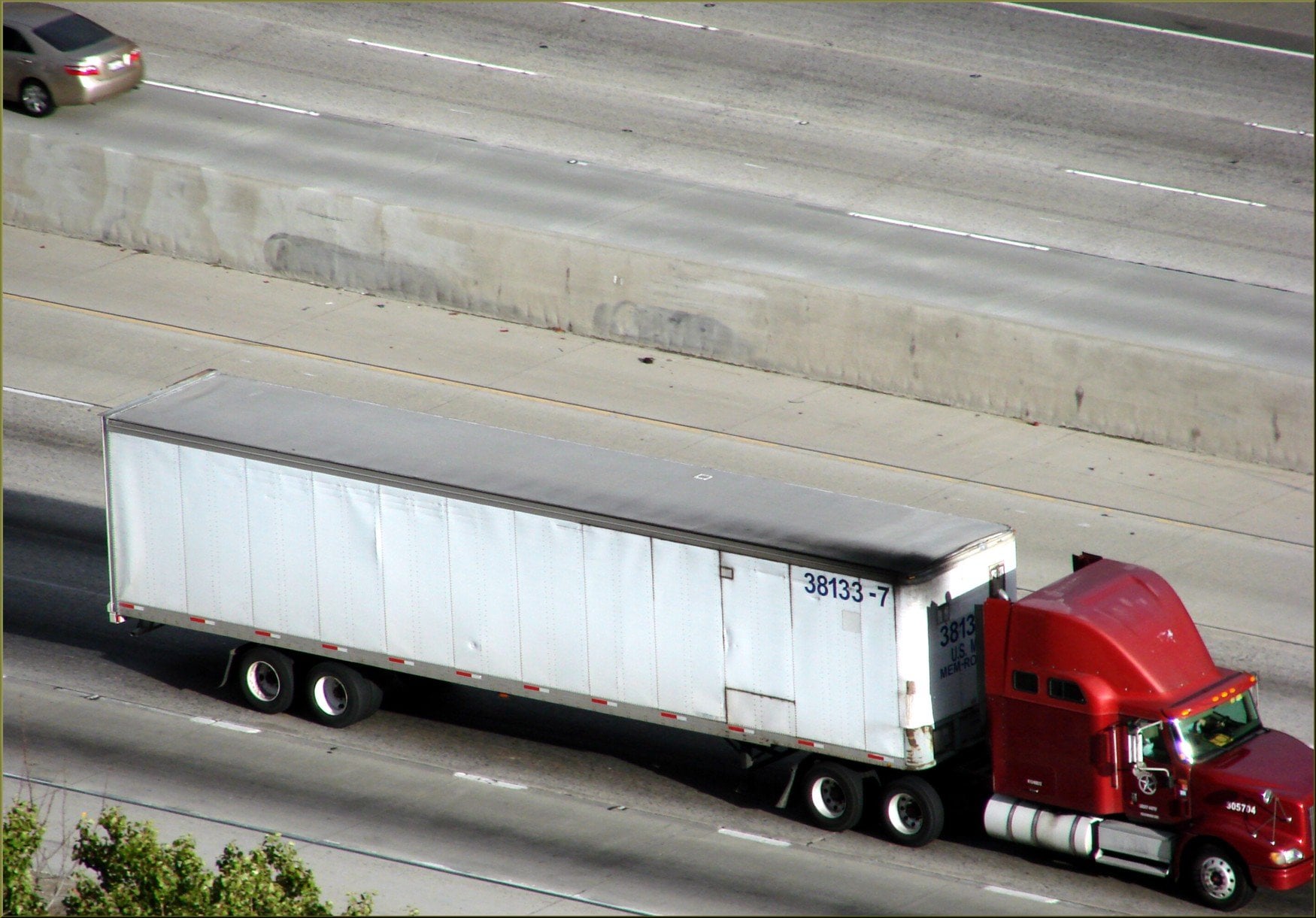
Freight transport counts as a high-risk activity in Colombia. A status tied to the sector’s heavy toll of crashes, long hours and robbery.
For drivers, that label mainly means higher accident-insurance premiums and stricter safety rules, rather than an automatic early pension.
What a High-Risk Activity Means in Colombia
Colombia sorts every job into an occupational-risk system, run through insurers known as ARLs. Because the danger varies by trade, the law places each activity into one of five risk classes.
The scale runs from Class I, the safest desk work, up to Class V, the most dangerous. Under Decreto 1072 de 2015, the top two rungs, Class IV and Class V, are formally treated as high risk.
So a high-risk activity is not just a figure of speech. Instead, it is a legal category that changes what an employer must pay and do.
Where Freight Transport Sits on the Scale
Road cargo transport falls into Class IV, one of the two high-risk rungs. As a result, hauling freight is officially ranked among Colombia’s more dangerous lines of work.
Class V, the very top, is reserved for the most hazardous jobs of all. Still, sitting in Class IV already puts trucking well above office or retail work.
The ranking reflects the daily reality on the road. Because of that, it shapes both insurance costs and safety duties across the sector.
What the Risk Rating Costs Employers
The clearest effect is the accident-insurance premium, which the employer pays in full. The rate climbs steeply as the risk class rises.
For example, Class I costs just 0.522% of a worker’s pay, while Class III sits at 2.436%. By contrast, Class IV, where freight sits, costs 4.350%, and Class V reaches 6.960%.
So a trucking firm pays several times more per driver than a low-risk business. In short, the high-risk label carries a real and recurring price.
Why Cargo Driving Is Considered Dangerous
The rationale is grounded in how hard and hazardous the job is. Drivers face a heavy toll of road crashes, the single biggest threat on any long route.
Long shifts and fatigue add to the danger, since tired drivers react more slowly. In fact, the transport ministry has publicly linked driver exhaustion to crashes.
Robbery and violence are further hazards, especially on isolated stretches. Moreover, drivers cope with vibration, noise, poor posture and steady stress.
The New Rules for Cargo Drivers in 2026
In 2026 the government moved to tighten the rules around this dangerous work. On 9 March 2026, the transport and labor ministries issued a joint circular for the cargo sector.
The circular, numbered 20261300000087, targets companies, vehicle owners and the firms that hire them. Because so many drivers work informally, the aim was to pin down clear duties.
It does not create a new pension or reclassify the trade. Instead, it enforces pay and protections that were already owed.
What the March Circular Requires
At its core, the circular tells the sector to pay drivers properly and cover them fully. That means salary, overtime and surcharges, plus statutory benefits.
It also demands full social-security affiliation for every driver. As a result, firms must sign drivers up for health, pension, occupational-risk and family-fund cover.
On safety, the rules require respecting working hours, rest and breaks. Furthermore, companies must run a health-and-safety system covering maintenance, insurance and training.
High Risk Is Not the Same as Early Retirement
Here is where confusion often creeps in. Being in a high-risk insurance class is not the same as qualifying for Colombia’s special early pension.
The two systems sit in separate laws and serve different goals. The insurance class sets premiums and safety duties, while the special pension lets some workers retire sooner.
So the fact that freight is a high-risk activity for insurance does not, by itself, hand drivers an earlier pension. That benefit follows its own, narrower list.
How the Special Early Pension Actually Works
Colombia’s early-retirement scheme for hazardous jobs lives in Decreto 2090 de 2003. It lets listed workers draw a pension before the normal age.
To qualify, a worker needs at least 700 weeks of a special contribution. The retirement age then drops by one year for every 60 weeks paid above the minimum, down to a floor of 50.
The catch is the cost, which the employer carries. On top of the ordinary contribution, the firm pays an extra 10 percentage points into the pension.
What Changed for the Pension in 2026
The special pension regime was in the news at the turn of the year. Decreto 1435 de 2025, dated 24 December 2025, extended it so covered workers keep their rights.
However, that decree expressly left the list of qualifying activities untouched. Because of that, it did not add cargo transport to the early-pension roster.
As of August 2026, no decree has placed freight drivers on that special list. So, for now, most truckers retire under the ordinary pension rules.
What It Means for Drivers
For a working driver, the practical upshot is twofold. First, the high-risk rating should mean fuller insurance and stronger safety duties from the employer.
Second, the 2026 circular gives drivers firmer ground to demand proper pay and social security. Since informality is rife, that enforcement is the real prize.
Early retirement, though, remains out of reach for most cargo drivers. Overall, the high-risk label buys better protection today, not an earlier exit tomorrow.
Frequently Asked Questions
Is freight transport a high-risk activity in Colombia?
Yes. In Colombia’s occupational-risk system, road cargo transport sits in Class IV.
Does that mean truck drivers can retire early?
Not automatically. The special early pension is a separate regime under Decreto 2090 de 2003.
What did the March 2026 circular change?
Issued on 9 March 2026 by the transport and labor ministries. It orders cargo firms to pay drivers properly and provide full social-security cover and safety measures.
How much more do employers pay for the risk?
The accident-insurance rate rises with the class. Freight sits in Class IV at 4.350% of pay, while the top Class V reaches 6.960%, all paid by the employer.
Sources: Ministerio de Transporte and Ministerio del Trabajo (Circular Conjunta 20261300000087), Funcion Publica (Decreto 2090 de 2003 and Decreto 1072 de 2015), the Colombian normograma (Decreto 1435 de 2025), Colpensiones, Ambito Juridico and Infobae.