 By The Epoch Times | Created at 2026-08-13 14:46:34 | Updated at 2026-08-13 15:43:35
1 hour ago
By The Epoch Times | Created at 2026-08-13 14:46:34 | Updated at 2026-08-13 15:43:35
1 hour ago
U.S. producer inflation was unchanged last month as easing energy and food prices helped lower wholesale costs, new government data show.
July’s producer price index came in at zero percent, from an upwardly revised 0.1 percent decline in June, according to the Bureau of Labor Statistics report released on Aug. 13.
Economists had projected a jump of 0.2 percent.
The pipeline inflation indicator measures the prices businesses pay for goods and services and pass on to consumers, signaling what shoppers can expect to experience in the coming months.
On a 12-month basis, producer inflation slowed to a lower-than-expected 4.7 percent, from 5.5 percent in June.
A divergence in goods and services inflation was reflected in the wholesale inflation report, the bureau said.
Goods prices fell for the second consecutive month by 0.7 percent, with energy being the biggest factor, falling by more than 3 percent. More than half of the index’s decrease was driven by a 5.7 percent slide in gasoline prices. Diesel, jet, and residual fuels also eased.
Food prices fell by almost 1 percent last month due to lower costs for fresh and dry vegetables.
Global energy markets stabilized early last month on optimism that U.S.–Iran hostilities would subside and the Strait of Hormuz would reopen. The fragile ceasefire eventually fell through, sending oil and gas prices higher, which may be reflected in the August data.
A barrel of West Texas Intermediate—the U.S. benchmark for oil prices—is trading above $80 on the New York Mercantile Exchange. Brent, the seaborne global benchmark, is around $87 in overseas markets.
Services inflation, meanwhile, ticked up 0.2 percent, fueled by higher construction (2.2 percent) and portfolio management (6.5 percent) costs.
Excluding food and energy, core wholesale inflation also came in below market estimates, rising 0.2 percent from an upwardly adjusted 0.4 percent. Additionally, removing energy, food, and trade showed the producer price index advancing 0.4 percent.
Economic observers have been combing through underlying inflation trends to determine whether price pressures are filtering through the broader U.S. marketplace.
This comes one day after the bureau released the July consumer price index report. The annual inflation rate eased for the second straight month to 3.4 percent, from 3.5 percent. Core inflation remained tamer, slowing to 2.5 percent from 2.6 percent.
‘Picture Could Change Day to Day’
Whether this impacts monetary policy expectations is unclear due to constant changes in the near-six-month-old war in Iran.
Still, the numbers provide the Federal Reserve with some breathing room, says Luke Rahbari, CEO of Equity Armor Investments.
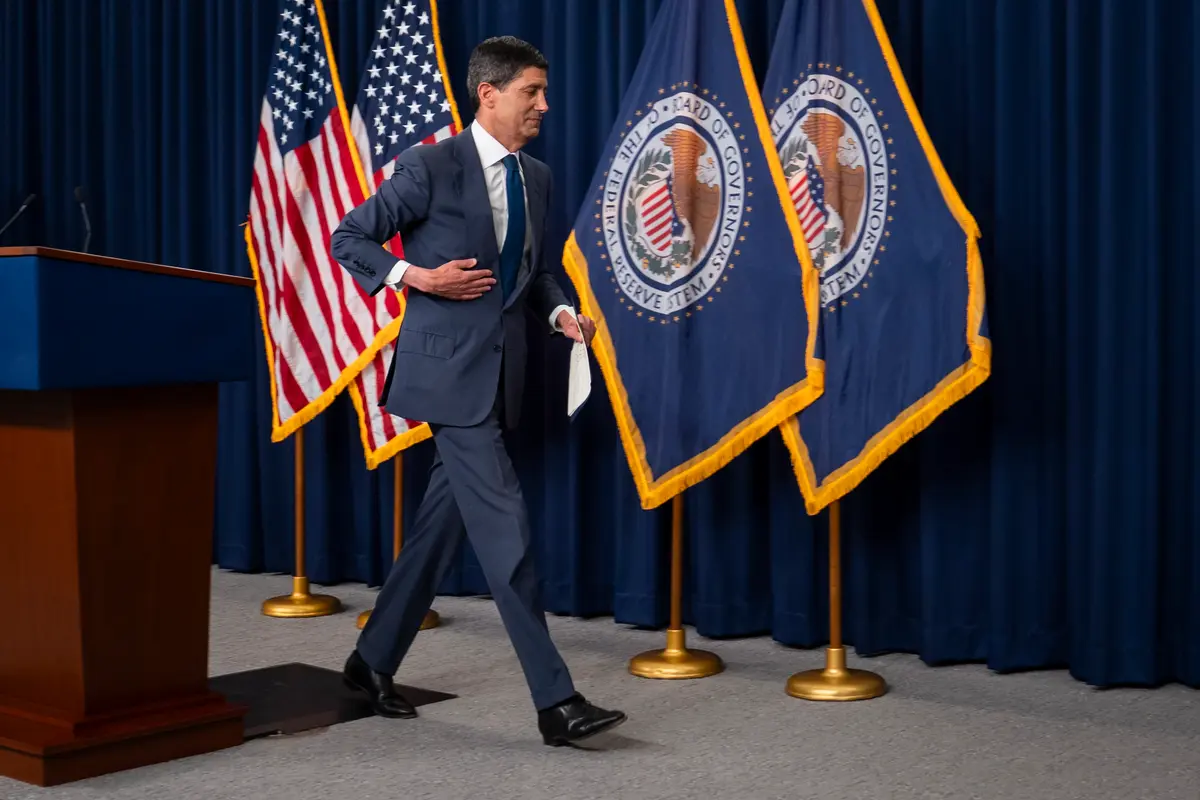
Federal Reserve Chairman Kevin Warsh leaves after speaking during a press conference in Washington on July 29, 2026. Madalina Kilroy/The Epoch Times
“We’re seeing some cooling, but there is no collapse in the economy. Prices in some areas are stabilizing and, in some cases, coming down,” Rahbari said in a note emailed to The Epoch Times.
“That said, we’ve had so many starts and stops with the war in the Middle East, along with wild swings in oil and gasoline prices, that this picture could change day to day.”
Despite being backward-looking and lagging, the latest inflation data could allow the Fed to remain patient before taking action, he added.
Shortly after the wholesale inflation news, traders added to their bets that the Fed will leave interest rates unchanged at next month’s policy meeting. Investors now see a nearly 68 percent chance of no rate move in September, according to the CME FedWatch Tool.
The challenge for policymakers has been which side of the dual mandate to focus on. For months, officials had been sounding alarm bells over persistent inflation. However, due to a weak July jobs report, there have been expectations that the Fed could look at the labor market with caution
Layoffs remain low as the number of people filing for unemployment benefits hovers near historic lows. For the week ending Aug. 8, initial jobless claims jumped by 9,000 to 209,000—higher than market forecasts.
While Fed Chairman Kevin Warsh is shifting away from forward guidance, market watchers will parse through his speech later this month for clues on policy direction.