 By The Epoch Times | Created at 2026-08-15 12:21:03 | Updated at 2026-08-15 13:22:31
3 hours ago
By The Epoch Times | Created at 2026-08-15 12:21:03 | Updated at 2026-08-15 13:22:31
3 hours ago
PRESCOTT, Ariz.—The cowboys and cowgirls were navigating a different kind of landscape—one of rhythm, rhyme and reflections born around the campfire nearly 200 years ago.
Most were cattle ranchers, but each had a story to tell at the 38th Arizona Cowboy Poets Gathering in Prescott.
From Aug. 6–8, more than 40 poets, musicians and songwriters came together at Yavapai Community College for a regional celebration of cowboy culture.
“It’s a hard life—there are no days off,” said Roselynn Fernwalt, a member of the event organizing committee. “It’s just their stories of their lives put to poetry.”
Cowboy poet Kathy Smith of Ivins, Utah, was raised in the high-desert ranching culture of northwest Arizona—a life of freedom, practicality, and time-honored ways.
In a poem about the “Great Reset,” Smith questioned the wisdom of the modern technological world from a cowboy’s perspective.
“Now I don’t think they’ve thought this through. Who will be in charge of this world anew? What is equal and what is fair? And what exactly will we share?
“Will every cowboy get a horse? Well, that’s not possible, of course. Will I get a barn that brims with hay and a place for pigs and chicks to stay?
“No common-sense words have been said. There’s no consensus from what I have read.”
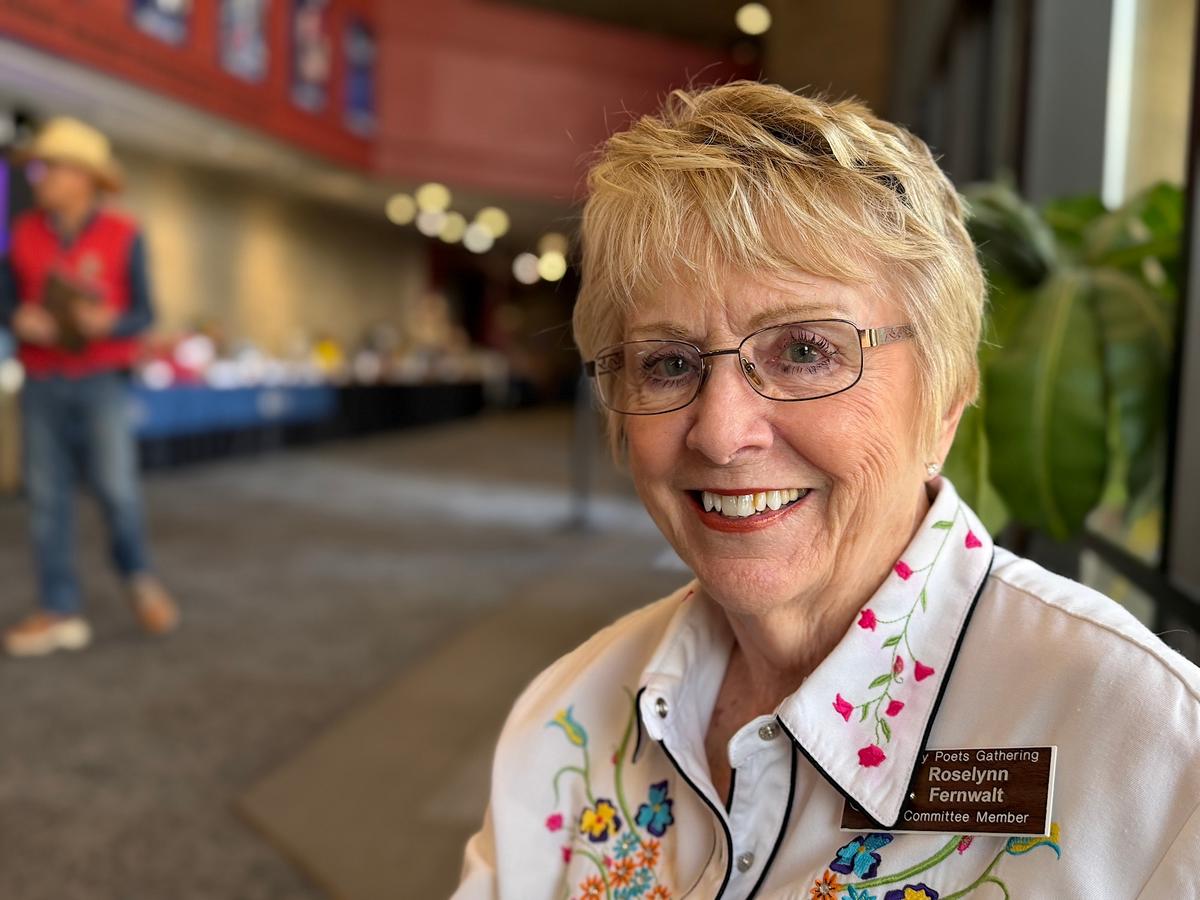
Event organizing committee member Roselynn Fernwalt talks about the 38th annual Arizona Gathering of Cowboy Poets in Prescott, Ariz., from Aug.6-8, 2026. Allan Stein/The Epoch Times
Whether honoring veterans, celebrating love and friendship, confronting loss, raising livestock or expressing patriotism, the poets drew inspiration from personal experience.
“They understand each other and what everybody goes through because they’ve been there,” Fernwalt said.
Her husband, Don Fernwalt, 85, is an Arizona cowboy poet who said he believes in the everyday appeal of the ranching lifestyle and the joys, sorrows and hardships that come with it.
“It really developed during the cattle-drive days—probably before that,” he told The Epoch Times.
“It became something around the campfire at night. You started telling stories. Eventually you started adding music and that sort of thing. So it was kind of just entertainment for the drovers—the wranglers.”
The Pima County Public Library defines cowboy poetry as rhymed, metered verse written by those immersed in Western North American cattle culture beginning in the 1800s.
Its roots trace to the ballad traditions of England and the Appalachian South, with influences from poets such as Robert W. Service and Rudyard Kipling.
The poetry reflects an intimate knowledge of the cowboy way of life and its traditions.
“The form hasn’t really changed much. The stories have obviously changed a little bit,” Don Fernwalt said.
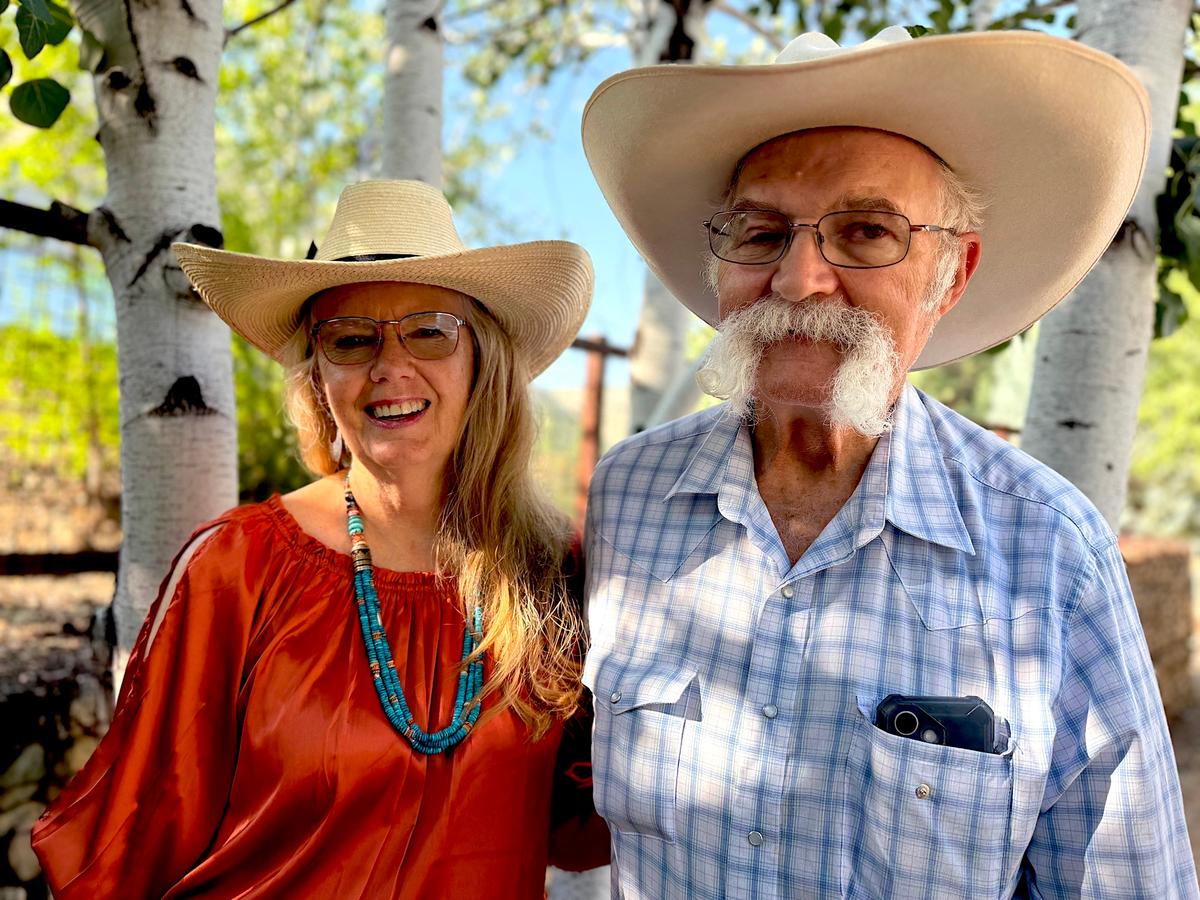
Award-winning cowboy poets Valerie and Floyd Beard during "Coffee With the Cowboys" at the 38th annual Arizona Cowboy Poets Gathering in Prescott, Ariz., on Aug. 8, 2026. Allan Stein/The Epoch Times
“The reality is that [cattle ranching] is a tough life. It’s hard work, long hours and low pay. If you’re the rancher, it’s a hard way. Your profits are not only dependent on the market; they’re dependent on the weather.”
Cowboy poetry is “a labor of love—particularly for the working cowboy,” Fernwalt said.
Novels by Zane Grey and Louis L’Amour helped glamorize cowboy culture—not only for Americans but for audiences around the world.
“They just gobble this stuff up,” Fernwalt said.
Each year, cowboy poets and musicians gather in Arizona and other venues as friends, fellow artists and ranchers.
“We get together and talk about, you know, how’s your ranch doing this year? What’s going on there?” Fernwalt said.
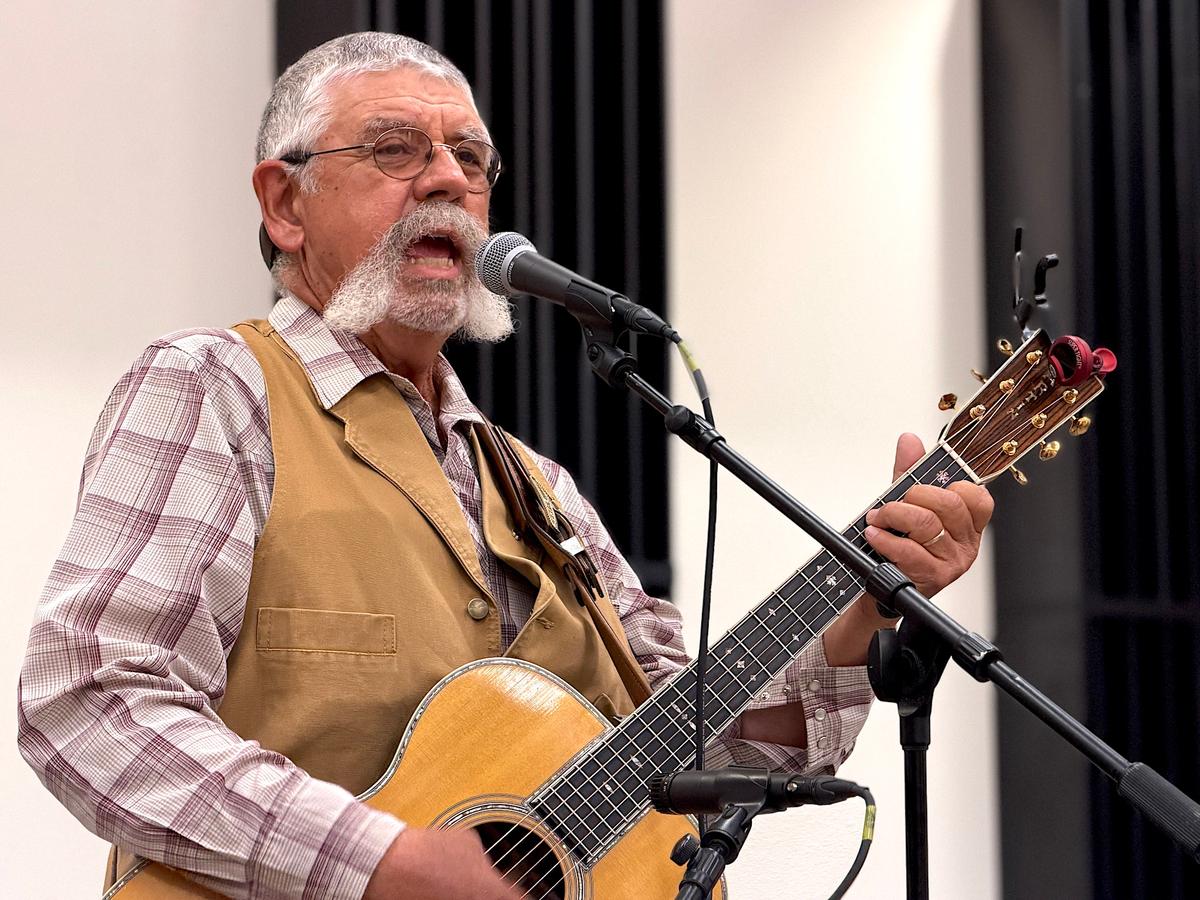
Western singer and rancher Randy Huston from Rociada, N.M., performs a song he wrote during a cowboy poets gathering in Prescott, Ariz., on Aug. 7, 2026. Allan Stein/The Epoch Times
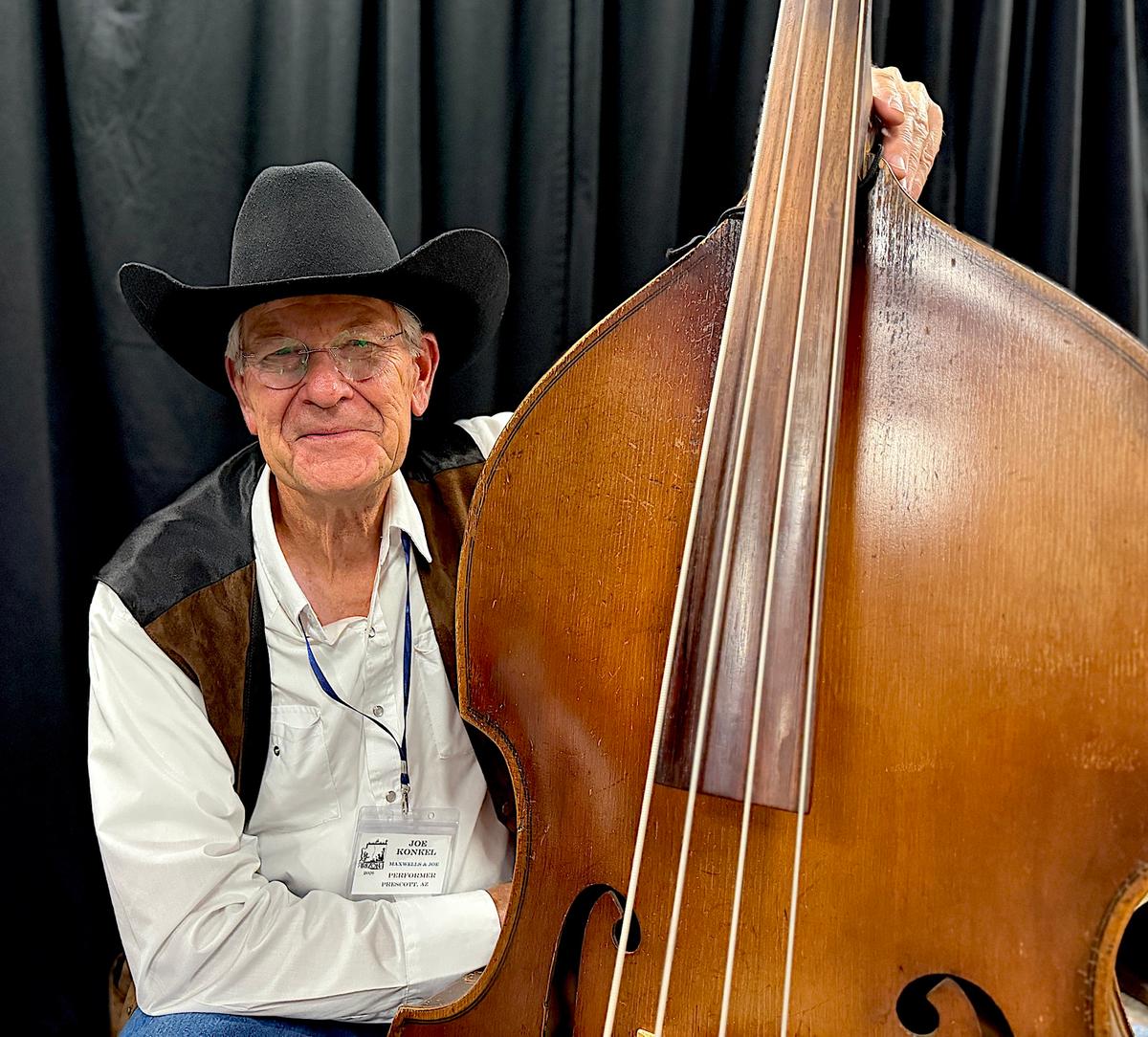
Bass player Joe Konkel of the musical group Maxwells & Joe with his instrument during the 38th annual Arizona Cowboy Poets Gathering in Prescott, Ariz., on Aug. 7, 2026. Allan Stein/The Epoch Times
“And then, again, kind of like the old days on the cattle drives, we don’t sit around the campfire and tell stories. We gather in five different rooms during the day, and we tell our stories to people that want to listen.”
During the three-day gathering, live-stage evening performances alternated with breakout sessions, where audiences could visit with cowboy poets and musicians in a more intimate setting.
On Aug. 8, “Coffee With the Cowboys” offered an hour of authentic cowboy storytelling.
Award-winning poets and ranchers Valerie Beard, 68, and her husband, Floyd, 72, of Colorado, have been married 49 years and performed together for about a decade.
“Forty years ago or so, we didn’t know anything” about cowboy poetry as an art form, Valerie Beard said.
“Floyd just wrote poetry because he liked to, and he didn’t really share it with anyone. But then we went to the Colorado gathering. He'd share [his poetry] with his dad’s elderly groups and nursing homes—church groups.
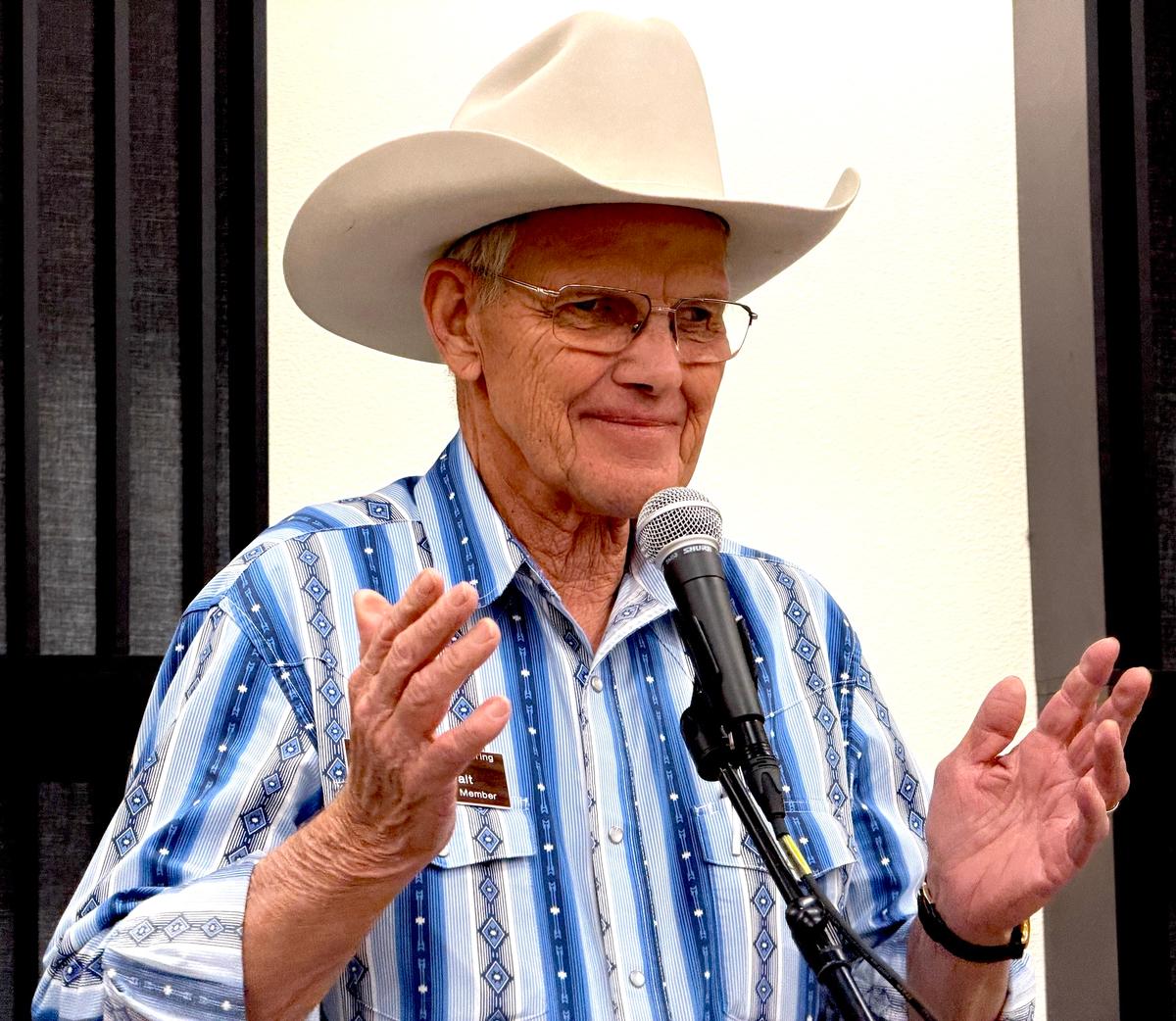
Cowboy poet and event organizer Don Fernwalt recites a poem during a break-out session at Yavapai Community College in Prescott, Ariz., on Aug. 7, 2026. Allan Stein/The Epoch Times
“We found out that they actually do this, and so he'd go there and do poetry.”
Floyd Beard said his poetic inspiration comes from daily observations from the saddle while working cattle.
He acknowledged that ranching is a fading profession, with fewer young people entering the industry and its future uncertain.
Through it all, cowboy poetry remains a connection to a vanishing way of life.
“I see it surviving,” he said. “I don’t know that it keeps cowboy culture alive, but it is a way for a connection.”
Valerie Beard sees cowboy poetry as an enduring celebration of the Western way.
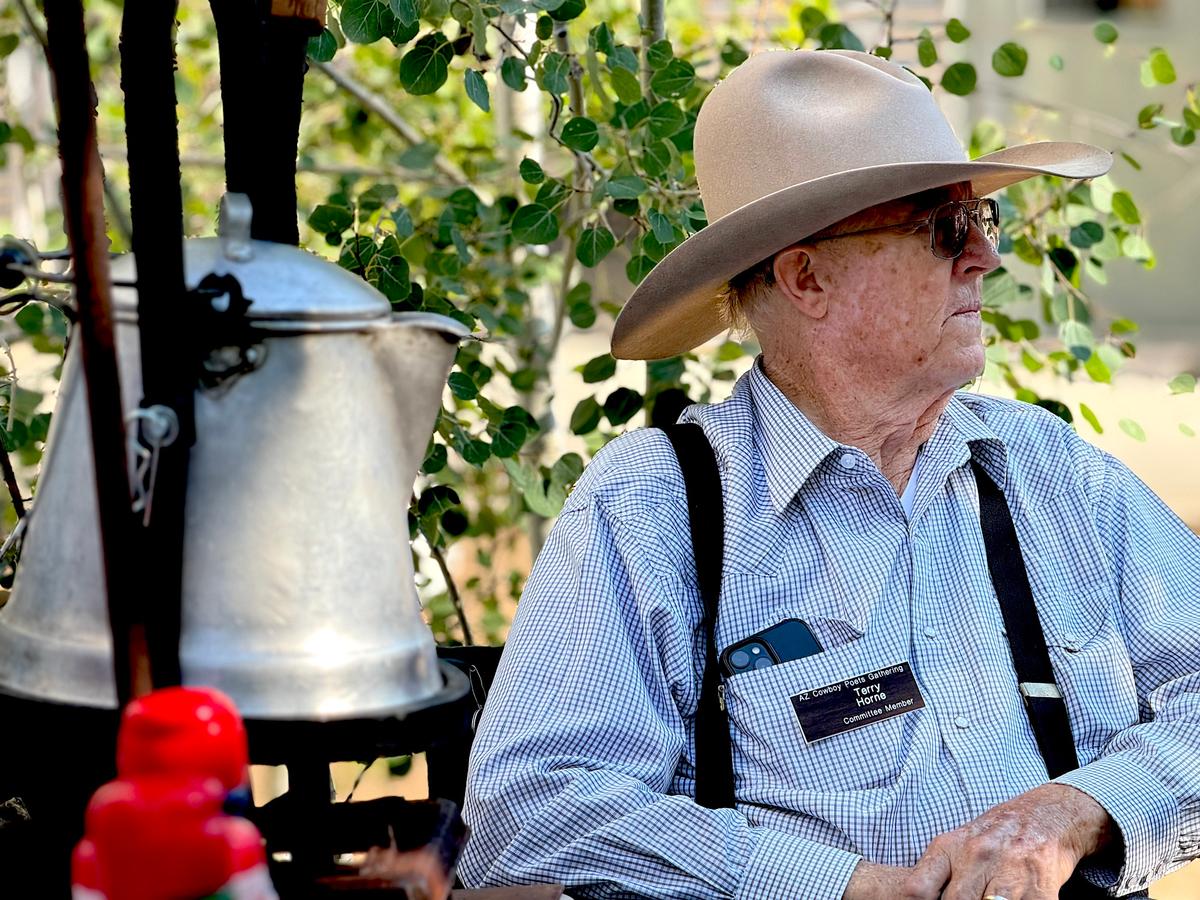
Committee member Terry Horne takes a break during Coffee With the Cowboys in Prescott, Ariz., on Aug. 8, 2026. Allan Stein/The Epoch Times
“There’s fewer of us, but it’s still there. As you can see, people still have a desire for those roots back to that time when they were connected to the land.”
The poetic themes at the gathering weren’t always upbeat. There were reflections on death and tragedy, and what happens when a cowboy’s world collapses.
Clancy Ballard, a cowboy musician from Soper, Oklahoma, grew up ranching in southern Utah, fell in love with the lifestyle, and has been writing songs since his teens.
In “Don’t Pull the Trigger,” Ballard tells the story of a rancher on the verge of losing everything—his cattle, his family, and even his life.
The song reaches a Hamlet-like moment—whether to live or die and escape his burdens.
One day, the rancher saddles his horse and heads out alone, a loaded .45-caliber pistol at his side.
The song ends on a note of hope:
“Your troubles are big, but you’re bigger—so don’t pull the trigger.”
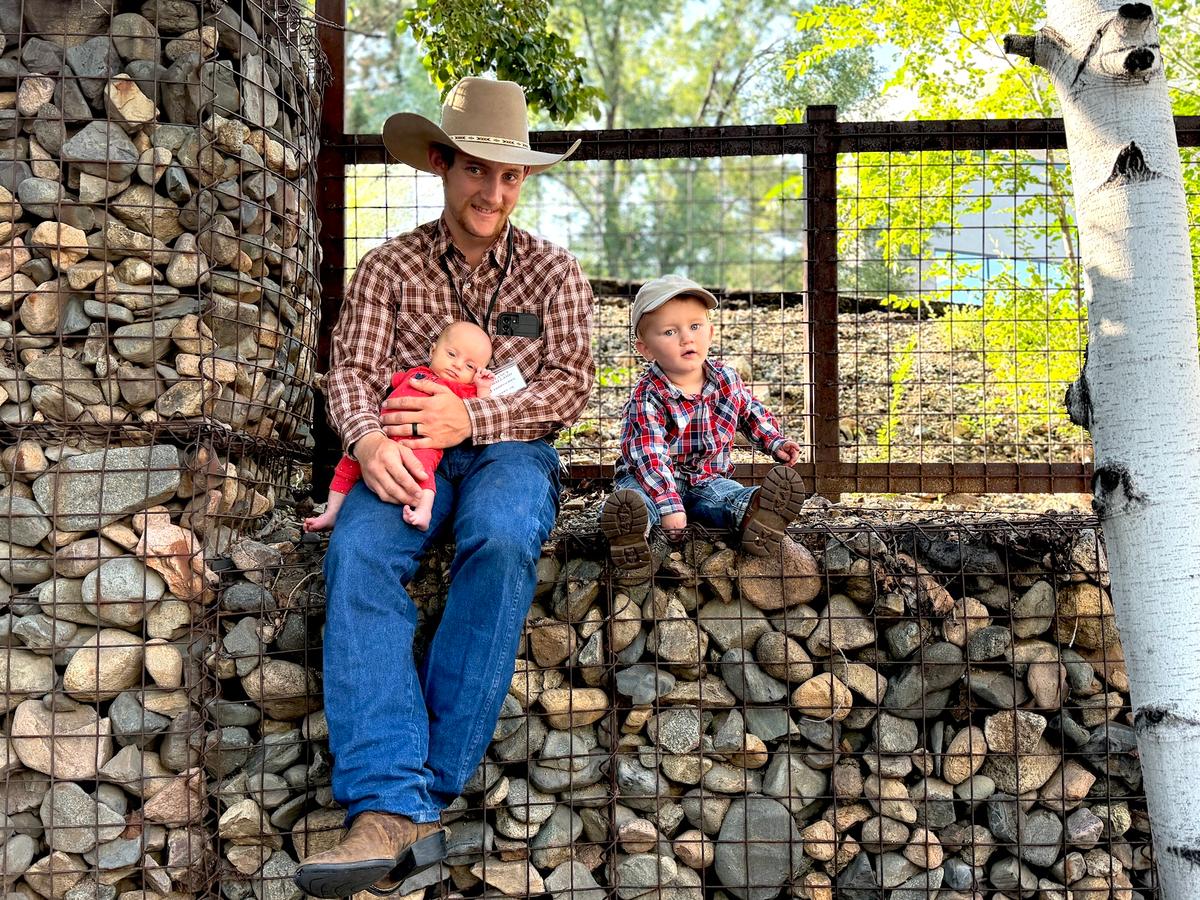
Cowboy singer and songwriter Clancy Ballard with his two children during Coffee With the Cowboys in Prescott, Ariz., on Aug. 8, 2026. Allan Stein/The Epoch Times
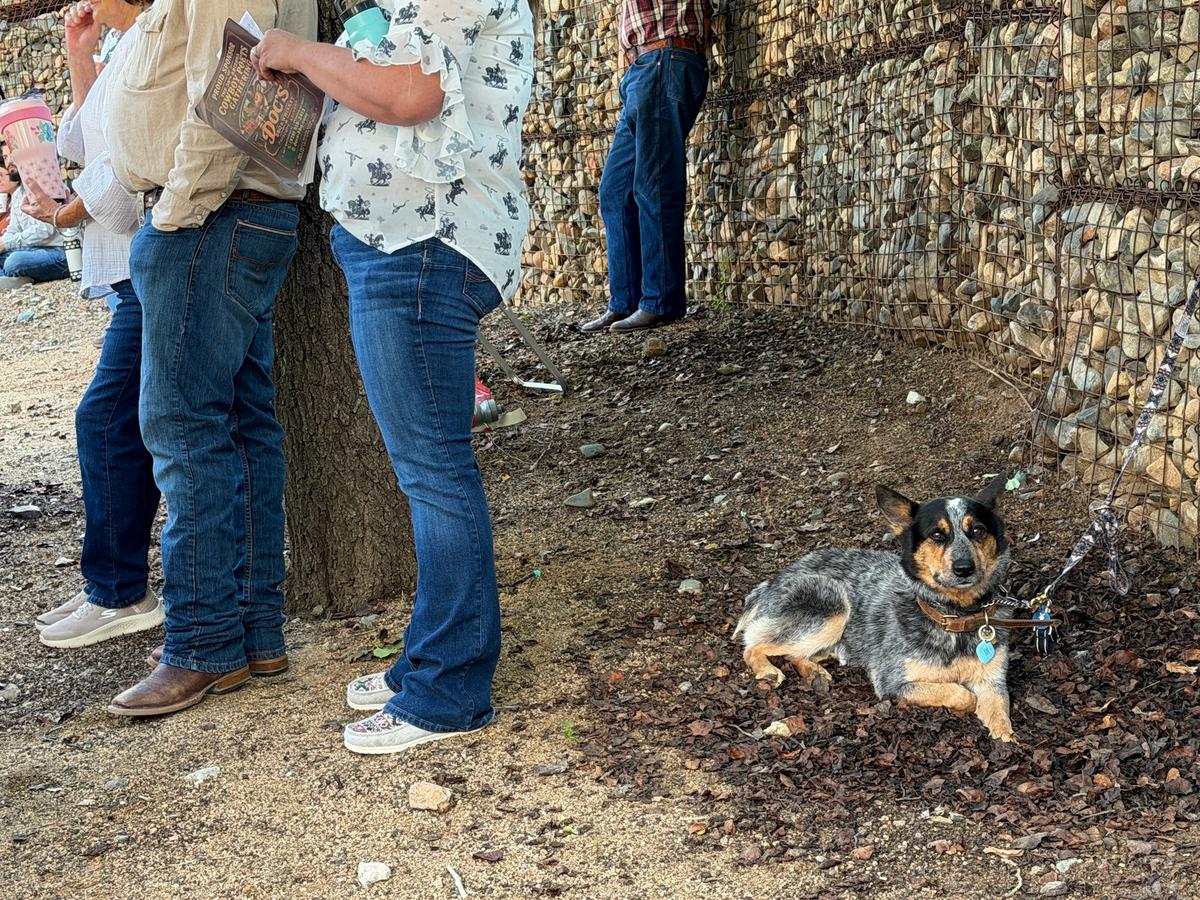
A dog waits patiently for its owner during Coffee With the Cowboys in Prescott, Ariz., on Aug. 8, 2026. Allan Stein/The Epoch Times
Don Fernwalt said the pressures facing modern cowboys are real, as reflected in the poetry and songs they write. To survive as working ranchers, they will have to adapt.
“It’s getting tougher, particularly this year with the drought,” Fernwalt said. “What you read in the fiction books and see on the movie sets doesn’t really capture or highlight the day-to-day struggles.”
“But it’s just that we love this lifestyle.”