By The Rio Times | Created at 2026-06-14 08:11:37 | Updated at 2026-06-14 11:59:11
3 hours ago
By The Rio Times | Created at 2026-06-14 08:11:37 | Updated at 2026-06-14 11:59:11
3 hours ago
Cuba · Economy
Key Facts
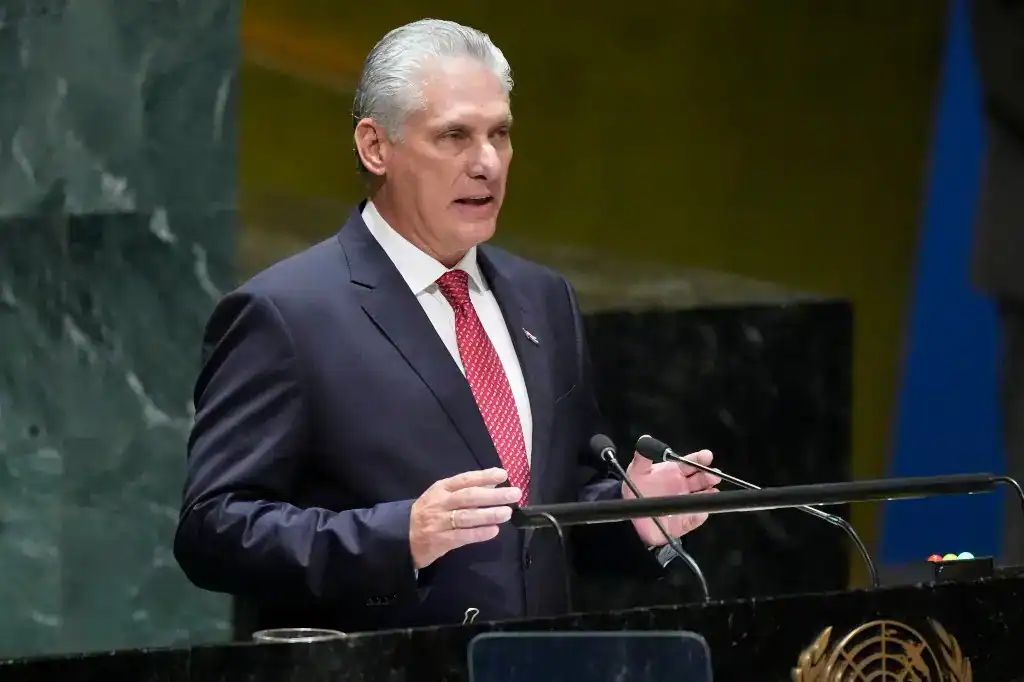
—The announcement. President Miguel Díaz-Canel unveiled a wide reform package on June 12, branded the “Economic and Social Program for 2026.”
—Power shifts down. Local governments and state firms would gain authority over imports, exports and foreign currency.
—Opening up. The plan courts foreign investors, diaspora money, private business and even foreign leasing of farmland.
—The backdrop. A tighter US embargo and a fuel crunch have left the island in its worst slump in decades.
—The numbers. The economy has shrunk more than 15% since 2020, with another fall of 6.5% to 15% projected this year.
—The doubt. Critics call the plan vague and note past reforms that worsened inflation rather than fixing it.
The new Cuba economic reforms are the government’s most striking attempt in years to revive a collapsing economy, loosening state control and inviting in outside money, even as it blames its troubles squarely on Washington.
What was announced
On June 12, President Miguel Díaz-Canel set out a broad package of changes under the label “Economic and Social Program for 2026.” He told state media it was simply time to change course, because the country could not carry on as it was.
The centrepiece is decentralisation, a dry word for a real shift. Local governments and state companies would be allowed to import and export on their own, manage their own foreign currency and chase their own investment, instead of waiting on every decision from Havana.
The plan also opens doors that have long been kept shut. It promises easier rules for private businesses, new ways for Cubans living abroad to invest back home, and even the leasing of farmland to foreign companies to lift food production.
There is an energy strand running through it as well. Díaz-Canel said Cuba would lean harder into solar power and ease the rules on importing electric vehicles, trying to cut its dependence on imported fuel.
He paired that with a promise to slim down the state itself, cutting the number of government ministries and gradually narrowing universal subsidies so that help is aimed at those who need it most.
Why the Cuba economic reforms are happening now
The timing is not an accident. Cuba is living through its deepest economic crisis in decades, with chronic shortages of food, medicine and fuel, and blackouts that in places have run beyond two days.
The pressure from Washington has grown sharply. Recent US measures tightened the long-standing embargo and targeted the energy sector in particular, and Díaz-Canel said only a single oil tanker had reached the island in five months.
The scale of the slump is stark. By independent estimates the economy has contracted more than fifteen percent since 2020, with forecasts pointing to a further fall this year of anywhere between roughly six and fifteen percent.
A familiar argument over blame
Díaz-Canel was careful to frame the reforms as a domestic choice rather than a surrender to American pressure. He described the package as a response to the demands of the moment and called for national unity.
At the same time he leaned heavily on the embargo as the explanation for Cuba’s hardship, even saying the enemy was watching every move and that not everything could be spelled out. It is a balance the government has struck for years: open up a little, while blaming outside forces for the need to.
Will any of it work?
That is the open question, and the doubts are loud. Critics point out that the announcement was long on intention and short on detail, with no clear timetable and few concrete targets.
One prominent Cuban economist summed up the scepticism bluntly, arguing that the numbers do not add up and that the government is treating a hard arithmetic problem as a matter of willpower. The memory of an earlier overhaul that sent inflation soaring rather than steadying it hangs over this one.
For foreign investors and the wider region, the reforms are worth watching but easy to over-read. They signal a government that knows its model is failing; whether it can deliver the follow-through that previous promises lacked is a very different test.
There is a human backdrop to all of this. Years of hardship have driven a large wave of Cubans to leave the island, and the offer to let the diaspora invest is partly an attempt to turn that exodus into a source of capital.
Frequently Asked Questions
What did Cuba actually announce?
President Díaz-Canel unveiled a reform package on June 12 that would decentralise economic power, court foreign and diaspora investment, ease rules on private business, and let foreign firms lease farmland. The measures still need formal approval in the coming weeks.
Why is Cuba’s economy in such trouble?
The island faces severe shortages of food, fuel and medicine and long blackouts, worsened by a tightened US embargo aimed at its energy sector. The economy has shrunk sharply since 2020 and is forecast to contract again this year.
Are the reforms expected to succeed?
Analysts are doubtful, calling the plan vague and short on concrete targets. They also recall an earlier overhaul that drove inflation higher, which makes many wary of fresh promises.
The Rio Times · Power Map
See who really holds power in Latin America
Click to open the Power Map →