By The Rio Times | Created at 2026-10-06 17:52:00 | Updated at 2026-10-06 20:43:21
3 hours ago
By The Rio Times | Created at 2026-10-06 17:52:00 | Updated at 2026-10-06 20:43:21
3 hours ago
DOMINICAN REPUBLIC · CRIME
Key Facts
- —The country The Dominican Republic is a Caribbean country on Hispaniola, east of Haiti, with close family and money ties to the United States.
- —What happened On Monday 5 October, prosecutors asked a court in Santiago to try 13 people and five companies over phone scams on US seniors.
- —The victims Dominican prosecutors count 141 victims in the United States, especially older people, and losses of about US$5 million.
- —The US case In Boston, four Dominicans have pleaded guilty in a related federal case that counts more than 400 victims with an average age of 84.
- —How it worked In this grandparent scam, callers posed as grandchildren in trouble, then as their lawyers, and couriers collected the cash.
- —Still open No trial date is set; a judge in Santiago must first decide whether the case goes to trial.
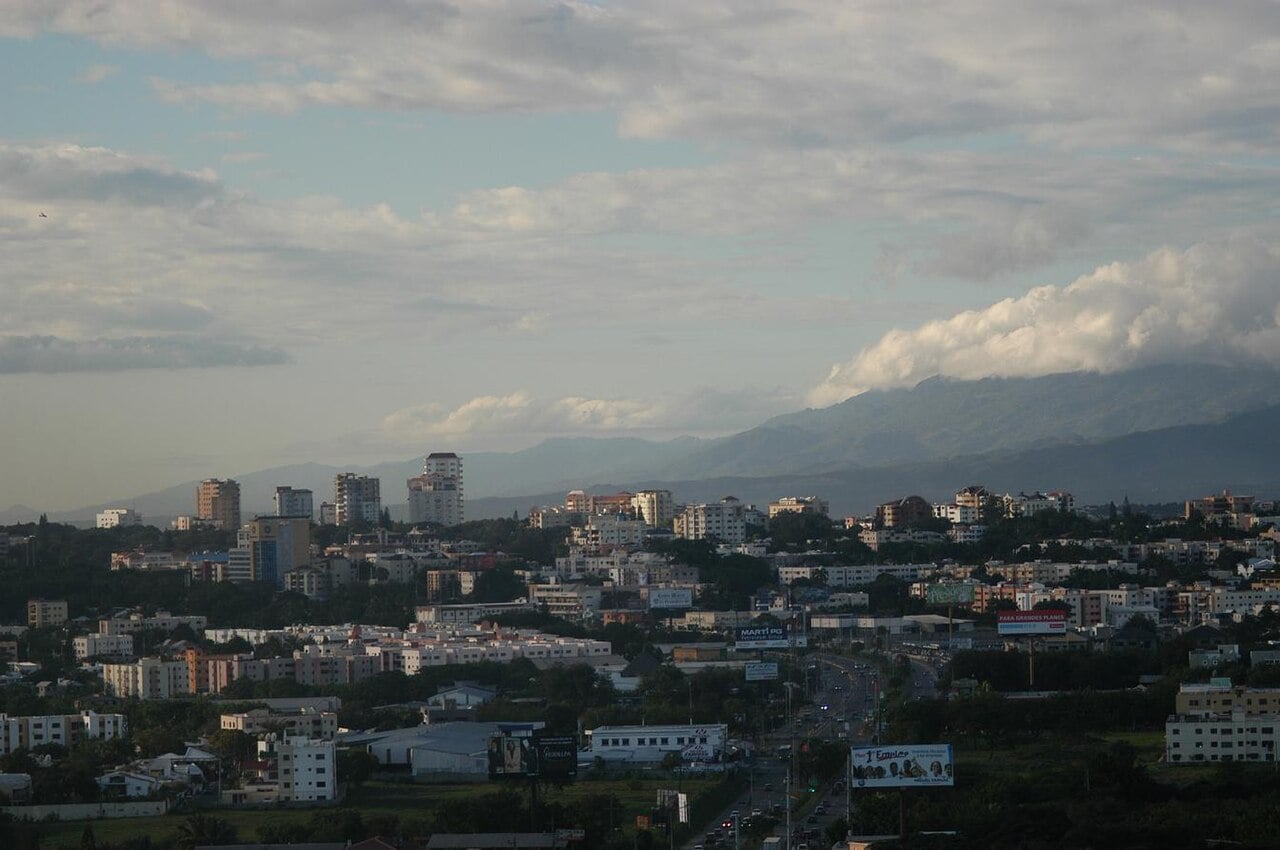
Dominican prosecutors on Monday 5 October asked a Santiago court to try 13 people and five companies over a grandparent scam on older Americans. They say the ring cheated 141 people in the United States out of about US$5 million and moved the money home.
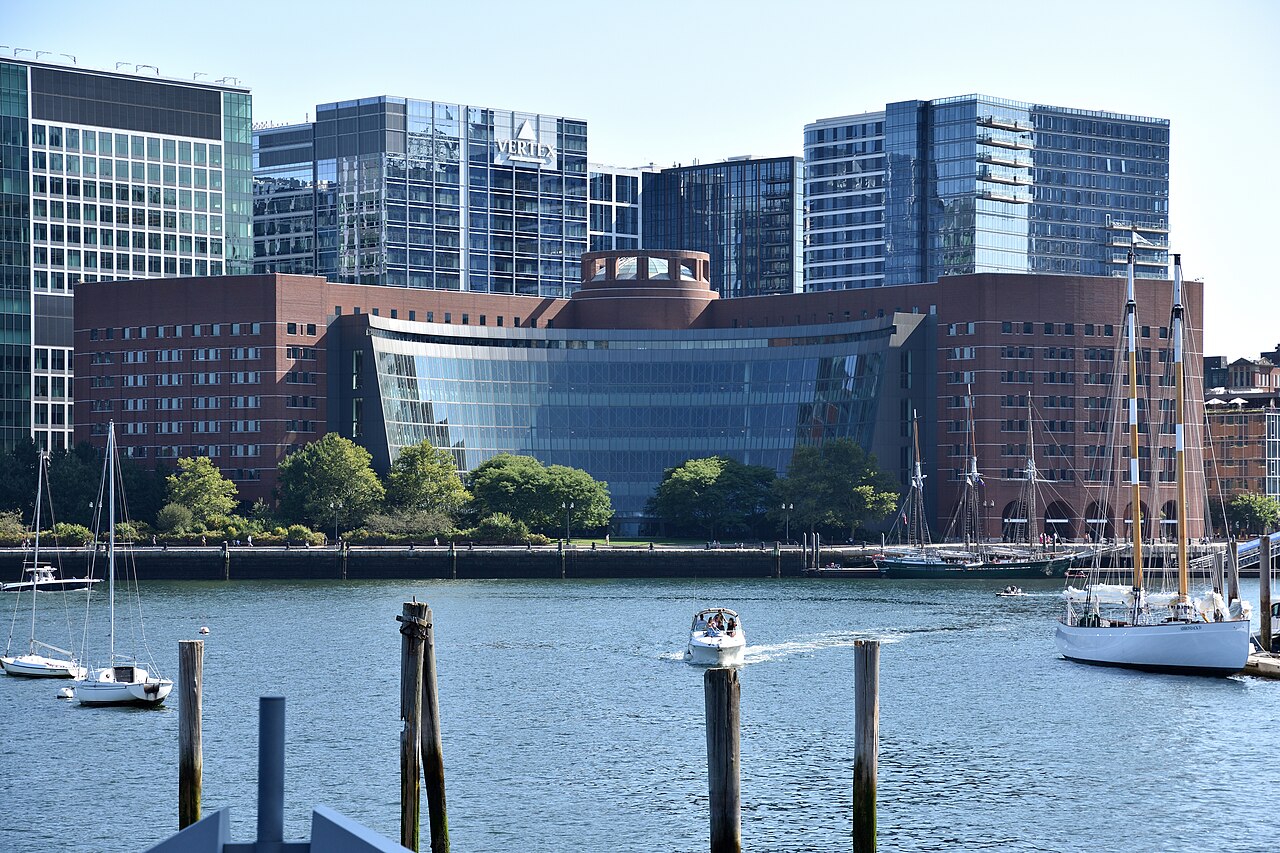
The case matters to American families because, according to US prosecutors, the callers posed as grandchildren in trouble and then as their lawyers. Four alleged ringleaders were already extradited and are being prosecuted in Boston, according to the Ministerio Público, the Dominican public prosecution service.
What Prosecutors Filed in Santiago
The accusation went to the Juzgado de la Instrucción de Santiago, a pretrial court in Santiago de los Caballeros, the country’s second-largest city. Its judge decides whether the case goes to trial.
The filing came from the Ministerio Público’s anti-money-laundering prosecutors together with the Santiago district prosecutor’s office.
The case grew out of Operación Discovery 3.0, run with help from the FBI and Deicroi, a National Police unit for international organised crime.
Among the 13 accused are Kelvin Bladimir Vásquez Santana, Yliana María Cruz García and José Ramón López Tavárez, whom prosecutors call “William el Técnico”. The five companies are Inversiones Dolores Santana (Inverdosa), JLNG Terracell, Rodríguez Vásquez MK Comercial, Invermeg and Qemert Pro Technology.
The charges cite criminal association, fraud and money laundering, plus Dominican laws on high-tech crime, weapons, taxes and the financial system. All 13 people and the five firms are presumed innocent unless a court convicts them.
Follow this story
Get an email when there’s news on the Dominican Republic
Free. One email a day at most, and only when there is news. This also signs you up to our weekday newsletter, The LatAm Brief. Nothing arrives until you click the confirmation link, and you can stop either with one click. Privacy policy.
How the Grandparent Scam Worked
Dominican prosecutors describe four stages: finding victims, defrauding them under a false identity, moving the money and laundering it. Clandestine call centres in the north of the country used social engineering, fake identities, intimidation and sextortion.
The callers also posed as officials or as relatives, and they aimed mainly at older people, according to the Ministerio Público. In the United States, this kind of fraud is widely known as the grandparent scam.
US prosecutors in Boston describe the same playbook in plainer words. An “opener” called pretending to be a grandchild who had been in an accident, then a “closer” posing as the grandchild’s attorney asked for money.
Victims handed cash to rideshare drivers sent to their homes or shipped it in packages, the US Attorney’s Office for Massachusetts said. The money then travelled to the Dominican Republic through bank transfers, remittance services and cryptocurrency, Dominican prosecutors say.
Once in the Dominican Republic, the proceeds went into companies, real estate and vehicles, according to the accusation. Prosecutors cite financial records above RD$134.8 million (about US$2.2 million), at about 59.97 pesos to the US dollar on 6 October 2026.
The Boston Case Against the Alleged Ringleaders
Dominican prosecutors say four alleged leaders were already extradited to face federal charges in Boston. They are Óscar Manuel Castaños García, Joel José Cruz Rodríguez, Edward José Puello García and Gerardo Heriberto Núñez Núñez.
Federal prosecutors in Boston said on Wednesday 15 July 2026 that Castaños García, Cruz Rodríguez and Puello García had pleaded guilty. The counts were conspiracy to commit mail and wire fraud, and money laundering conspiracy.
Joel Francisco Mathilda Leon entered the same pleas, and Núñez Núñez agreed to plead guilty to money laundering conspiracy. Another defendant, Luis German Santos Burgos, was sentenced on 25 June 2026 to 48 months in prison.
Each conspiracy count carries up to 20 years in prison. The US investigation counted more than 400 victims with an average age of 84, at least 50 of them in Massachusetts.
What It Means for You
The pattern described in Boston gives American families clear warning signs. A frantic call from a “grandchild”, a follow-up from a “lawyer” and a stranger collecting cash mark the grandparent scam.
Hanging up and calling the relative back on a known number is the quickest check. The US Attorney’s Office in Boston asks possible victims to call 1-800-CALL-FBI (1-800-225-5324) or email [email protected].
For Dominican families in New York, New Jersey and Florida, the case shows Dominican prosecutors and the FBI working the same network from both ends. It comes as US agencies also pursue two Dominican anti-drug agents charged in Florida.
What Is Not Known
In September 2025 a Santiago judge sent Bernardo Taveras Vélez, one of the 13, to pretrial detention, the newspaper 7 Días reported. Five others were put under house arrest, and Monday’s filing did not say whether those measures still apply.
No date has been announced for the preliminary hearing that decides on a trial.
It is unclear whether the 141 victims in the Dominican file are among the more than 400 counted in Boston. The July statement from Boston prosecutors gave no sentencing dates for the men who pleaded guilty.
Nor have officials said whether any money traced to Dominican companies or property will go back to the American victims of the grandparent scam.
More: Dominican Republic news in English, every day from The Rio Times.
Frequently Asked Questions
What is a grandparent scam?
A caller pretends to be a grandchild in trouble, often after an accident, and asks for money. A second caller posing as a lawyer then demands cash, which a courier collects or the victim mails.
Who was charged in the Dominican Republic?
Thirteen people and five companies, accused of fraud and money laundering in a case filed in Santiago on Monday 5 October. All are presumed innocent unless a court convicts them.
How many Americans lost money?
Dominican prosecutors count 141 US victims of the grandparent scam and about US$5 million in losses. The related federal case in Boston counts more than 400 victims with an average age of 84.
Where can US victims report this kind of fraud?
The US Attorney’s Office in Boston asks possible victims of this grandparent scam or other elder fraud to call 1-800-CALL-FBI (1-800-225-5324). They can also email [email protected].
Sources: US Attorney’s Office, District of Massachusetts: Operators of transnational elder fraud scheme plead guilty, 15 July 2026; US Attorney’s Office, District of Massachusetts: Four Dominican men extradited to United States, 13 November 2025; El Nuevo Diario (Ministerio Público accusation), 5 October 2026; Diario Libre, 5 October 2026; N Digital, 5 October 2026; 7 Días (coercive measures, September 2025), 6 September 2025.
This article was produced by The Rio Times’ automated newsroom system. How we use AI · Report an error · Editorial responsibility: Matthias Camenzind, Editor-in-Chief
The Rio Times · Power Map
See who really holds power in Latin America
Click to open the Power Map →