 By The Rio Times | Created at 2026-10-19 05:11:22 | Updated at 2026-10-19 06:10:16
1 hour ago
DR CONGO · RWANDA · DIPLOMACY
Key Facts
- —The deal The Washington Accords, signed by Presidents Félix Tshisekedi of DR Congo and Paul Kagame of Rwanda at a ceremony hosted by President Donald Trump on 4 December 2025, are meant to end the war in eastern Congo.
- —What Kinshasa wants A concrete, parallel and verifiable Rwandan response to Congo’s steps against the FDLR rebel group, starting with the withdrawal of Rwandan troops and an end to support for the rebels.
- —Where it was made At the UN Security Council in New York on Tuesday, 13 October. Congo’s defence minister pressed for the same commitments at regional talks in Lusaka, Zambia, from 14 to 16 October.
- —The US position Washington told the same Council meeting that Rwanda must withdraw its troops and military equipment from Congo immediately and without conditions, and that any cooperation between Congo’s army and the FDLR must stop.
- —Why now Fighting went into a third day at Kibati in North Kivu on Sunday, 18 October, and regional ministers meet in Lusaka on Monday, 19 October.
- —Still open The date of an October US, Congolese and Rwandan planning conference, and whether Rwanda will lift what it calls its defensive measures.
DR Congo has told the UN Security Council that its moves against a Rwandan rebel group must now be matched by a concrete and verifiable response from Rwanda under the US-brokered Washington Accords. Congo’s UN ambassador made the demand in New York on 13 October, and its defence minister pressed the same commitments at regional security talks in Lusaka that ended on 16 October.
For Americans, this is a test of a peace deal that President Donald Trump hosted in Washington, with an economic framework for a region rich in cobalt, copper and other minerals. The United States backed Kinshasa’s core demand at the same Council meeting, calling on Rwanda to pull its troops out of Congo without conditions.
What Kinshasa Told the Security Council
Zénon Mukongo Ngay, Congo’s permanent representative to the United Nations, spoke at the Council’s twice-yearly briefing on the Great Lakes region. He said Congo is pursuing the disarmament, cantonment and repatriation of fighters of the FDLR, a Rwandan Hutu rebel group based in eastern Congo that Kigali regards as its main security threat.
“The progress made by the DRC must however receive a concrete, parallel and verifiable response from Rwanda,” he said, according to the Kinshasa news site Actualite.cd. He added that action on the FDLR “cannot constitute a precondition” for the withdrawal of Rwandan forces or an end to Rwanda’s support for the rebels.
The ambassador also asked the Council to set a credible, verifiable baseline for the FDLR’s strength through the UN sanctions committee’s Group of Experts. He called for a stronger Expanded Joint Verification Mechanism Plus, a regional ceasefire monitoring body based in Goma, backed by the UN peacekeeping mission MONUSCO.
“The withdrawal of Rwandan forces is non-negotiable,” Mukongo told the Council, according to the Congolese portal Mediacongo. He asked for full and unconditional application of Resolution 2773, which the Council adopted in February 2025 after the M23 rebel movement took the eastern cities of Goma and Bukavu with what the resolution called the “direct support and participation” of the Rwanda Defence Forces.
Follow this story
Get an email when there’s news on DR Congo
Free. One email a day at most, and only when there is news. This also signs you up to our weekday newsletter, Africa Intelligence. Nothing arrives until you click the confirmation link, and you can stop either with one click. Privacy policy.
Washington Backs the Core Demand
Ambassador Jeffrey Bartos, the US representative for UN management and reform, spoke for the United States at the same meeting. “Progress on FDLR neutralization must be matched by Rwanda’s fulfillment of its own obligations,” he said, adding that Rwanda “must immediately and unconditionally withdraw its troops and military equipment from the DRC and cease all support to M23.”
Bartos also told Kinshasa that any cooperation between the FDLR and elements of the Congolese army “must cease immediately,” and asked it to spell out the details of its new demobilisation plan. He pointed to an October planning conference of the Joint Security Coordination Mechanism, the US, Congolese and Rwandan body set up under the accords, as the place to define the next steps.
He welcomed the repatriation of more than 120 former FDLR fighters and family members with MONUSCO’s support as tangible progress. He also warned that Washington would keep acting against those who obstruct peace, abuse civilians or profit from the illegal exploitation of Congo’s natural resources.
Rwanda’s Position
Rwanda reads the accords differently. In a 29 September letter to the Council, it called a protocol that Kinshasa signed with FDLR elements on 28 July a delaying tactic, because the accords call for the group’s neutralisation rather than negotiation.
Kigali has also accused the Congolese government of increasing its support for the FDLR and folding its members into the army. President Paul Kagame said in April that Rwanda’s defensive measures would stay in place until those threats were eliminated, according to the latest report of UN Secretary-General António Guterres.
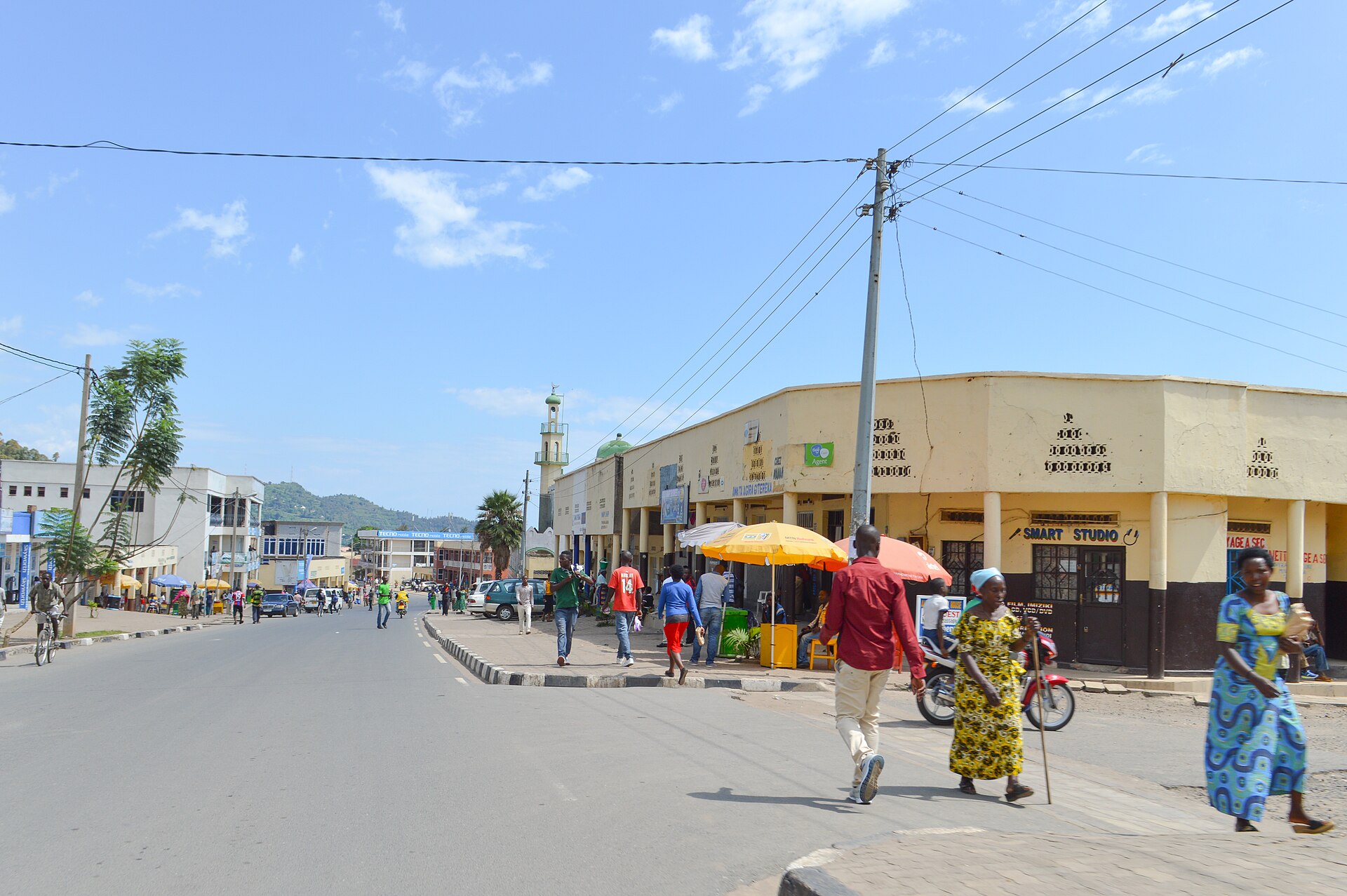
Lusaka Talks and the Fighting on the Ground
Congo’s deputy prime minister and defence minister, Guy Kabombo Muadiamvita, chaired a meeting of regional defence ministers in Lusaka from 14 to 16 October. It was part of a series of meetings of the International Conference on the Great Lakes Region, a regional body that Congo currently chairs, which ends with a ministerial committee meeting on 19 October.
Kabombo said the gap between promises of de-escalation and the reality on the ground “remains glaring.” He asked that the Washington commitments, the separate Doha track with the rebels and Resolution 2773 be put into practice despite the launch of a new rebel front by former President Joseph Kabila.
That front, the Front for the Refoundation of the Nation, was announced on 12 October and brings Kabila, who ruled Congo from 2001 to 2019, together with the leaders of the M23 alliance. On Sunday, 18 October, Actualite.cd reported a third straight day of fighting between the rebels and the Congolese army and allied militias at Kibati, in Walikale territory.
What It Means for US Readers
The Washington Accords were signed at a ceremony hosted by President Trump, so their fate is a direct test of US mediation in Africa. Guterres’s report notes that the United States has already sanctioned senior FDLR and M23 commanders, a network accused of smuggling minerals for the M23, and Kabila himself.
Investors in Congo’s mining sector should watch whether the October planning conference produces dates for troop withdrawals and FDLR operations. For travellers, the State Department rates the whole of DR Congo at Level 4, “Do not travel,” in an advisory issued on 15 July 2026.
The same advisory cites an Ebola outbreak in Congo, which the US mission also raised at the Council on 13 October. Under a Department of Homeland Security rule, US citizens and nationals who have been in Congo within the previous 21 days cannot board commercial flights to the United States.
What Is Not Known
No date for the tripartite planning conference had been published by Monday morning. It is also not known how Kigali will formally answer the 13 October demand, or how many FDLR fighters remain, which is why Kinshasa wants UN experts to set a baseline.
The death toll from the fighting at Kibati has not been released. It is unclear whether Rwanda will send a minister to the Lusaka meeting on 19 October or what that meeting will decide.
Frequently Asked Questions
What are the Washington Accords?
They are a peace and economic deal between DR Congo and Rwanda, signed by Presidents Félix Tshisekedi and Paul Kagame at a ceremony hosted by Donald Trump on 4 December 2025. They build on a peace agreement reached in Washington on 27 June 2025.
What exactly is DR Congo asking Rwanda to do?
Kinshasa wants a concrete, parallel and verifiable Rwandan response to its steps against the FDLR, including the withdrawal of Rwandan forces and an end to support for the rebels. It insists that action on the FDLR is not a precondition for those steps.
What is the FDLR?
The FDLR, or Democratic Forces for the Liberation of Rwanda, is a Rwandan Hutu rebel group that operates in eastern Congo. Rwanda calls it its main security threat and says its defensive measures will stay until the threat is eliminated.
Where does the United States stand?
At the Security Council on 13 October, the United States said progress on the FDLR must be matched by Rwanda meeting its obligations. It called on Rwanda to withdraw its troops and equipment from Congo immediately and without conditions, and told Kinshasa to end any cooperation between its army and the FDLR.
Is it safe for Americans to travel to DR Congo?
The State Department advises Americans not to travel to DR Congo, rating the whole country at Level 4 since 15 July 2026. Fighting continues in North Kivu, where the rebels hold the city of Goma.
Sources: UN Secretary-General, report S/2026/782 on the Peace, Security and Cooperation Framework, 1 October 2026, UN Security Council, Resolution 2773, 21 February 2025, ICGLR, statutory meetings in Lusaka, 15 October 2026, US Institute of Peace, Washington Accords for Peace and Prosperity, US Mission to the UN, remarks by Ambassador Jeffrey Bartos, 13 October 2026, US State Department, DR Congo travel advisory, Actualite.cd, Kinshasa demands a verifiable Rwandan response, 18 October 2026, Actualite.cd, US statement at the Security Council, 18 October 2026, Actualite.cd, Guy Kabombo in Lusaka, 18 October 2026, Actualite.cd, fighting at Kibati, 18 October 2026, Mediacongo, Zénon Mukongo at the Security Council, October 2026, Security Council Report, Great Lakes briefing preview, 12 October 2026. Quotes from French are our translation.
Editorial responsibility: Matthias Camenzind, Editor-in-Chief · Editorial standards · Report an error