 By GB News (World News) | Created at 2026-08-10 11:06:06 | Updated at 2026-08-10 13:48:39
3 hours ago
By GB News (World News) | Created at 2026-08-10 11:06:06 | Updated at 2026-08-10 13:48:39
3 hours ago
Nearly a third of motorists facing increased parking fees have warned they would either drive away on the spot or reluctantly pay up while vowing never to return, according to new worrying research.
The survey of AA members found that 31 per cent of drivers would respond to such charges by abandoning the seaside resort entirely or resolving it would be their last visit.
The findings follow the Government's Great British Summer Savings initiative, which has cut VAT on family leisure activities this summer.
Experts have now warned the cost-saving measures risk being neutralised by councils imposing steep parking costs at coastal destinations.
According to the AA, local authorities at popular beach resorts are effectively clawing back the savings, with drivers facing charges that approach or even exceed the cost of a parking fine.
Bournemouth has reintroduced its trial of London-level parking fines this month, with penalties rising to £110 and £160 in August, up from the standard £50 and £70, in an effort to tackle illegal parking on verges, double yellow lines, residential streets and roundabouts.
The AA claimed that the measures went too far with these powers, hitting visitors who had parked in official car parks with the same elevated fines for minor infractions such as straying over a bay line, overstaying their allotted time or failing to display a ticket correctly.
While the AA acknowledged that rogue parking near Bournemouth's beaches had reached levels requiring stronger deterrents, research indicated that the council's own charges, reaching as high as £28 for a day's parking, may have fuelled the very problem the fines were designed to address.
Local authorities have been increasing parking fees and penalties over the summer period

GETTY/PA
Meanwhile, Derbyshire County Council has taken a different approach to similar issues in the Peak District, introducing "red routes" with double red lines and applying the standard £70 maximum fine.
When asked how they would react to parking charges of £20 to £30 after a long journey to the coast, the largest group, 35 per cent, said they would refuse to pay and instead seek out a legal alternative such as a residential street.
A further 16 per cent said they would grudgingly hand over the money but swear off returning, while a further 15 per cent would simply turn around and head to a different destination altogether.
The same proportion admitted they would be annoyed but would still pay without further protest. Just three per cent of those polled regarded charges at that level as reasonable and would pay without complaint.

Strikingly, one per cent of respondents said they would consider parking illegally and risking a fine rather than paying the inflated fees, suggesting that high charges push drivers towards avoidance rather than rule-breaking.
Rother District Council imposes a £30 fee for stays exceeding six hours at Camber Sands, while Brighton's seafront car parks charge £18 for a day.
In East Devon, hourly rates of £2.20 can quickly mount up over a typical beach visit of six to eight hours.
Yet significantly cheaper options exist within the same regions. A full day's parking at Hayling Island costs £11.50, and visitors to Portsmouth's Southsea can park for six to eight hours for just £9.60.
Bournemouth has reintroduced its trial of London-level parking fines during the summer period
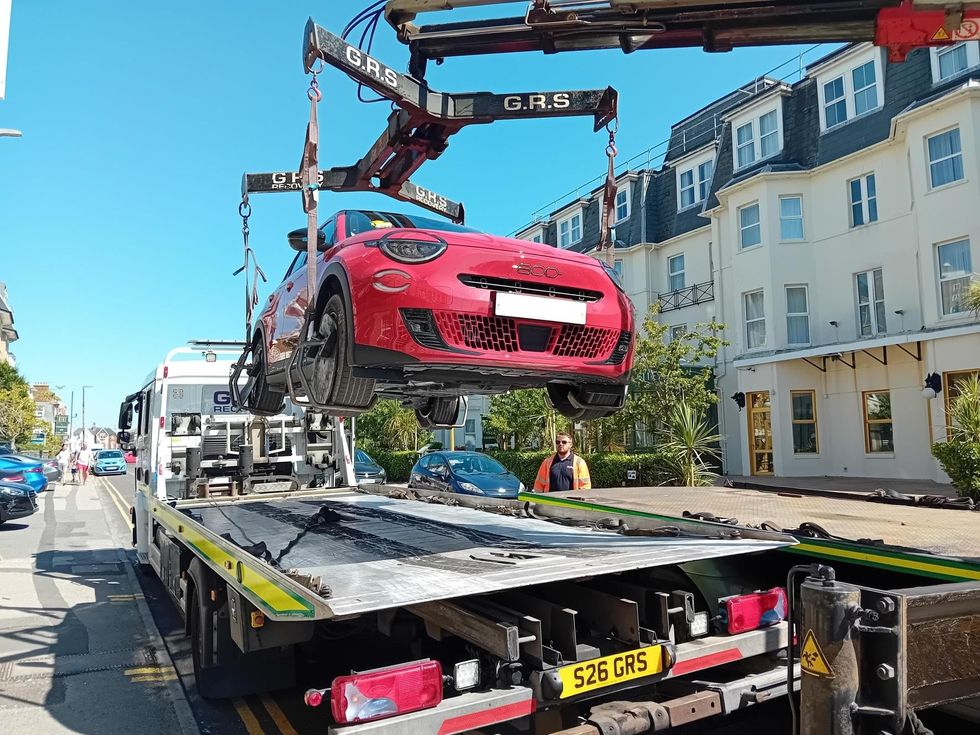
However, numerous coastal car parks across Wales, Scotland and Northern Ireland remain entirely free of charge.
Aberdeenshire has adopted a particularly distinctive model, operating a voluntary parking charge system that invites visitors to contribute towards the upkeep of facilities and the enjoyment of the area rather than compelling them to pay.
Jack Cousens, the AA's head of roads policy, said: "Summer visitors and the money they bring to coastal resorts are often the lifeblood of tourism and commercial vibrancy at these places.
"However, some councils use parking charges to leech excessive payments from day-trippers and holidaymakers, in the hope of filling the black holes in their finances. AA research shows they simply drive visitors away."