 By GB News (World News) | Created at 2026-06-18 13:47:27 | Updated at 2026-06-18 15:31:34
1 hour ago
By GB News (World News) | Created at 2026-06-18 13:47:27 | Updated at 2026-06-18 15:31:34
1 hour ago
Thousands of households across the UK could save more than £1,500 a year by getting rid of their second car, according to new research.
A study by temporary car insurance provider Tempcover found that four in 10 motorists (36 per cent) have reduced the number of vehicles they own in the past two years.
Drivers who downsized estimate they are saving an average of £1,533 each year on costs including insurance, fuel, road tax, servicing and maintenance.
The findings come as many families continue to battle rising living costs and look for ways to cut household spending.
More than half of the surveyed drivers who gave up a vehicle (57 per cent) said they are now financially better off as a result.
Many are using the extra cash to boost their savings, cover everyday bills or pay for home improvements. The research suggested that changing work patterns are also driving the trend.
Nearly a third of drivers (32 per cent) said they no longer use their car enough to justify owning more than one vehicle.
Meanwhile, almost two in five motorists (39 per cent) said their driving habits have permanently changed since the Covid-19 pandemic, with many travelling less than they did before 2020.
Drivers can save on costs, including insurance, fuel, road tax, servicing and maintenance

GETTY
Affordability was another major factor, with drivers citing high maintenance costs, expensive insurance premiums and rising fuel prices as reasons for cutting back.
The study also found that households are keeping their cars for longer because replacing them has become increasingly expensive.
More than half of motorists (56 per cent) said they are holding on to their current vehicle longer than planned because they cannot afford a replacement.
The average car owned by those surveyed is now seven years old, while more than a quarter of vehicles are over 10 years old. Despite concerns that sharing one car could cause arguments, many households said the arrangement works well.
57 per cent of drivers said they are now financially better off from giving up their second car

GETTY
Almost half of the respondents (46 per cent) said they manage sharing a vehicle without problems. Most families decide who gets the car based on who needs it most that day, while others coordinate their plans in advance.
Paul Gilshan, Chief Executive of Tempcover, said the research shows many households have adapted successfully to life with just one vehicle.
He said: "Our research shows that for households that have downsized, one car works well.
"People are better off financially, it fits how they're working and living now, and they're more intentional about when they use it - and it's better for the environment."
Mr Gilshan said many families are already effectively operating their own form of car sharing.
"In many ways, these households are already practising a form of car sharing - coordinating access, prioritising who needs it most, making it work around everyone's schedule.
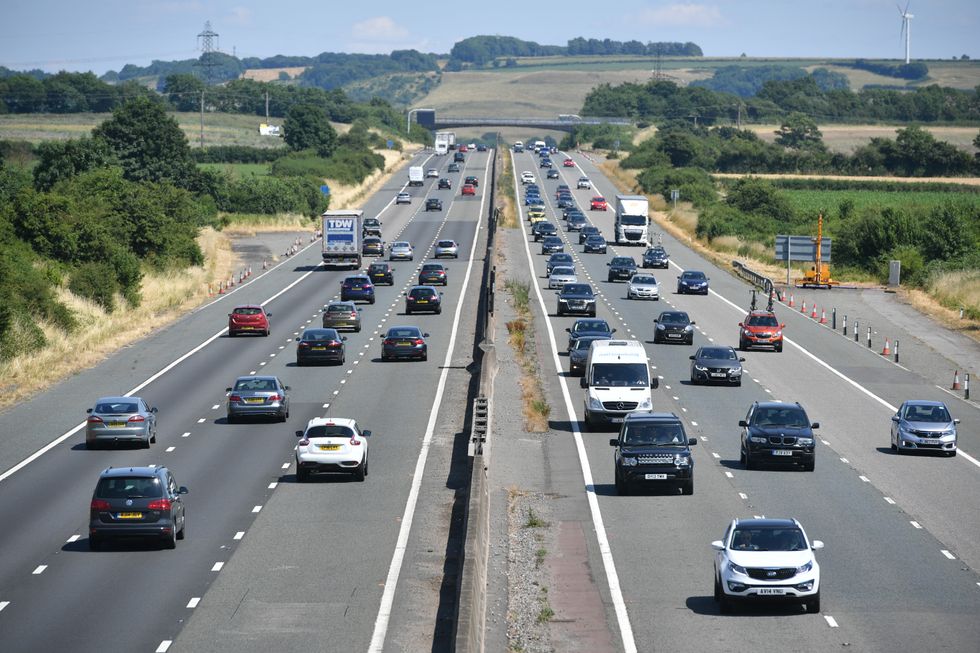
Drivers have been able to save money by giving up a second car
"The car is more of a shared resource rather than a personal fixture, and that mindset is only going to grow," he added. The survey also suggested some motorists may be prepared to move away from car ownership altogether.
Almost a quarter of drivers (23 per cent) said they would consider giving up owning a vehicle and instead rely on flexible transport options such as car-sharing schemes or temporary insurance products. Mr Gilshan believes demand for these services is likely to increase in the coming years.
He said: "For some, that could mean moving away from traditional ownership altogether.
"For others, it's simply about having greater flexibility in the moments they need it, whether that's borrowing a family member's car or lending their own."