By The Rio Times | Created at 2026-10-18 08:26:19 | Updated at 2026-10-18 10:07:50
2 hours ago
By The Rio Times | Created at 2026-10-18 08:26:19 | Updated at 2026-10-18 10:07:50
2 hours ago

MALI · BURKINA FASO · NIGER · DIPLOMACY
Key Facts
- —The country Mali, Burkina Faso and Niger, three Sahel states with military-led governments, form the Confederation of Sahel States (AES), while Senegal hosted the talks as current ECOWAS chair.
- —Why it matters Trade, free movement and counter-terrorism cooperation across West Africa depend on whether ECOWAS and the AES can agree a framework after their split.
- —Why now The first formal negotiating session took place on Saturday 17 October 2026, one day after both sides held separate preparatory meetings.
- —What happened Both delegations agreed to set up joint thematic working groups aiming at a framework cooperation agreement, and signed an eight-point communiqué in Dakar.
- —The numbers Three AES states face the regional bloc across one table, with one session held, one expert round due on 18 October and no date yet for the next ministerial meeting.
- —What it means for you US investors, aid groups and travellers with West African exposure get a first sign that the split may be managed, though no rule has changed yet.
- —Still open The date and venue of the next session, the themes and members of the working groups, and the content of any framework agreement.
The ECOWAS AES talks opened in Dakar on Saturday 17 October 2026, with Senegal as host. Mali, Burkina Faso and Niger left ECOWAS on 29 January 2025, and this was their first formal negotiating session with the bloc since.
For US readers the result matters because trade routes, travel rules and counter-terrorism cooperation in West Africa depend on whether the two blocs reach terms. The delegations agreed to build joint working groups towards a framework agreement, but they set no date for the next ministerial session.
ECOWAS is the Economic Community of West African States, the regional bloc that Senegal currently chairs. The Confederation of Sahel States, known by its French initials AES and often called the Alliance of Sahel States, groups Mali, Burkina Faso and Niger.
What the ECOWAS AES Talks Agreed in Dakar
The two sides issued a joint communiqué after the first session of their ministerial dialogue on cooperation, signed in Dakar on 17 October 2026 by the two heads of delegation. It has eight numbered points and sets out principles and a method rather than any trade or security terms.
The parties said their relations should rest on good neighbourliness, respect for sovereignty, dignity and the well-being of West African populations. They also said they want a cooperation framework that is balanced, realistic and protects the interests of their peoples.
To get there, they agreed to create joint thematic working groups for technical exchanges, with the ultimate aim of concluding a framework cooperation agreement. The groups’ results will go to ministers before the next session, whose date and place will be set through diplomatic consultation.
The communiqué does not name the themes of the working groups. RFI reported that groups cover the free movement of goods and people, trade and the fight against terrorism, with new institutional and legal arrangements as the long-term goal.
Follow this story
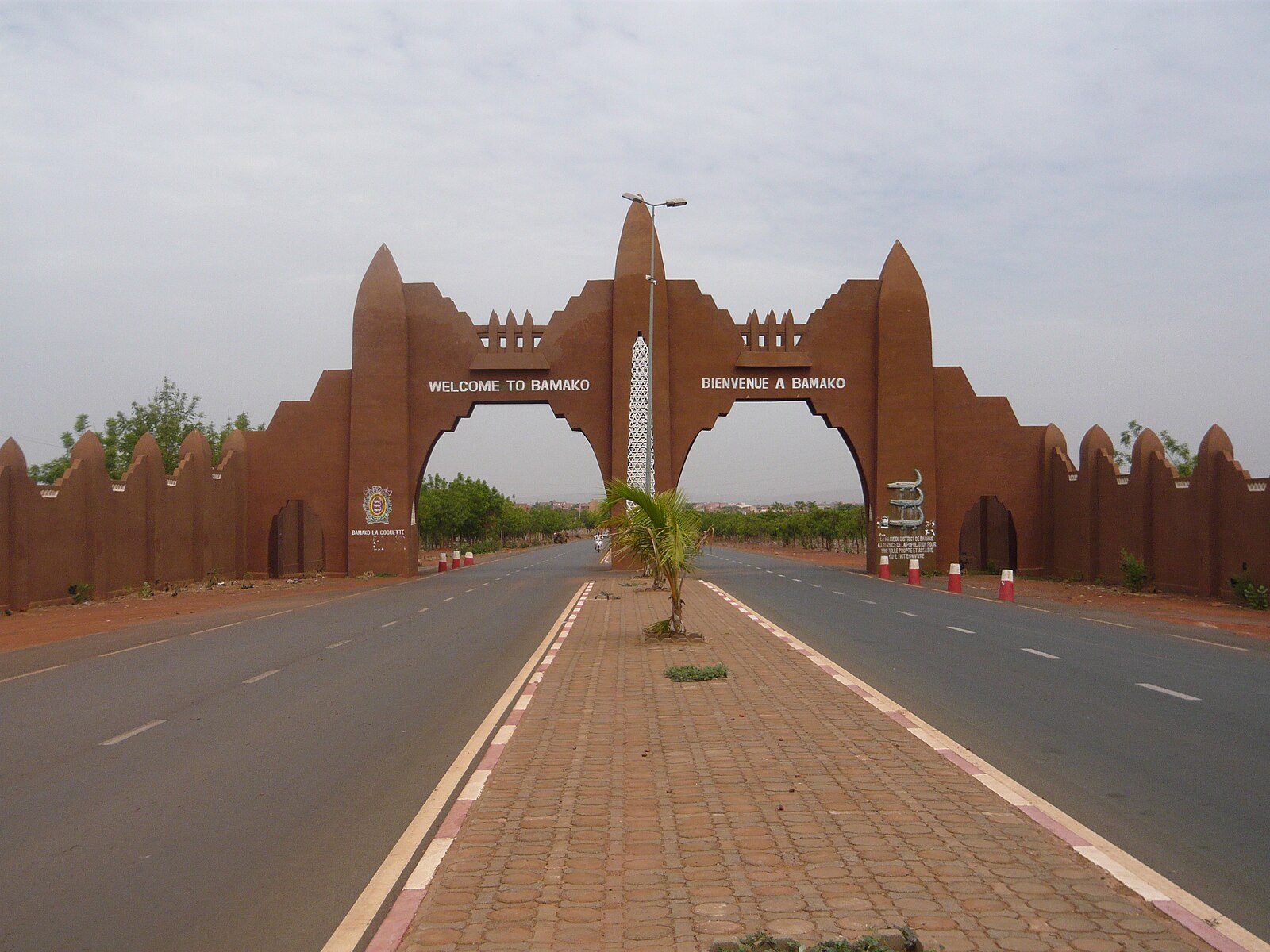
Get an email when there’s news on Mali
Free. One email a day at most, and only when there is news. This also signs you up to our weekday newsletter, Africa Intelligence. Nothing arrives until you click the confirmation link, and you can stop either with one click. Privacy policy.
Who Sat at the Table
Cheikh Niang, Senegal’s minister of African Integration and Foreign Affairs, led the ECOWAS delegation in the ECOWAS AES talks as chair of the bloc’s Council of Ministers. Karamoko Jean-Marie Traoré, Burkina Faso’s foreign minister, led the AES side as chair of its ministerial steering committee.
The two men co-chaired the meeting, and the AES committee also includes Mali’s foreign minister Abdoulaye Diop and Niger’s Bakary Yaou Sangaré. RFI quoted Diop as saying the AES approached the talks in a spirit of openness, constructiveness and responsibility.
ECOWAS chief negotiator Lansana Kouyaté, a former prime minister of Guinea who took the post in March 2026, told RFI the aim is not to ask the AES to return. He said a return might come one day, but that nobody can tell the AES today to come back.
RFI also reported that the AES states see the talks as a way to open a page and formalise new relations, not to discuss rejoining ECOWAS. Both blocs stress that each speaks with a single voice for its member states.
What the Two Delegation Heads Said
Niang said the discussions showed “substantial convergences” on shared priorities and the legitimate aspirations of states and peoples, according to APS. He called for a gradual, pragmatic and results-oriented approach that turns stated intentions into concrete commitments.
Traoré said the talks let both sides confirm their priorities and agree the principles that should guide their relations, APS reported. He added that the AES Confederation is ready to work with ECOWAS on a new cooperation framework and wants the effects to be felt on the ground.
Niang described the Dakar meeting as a significant step that follows the Bamako consultations of 2025 and sketches the outline of a new framework for dialogue. The communiqué thanks Senegal’s president Bassirou Diomaye Faye, the current chair of ECOWAS heads of state, for hosting.
How Each Side Prepared
ECOWAS foreign ministers opened preparatory consultations in Dakar on Friday 16 October, APS reported. The AES steering committee of foreign ministers met the same day in Ouagadougou to prepare one common position, according to its own communiqué published by Malijet.
The Ivorian outlet Koaci said the AES negotiating mandate rests on three points that are not up for negotiation. These are the sovereignty of the Confederation’s states, the consolidation of the AES itself and the protection of its populations’ interests.
The committee’s communiqué says the Ouagadougou meeting followed the Bamako consultations of 22 May 2025 and a confederal task-force meeting on 14 October. The Dakar communiqué likewise refers back to the ECOWAS and AES consultations held in Bamako on 22 May 2025.
RFI dates the three states’ announcement of their withdrawal from ECOWAS to 28 January 2024, and ECOWAS says their exit took effect on 29 January 2025. Our earlier coverage tracked the split in Three Sahel Juntas Open Their Own Parliament as the ECOWAS Split Deepens and the confederation’s own assembly in The Sahel Juntas Open a Parliament in Niamey.
Separately, customs experts from Togo and the three AES states drafted a joint tariff plan in Ouagadougou. We covered it in Togo and 3 Sahel States Draft Tariff Plan, and the Dakar communiqué does not mention it.
What It Means for US Readers
Investors, aid groups and travellers with exposure to West Africa follow the ECOWAS AES talks because they will shape trade and travel rules between coastal and landlocked states. The working groups on trade and free movement that RFI named cover the issues closest to commerce.
Counter-terrorism is also on the agenda, in a region where security conditions feed into travel advice and company risk assessments. Nothing agreed on Saturday changes a rule today, so existing travel and business conditions stand.
What Is Not Known
The date and place of the next ministerial session of the ECOWAS AES talks were left open and will be set after diplomatic consultations. The communiqué does not list the working-group themes, their members or a deadline for a framework agreement.
Technical talks between experts were due to continue on Sunday 18 October, RFI reported, and we have not seen their outcome. It is also unclear what a framework agreement would cover, since no draft text has been seen.
The sources reviewed do not say whether ECOWAS would accept separate terms for the three states, or whether the AES would ever consider rejoining. Both sides described the aim as a new cooperation framework, not a return.
Frequently Asked Questions
What did ECOWAS and the AES agree in Dakar?
They agreed on 17 October 2026 to set up joint thematic working groups to prepare a framework cooperation agreement. Results will go to ministers before the next session.
Who led the delegations?
Cheikh Niang, Senegal’s foreign minister, led ECOWAS, and Burkina Faso’s foreign minister Karamoko Jean-Marie Traoré led the AES. They co-chaired the meeting.
Are Mali, Burkina Faso and Niger rejoining ECOWAS?
No, neither side presented the talks as a return. The AES says it wants to formalise new relations, and ECOWAS’s chief negotiator said nobody can tell the AES to come back today.
When is the next meeting?
The date and place have not been set and will be fixed after diplomatic consultation. Expert-level technical talks were due to continue on Sunday 18 October.
Why does this matter to US readers?
Trade routes, travel rules and counter-terrorism cooperation in West Africa depend on how the two blocs work together. Nothing has changed in practice yet, because the Dakar session only created working groups.
Sources: Joint communiqué of the ECOWAS-AES ministerial dialogue, Dakar, 17 October 2026 (text published by Bamada.net); APS, 17 October 2026; APS, 17 October 2026 (delegation heads); APS, 16 October 2026; RFI, 17 October 2026; Burkina24, 17 October 2026; AES steering committee communiqué, Ouagadougou, 16 October 2026 (published by Malijet); ECOWAS, 30 January 2025; ECOWAS, 29 March 2026; Koaci, 16 October 2026.
This article was produced by The Rio Times’ automated newsroom system. How we use AI · Report an error · Editorial responsibility: Matthias Camenzind, Editor-in-Chief