By The Rio Times | Created at 2026-06-25 10:46:58 | Updated at 2026-06-25 12:09:31
1 hour ago
By The Rio Times | Created at 2026-06-25 10:46:58 | Updated at 2026-06-25 12:09:31
1 hour ago
Mining
Key Facts
—The deadline. Reopening the mining cadastre is an IMF structural benchmark due at the end of June 2026.
—The freeze. The registry that issues new concessions has been shut since 2018.
—The prize. Six big copper and gold projects worth roughly $11bn sit waiting behind it.
—The base. Just two large mines now run, generating about $3bn in exports in 2024.
—The phasing. Small non-metallic mining reopened in mid-2025; the metallic tier is the harder step.
—The friction. A missing prior-consultation law and a steep new inspection fee cloud the reopening.
A bureaucratic switch in Quito has become the single clearest test of whether Ecuador mining can deliver the investment the country’s finances now depend on.
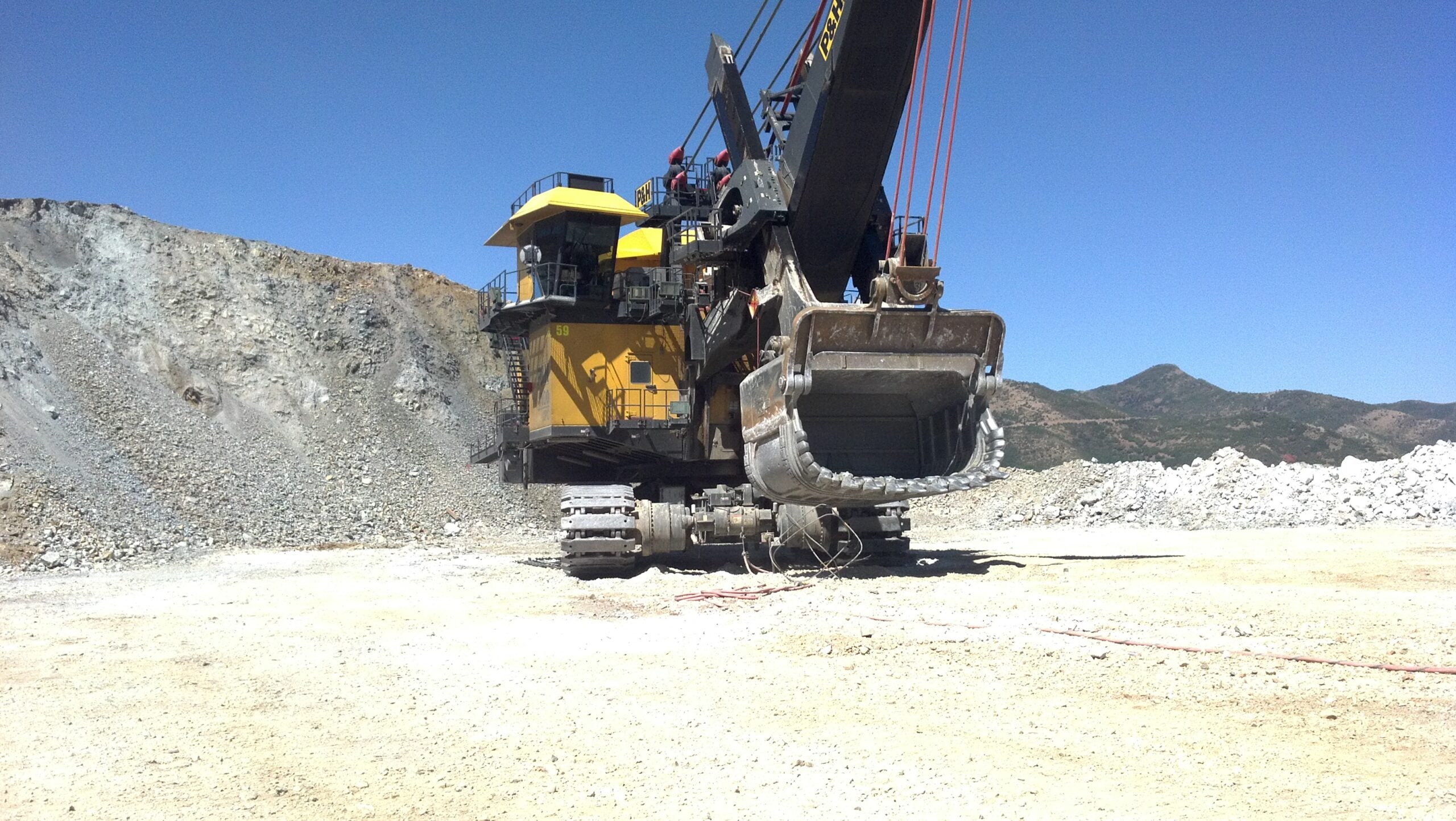
Ecuador sits on copper and gold that its neighbours would envy, yet only two big mines actually operate. The reason is partly a piece of software that has been switched off for years.
That switch is the mining cadastre, the official registry that maps who holds which ground and lets the state hand out new concessions. Reopening it is now a formal promise to the country’s biggest lender.
For an investor in London or Munich, the detail that matters is the calendar. The reopening is tied to a deadline, and the deadline falls this month.
Why Ecuador mining is on an IMF clock
Ecuador runs its economy on the US dollar and cannot print its own money, so when reserves run low it leans on outside finance. The anchor is a multi-year programme with the International Monetary Fund worth about US$5 billion.
That programme comes with conditions, called structural benchmarks, that the government must hit to keep the money flowing. One of them is reopening the mining cadastre, set for the end of June 2026.
The registry has been closed since 2018, when a previous government suspended it under pressure from indigenous and environmental groups. For seven years no new mining ground could be formally granted.
The Fund’s logic is plain. It wants Ecuador to lean less on volatile oil and more on minerals, and a working registry is the basic plumbing that lets new projects start.
What is waiting behind the gate
The stakes are large for a small economy. Six big copper and gold projects are lined up to come online over the next five years, with combined investment put at roughly US$11 billion.
The names read like a who’s who of global mining. They include an Australian-led copper development in the northern highlands and a large gold project on the coast whose contract was signed in late April.
The contrast with the present is stark. The country’s only two large operating mines together generated around US$3 billion in exports in 2024, a fraction of the potential underground.
Officials argue that a transparent registry will also help fight illegal gold mining, by drawing more activity into the legal, taxed and monitored system rather than the criminal one.
The reopening is harder than it looks
Reopening has been staged rather than switched on at once. The first phase, for small non-metallic mining such as sand and limestone, opened in the middle of 2025, with the metallic tier meant to follow.
The metallic step is where the politics bite. Indigenous groups have promised to resist, arguing that large-scale mining threatens rivers and divides communities across much of the country.
There is also a legal hole. Ecuador still lacks a clear law governing the prior consultation that affected communities are owed, the very issue that helped freeze the registry in the first place.
Industry voices add a second complaint. A mining inspection fee introduced in 2025, which some operators call the steepest in the world, is in their view a deterrent to the very exploration the reopening is meant to spur.
What it means for investors
The progress so far is real and the markets have noticed. The Fund concluded its fifth review of the programme in April, confirming that an earlier benchmark on the mining sector’s tax rules had been met.
The country’s borrowing costs have fallen sharply on this broader reform story, and a steady mining pipeline is part of what lenders are pricing in. Missing the deadline would dent that confidence.
Yet a reopening on paper is not the same as projects in the ground. The signal to watch is not the registry switch itself but the first new metallic concessions that actually clear it.
The wider lesson is how tightly Ecuador has bound its mining future to an external timetable. The end-June test will show whether Quito can convert a lender’s condition into real ground for the world’s miners.
Frequently Asked Questions
Why does the Ecuador mining cadastre matter so much?
The cadastre is the registry that lets the state grant new mining concessions. With it frozen since 2018, no new ground could be formally awarded, stalling a pipeline of copper and gold projects worth about US$11 billion.
What is the IMF deadline for reopening it?
Reopening the cadastre is a structural benchmark under Ecuador’s roughly US$5 billion IMF programme, set for the end of June 2026. Meeting it helps keep disbursements flowing; the small non-metallic phase reopened in mid-2025.
What could still hold the reopening back?
Two things. Ecuador has no clear prior-consultation law for affected communities, the issue that froze the registry in 2018, and miners say a steep new inspection fee discourages exploration even as the gate reopens.
The Rio Times · Power Map
See who really holds power in Latin America
Click to open the Power Map →