By The Straits Times | Created at 2026-08-21 21:06:28 | Updated at 2026-10-08 23:24:59
1 month ago
By The Straits Times | Created at 2026-08-21 21:06:28 | Updated at 2026-10-08 23:24:59
1 month ago
El Nino warms surface temperatures in the central and eastern equatorial Pacific Ocean, triggering worldwide changes in winds, atmospheric pressure and rainfall patterns and pushing up global temperatures. These events happen every two to seven years. Strong events are less frequent.
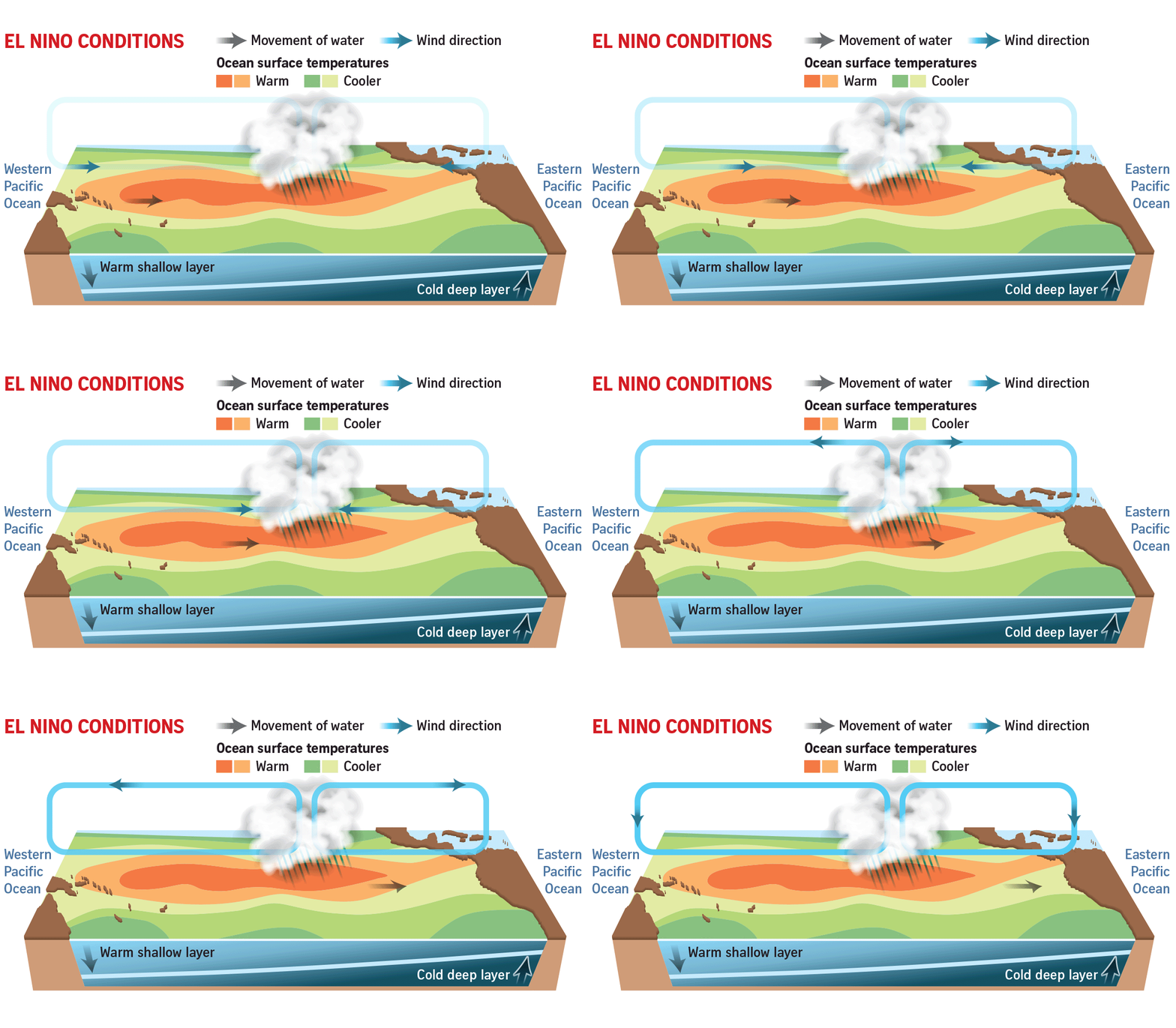
Burning coal, oil and gas releases greenhouse gases that are heating up the planet. A rapidly warming planet in combination with a powerful El Nino is like pouring fuel on a fire.
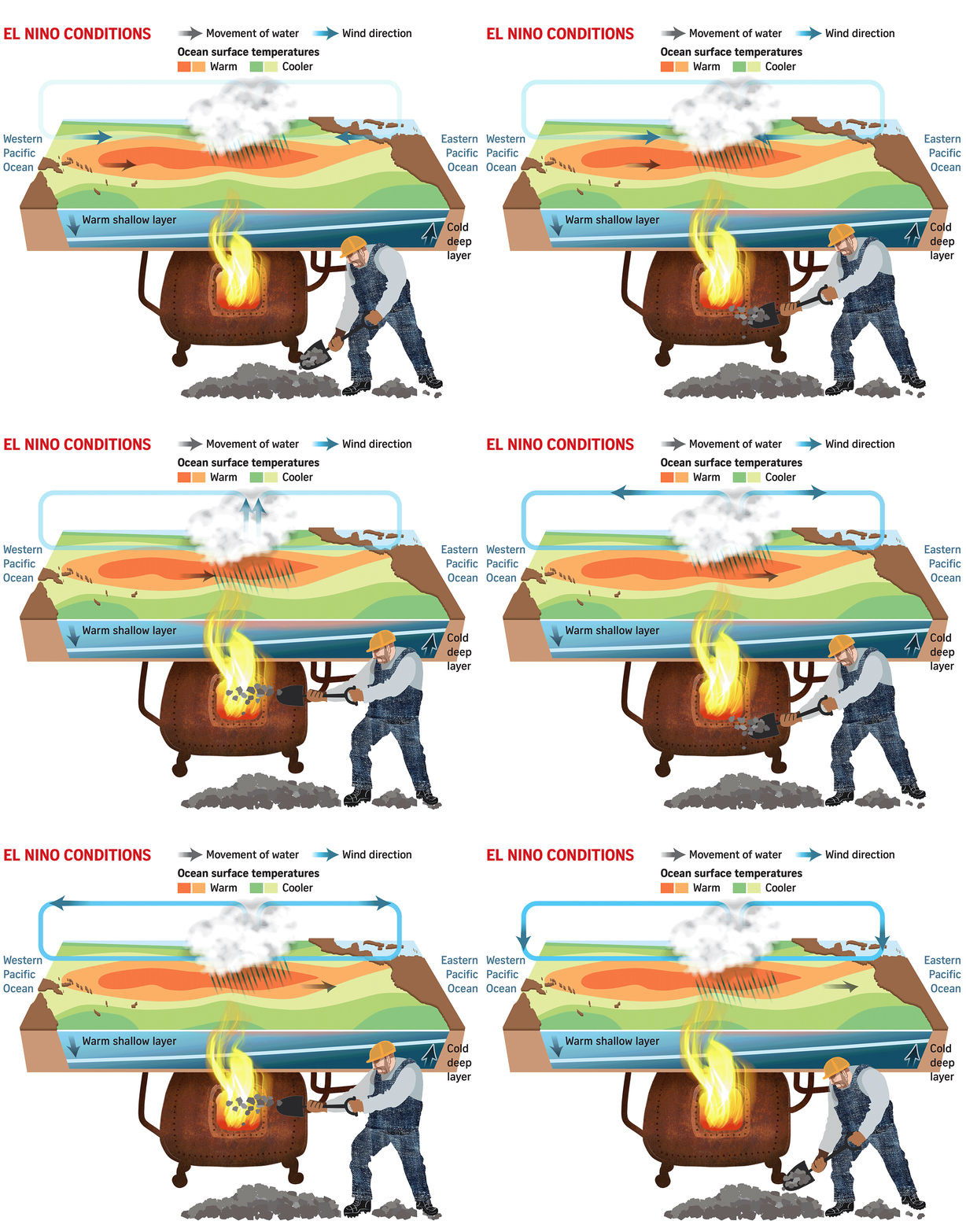
It is different from La Nina:
La Nina events are the opposite. Westward-blowing trade winds intensify, causing more warm water to pool around the maritime continent. This results in more rain and cooler weather in this region.
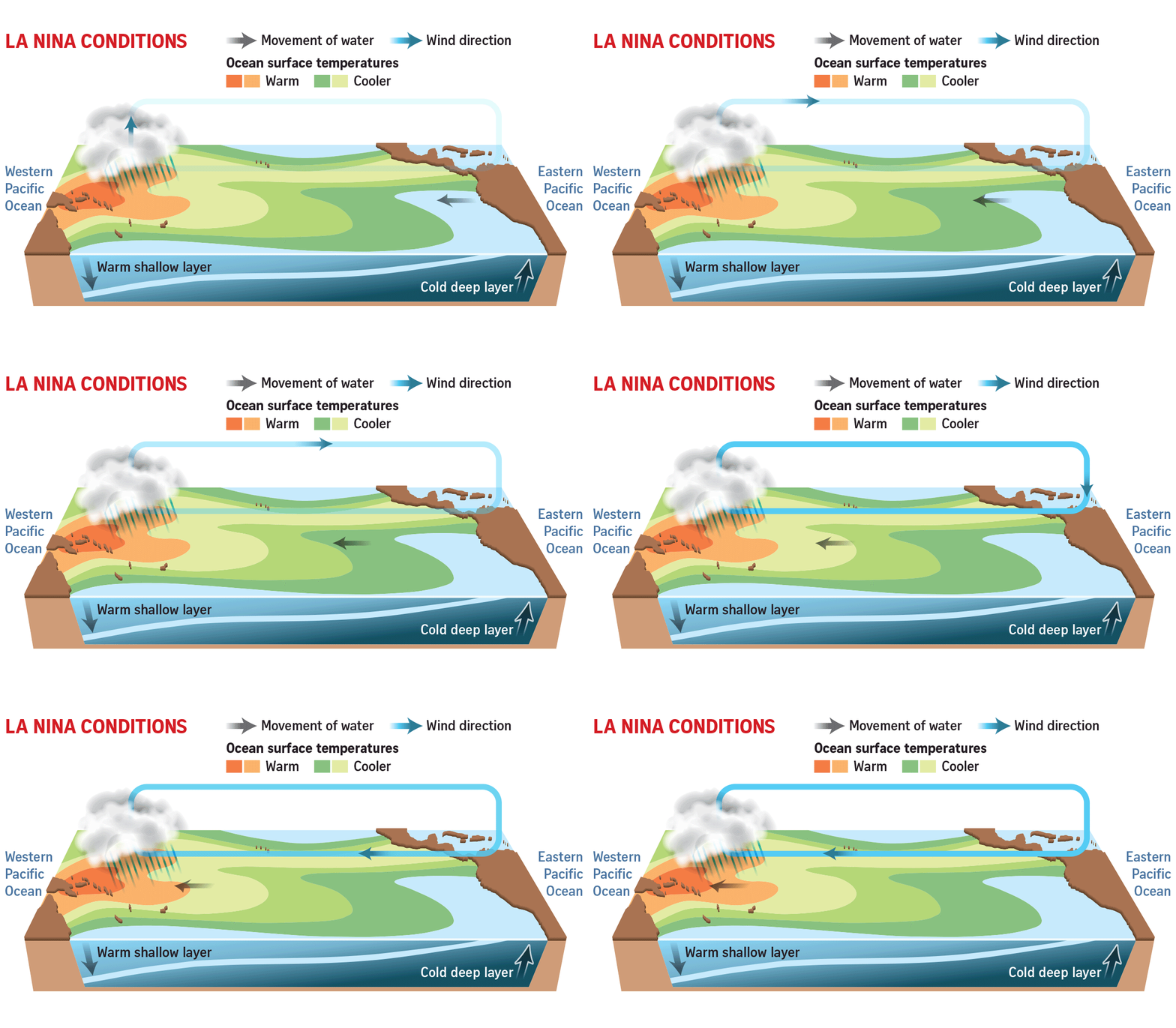
1. Rise in global temperatures:
El Ninos typically increase global temperatures by releasing heat stored in the ocean. These events can upend daily lives and the livelihoods of many.
Farmers are at greater risk of crop failures and debts, and higher temperatures are a health risk, especially for the elderly, while floods and wildfires can cause deaths and widespread damage.
Supply chains can be disrupted and electricity generation curtailed as water levels in rivers and dams fall. Food prices can spike too.
Recent research says the extreme 1997-1998 El Nino caused an estimated US$5.7 trillion (S$7.2 trillion) in global economic losses and US$3.9 trillion in the 2015-2016 event.
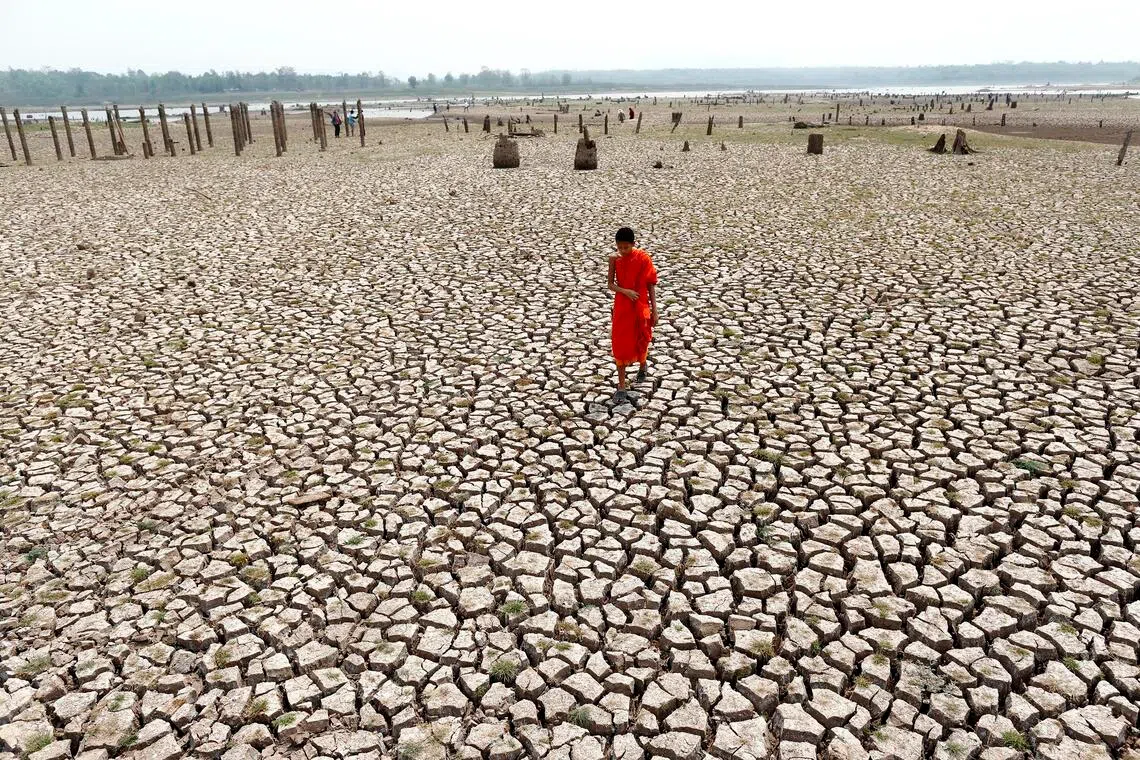
Reservoirs in Thailand dried up in 2016 when the country was hit by one of the worst droughts in decades, partly due to El Nino.
PHOTO: EPA
El Nino could push up global average temperatures even further, increasing the chances of 2027 being the hottest year on record, the UN’s World Meteorological Organization (WMO) says.
The past 11 years have been the 11 warmest on record, the WMO says. Global ocean warming continues unabated, with ocean temperatures hitting new records in 2026.
What are the impacts on South-east Asia?
In South-east Asia, past strong El Nino events caused severe drought, crop losses, forest fires and haze, resulting in deaths and widespread respiratory illnesses.
What’s the latest forecast?
In its latest update, the US Climate Prediction Center (CPC) says El Nino is still strengthening and there is a greater than 90 per cent chance of a very strong event during the Northern Hemisphere autumn and winter in 2026-27.
“Very strong” is defined as being 2 deg C or more above an index value (the ocean warming in the main El Nino monitoring region of the tropical Pacific Ocean).
The CPC also says there is a 69 per cent chance of a historic event that will exceed the strength of previous El Nino events dating back to 1950.
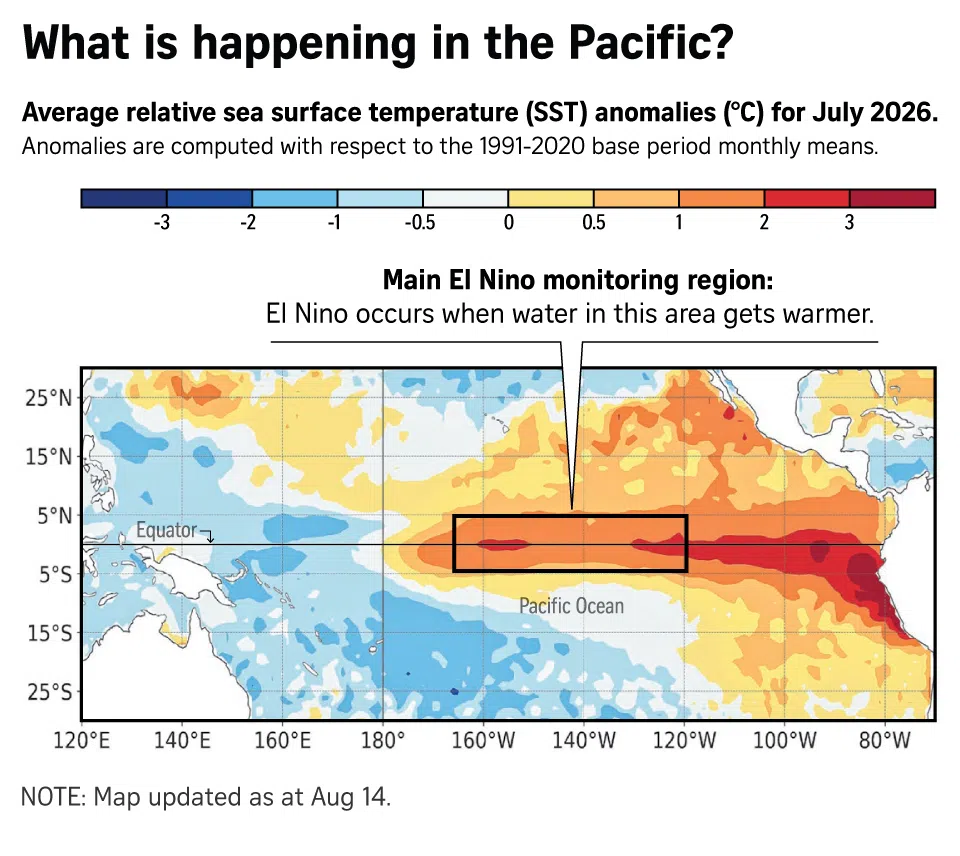
Source: National Oceanic and Atmospheric Administration
What are the global impacts?
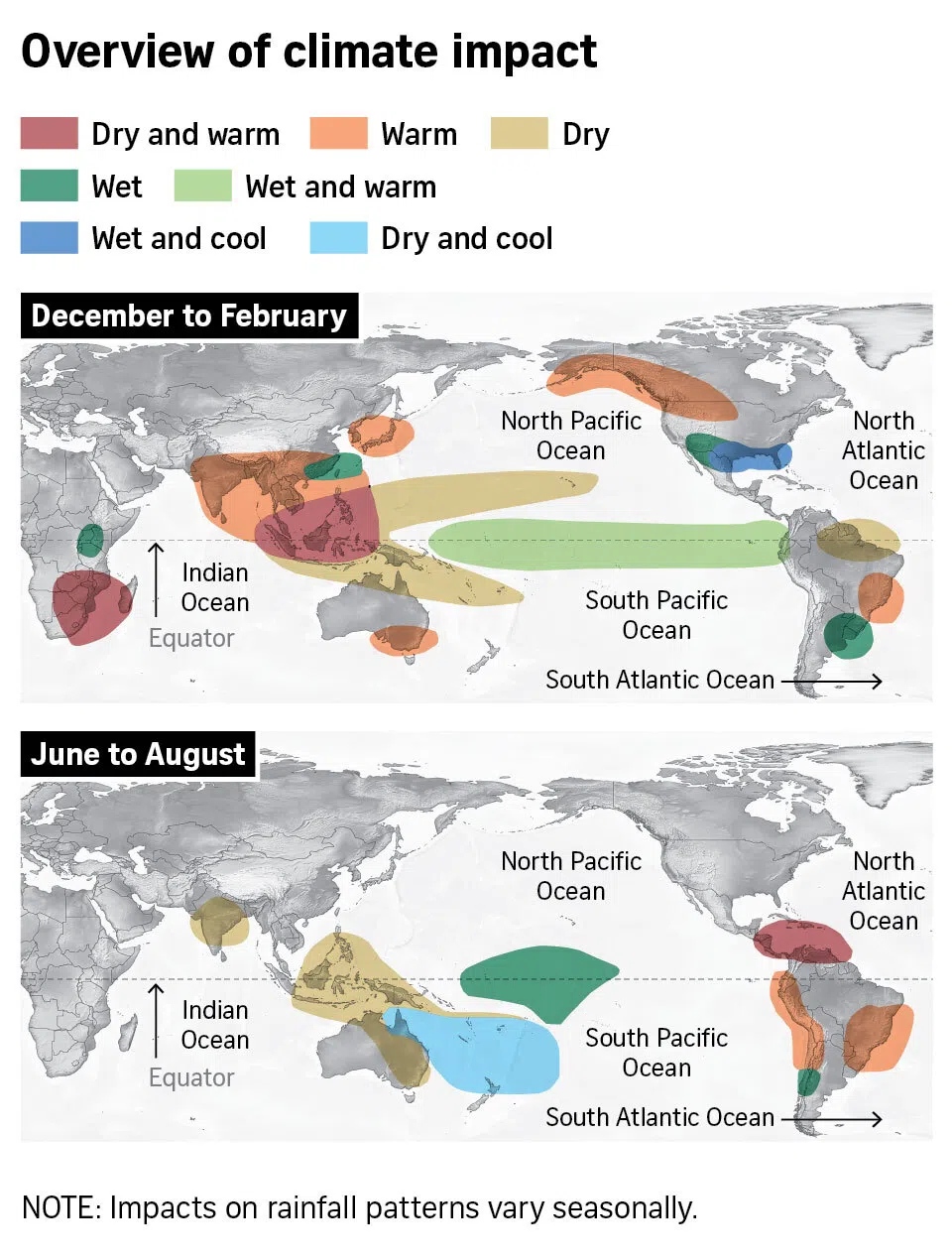
El Nino brings drought to Australia, India and Indonesia in the Southern Hemisphere summer and to South America in the Southern Hemisphere winter.
El Nino typically brings hotter, drier weather to South-east Asia and Australia that raises the risks of heat-related injuries or deaths; droughts that stress water supplies and crops; spikes in food prices; and wildfires. But it can also bring heavy rain to places, including Peru, eastern Africa and the Southern United States.
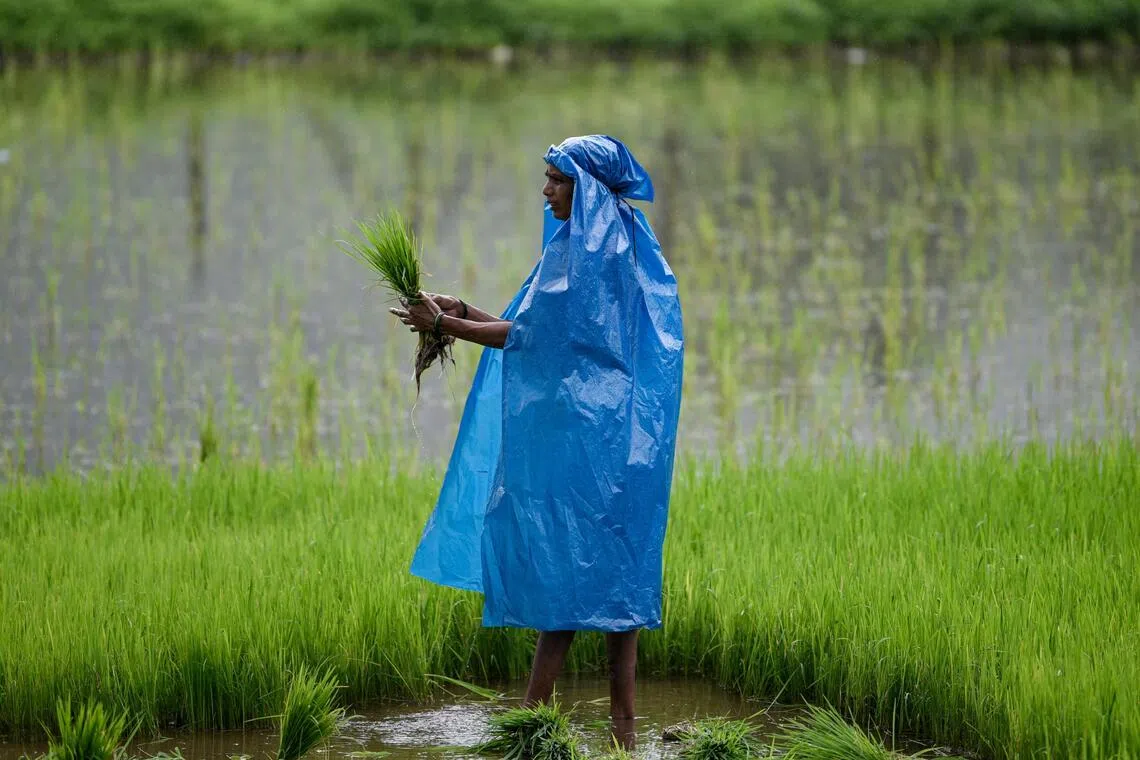
An intensifying El Nino and global warming are driving a shift in India’s monsoon rainfall, creating more erratic weather patterns that threaten to dent agricultural output and strain power grids.
The phenomenon disrupts the formation of hurricanes in the Atlantic but leads to more hurricanes and cyclones in the central Pacific.
El Nino can also bring devastating impacts to the world’s oceans, including marine heatwaves that can cause mass coral bleaching, disruption of key ocean currents and damage to seagrass meadows and kelp forests. Warmer seas fuel storms and heavy rain.
It is not all gloom, though.
El Nino can bring regional benefits, according to the US National Oceanic and Atmospheric Administration. Apart from causing a smaller number of Atlantic hurricanes, it can bring drought relief to normally dry parts of the US and South America, milder winters in North America and increased rainfall for agriculture in East Africa.
Hotter, drier weather can also curb mosquito numbers.
Closer to home, Indonesian salt farmers in Java are reaping a bumper crop from the drier, hotter weather. This allows them to produce salt faster, which they can store to sell later.
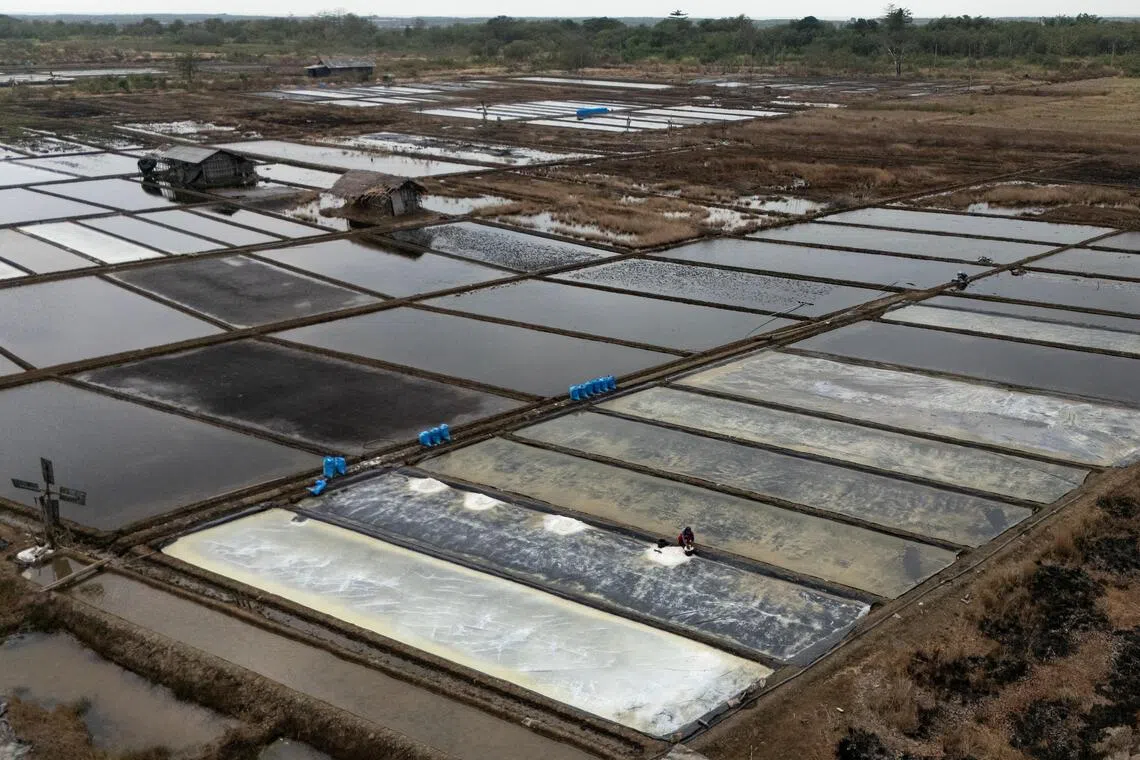
An aerial view of a farmer collecting crystallised salt from a pond floor during harvesting in Pengarengan village, West Java province, Indonesia, in July.
PHOTO: REUTERS
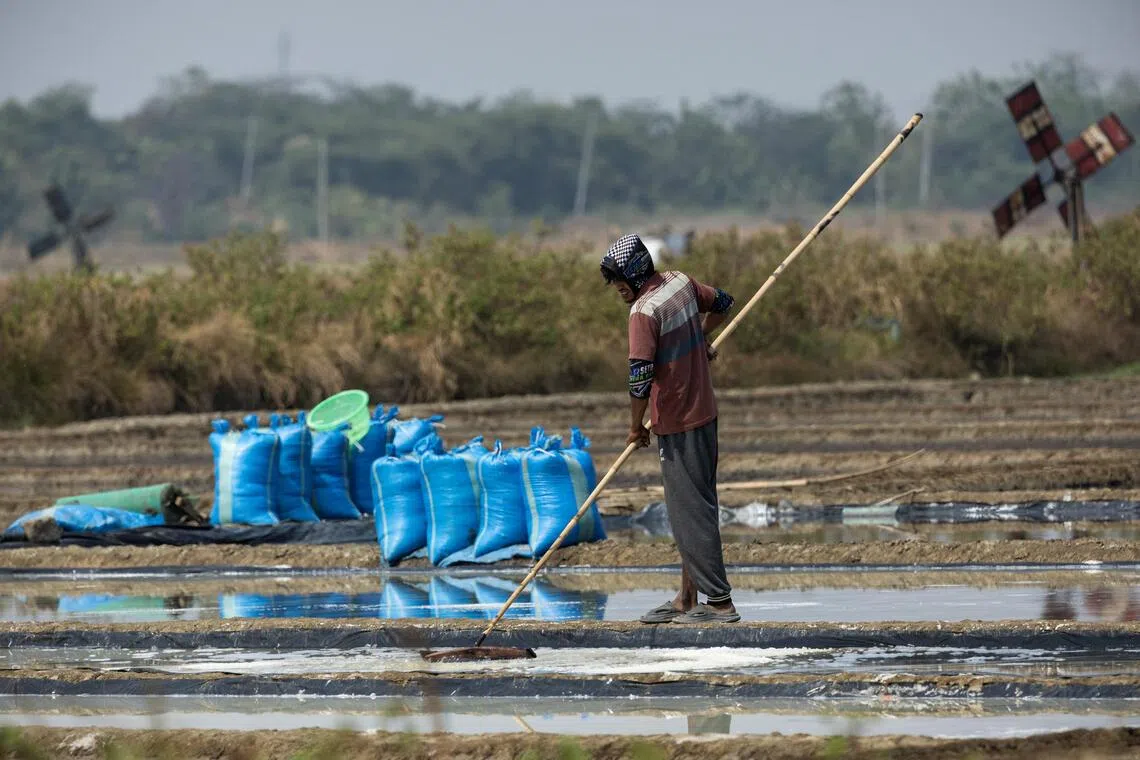
Salt farmers in Indonesia’s West Java province are reaping the benefits of drier, hotter weather driven by El Nino.
PHOTO: REUTERS
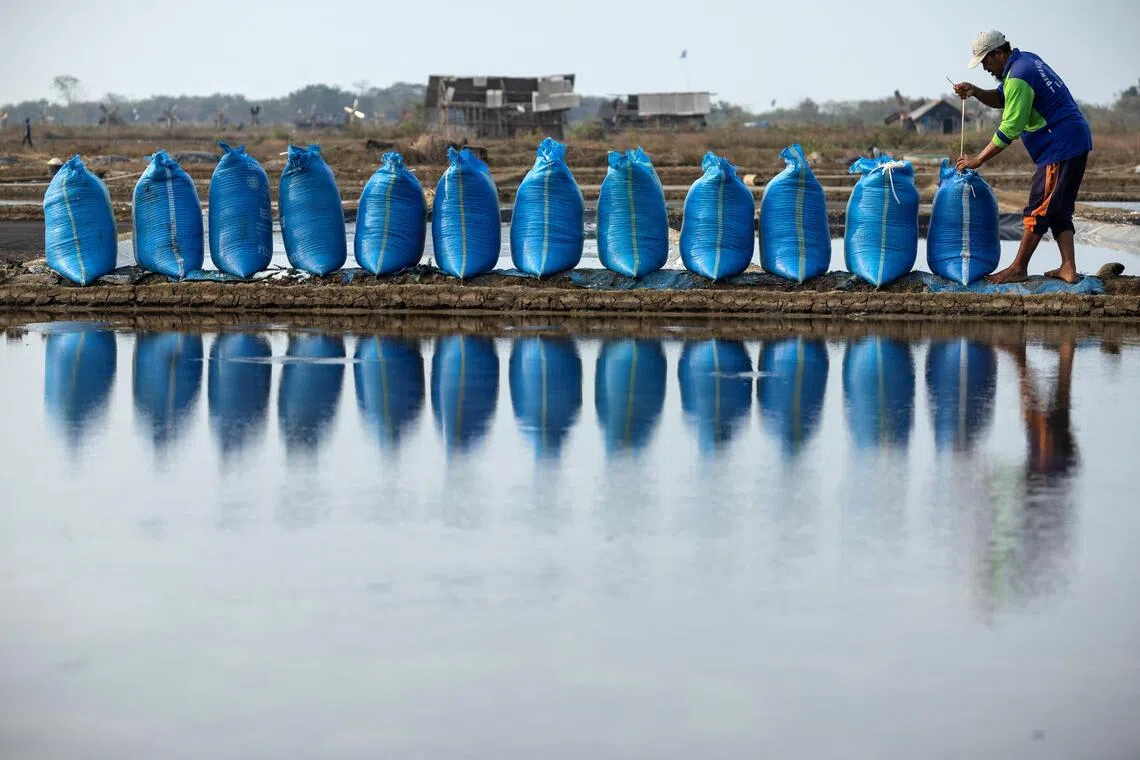
With dry conditions expected to persist till October, West Java is likely to record a bumper salt harvest.
PHOTO: REUTERS
Additional photo credits: AFP, Bloomberg, Reuters
ST Illustration: Manny Francisco
Produced by: Chang May Choon, Stephanie Yeow