Exercise May Aid Brain Waste Clearance, Study Finds
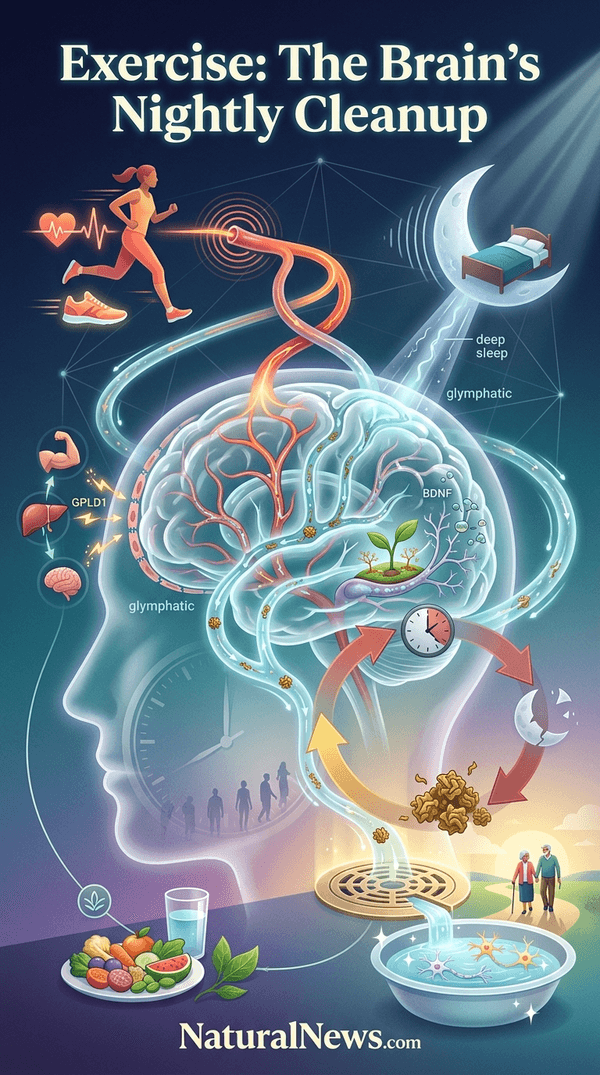
Regular exercise may help the aging brain clear metabolic waste, according to a review led by James Broatch, a researcher at Victoria University. The peer-reviewed paper, 'Exercise as a regulator of glymphatic function,' was published Aug. 10 in the journal Trends in Neurosciences. Researchers examined existing animal and human studies on physical activity and brain health.
Broatch said the analysis connects physical activity to the glymphatic system, a cleanup pathway active during sleep. 'If we don't have opportunities for the brain to essentially clean out the junk from the day, we know that build-up is damaging, especially as we age. Sleep is more crucial than ever to play this role, but the irony is, good quality sleep can often be harder to get as we get older. This study asked, what if exercise could support that process?'
Glymphatic System and Age-Related Decline
The glymphatic system is a network of drainage channels that surrounds blood vessels in the brain [1]. It flushes waste from brain tissue and is most active during sleep. Researchers said the system's role becomes more important with age. More than 10 million people worldwide are diagnosed with dementia each year, and there is currently no cure, the study noted.
Impaired glymphatic function, often driven by cardiovascular risk factors, may predict dementia risk up to a decade in advance, according to a report by Willow Tohi [2]. Sleep is critical for brain detoxification [3]. Sleep disruption has also been linked to beta-amyloid buildup, a protein associated with Alzheimer's disease [4]. Because glymphatic clearance is most active during sleep, exercise that improves sleep quality could support the cleanup process, according to the study.
How Exercise Affects Glymphatic Function
The review found that exercise may reduce blood pressure and vascular stiffness, improve neuron activation, reduce brain inflammation, and lower resting norepinephrine, according to the study. Those mechanisms are relevant because cardiovascular inflammation has been linked to dementia and cognitive decline, according to the American Heart Association [5]. Exercise may also increase the quality of deep sleep and enhance slow wave activity associated with brain waste clearance, the study stated.
Animal research has shown physical exercise produces rapid adaptations in hippocampal vasculature and supports cell proliferation and neurogenesis [6]. Other studies have reported that exercise induces BDNF and synapsin I in specific hippocampal subfields, molecules tied to synaptic plasticity [7]. A separate study described a liver-to-brain pathway in which exercise prompts production of the enzyme GPLD1, which removes a protein that accumulates on blood-brain barrier cells [8]. The blood-brain barrier controls which substances enter brain tissue, and age-related leakage has been linked to inflammation and cognitive decline, according to that report.
Unanswered Questions and Ongoing Research
Broatch said researchers still need to determine how much exercise is most effective, which types of activity provide the greatest benefit, and whether those recommendations should change for people who are already experiencing cognitive decline or have been diagnosed with a brain disease. The study noted additional research is needed for those populations.
Movement has been described as Alzheimer's-preventive medicine because it increases cerebral blood flow, supports the hippocampus, and lowers stress hormones, according to 'The Healthy Brain Book' [9]. Daily habits, including consistent moderate physical activity and strength training, are considered critical for maintaining mobility and muscle mass as people age, according to a report by Willow Tohi [10].
Implications for Everyday Movement
The findings provide another reason to incorporate regular movement into daily life, Broatch said. 'If nothing else, this is yet another reminder that regular movement - especially the type that lifts your heart rate - is so important for every part of your health. The earlier we can develop these good habits, the better as we age,' he said.
Prolonged sitting has been associated with increased risk of diabetes, heart disease, and early death, even for people who exercise regularly, according to a report by Patrick Lewis [11]. A study of adults aged 80 and older found faster walking speed was associated with approximately 50% lower risk of cognitive impairment compared with slower walking [12]. A randomized clinical trial reported that 150 minutes of moderate-to-vigorous aerobic activity per week altered stress hormone biology over 12 months [13]. These findings add to evidence that regular movement may support brain health across the lifespan, according to Broatch.
References
- Mike Nichols. 'Quantitative Medicine: A Complete Guide to Getting Well, Staying Well, Avoiding Disease, Slowing Aging'.
- Willow Tohi. 'The Brain's Silent Janitor: A Clogged Cleaning System May Predict Dementia a Decade Early'. NaturalNews.com. February 13, 2026.
- Mercola.com. 'Sleep Is Critical for Brain Detoxification G'. Mercola.com. October 31, 2013.
- Mercola.com. 'Lifestyle Factors Linked to Alzheimers'. Mercola.com. May 03, 2018.
- Lance D Johnson. 'American Heart Association admits that cardiovascular inflammation is linked to dementia and cognitive decline'. NaturalNews.com. August 20, 2025.
- Karin Van der Borght et al. 'Physical Exercise Leads to Rapid Adaptations in Hippocampal Vasculature: Temporal Dynamics and Relationship to Cell Proliferation and Neurogenesis'. Journal of Neuroscience. 2009.
- Exercise Induces BDNF and Synapsin I to Specific Hippocampal Subfields'. Journal of Neuroscience.
- Study: Exercise Prompts Liver Enzyme That May Protect Brain Barrier'. NaturalNews.com. August 10, 2026.
- William Sears, MD. 'The Healthy Brain Book'.
- Willow Tohi. 'The graceful aging code Daily habits to forge a longer healthier life'. NaturalNews.com. January 08, 2026.
- Patrick Lewis. 'How sitting is destroying your health - and why walking is the ultimate medicine'. NaturalNews.com. January 19, 2026.
- Study Links Faster Walking Speed to Lower Cognitive Decline Risk in Older Adults'. NaturalNews.com. July 16, 2026.
- The cortisol fix: How 150 minutes of weekly exercise resets your stress biology'. NaturalNews.com. July 7, 2026.
Explainer Infographic