By The Rio Times | Created at 2026-08-10 15:30:00 | Updated at 2026-08-10 17:22:58
2 hours ago
By The Rio Times | Created at 2026-08-10 15:30:00 | Updated at 2026-08-10 17:22:58
2 hours ago
Uruguay · Real Estate
Key Facts
- New name — The former Enjoy/Conrad complex becomes Fasano Península.
- Mixed use — Hotel, casino, shopping and luxury residences in one project.
- Big spend — JHSF plans US$400–500 million over four to five years.
- Design lead — Architect Carolina Proto heads the renovation via her studio Obra Prima.
- Timing — First phase targets late 2026; full project between 2027 and 2028.
- Stay open — The existing hotel and casino keep running during works.
- Local jobs — At least 400 people will work on construction.
A US$400 million transformation is turning the old Conrad into a sleek mixed-use destination. Here is what the new Fasano means for the coast.
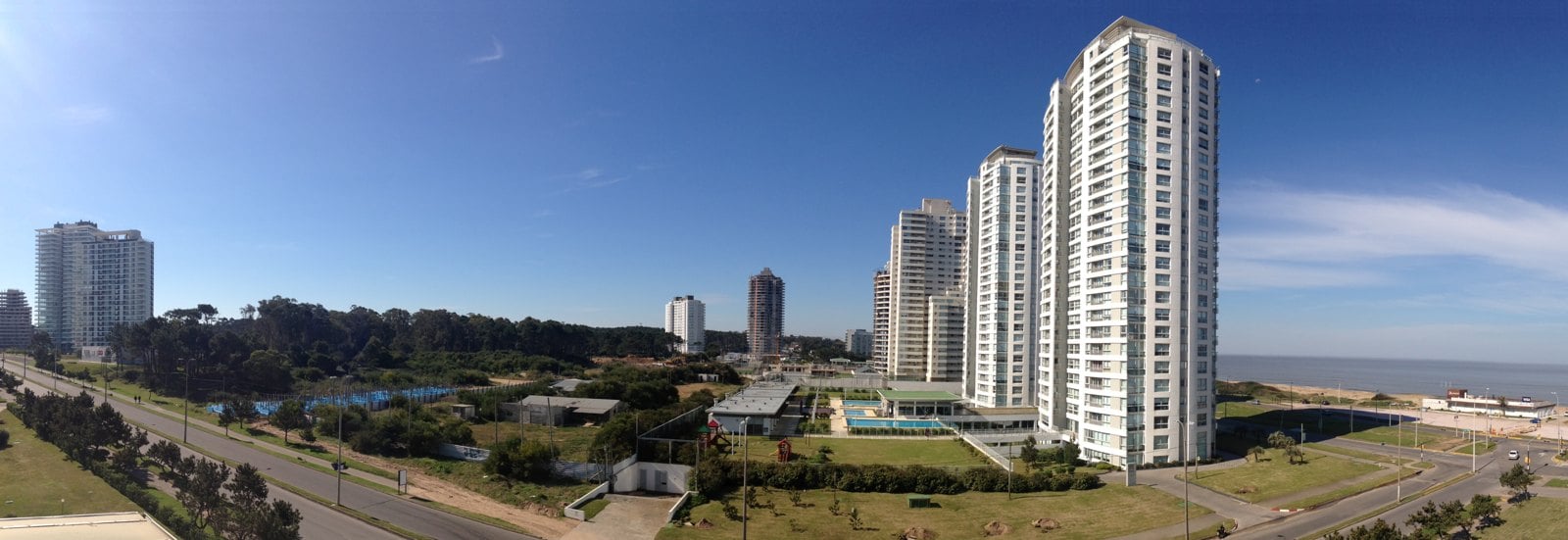
Fasano Punta del Este is the story. Playa Mansa is getting a serious glow-up. The old Conrad complex in Punta del Este, Uruguay, is becoming Fasano Península, a US$400 million transformation led by Brazilian group JHSF. For anyone living in or invested in Latin America, this is the pulse of the region’s luxury real estate, and it is happening right now.
One-stop reference
Company Intelligence
Every listed company in Latin America — financials, ownership and structure for 1,450+ companies across 26 exchanges, in one place.
What Is Fasano Península?: Fasano Punta del Este
The project reimagines the sprawling seaside complex bought by JHSF earlier this year. That deal, reported at US$160 million, gave the Brazilian group control of the property through its acquisition of Baluma S.A.
Uruguay’s central bank approved the purchase. The site now gets a new identity: Fasano Península.
Expect a hotel, a casino, a shopping centre with more than 20,000 square metres, and luxury residences. The plan also includes a beach club and a refurbished boardwalk connecting the complex to the sand.
The developer wants the new complex to become a community hub, not just a tourist retreat. That means more public access and a lighter footprint on the coastline.
Local businesses stand to benefit from the resort’s pull. The project is set to lift the whole Mansa district, which until now was known mainly for its quieter beaches and older hotels.
The developer is keeping a key piece of local history alive by preserving some of the building’s shell. This nod to the past sits alongside all the modern additions.
The project has won support from municipal planners. They see it as a catalyst for more sustainable growth along the bay.
The gamble is significant but the reward could be huge. If the first phase lands on time, it will be the first major seaside resort of its kind in Uruguay in over a decade.
The combination of a hotel, casino, retail and residences under one roof is rare in this part of South America. That mix makes it a magnet for both tourists and local buyers.
The Architect Behind the Vision
Carolina Proto is the architect leading the charge. She runs the studio Obra Prima and has called Uruguay home for over two decades, even though she is Brazilian by birth.
Proto has worked with the Fasano group since 2008, building a reputation for thoughtful, warm design. Her brief here is a deep renovation, not a simple facelift.
She sees the project as a chance to blend local materials with the brand’s signature style. The hope is to create a place that feels both exclusive and inviting.
What Changes for the Complex?
The old building will see its architecture, layout, and services completely reworked. A warmer material palette and new gastronomic and commercial spaces are part of the plan.
A key goal is making the complex more open to the local community. Proto also wants to reduce energy impact.
The construction phase alone should employ at least 400 people. That number does not include the new permanent staff needed for the expanded resort.
The casino will get a fresh look too, though it remains a core part of the offering. The gaming floor is being redesigned to feel more open and modern.
The shopping area is set to include boutiques and restaurants that celebrate Uruguay’s culinary and craft scene. That is a deliberate move to distinguish it from other mall projects.
Residences will range from compact studios to sprawling penthouses. All will have direct access to the hotel services, which is a major draw for potential buyers.
The plan also updates the landscaping, with native plants and shaded walkways. That is a response to growing concerns about coastal erosion and climate change.
When Will It Be Ready?
The first phase should be ready by the end of 2026, according to some reports. Others say December 2026, with the full project wrapping up by 2028.
Completion dates vary by outlet, so expect some flexibility. The good news is the existing hotel and casino stay open while the renovation unfolds.
The developer is likely to stagger the opening to keep revenue flowing. The residential towers could be delivered last, once the hotel and public spaces are stable.
Any setback in planning or construction could push the final date later. But the local authorities have already signalled support, which lowers that risk.
Why Punta del Este
Punta del Este is Uruguay’s most famous beach resort, a summer magnet for well-off Argentines and Brazilians. Property here has long been a store of value for the region’s wealthy.
Playa Mansa, the calmer bayside beach, is prized for its sunsets. A branded home there aims squarely at buyers who want a name they know.
The town is quiet in winter and packed from December to February. Many owners visit only for the season.
Why You Should Care
Punta del Este is already a magnet for expats and investors. This project cements its status as a serious luxury destination.
For anyone with property or business interests in the region, watch this space. It is a sign of confidence in Uruguay’s stability and appeal.
The project also marks a shift in how resorts are built along the Rio de la Plata coast. It is a bet on a longer, more integrated season rather than just the summer boom.
If it succeeds, it could prompt similar investments elsewhere in South America. That would be good news for the region’s construction and tourism sectors.
Frequently Asked Questions
What was the purchase price of the complex?
JHSF paid roughly US$160 million to acquire the property through Baluma S.A.
Will the casino and hotel remain open during construction?
Yes, the existing operations continue while the redevelopment takes place.
Who is designing the new Fasano Península?
Architect Carolina Proto and her studio Obra Prima lead the design.
How much will the total project cost?
JHSF plans to invest between US$400 million and US$500 million.
Sources: Myuruguaystay, Lanacion, Busqueda, Propertyinuruguay, Yogonet