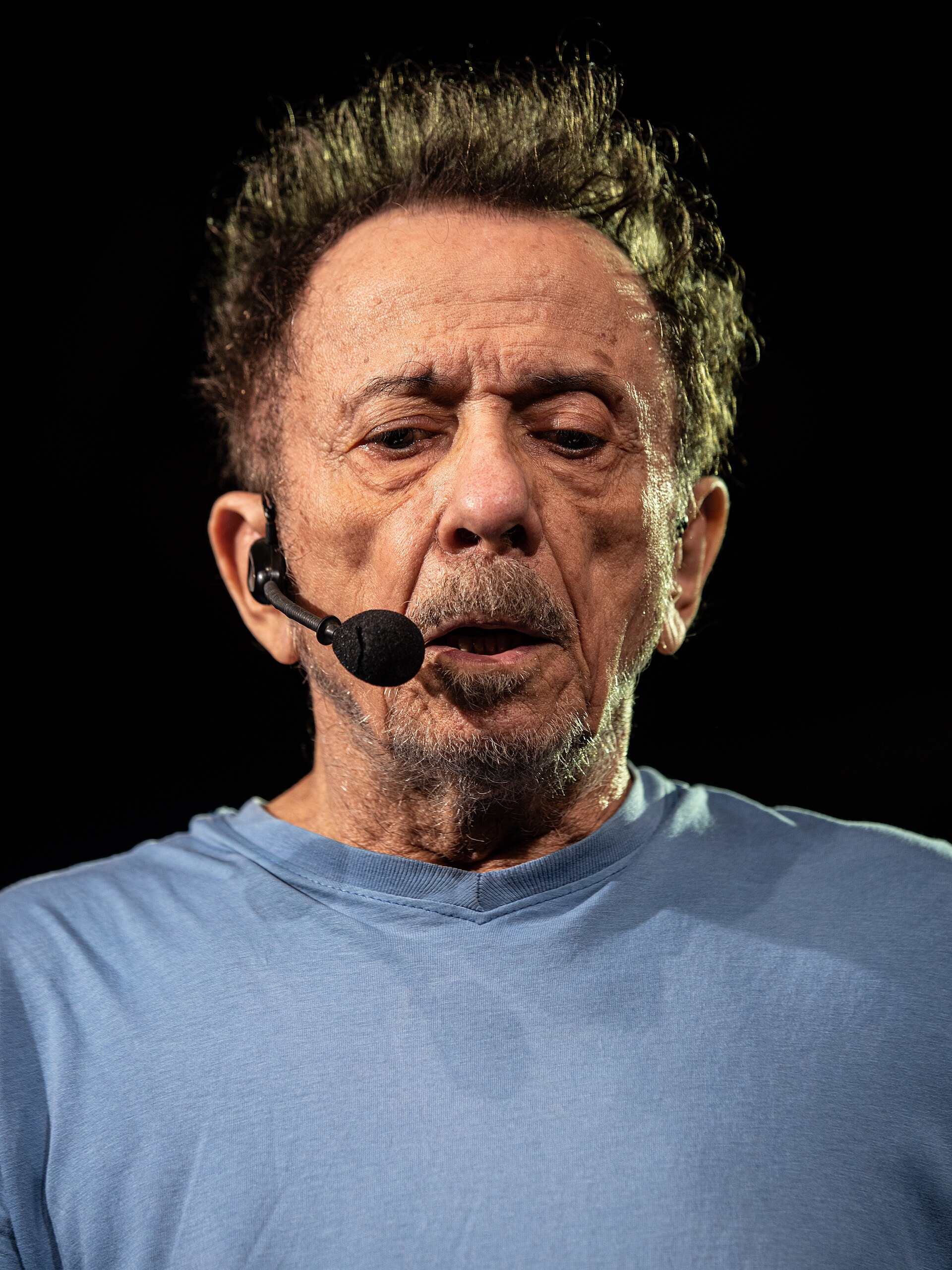
Brazil presidential candidate Flávio Bolsonaro won the backing of four centre-right parties on Wednesday, a day after a former adversary endorsed him, bolstering his campaign ahead of a tight run-off.
União Brasil, Progressistas, Republicanos and Novo endorsed the right-wing hopeful on Wednesday, adding to support for the son of former President Jair Bolsonaro.
“We can’t be part of a lost generation,” São Paulo Governor Tarcisio de Freitas told Bolsonaro at a Republicanos event late Wednesday. “We have to deliver on the work that your father started.”
The younger Bolsonaro is moving to consolidate support and counter criticism over his lack of governing experience as he prepares to face leftist incumbent Luiz Inácio Lula da Silva in the second round. On Tuesday, he secured the backing of Ronaldo Caiado, former Goias state governor and ex-presidential contender. The campaign expects to finalise political party endorsements by Thursday.
The mounting support could prove significant in the coming run-off, given that Bolsonaro fell less than three percentage points short of the outright majority needed to win the nation’s top job in Sunday’s first round vote.
“I’ll write every page of Brazil’s history with you,” Bolsonaro said at the Republicanos event. “I’m known as a bridge builder.”
Bolsonaro said he will respect the Constitution and the nation’s politics, while also vowing to serve only one term as head of state if elected in the October 25 run-off. “There will be stability, peace so everyone can work, as well as respect for the Constitution,” Bolsonaro told reporters. “Brazil will go back to normal.”
On Tuesday, Bolsonaro said he could use a congressional majority to amend the Constitution if he becomes president. The election produced a more right-leaning legislature, raising the possibility of securing majorities in both the Senate and the lower house and electing the leaders of both chambers.
He has pointed to judicial, tax and public security reforms, as well as a move to limit presidents to a single term, as policies he would pursue that would require constitutional changes.
by Daniel Carvalho & Augusta Saraiva, Bloomberg