 By GB News (World News) | Created at 2026-06-23 06:35:59 | Updated at 2026-06-23 08:42:24
2 hours ago
By GB News (World News) | Created at 2026-06-23 06:35:59 | Updated at 2026-06-23 08:42:24
2 hours ago
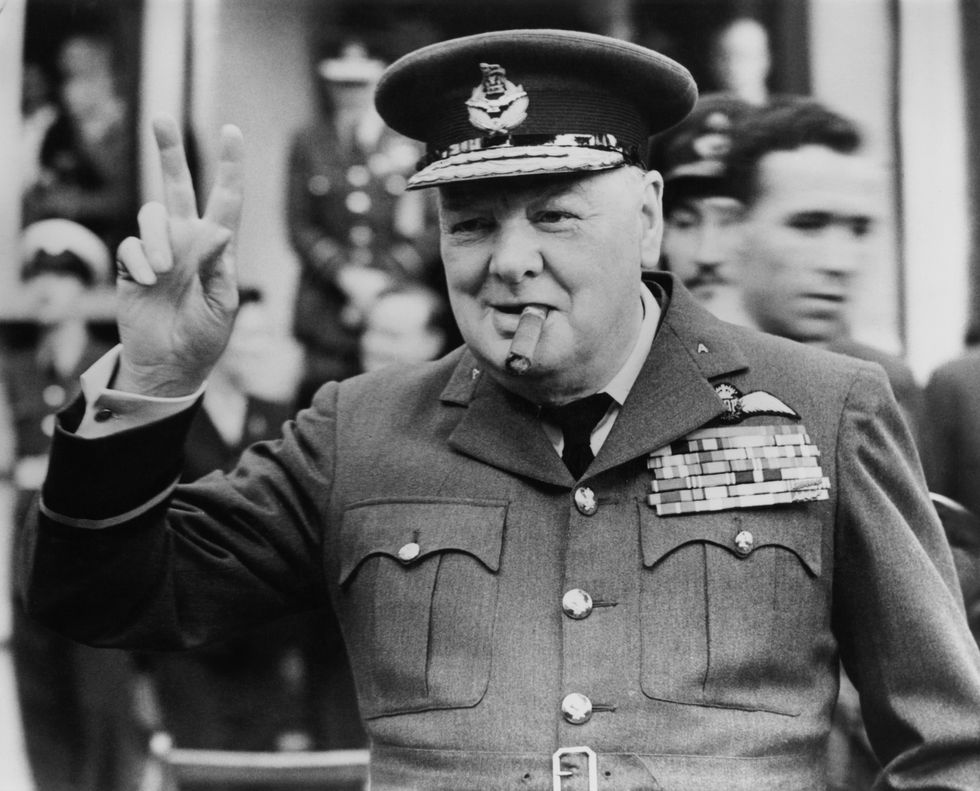
A display which wrongly accused Winston Churchill of starving Indians to death has finally been withdrawn amid intense public backlash.
The 40-minute film, titled Persistence, had been showing at the central London venue for 10 months as part of an exhibition called "Artists First: Contemporary Perspectives on Portraiture".
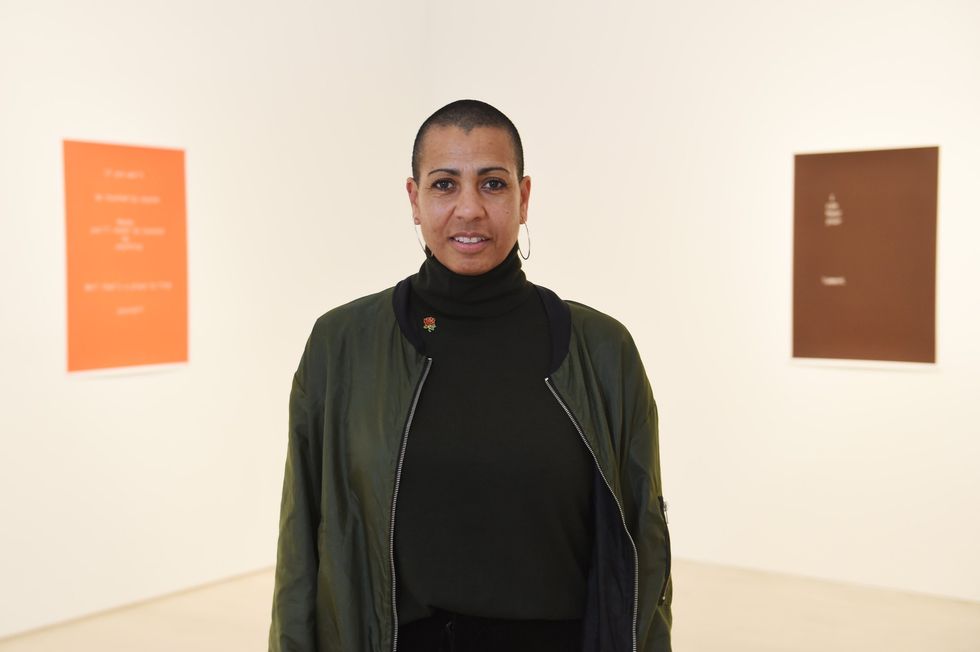
In the work, Turner Prize-winning artist Helen Cammock referred to "the wilful starvation of the Indian population by Winston Churchill" during the 1943 famine that killed an estimated three million people in eastern India.
The piece also drew comparisons between Churchill and Oliver Cromwell's military campaigns in Ireland during the 17th century.
Lord Roberts of Belgravia, a biographer of the wartime Prime Minister, organised an open letter to the gallery challenging the claims.
More than 50 peers added their signatures to the letter, including Sir Nicholas Soames, Sir Winston's grandson.
In the letter sent to Professor Shearer West, the Tory peer wrote: “The accusation that it was deliberately visited upon Bengalis by Churchill is foul and vile. It is also historically ludicrous.”
Lord Roberts went on to point out that Churchill directed “every effort must be made, even by the diversion of shipping urgently needed for war purposes, to alleviate local shortages".
In the work, Helen Cammock referred to 'the wilful starvation of the Indian population by Winston Churchill'
It then described the installation's portrayal of the British wartime hero as an "ideologically motivated rant".
Lord Roberts argued that a typhoon caused the Bengal famine and that Churchill had urged his War Cabinet to help those affected - while requesting that international leaders send grain supplies.
A member of the public also lodged a complaint with the gallery, which responded by defending the piece as representing the artist's personal reflections.
The gallery said: "Today, Helen Cammock decided to remove her film, Persistence, from display at the National Portrait Gallery.

"We respect her decision, just as we acknowledge the opinions of those who were offended by what was said in the film."
Officials said the project aimed to allow artists to create personal responses to the collection and that the views expressed did not necessarily reflect those of the institution.
Ms Cammock, who had developed the installation with the gallery since 2023, defended her approach in a statement.
"There is an incredible pressure on artists and arts institutions to bend to external pressure; to be benign at best and silent at worst," she said.
Lord Roberts argued that a typhoon caused the Bengal famine and that Churchill had urged his war cabinet to assist those affected
"I do not accept this pressure. To question, challenge and explore ideas and histories is vital to a healthy society and art is intrinsic to this."
The artist maintained her work was academically grounded and intended to prompt reflection on whose stories receive recognition.
Ms Cammock previously sparked controversey after calling for Israel to be banned from the Venice Biennale.
She claimed Israel is conducting a "genocide" in Gaza and was carrying out a "78-year occupation of Palestine".