By The Straits Times | Created at 2026-10-09 21:12:03 | Updated at 2026-10-09 22:14:01
1 hour ago
By The Straits Times | Created at 2026-10-09 21:12:03 | Updated at 2026-10-09 22:14:01
1 hour ago
KUCHING – For decades, however, that hope was tempered by a lingering sense that Sarawak was being left behind. It is a feeling that makes the state’s current political reawakening deeply personal for a new generation.
At Kuching’s popular Topspot foodcourt on a busy Friday evening, law graduate Muhammad Yusri Yahya, 28, explained how that sentiment took shape for him.
Born and raised in the Sarawak capital, Yusri grew up fascinated by the Petronas Twin Towers in Kuala Lumpur, which to him symbolised Malaysia’s rapid economic transformation.
But he also wondered why the Malaysian capital seemed so far ahead of his home town.
“I was just in awe as a child,” Yusri told The Straits Times. “I wondered, how come KL was so developed?”
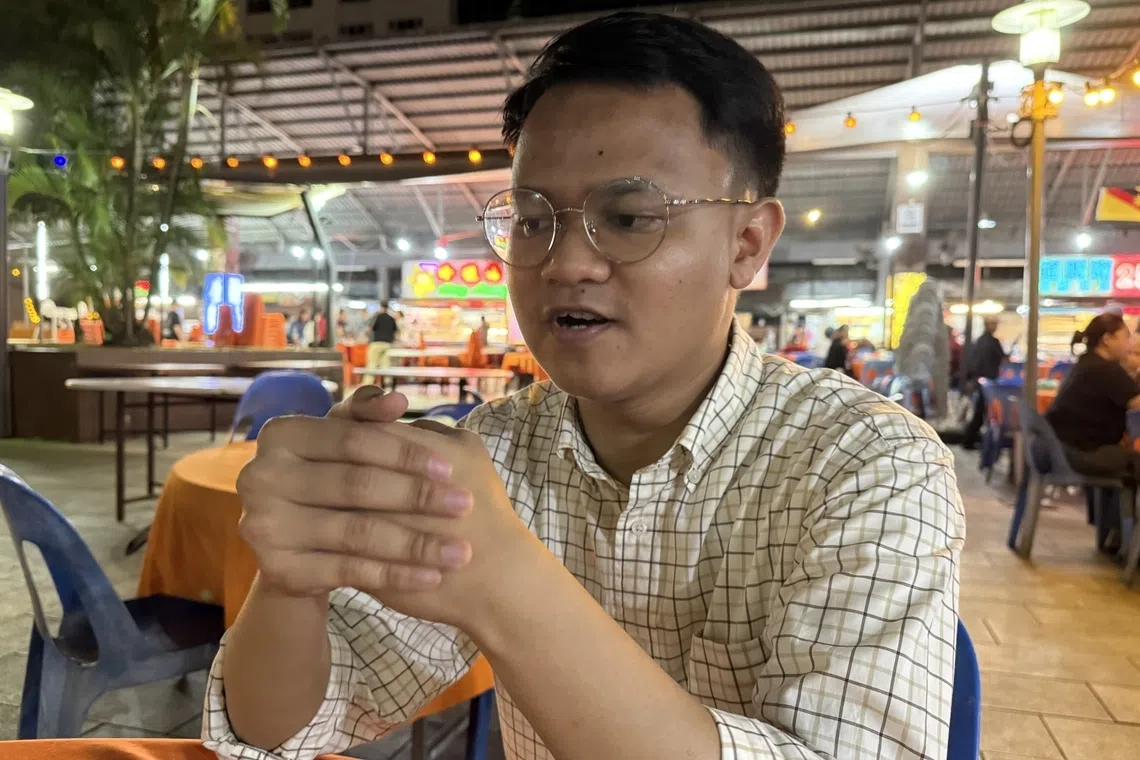
Law graduate Muhammad Yusri Yahya started questioning the disparity between Peninsular Malaysia and Sarawak as he grew older.
ST PHOTO: MUZLIZA MUSTAFA
The question changed as he grew older. As he learnt more about Sarawak’s history, its natural resources and the disparity in development between the peninsula and Borneo, his childhood admiration became more complicated.
The question was no longer why KL had prospered, but why resource-rich Sarawak had not kept pace. At 124,450 sq km, Sarawak is almost as large as Peninsular Malaysia, while oil and gas remain central to its economy, with liquid natural gas alone accounting for almost half of the state’s exports in 2024.
“I am quite upset that federal development budget distribution was heavily concentrated in the peninsula,” he said.
For many in Sarawak as well as neighbouring Sabah, the Petronas Twin Towers came to symbolise that imbalance. A common joke reflecting regional grievances holds that one tower was paid for by Sarawak and the other by Sabah.
Peninsular Malaysia only had money to pay for the skybridge connecting the two, the joke goes.
Yusri’s journey from a child awed by KL to an adult questioning Sarawak’s place in the federation mirrors a broader political evolution across the state. This strategic pivot is driving Sarawak to reclaim what it feels it is owed – starting with symbols like the General Post Office.
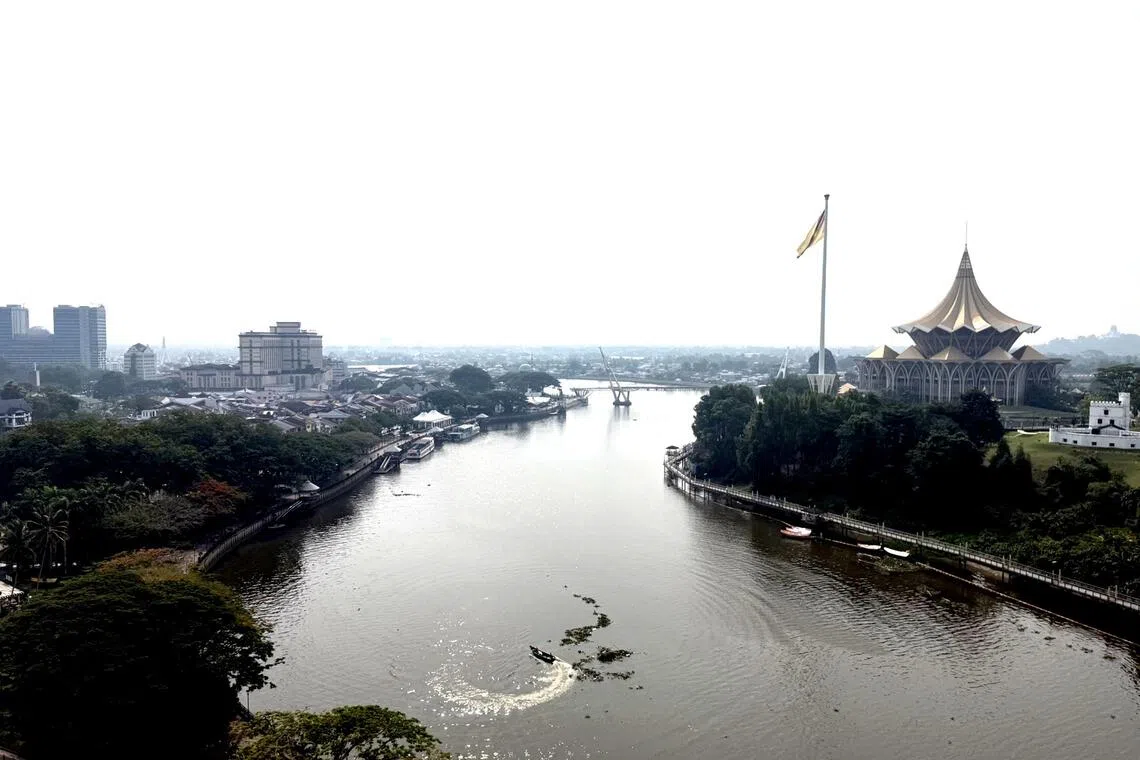
State capital Kuching sits on the banks of the Sarawak River, dominated by the iconic Sarawak State Legislative Assembly building with its landmark golden umbrella-shaped roof.
ST PHOTO: HADI AZMI
Autonomy push starts with reclaiming assets
Today, the state government wants to restore and repurpose the 94-year-old landmark, taking inspiration from successful efforts in Kuala Lumpur as well as Singapore.
“The Fullerton Hotel in Singapore was formerly a post office. The Sultan Abdul Samad Building in Kuala Lumpur has also been renovated,” Sarawak Premier Abang Johari Openg said in Kuching on July 28.
But there is a major snag: Sarawak does not own it. Ownership remains in the hands of Malaysia’s federal government in Putrajaya, nearly 1,000km away across the South China Sea.
“Once we have completed the discussions, that building can be renovated,” he added.
The building is part of 52 plots of land the federal government agreed in 2023 to return to Sarawak.
The plots had long been held by Putrajaya and earmarked for federal projects that never materialised. This drew criticism from the Premier, who has been arguing since 2019 that “if (the federal government) cannot implement the projects, give the authority to the Sarawak government to do it”.
However, as at 2026, the transfer is still pending.
Designed by the same architect as Singapore’s iconic Sultan Mosque, Kuching’s old post office is more than just another piece of colonial-era heritage awaiting restoration. The fight to reclaim it is just one visible symbol of a much larger, statewide mission.
For more than a decade, Sarawak has steadily expanded its control over assets once held by Putrajaya, from the Bakun hydroelectric dam in 2017 to Bintulu Port in 2025, while also securing the return of federal land across the state.

The Bakun Dam stands as one of South-east Asia’s major powerhouses of clean energy.
PHOTO: SARAWAK ENERGY/FACEBOOK
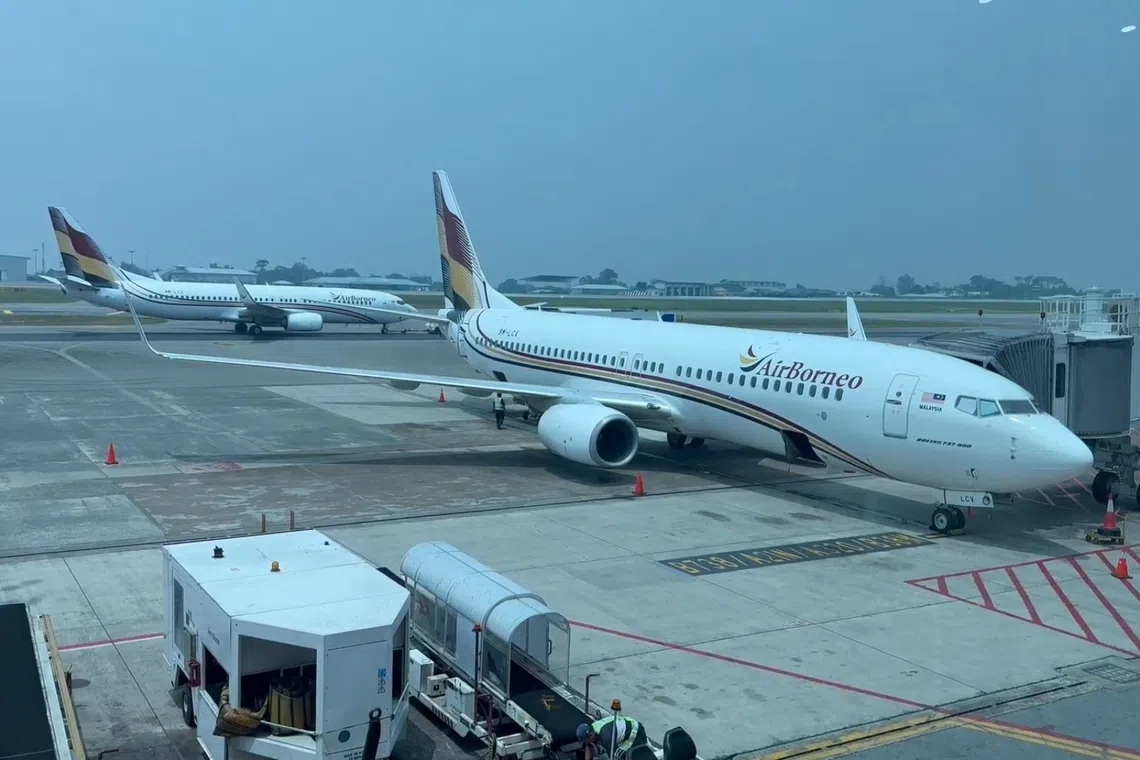
AirBorneo connects regional and interior communities across East Malaysia.
ST PHOTO: HADI AZMI
Through negotiations and political manoeuvres, the state has embarked on what its leaders see as a course correction, seeking to reassert Sarawak’s status not merely as one of Malaysia’s 13 states, but as a founding partner of the federation.
Today, Sarawak possesses its own airline AirBorneo, television station, coast guard and state bank – all institutions often associated with nationhood.
This growing autonomy has fuelled questions over whether it ultimately wants to go further, potentially reshaping the federation more profoundly than at any time since Singapore’s separation in 1965.
Whether Kuching is merely seeking a fairer federal deal or quietly carving out a separate political identity remains the central tension driving the state forward.
Distinct identity predating the 1963 union
To understand Sarawak’s political stance, one must look to its origins long before Malaysia existed.
At the newly consecrated neo-Gothic Roman Catholic St Peter’s Church in Padungan, Kuching, the Brooke-era Sarawak coat of arms appears among the 88 stained-glass windows decorating the city’s largest church.
“Without Brooke, there is no Sarawak,” said the church’s rector and parish priest, Reverend Father Vincent Chin.
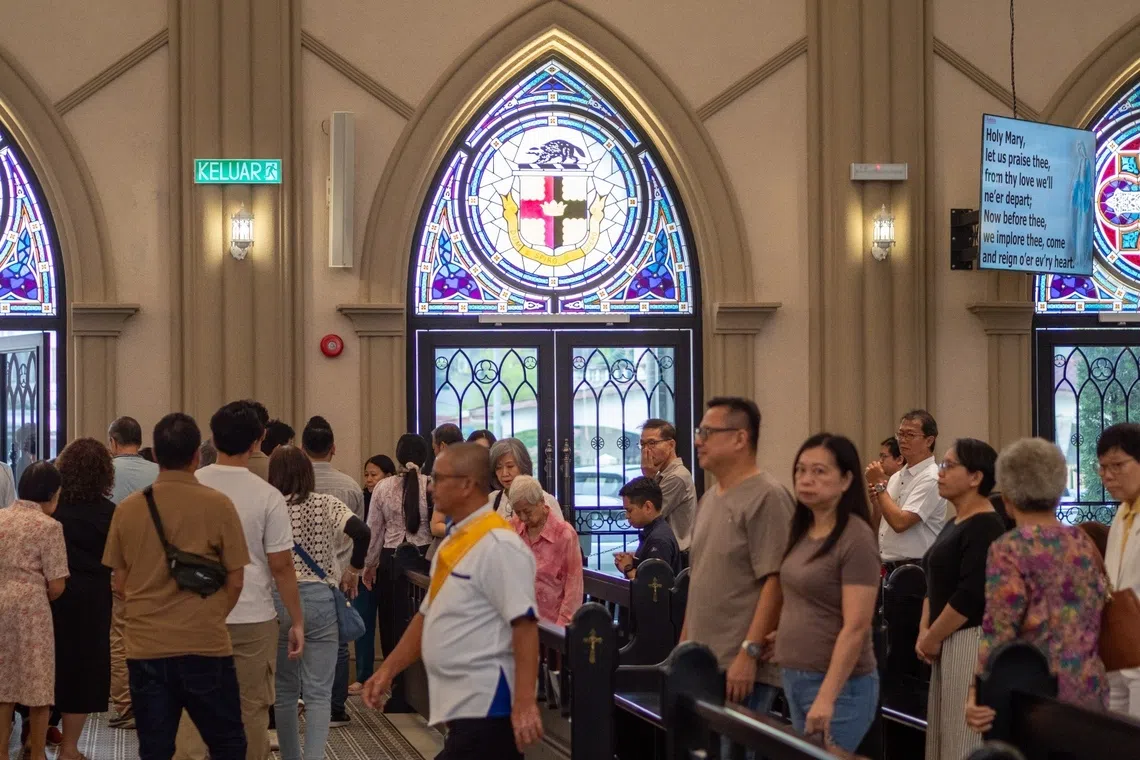
The Brooke-era Sarawak coat of arms on a stained-glass window at St Peter’s Church in Padungan, Kuching.
ST PHOTO: HADI AZMI
This deep-seated sense of sovereignty clashes sharply with modern demographic and political realities. Physically separated from Peninsular Malaysia, Sarawak’s culture is markedly different.
It is Malaysia’s only Christian-majority state, reflecting large indigenous Dayak communities, while ethnic Malays – who dominate national politics – make up less than a quarter of the population.
Instead, Sarawak is home to a complex mix of Iban, Bidayuh, Malay, Melanau and Orang Ulu communities, alongside a substantial Chinese population. This gives the state a social character markedly different from the familiar “Malay, Chinese and Indian” shorthand through which Malaysian society is often described.
Many see themselves as Sarawakian first, a sentiment strongly echoed by the ruling Gabungan Parti Sarawak (GPS) coalition in April, when “Sarawak First” banners hung throughout its convention hall in Kuching.
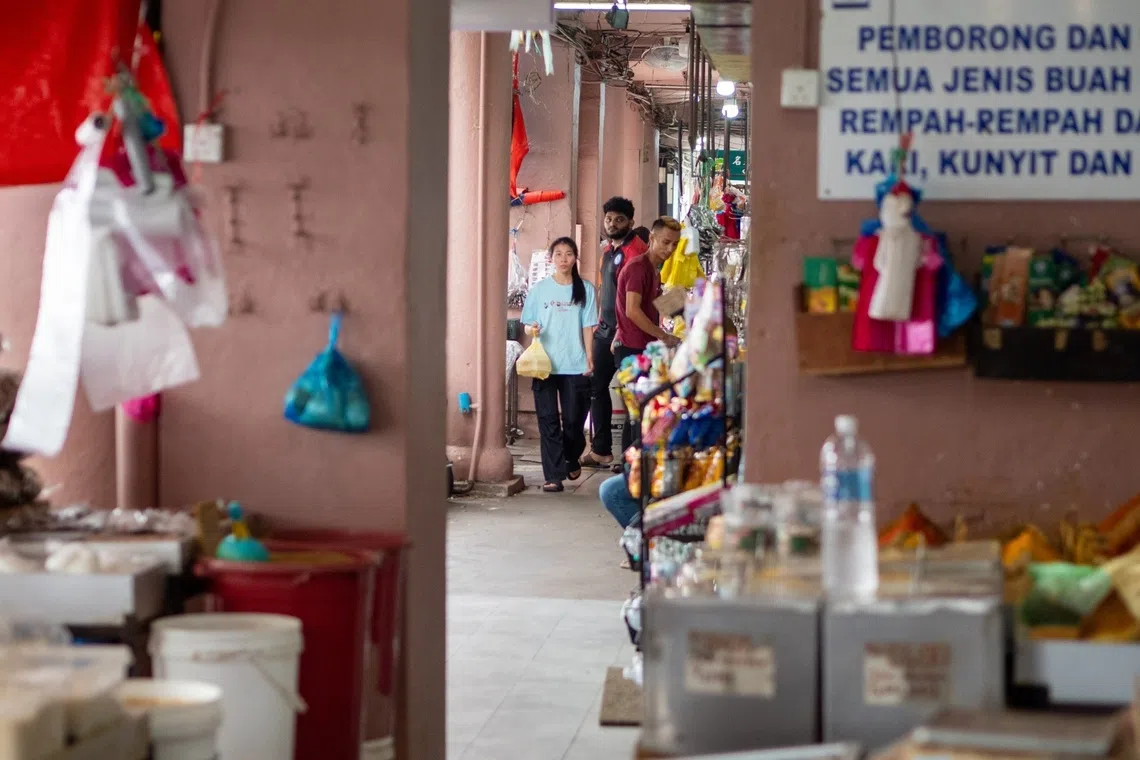
Sarawakians from all walks of life crowd Kuching’s old town, buying and selling traditional food and spices to locals and tourists alike.
ST PHOTO: HADI AZMI
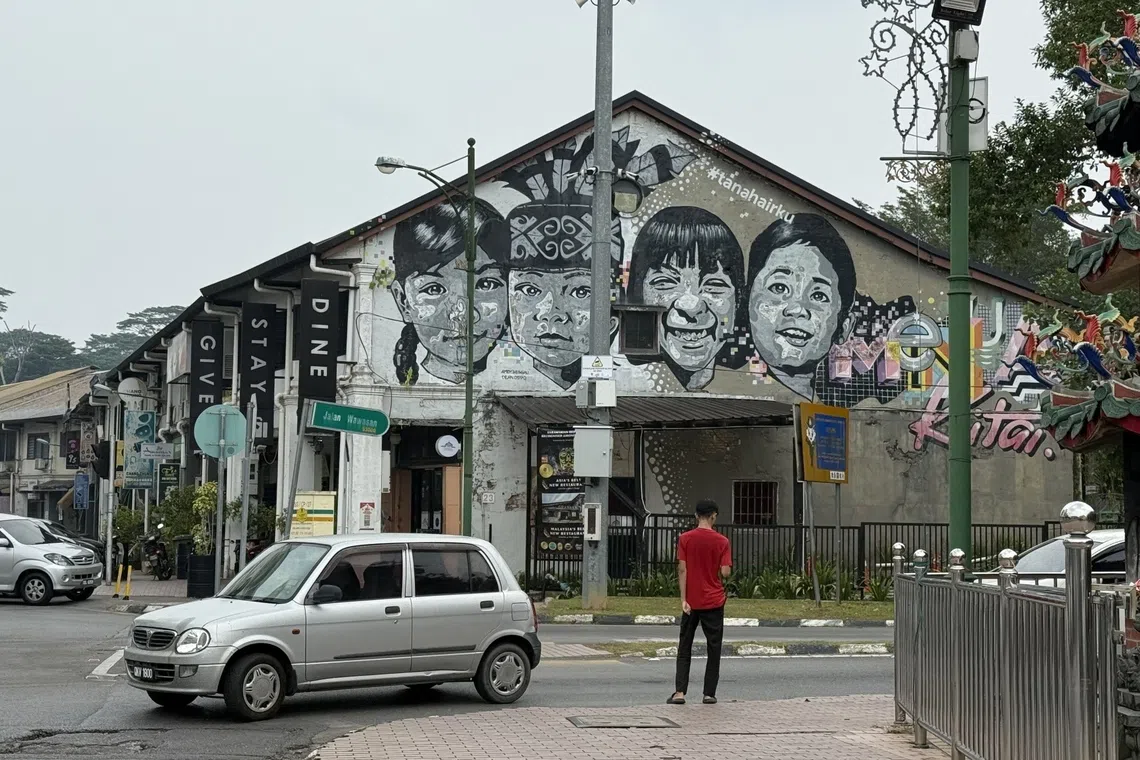
Sarawak’s multicultural make-up is on full display in the street art decorating Kuching’s well-maintained old buildings.
ST PHOTO: MUZLIZA MUSTAFA
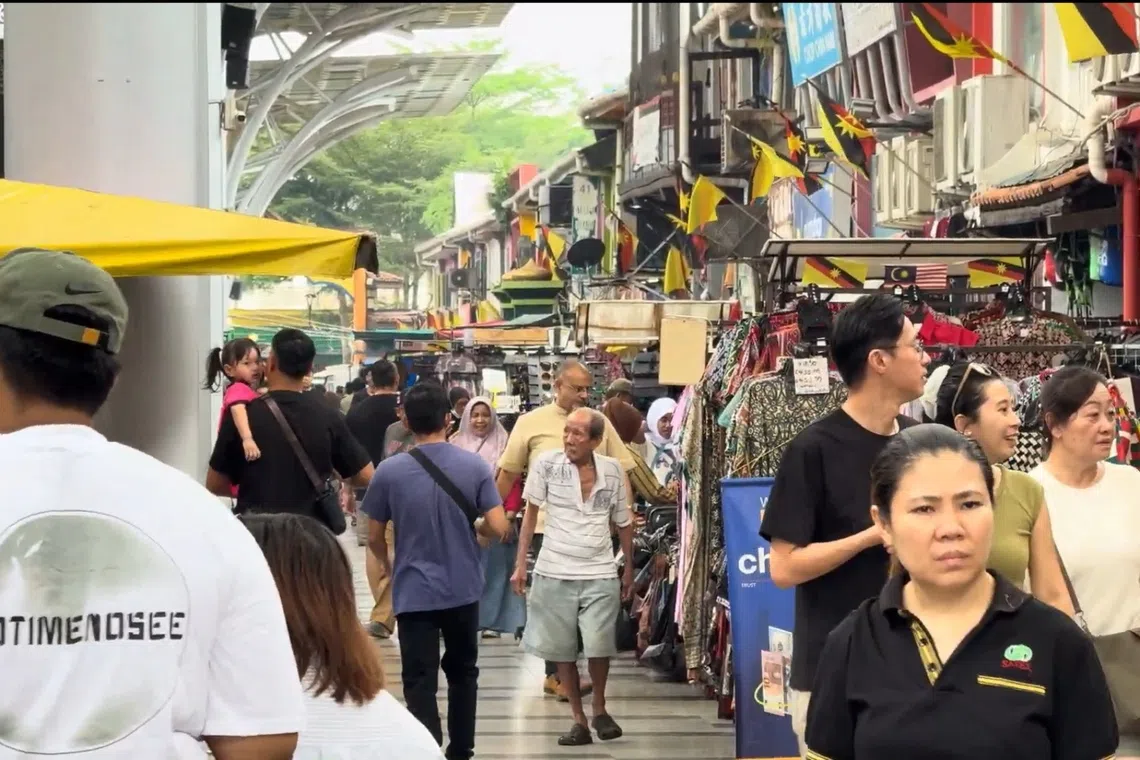
Kuching’s India Street, a tourist hub, is always draped with Sarawak’s flags, while merchants sell souvenirs depicting the state and its culture.
ST PHOTO: HADI AZMI
While Malaysia commemorates Aug 31, 1957 as its national Independence Day, the date marks the independence of the Federation of Malaya, in what is today Peninsular Malaysia.
Malaysia itself came into being six years later, when Malaya joined Singapore, Sarawak and Sabah to form the new federation on Sept 16, 1963. Singapore left less than two years later, in 1965.
But almost from the outset, the nature of that union has been contested.
“This has been long debated, as to what being ‘federated with Malaya’ meant,” said Borneo expert Arnold Puyok, an associate senior fellow at the ISEAS – Yusof Ishak Institute.
“Until today it has not been resolved.”
Unfulfilled promises fuel grassroots movement
Sarawak leaders point to the 1963 Malaysia Agreement (MA63) itself as evidence for their interpretation of the federation. The agreement that established Malaysia was signed by the United Kingdom, the Federation of Malaya, North Borneo, Sarawak and Singapore – with Malaya represented as a single federation rather than by its 11 constituent states.
To proponents of the equal-partner interpretation, that distinction is fundamental: Sarawak joined with Malaya to form Malaysia rather than simply being absorbed as another state within an enlarged Malayan federation.
Over time, MA63 became shorthand for a broader grievance that safeguards agreed at Malaysia’s formation had been diluted or left unfulfilled, from control over natural resources – especially petroleum – and federal revenues to representation, public services and greater administrative autonomy.
This historical and cultural friction has manifested in raw, on-the-ground resentment.
At the 150-year-old Sarawak Club in Kuching, founded by the same White Rajah of the regatta, local historian and activist Lina Soo flips through the 124 pages of a book she wrote on the state’s history.
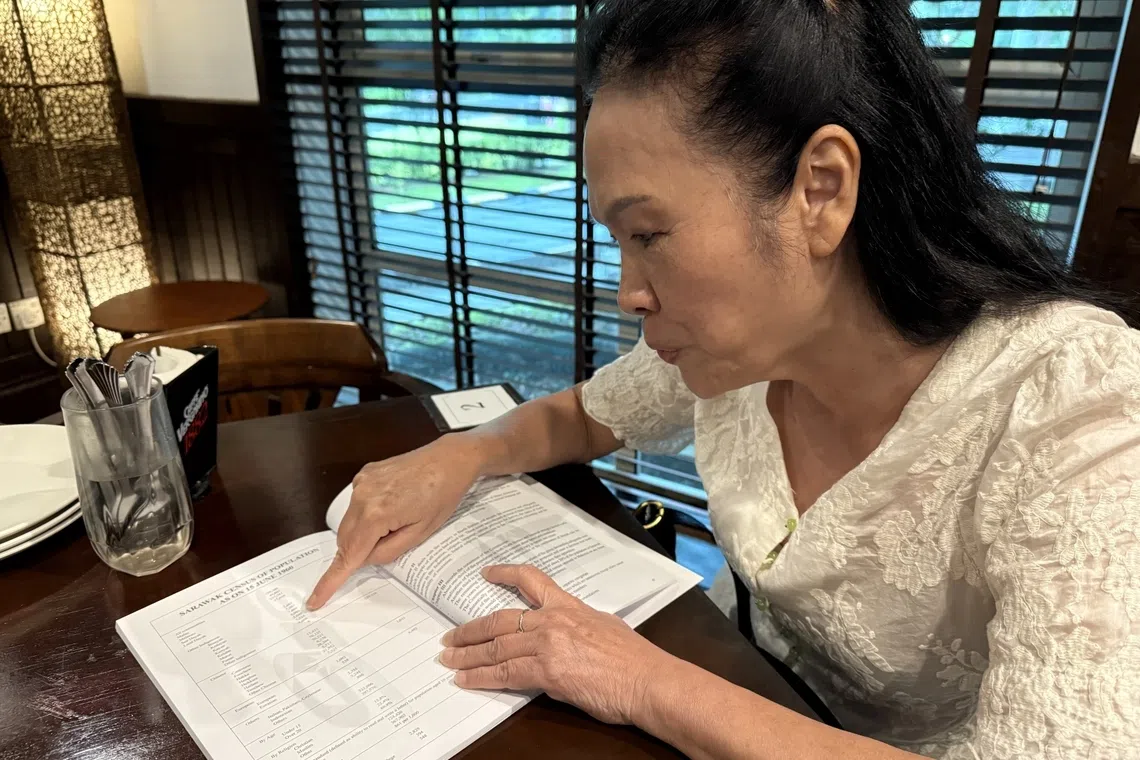
At 68, self-described nationalist Lina Soo still holds on to a vision of an independent Sarawak.
ST PHOTO: MUZLIZA MUSTAFA
Printed in Sarawak’s traditional colours of black, red and yellow, its cover bears the title How A Kingdom Was Betrayed In An Intrigue Of Trickery, Coercion And Subterfuge, with a subheading declaring Sept 16, the day Malaysia was formed, as “Occupation Day”.
“What was lost when Malaysia was formed is Sarawak’s sovereignty,” Soo told ST.
Soo is part of the Sarawak for Sarawakians movement, or S4S, a loose coalition whose supporters have pushed for greater autonomy and, in some cases, outright independence from Malaysia.
“Legally, constitutionally, we should be independent. The process of decolonisation is not complete,” she stressed.
Singapore’s departure from the federation – without consulting Sabah and Sarawak – has been argued by proponents of secession as nullifying the agreement, effectively dissolving the union. They have also argued that there is no reason why Sarawak couldn’t succeed independently.
Echoes of that sentiment are visible across the state. Cars can be seen displaying “Sarawak for Sarawakians” stickers alongside the old Brooke-era flag, which has been adopted by parts of the movement as a symbol.
A 2016 study by pollster Merdeka Center found that almost half of respondents in Sarawak supported S4S. In addition, more than half felt the state was being treated unfairly by the federal government.
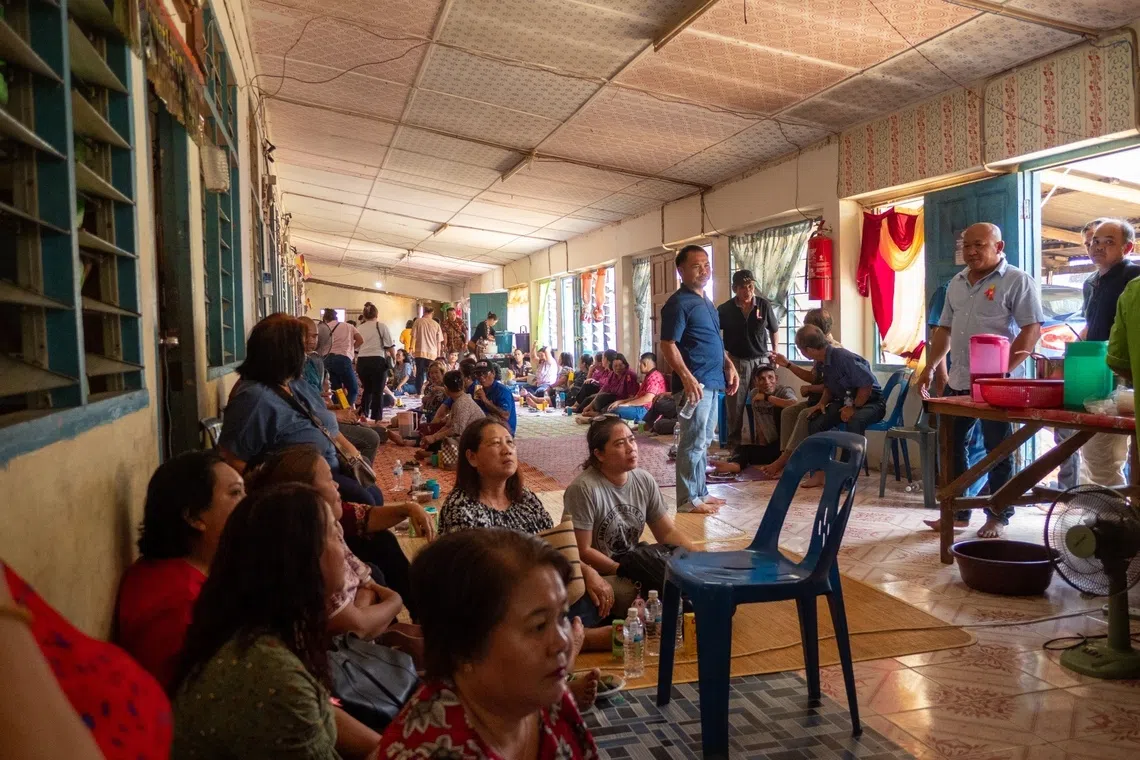
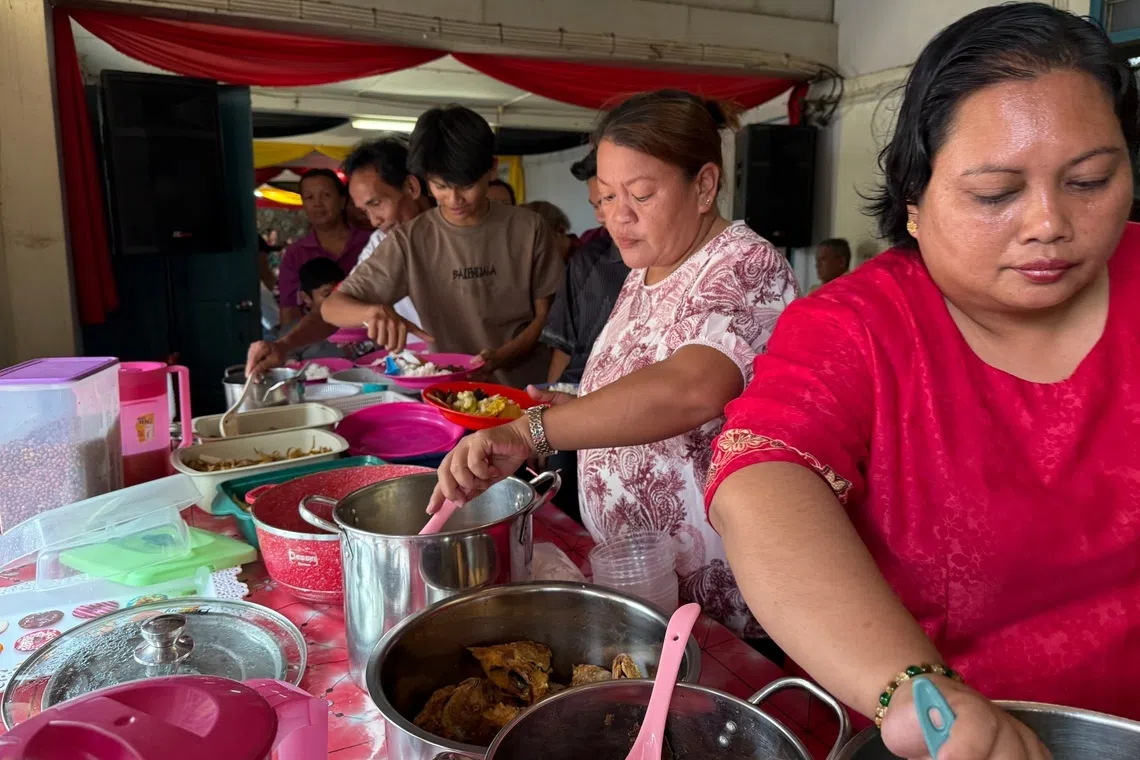
Iban longhouses, like this one in Lubok Antu, also serve as a communal point for briefings by state government officials.
ST PHOTO: HADI AZMI
At a longhouse in Lubok Antu, a rural district near the Indonesian border, Helen Manggi, 39, recalled her experience working in Peninsular Malaysia and feeling that Sarawakians were treated as second-class citizens.
“The way we speak is different, and the way of life is different,” Helen said, adding that some people in the peninsula still perceive Sarawak as primitive or backward.
Asked whether Sarawak should become independent, Helen did not hesitate: “Why not?”
We have what it takes to be a nation. If the government one day said we are going to be independent, I am okay with it.
Helen Manggi, 39 (in red shirt)
Anger turned into mainstream policy
Sarawak’s political reawakening ultimately belonged not to the separatists, but to its fifth chief minister, Adenan Satem.
Taking office in 2014, Adenan turned much of the simmering Sarawakian nationalism that activists had cultivated into mainstream government policy.
Such open confrontation was highly unusual. For decades, state leaders had avoided challenging Putrajaya, haunted by the 1966 federally engineered ouster of Sarawak’s first chief minister, Stephen Kalong Ningkan, which cemented deep fears of peninsula interference.
Blunt, combative and unusually willing to challenge Putrajaya publicly, Adenan struck a chord with Sarawakians by demanding greater autonomy while insisting the state did not need to leave Malaysia to recover what he believed had been lost.
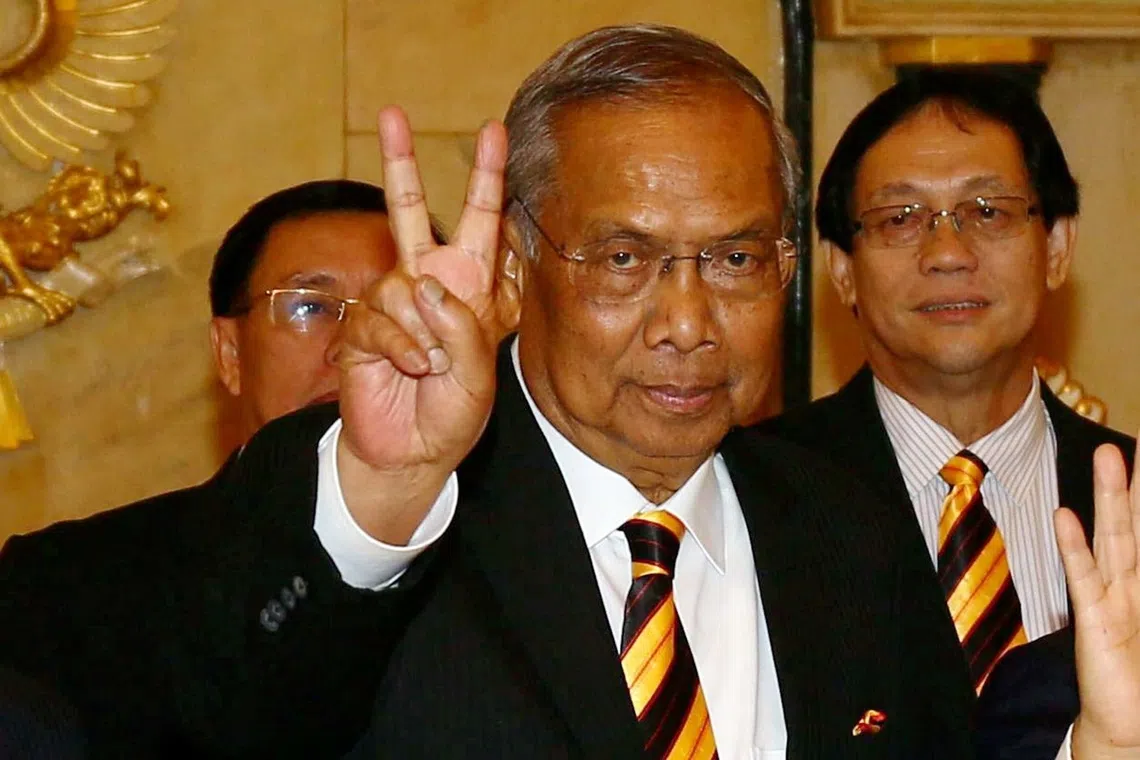
Sarawak’s fifth chief minister Adenan Satem in February 2016:
“If I don’t fight for Sarawak, who will? … Otherwise don’t call me chief minister, call me stupid chief minister.”
Seen as a fresh start for Sarawak after his predecessor’s 32-year tenure, one of Adenan’s most potent moves was to embrace July 22, a date long championed by the Sarawak for Sarawakians movement.
The date marked the transfer of administration from the colonial British authorities to a locally led Sarawak government in 1963, less than two months before Malaysia was formed. In 2016, he made it a state public holiday, transforming what had largely been an activist rallying point into an official celebration of Sarawak’s distinct political history.
Yet Adenan drew a firm line at secession.
“Our position is clear, that is, there will be no secession from the Federation of Malaysia now and in the future,” he said at the inaugural Sarawak Day celebration that year.
“If you are advocating for secession, our answer will be no. Our place will always be in Malaysia.”
Demands once associated with activists – greater autonomy, recognition of July 22 and the restoration of rights under MA63 – were no longer challenges from the political fringe, but the official position of the government itself.
His untimely death on Jan 11, 2017, just two months shy of three years in office, cut short that mission. But it also cemented his legacy as the man who reawakened Sarawak’s political consciousness.
“Every Sarawakian admires Tok Nan,” said Sydney Atin, 33, host of the popular Sarawak podcast Tuak Talk, using Adenan’s local nickname.

We all wonder what Sarawak could be if he were still alive.
Sydney Atin, host of podcast Tuak Talk, on late chief minister Adenan Satem
State-building agenda accelerates
That reawakened consciousness has only grown stronger. Speaking to ST at a popular foodcourt in Batu Kawa in west Kuching, Sydney recalled how he felt when he first learnt about MA63 and the rights Sarawak had been demanding back.
“All this while I thought that Sarawak was just another state,” he said. “I was angry, but I was not surprised.”
Like Yusri, Sydney said pride in being Sarawakian has grown, particularly since 2018, when the fall of Najib Razak’s government transformed the state’s political landscape.
Sarawak’s four Barisan Nasional component parties quit the coalition and regrouped as Gabungan Parti Sarawak (GPS), an explicitly Sarawak-focused alliance that placed state interests at the centre of its political identity.
“Personally I do feel special, and I do sense jealousy towards Sarawak,” Sydney said.
“But at least they now respect Sarawak, despite doing so begrudgingly.”
GPS built on the foundation laid by Adenan and pushed harder against Putrajaya.
His successor, Abang Johari, imposed a 5 per cent sales tax on petroleum products, triggering a confrontation with national oil company Petronas, which initially challenged the state’s authority to levy it.
Sarawak sued. The dispute was eventually settled out of court, with both sides withdrawing their respective legal actions. Petronas agreed to pay billions of ringgit in state sales tax, demonstrating how Kuching could use powers already available under the Federal Constitution to secure a larger share of its petroleum wealth.
Sarawak also established Petroleum Sarawak, or Petros, giving the state its own vehicle to expand its role in the exploration, distribution and commercialisation of its oil and gas resources.
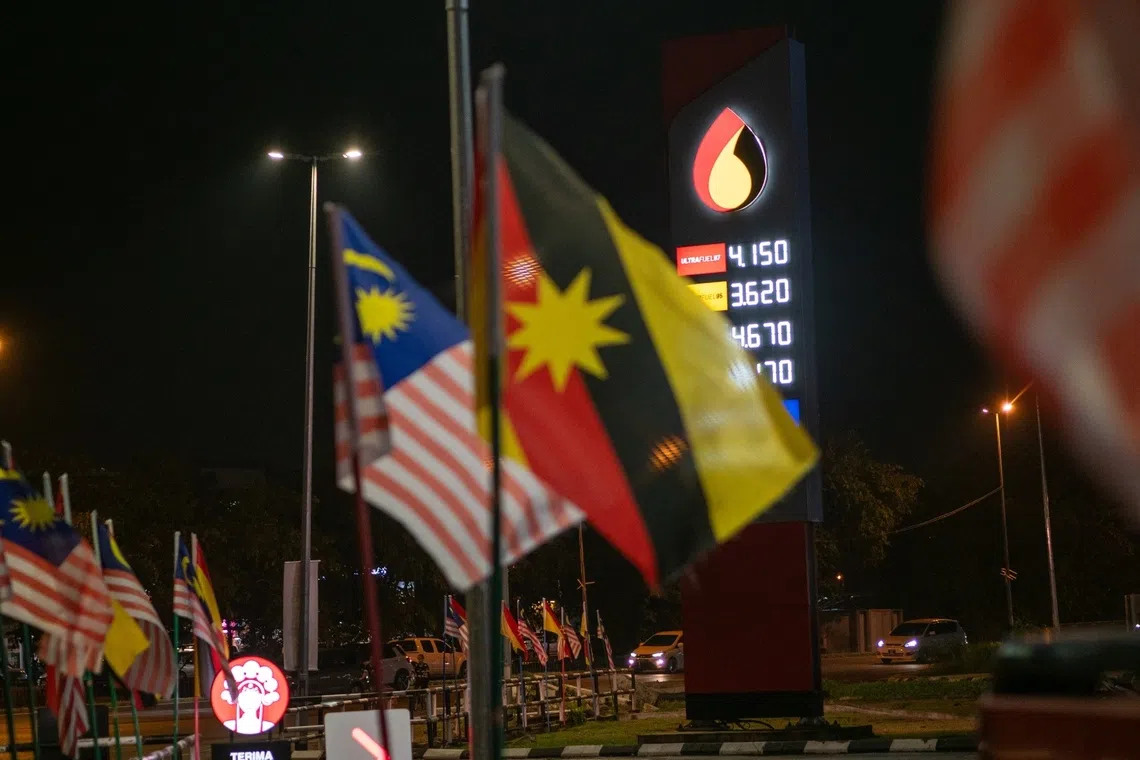
Sarawak now has over 11 Petros stations across the state, referred to as “multifuel stations”, equipped with electric vehicle chargers as well as hydrogen refuelling.
ST PHOTO: HADI AZMI

The Batu Kawa facility, one of the two flagship locations, sits across the road from a Petronas petrol station.
ST PHOTO: HADI AZMI
In 2022, Abang Johari further distinguished Sarawak from Malaysia’s other states by changing the title of its head of government from chief minister to premier, reinforcing the argument that Sarawak occupies a different position within the federation.
The symbolism extended to the seat of government.
The premier’s office moved from the 50-year-old Wisma Bapa Malaysia in north Kuching to the newly built Satria Pertiwi complex nearby. Its imposing neoclassical architecture has earned it the nickname “Sarawak’s White House”.
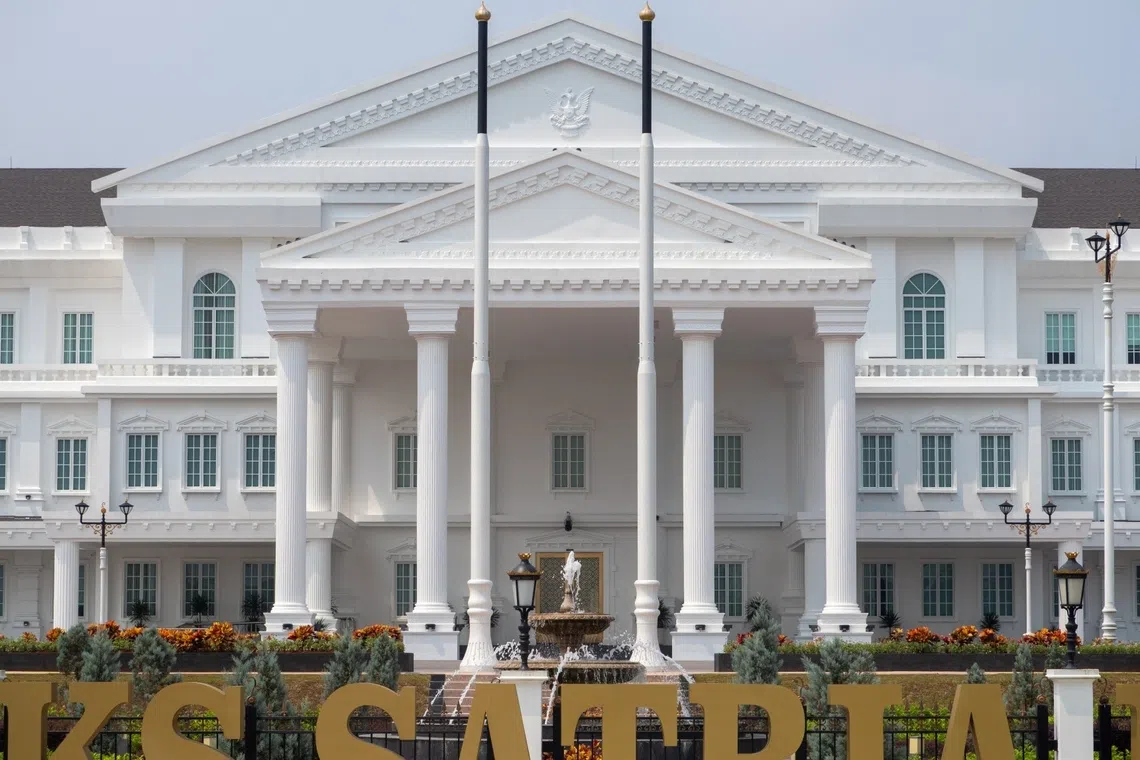
The so-called “White House” in Petra Jaya, Kuching replaced the nearby old office tower of Wisma Bapa Malaysia.
ST PHOTO: HADI AZMI
His government has since pursued its own airline, a new international airport, free university education and investments in hydrogen and renewable energy as part of a broader state-building agenda.
Sarawak’s growing assertiveness has coincided with similar demands elsewhere, including Johor’s call for a larger share of locally generated tax revenue and Kedah’s push for higher federal payments linked to Penang.
Prime Minister Anwar Ibrahim has pushed back against the idea that states should simply receive a fixed share of the taxes they generate, arguing that federal revenues are redistributed according to development needs across the country.
The issue “can be negotiated and resolved in an amicable way”, Anwar conceded in February. “What is important is that the benefits reach the people without leakages,” he said.
But it is Abang Johari’s reputation that has drawn some of the most striking comparisons. Social media users from other states have joked about wanting to “borrow” him as their leader, while others have suggested he should become Malaysia’s next prime minister.
Responding to such speculation in 2024, Abang Johari flatly dismissed the idea.
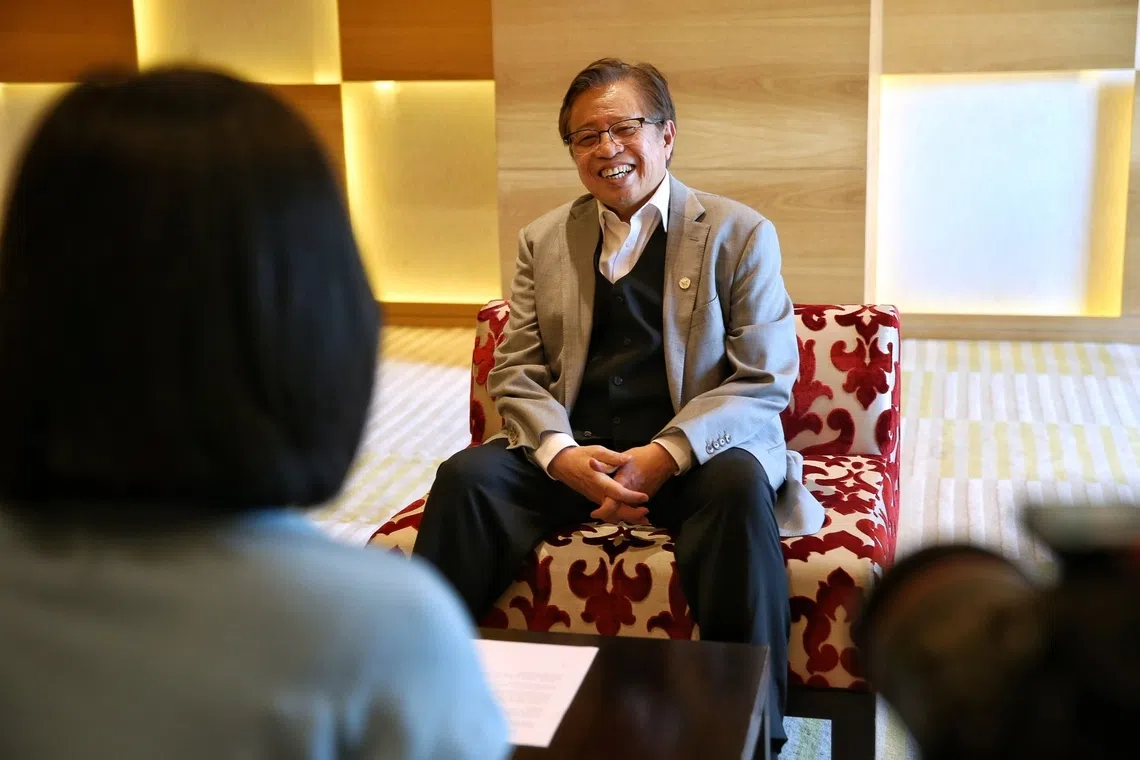
Sarawak Premier Abang Johari invoking a Malay idiom in 2024 to dismiss speculation that he should become Malaysia’s next prime minister:
“I measure my clothes on my own body. If this is my size, then this is my size.”
He added that GPS commanded only 23 seats, just over a tenth of Malaysia’s 222-seat Parliament.
“I am not stupid,” he said.
How will Sarawak use its newfound power?
For all its assertiveness, the Sarawak government has repeatedly insisted that its future remains within Malaysia.
Yet the idea of going it alone has never entirely disappeared.
On TikTok and other social media platforms, accounts advocating independence continue to circulate AI-generated visions of what a sovereign Sarawak might look like – from gleaming futuristic cities to imagined banknotes for a new “Sarawak dollar”.
They offer a picture of a prosperous state freed from the constraints of Peninsula-based racial politics, an increasingly sophisticated version of the same question that has hovered over Sarawak’s autonomy debate for years: If the state can reclaim more of its powers, resources and institutions, how much further should it go?
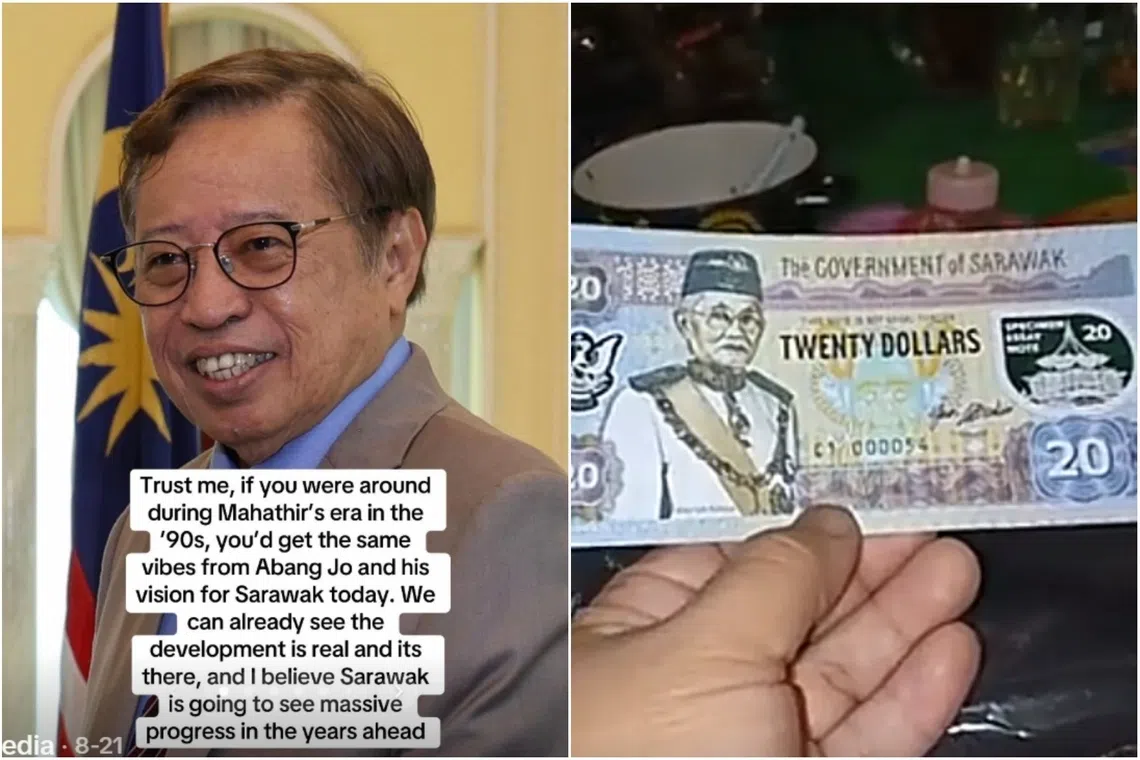
On TikTok, some users are lauding Abang Johari’s leadership and even imagining a distinct Sarawak dollar.
PHOTO: SCREENGRAB FROM INOMEDIA/TIMUN NAIK HARGA/TIKTOK
However, away from online fantasies, those who believe Sarawak’s future remains within Malaysia are making their voices heard.
On a hazy August evening along the banks of the Sarawak River in Kuching, poets from across the state and Peninsular Malaysia recently gathered to express their attachment to the country through poetry, dance and song.
Among them was 58-year-old Roselind Muntai Anak Belun, a celebrated Iban poet.
Standing before the crowd, she launched into a pantun puji – a poem of praise – in the Iban language celebrating the Malaysian union:
Ah, slowly, slowly.
There is nothing that cannot be made beautiful.
The fruit of the sawa lunang and the areca palm,
its seed, my friend, was brought from the lands downstream,
from Tanah Melayu.
We planted it together, in the rain and in the earth,
placing it here between our lands.
And how pleasing it is to see it grow, my friend,
flourishing here in Sarawak.
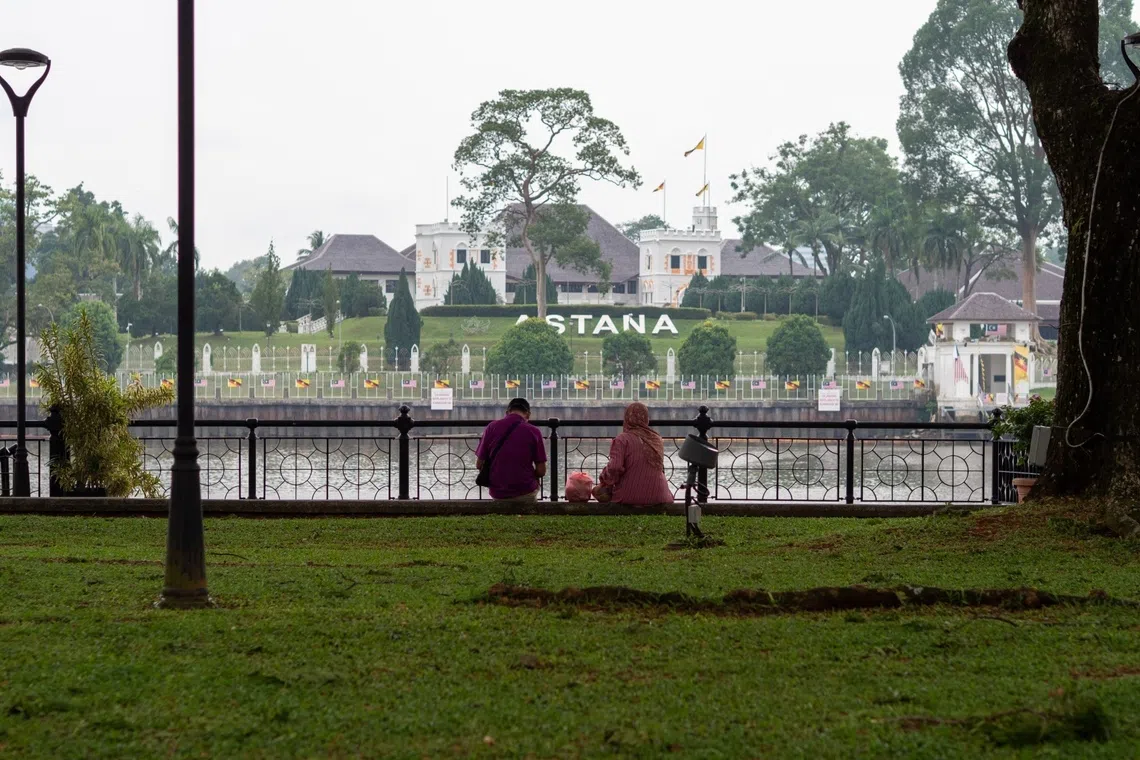
A couple rests in front of the Astana, previously the palace of the White Rajahs and now the official residence of the Sarawak Governor.
ST PHOTO: HADI AZMI
For a state that has spent more than a decade asking what it means to be Sarawakian within Malaysia, the answer remains contested.
But whether expressed through demands for greater autonomy, imagined currencies on TikTok or an Iban poem beside the Sarawak River, the debate is no longer about whether Sarawak is different.
With state and general elections approaching, Sarawak holds its strongest political position since 1963. That influence could grow further as Putrajaya agrees to increase East Malaysia’s share of parliamentary seats, shifting the federal balance of power.
To supporters, this restores the spirit of the founding MA63 and is a safeguard. To critics, it is another concession to an increasingly powerful Sarawak.
How Sarawak uses that growing strength is worth paying attention to.
Additional credits: The Star/Asia News Network
Produced by: Zurairi A.R., Lee Xiuhui, Winnie Tan, Lee Pei Jie, Philip Cheong