By The Rio Times | Created at 2026-08-12 21:11:41 | Updated at 2026-08-12 23:46:16
2 hours ago
By The Rio Times | Created at 2026-08-12 21:11:41 | Updated at 2026-08-12 23:46:16
2 hours ago
Mexico · Culture
Key Facts
- —The closure Gabriel García Márquez’s house in Mexico City has closed to the public for lack of funds.
- —The home He lived there for 39 years, until his death in 2014.
- —The opening It had been open to visitors since 2021.
- —The reason Maintenance costs could not be covered.
- —The ticket Entry had cost 400 pesos, about US$23, which still did not cover upkeep.
The house where the Nobel laureate lived and wrote for decades has shut its doors to the public. Unable to cover its own upkeep.
One-stop reference
Company Intelligence
Every listed company in Latin America — financials, ownership and structure for 1,450+ companies across 26 exchanges, in one place.
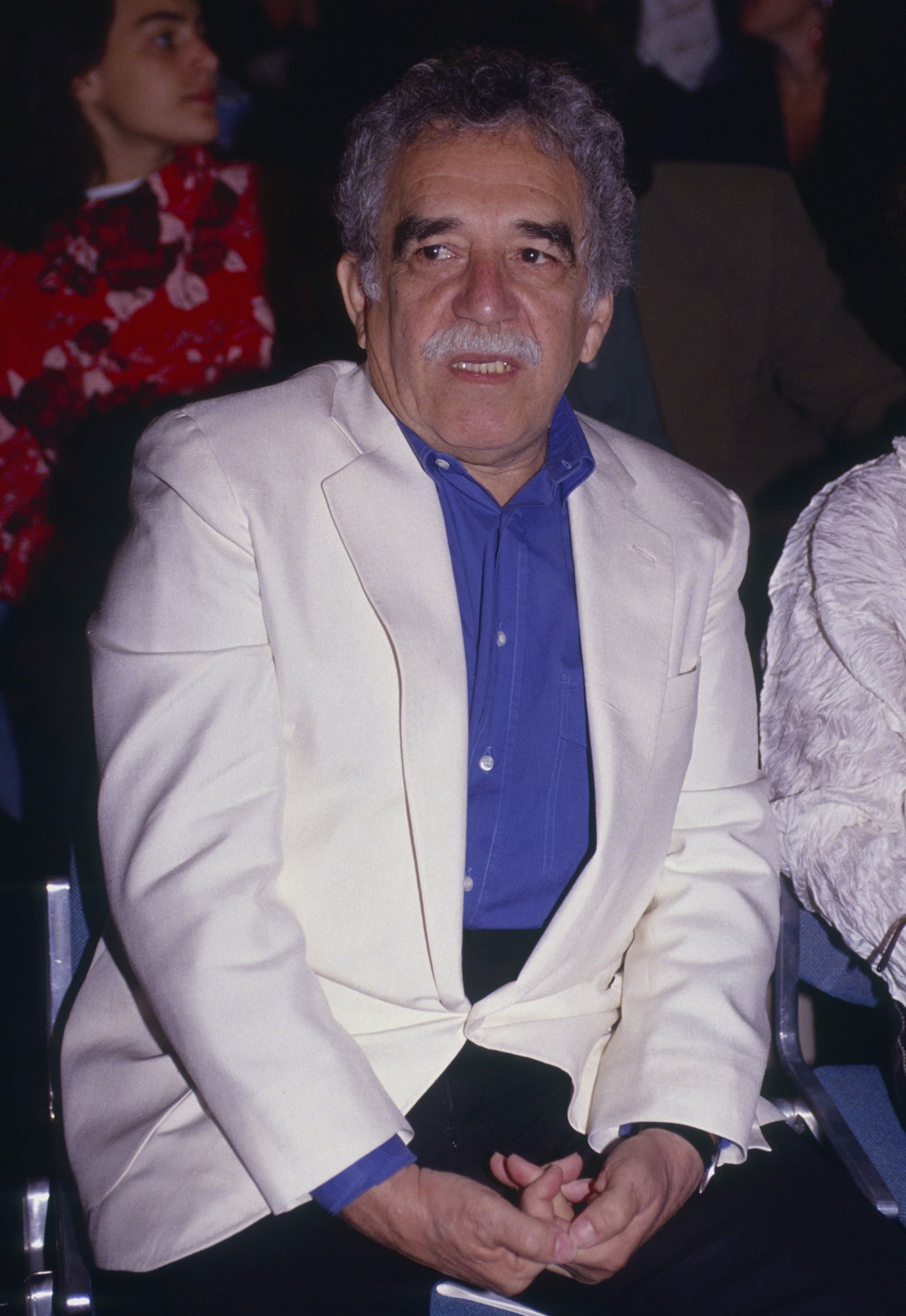
The house where Gabriel García Márquez lived, wrote and dreamed for nearly four decades has fallen quiet. The Mexico City home of the Nobel-winning author has closed its doors to the public.
Undone not by scandal or neglect but by something stubbornly mundane: it could no longer pay for its own upkeep.
A literary landmark goes dark
For readers who make quiet pilgrimages to the homes of favourite writers, this was always a special address. It was where García Márquez, the towering figure of Latin American letters, lived for 39 years until his death in 2014.
Now, according to reporting, it has closed to visitors for the simplest of reasons: the money to maintain it ran out.
From private home to public shrine
The house opened its doors to the public in 2021, inviting ordinary readers into the private world of a literary legend. Wandering the rooms of a beloved author is one of the few ways to feel physically closer to the books that shaped you.
For devotees of ‘One Hundred Years of Solitude’, the place offered a tangible link to the man behind the myth.
The unglamorous problem of upkeep
The cause of the closure is painfully ordinary, and all the more relatable for it. Old houses are expensive to keep standing.
Reporting says maintenance costs simply could not be covered by the operation running the site. Even a shrine to literary genius is, in the end.
A building that needs a sound roof, working systems and a real budget.
When a ticket is not enough
The house charged an entry fee of 400 pesos, roughly US$23, which is hardly a trivial or token sum. Yet even at that price, ticket sales were not enough to keep the doors open on a sustainable footing.
It is a pointed reminder of how thin the finances of many cultural sites really are behind the scenes.
A wider strain on culture
The story echoes a much broader struggle facing museums and heritage homes all over the world. Cultural institutions frequently run on tight budgets, leaning on grants, private donors or steady support from the state.
When any one of those props weakens, even famous and well-loved sites can suddenly find themselves shuttered.
Why García Márquez still matters
García Márquez did not merely write bestsellers; he changed the way the entire world reads Latin America. His magical realism transformed the region’s history, politics and folklore into something universal and enduring.
Against that backdrop, a closed house feels like a small dishonour to an author of such outsized legacy.
A shared regional heritage
Though the house sits in Mexico City, García Márquez was Colombian, and his legacy belongs to the whole region. His work remains a genuine point of pride across Latin America and far beyond its borders.
That sense of shared ownership is exactly why the closure resonates well past Mexico’s own frontiers.
Where the money usually comes from
Writers’ houses rarely pay for themselves on ticket sales alone, wherever in the world they happen to sit. Most rely on some blend of public funding, foundation grants and the loyalty of a few committed patrons.
When that mix is absent or too thin, the gap between visitor income and running costs quickly becomes fatal.
The question of rescue
A closure of this kind is not always permanent, and history offers a few hopeful precedents. Governments, foundations or private patrons could still step in to preserve and eventually reopen the site.
Whether anyone actually does may depend on how loudly readers and institutions choose to object.
What to watch next
The immediate question is whether the closure prompts a public offer of support from any quarter. Watch for any move by Mexican or Colombian cultural authorities, or by donors, to secure the house’s future.
For now, one of literature’s warmest addresses stands empty and silent, simply waiting.
Frequently Asked Questions
What happened to the house?
Gabriel García Márquez’s home in Mexico City has closed to the public because it could not cover its maintenance costs.
How long did he live there?
For 39 years, until his death in 2014. The house opened to the public in 2021.
Why did it close?
According to reporting, upkeep costs could not be covered, even with an entry fee of 400 pesos, about US$23.
Why does it matter?
García Márquez reshaped world literature with his magical realism. His home was a cherished link to his life and work.
Could it reopen?
Possibly. Public attention or support from governments, foundations or private patrons could help secure its future.
Sources: Clarín; Mexican and Colombian press.