 By GB News (World News) | Created at 2026-08-10 14:00:41 | Updated at 2026-08-10 14:40:25
43 minutes ago
By GB News (World News) | Created at 2026-08-10 14:00:41 | Updated at 2026-08-10 14:40:25
43 minutes ago
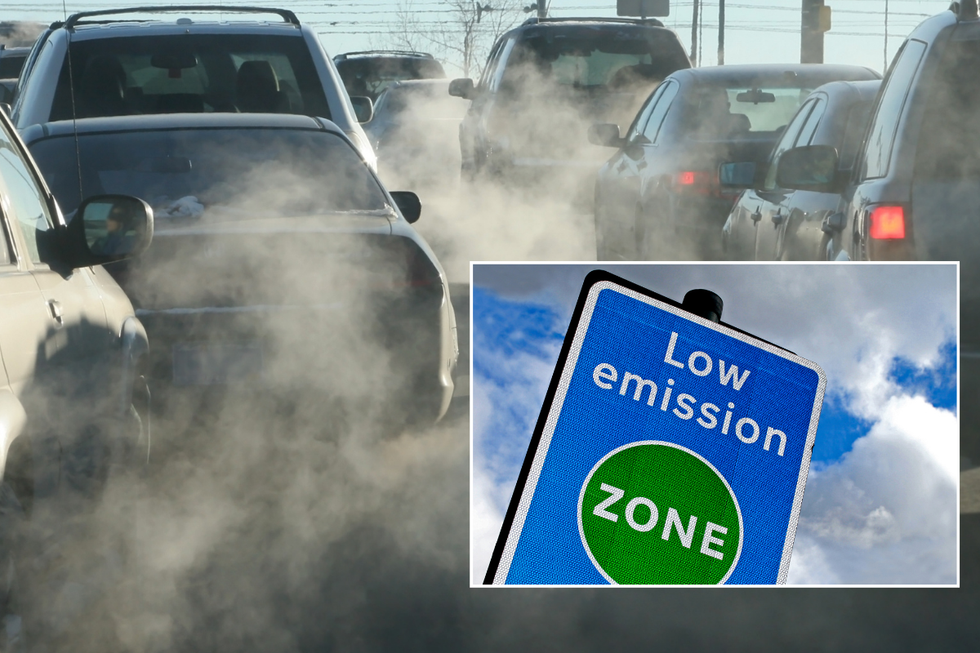
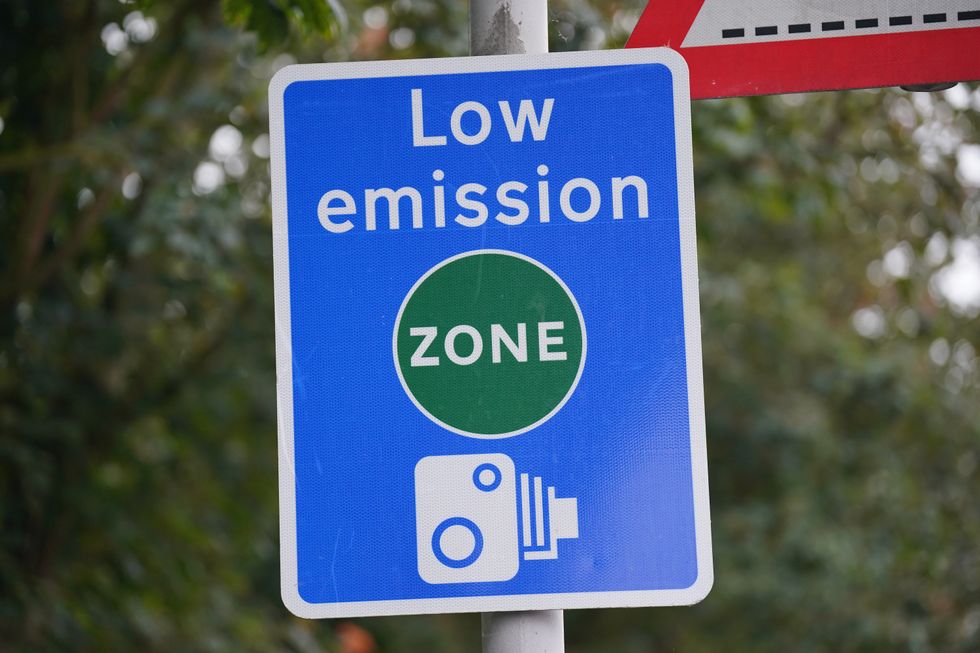
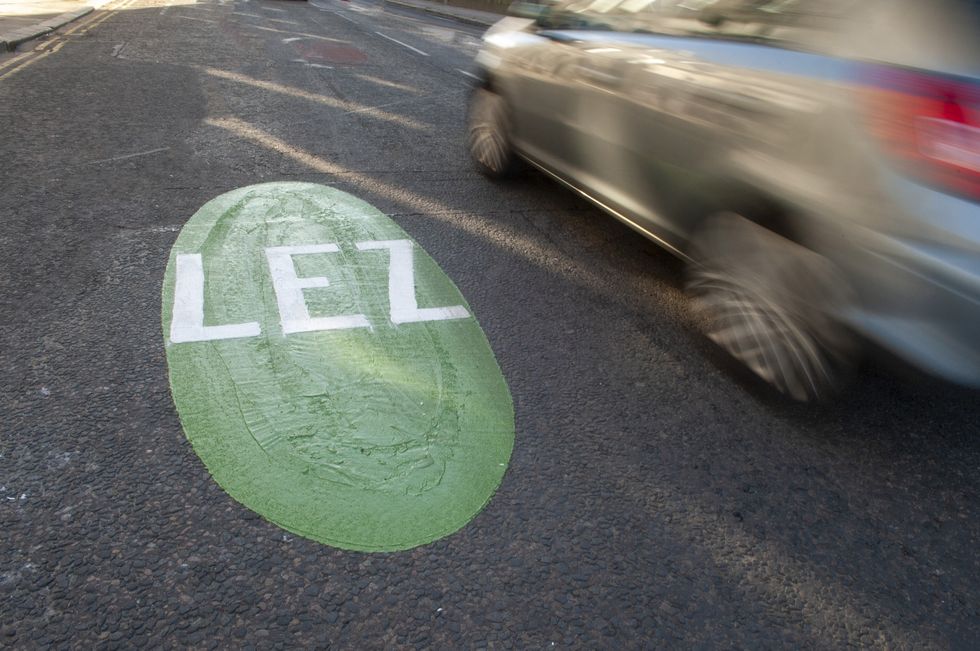
A UK Low Emission Zone has been found to cost more to operate than it brings in fines for the first time since enforcement began three years ago.
Glasgow City Council revealed that the scheme generated just £513,873 in penalty charge revenue during the 2025/26 financial year, while operational expenditure reached £781,765, leaving a net shortfall of £267,892.
The zone, which spans roughly one square mile of the city centre, was designed to cut harmful nitrogen dioxide levels produced by petrol and diesel cars.
In the previous financial year, the LEZ had still been turning a net surplus of £143,000 and marks a significant shift for a scheme that collected nearly £1million in its first year of operation.
Fine income has fallen sharply and steadily since the LEZ began issuing penalties, while the cost of running the zone has moved in the opposite direction.
In its inaugural year of enforcement, 2023/24, the scheme brought in £982,415, which dropped to £513,873 in 2025/26.
Operating expenditure climbed from £614,000 in 2024/25 to £781,765 in the most recent financial year, with employee costs rising from £227,000 to £370,000 and supplies and services increasing from £370,000 to £411,000.
The council's report states: "Revenue has fallen in line with the reduction in PCNs [fines] issued as the scheme has matured."
It attributed the decline to greater compliance with emission standards among the wider vehicle fleet and increased awareness of the zone among drivers of non-compliant vehicles.
A total of 24,343 Penalty Charge Notices were handed out between April 2025 and March 2026, a notable decrease from the 31,206 issued during 2024/25.
Cars accounted for 78 per cent of all fines, with light goods vehicles making up 21 per cent.
The initial fine issued to drivers is £60 but can be halved to £30 if paid within two weeks, although repeat offenders face escalating charges, with the penalty doubling with each subsequent breach by the same vehicle within a 90-day window, reaching a ceiling of £480 for cars and light goods vehicles and £960 for heavier vehicles.
Of the 3,078 appeals lodged against fines during the year, the vast majority were upheld in the driver's favour, with 82 per cent resulting in the penalty being cancelled.
The LEZ in Glasgow became active on June 1, 2023
The most common grounds for successful appeals were that the recipient held a Blue Badge, that evidence showed the vehicle actually met emission standards, that the vehicle fell into an exempt category, or that the registration plate had been recorded incorrectly.
Some fines were also scrapped because diversions had routed traffic through the zone.
Since the LEZ's development began in 2018/19, the council has spent nearly £4million on the scheme by the end of March 2026.
Scottish Government grants covered £2.2million of that sum through a combination of revenue and capital funding, but no grant money has been received for the past two financial years.
When the scheme was generating healthy surpluses in its early years, the council directed the excess towards community and environmental initiatives.
A total of £732,000 was made available through the LEZ Community Support Fund, financing 22 projects across the city ranging from cycling programmes and wildflower meadow creation to solar panel installation at a community centre.
The council also allocated £250,000 of earlier LEZ revenues to city greening and tree planting.