By Engadget | Created at 2026-08-12 14:40:26 | Updated at 2026-08-12 16:16:45
2 hours ago
By Engadget | Created at 2026-08-12 14:40:26 | Updated at 2026-08-12 16:16:45
2 hours ago
For 2026, the Pixel 11 Pro has two new camera sensors along with a modern twist on classic indicator lights.
Sam Rutherford for Engadget
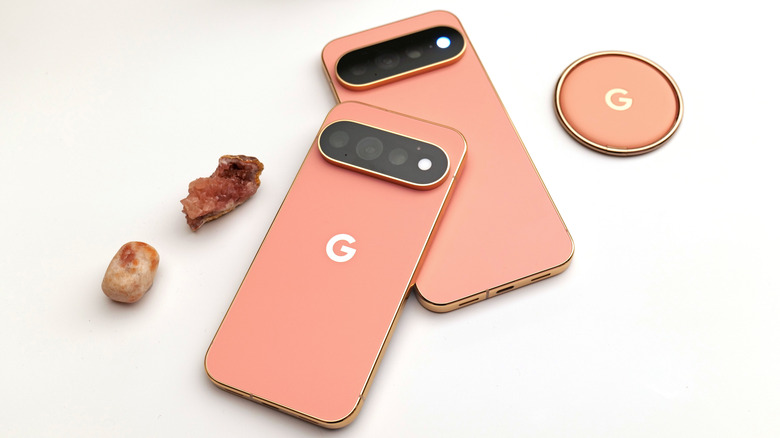
The basic template for a premium smartphone hasn't changed much in the past few generations. You get a big screen with thin bezels in front, a slick metal chassis around the outside and a chunky camera module in back, with hardened glass holding everything together. Google hasn't made a major departure from that formula with the Pixel 11 Pro and Pro XL, but it has come up with some new hardware and a twist on an old-school feature that delivers extra fun around back while keeping things nice and tidy in front.
Design and displays
Sam Rutherford for Engadget
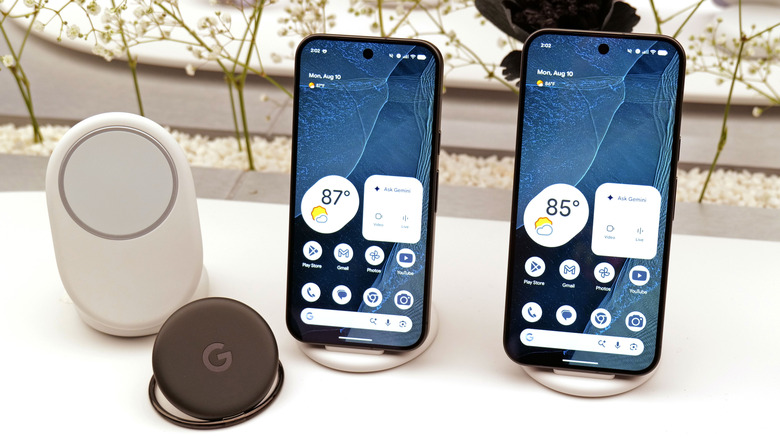
Starting at $1,099 for the Pixel 11 Pro or $1,299 for the Pixel 11 Pro XL, the size of Google's flagship handsets is largely unchanged. The smaller model features a 6.3-inch OLED screen while the XL gets a 6.8-inch panel, with both capable of hitting a peak brightness of up to 3,600 nits (up from 3,300 nits on the previous model).
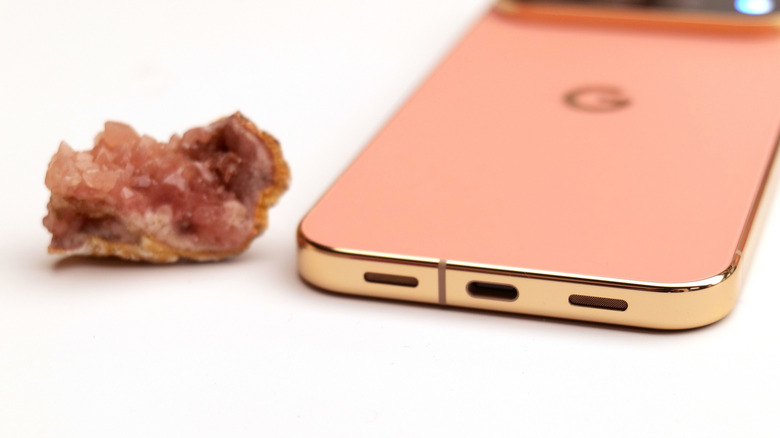
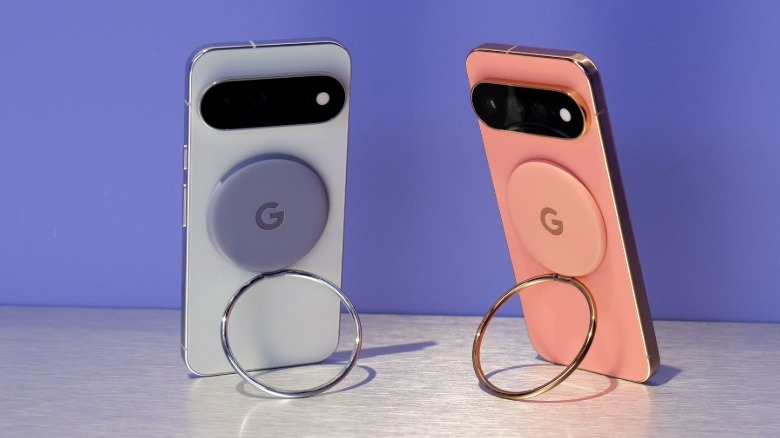
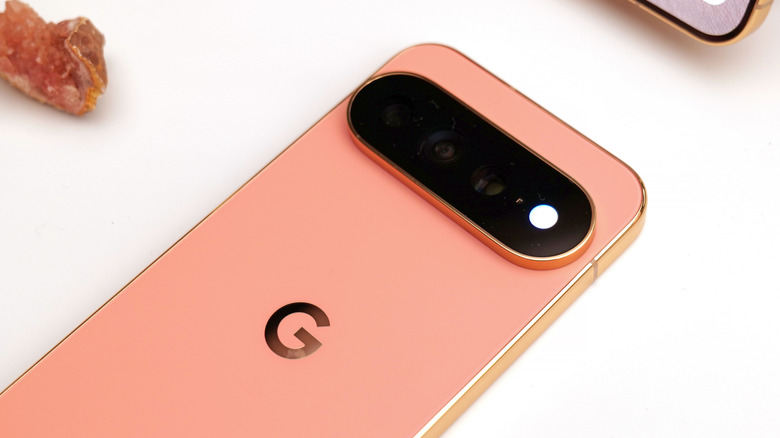
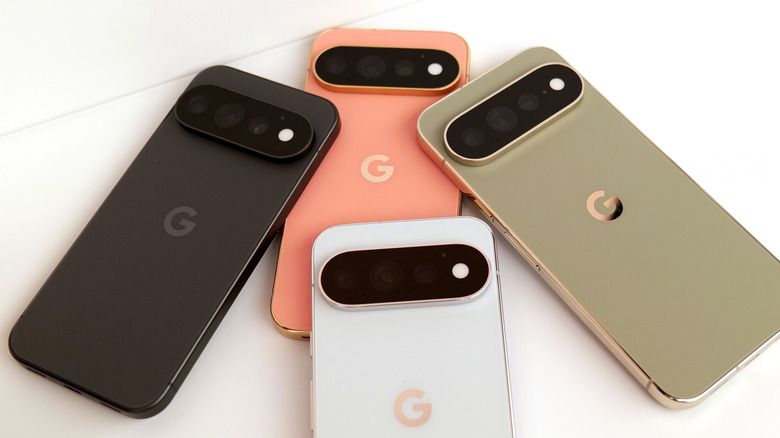
As usual, there's a new lineup of colors including canyon, fog, olive and obsidian, with canyon being my favorite as the polished gold frame on that version offers a nice contrast to Google's salmon-colored Gorilla Glass Victus 2 back. But to be honest, there aren't a ton of differences, at least on the outside, when compared to the Pixel 10 Pro, so no one should feel bad for saying these new ones look exceedingly familiar.
Specs and charging speed
Sam Rutherford for Engadget
On the inside, Google is moving up to a Tensor G6 processor which includes a new ISP (image signal processor) that the company claims improves stuff like Night Sight photography by up to 4.5x. It also delivers 20 percent better power efficiency, 25 percent faster web browsing and up to 15 percent speedier app loading. That said, perhaps the Pixel 11 Pro's biggest spec upgrade is the move from 128GB to 256GB of base storage, so you have double the room for photos, games and everything else. RAM is staying the same with either 12GB or 16GB depending on whether you feel like paying to upgrade to a model with 512GB or 1TB of storage.
Meanwhile, Google also included a new Titan M3 security chip which is said to offer even stronger multi-layered protection for all sorts of potential attacks, including post-quantum cryptography. Unfortunately, while the phone felt snappy during my demo, this kind of increase in speed and safety is hard to appreciate during a time-limited introduction.
 Sam Rutherford for Engadget
On the flipside, the Pixel 11 Pro's boost to both wired and wireless charging is something everyone can appreciate. Thanks to support for Qi 2.2, the new Pro models can suck down up to 25 watts of juice without needing a wire. And if that's not enough, charging speeds have jumped up from 30 to 45 watts for 2026. That's assuming you have a compatible power adapter and cable handy, but it's a very welcome improvement nonetheless.
Cameras
Sam Rutherford for Engadget
Here's where things get interesting. Alongside the existing 48-megapixel sensor for its ultra-wide camera, the Pixel 11 Pro comes with a new 50-megapixel main sensor and a fresh 48MP sensor for its 5x zoom lens. That alone should lead to a big boost in image quality, with Google's new ISP already showing dividends when I snapped pics that captured much sharper details than I expected, especially on things like people's hair.
However, the most important new feature is called Magic Capture, which can be accessed using a brand new button in the camera app. Instead of tapping the shutter button every time you want to snap a photo or video, you simply hit Magic Capture and then let Pixel 11's AI take the wheel. The idea is that by freeing you up from having to tap something at the exact perfect moment, you can focus more on being present and taking in the action in front of you. When the scene is done or when you hit Magic Capture's two minute limit for videos, the phone will automatically select a handful of the most dynamic and engaging shots, along with a single clip that best highlights what just happened. One major benefit of this is that you don't need to worry about missing the shot, because the AI analyzes around 400 frames before choosing the best ones. From what I saw, it's pretty good at nailing interesting poses or expressions like the ones I recorded of some dancers at Google's demo station.
 Sam Rutherford for Engadget
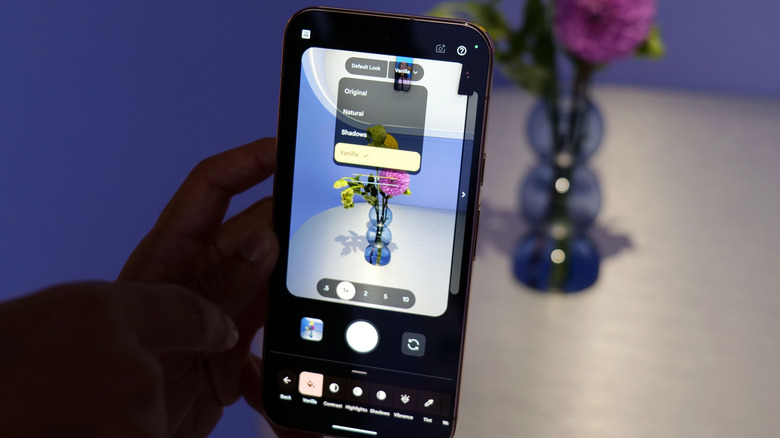
Alternatively, for those who want more control over the photos they take, Google has added a handful of customizable Camera Looks (aka filters) that you can easily apply or set to be your default color profile. This includes options like Shadows for more contrasty images, Vanilla for warmer and cozier hues or Editorial for that classic magazine photoshoot look.
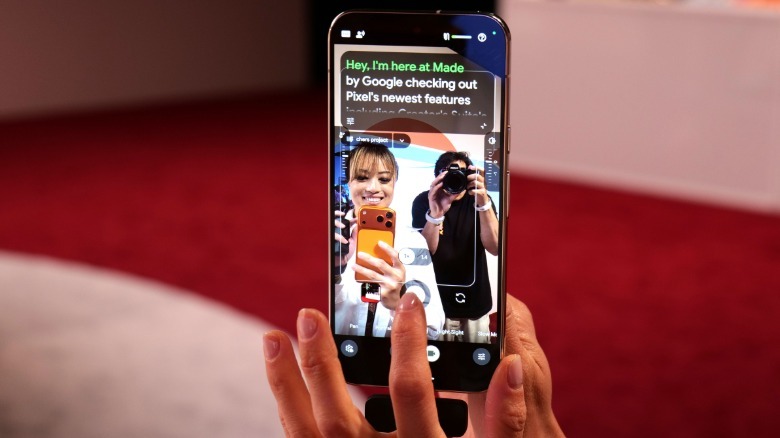
When it comes to videos, there's what Google is calling its new Creator Suite, which includes a collection of tools to help out aspiring vloggers and influencers. The Pixel 11's teleprompter feature lets you upload a script that the phone will automatically follow and track as you read through it. When I used it, it worked flawlessly, easily understanding and keeping pace with what I was saying. Then, to make organizing footage easier, there's a new folder system that allows you to gather up related clips all in one place. Finally, to help you shape things into something cohesive, there's a new storyboard feature to help edit and move b-roll around as needed.
 Sam Rutherford for Engadget
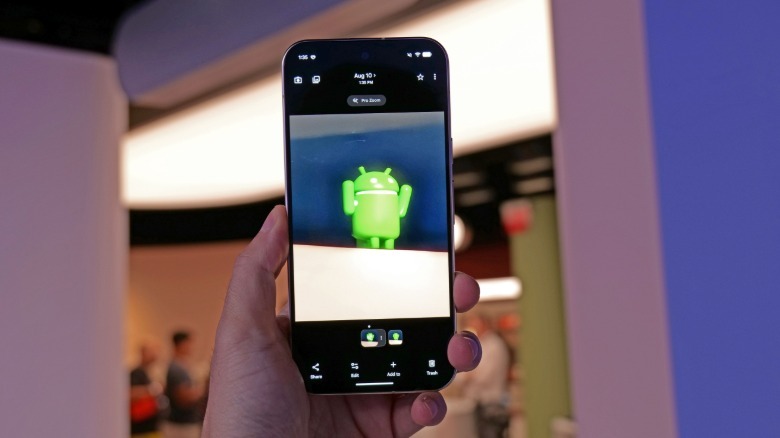
As for its telephoto abilities, Google's AI-powered Super Res Zoom isn't new, but the Pixel 11 Pro is pushing things to new distances. It's now capable of hitting up to 120x digital magnification, which is even better than the 100x Space Zoom we've seen on rivals like the S26 Ultra. In practice, holding the phone still enough to get faraway objects in frame can be a bit tricky, the results speak for themselves. As part of its demo, Google hid a tiny Android figure on top of a wall two rooms over, easily more than 50 feet away. Despite the image being a little fuzzy in the viewfinder, the result was a surprisingly crispy final pic — once the Pixel 11 Pro had a chance to process everything.
HiLight
Sam Rutherford for Engadget
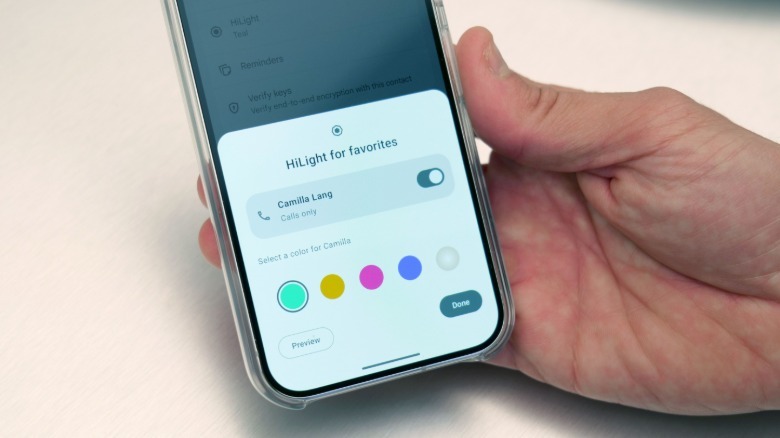
The Pixel 11 Pro's other big party trick is a twist on the classic indicator light we used to get on a lot of phones way back in the day. (Anyone remember the classic StarTAC?) Dubbed HiLight, it's located in the Pixel 11 Pro and Pro XL's camera flash and the idea is that by allowing it to display various colors, it can provide important notifications without being a major disturbance.
This means you can do the polite thing and leave your phone face down on the table during a meal or conversation without worrying about missing an important call. In the phone's settings, you can even designate specific colors for various people in your contacts, so there's no excuse for not picking up when your significant other rings. HiLight is also used to let you know when Gemini is listening, so you don't have to feel like you're shouting into the void when using AI.
 Sam Rutherford for Engadget
Unfortunately, at least at launch, that's as much as HiLight can do. That's a bummer because to me, the most obvious use case is for texting — especially since people under 40 don't really call people anymore. I would love to be able to set certain colors for different family members so that I know if there's a message that I really need to check. Thankfully, Google says it's looking into this and I would be shocked if we don't get expanded functionality for HiLight in the not-too-distant future.
Advanced intelligence
Sam Rutherford for Engadget
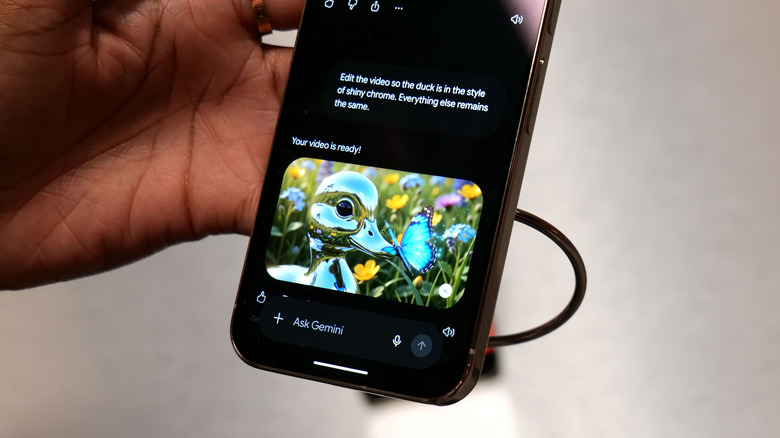
The rest of the Pixel 11 Pro's new kit comes in the form of expanded intelligence features, which includes tools like enhanced Live Translate that now works across audio and videos in real-time. On top of that, Circle to Search now works in the camera app, so you can point your lens at something and get AI to look it up. Magic Cue, which is now called Advanced Intelligence, supports new features like flight info. Deep inside, there's stuff like Rambler, which we saw back at Google I/O, which is meant to help remove "umms" and "ahhs" when transcribing text. However, due to our short time with the phones, I wasn't able to really test these out, so we're going to have to leave more in-depth impressions for our full review.
Early thoughts
Sam Rutherford for Engadget
The new Pixel 11 Pro line is an interesting beast. It doesn't look all that different, but it packs some of the biggest camera upgrades on any Google phone in several generations. Not only are we getting two new camera sensors, but features like Magic Capture, the 120x Super Res Zoom and the Creator Suite could change the way we record pictures and videos. I also really like the idea of HiLight, and even though it will be a bit limited at launch, there's a lot of potential there. Then there's nice baseline upgrades like increased storage and faster charging that help offset the Pixel 11 Pro's higher starting prices, which are up $100 over their predecessors. While Google is playing it safe with their designs, these latest Pixel phones have more than a handful of tricks hiding out in back.
The Pixel 11 Pro and Pixel 11 Pro XL are available for pre-order today before official sales begin on August 20.