By The Rio Times | Created at 2026-09-17 10:41:58 | Updated at 2026-09-17 11:54:03
1 hour ago
By The Rio Times | Created at 2026-09-17 10:41:58 | Updated at 2026-09-17 11:54:03
1 hour ago
GUYANA · ENERGY
Key Facts
- —What happened President Irfaan Ali invited Spanish and Latin American companies to invest in Guyana’s oil, mining and infrastructure.
- —Where At the CEAPI business congress in Madrid, where he received the council’s medal of honour in September 2026.
- —What he said “Our ambition is not simply to be richer. Our ambition is to transform our economy and our society.”
- —The growth The IMF projects Guyana growing about 23% in 2026 and 21% in 2027, the fastest rate in the world.
- —The roads Ali cited 130 kilometres of new highway built, 35 more under contract and talks on the Kurupukari bridge.
- —What is not settled No company signed anything in Madrid, and no investment figure was announced.
The fastest-growing economy on earth went to Madrid looking for partners who are not American or Chinese.
One-stop reference
Company Intelligence
Every listed company in Latin America — financials, ownership and structure for 1,450+ companies across 26 exchanges, in one place.
Guyanese president Irfaan Ali invited Spanish and Latin American companies to invest in his country’s oil, mining and infrastructure. He spoke at the CEAPI business congress in Madrid, where he received the council’s medal of honour. CEAPI is the business council for the Ibero-American region.
What He Offered
Ali asked investors to treat Guyana as a platform rather than simply a place to park capital.
He named oil, mining and infrastructure as the sectors open to partnership.
CEAPI president Nuria Vilanova presented the medal. Madrid mayor José Luis Martínez-Almeida attended.
No company signed an agreement at the event, and no investment total was announced.
The Numbers Behind the Invitation
The International Monetary Fund projects Guyana expanding about 23% in 2026.
It projects a further 21% in 2027.
That makes Guyana the fastest-growing economy in the world in percentage terms.
The base remains small, so a large percentage covers a modest absolute sum by regional standards.
How a Country of 800,000 Got Here
ExxonMobil announced the Liza discovery offshore Guyana in May 2015.
Production began in December 2019 and has expanded through a series of floating production vessels.
The Stabroek block has become one of the most productive new oil provinces of the past decade.
Guyana went from one of South America’s poorest economies to its fastest-growing in under ten years.
What the Money Is Building
Ali pointed to 130 kilometres of completed highway with bridges.
A further 35 kilometres are under contract.
Negotiations continue on the Kurupukari bridge, a crossing on the route toward the Brazilian border.
He put the timeline for regional road integration at roughly four years.
Why Madrid and Why Now
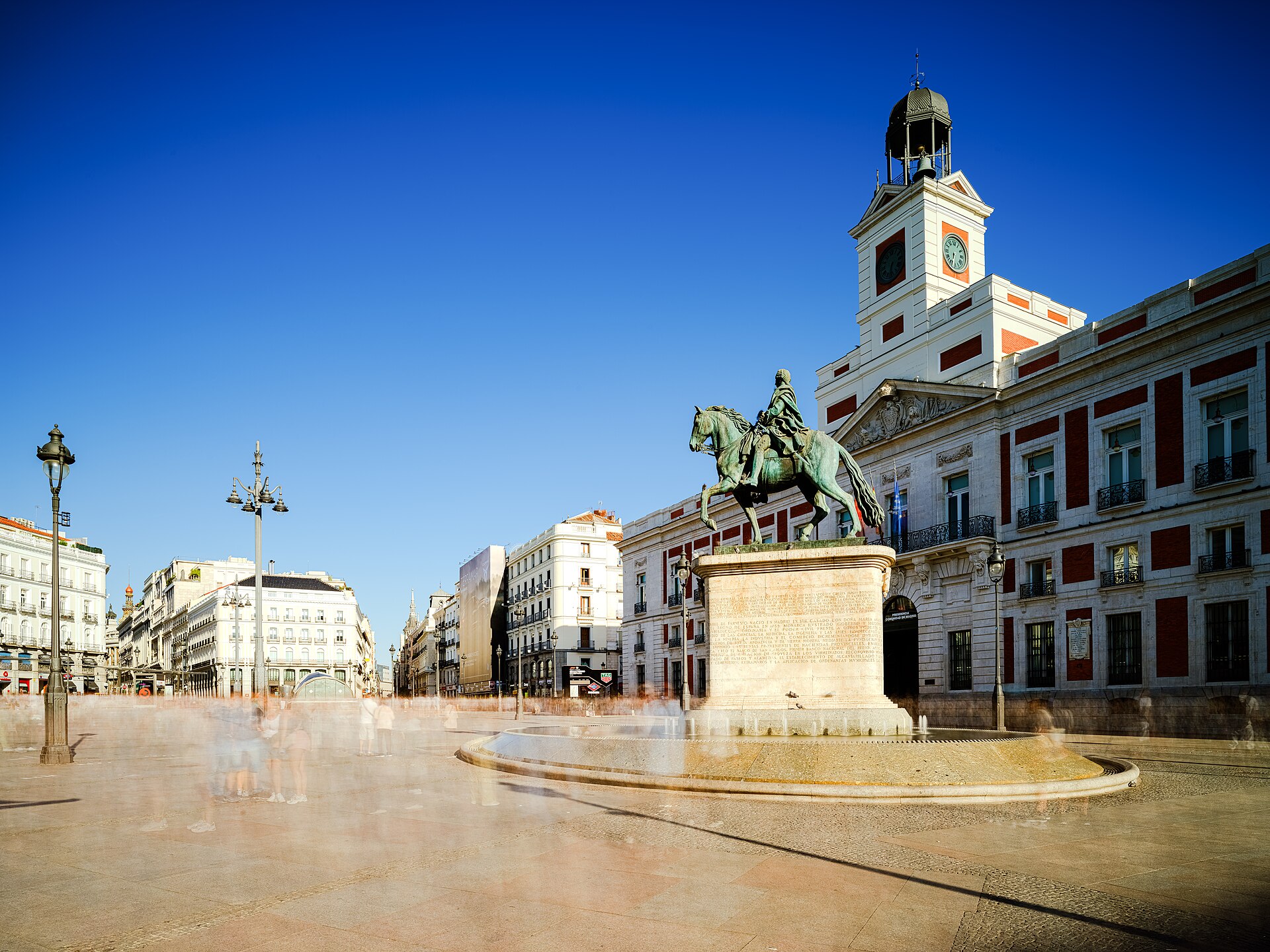
Guyana’s oil sector is dominated by American and Chinese contractors and financiers.
Spanish and Latin American firms bring construction, ports, water and power experience.
Spreading the supplier base is a way to reduce dependence on any single partner.
It also gives Georgetown more room in a neighbourhood where Venezuela disputes two thirds of its territory.
The Risks Investors Weigh
Guyana has few engineers, few contractors and a small civil service for the scale of money arriving.
Absorbing oil revenue without inflating costs is the standard problem of a sudden resource boom.
The Essequibo dispute with Venezuela remains unresolved at the International Court of Justice.
However, oil output has continued to rise through every round of that dispute so far.
What Guyana Wants From Partners
Ali framed the pitch as transformation rather than extraction.
That language points to processing, training and local supply chains rather than only drilling contracts.
Whether contracts follow the language is the test, and none were signed in Madrid.
Guyana has said the same to investors in Washington, Beijing and New Delhi.
What to Watch
Any Spanish or Latin American contractor announcing a Guyanese project in the coming months.
The Kurupukari bridge tender, which is the nearest concrete opportunity.
Guyana’s 2027 budget and how much of the oil revenue it commits to infrastructure.
And the next IMF country report, which will test the 23% projection.
More: Latin America news and analysis, every day from The Rio Times.
Frequently Asked Questions
What did Guyana’s president offer?
He invited Spanish and Latin American companies to invest in oil, mining and infrastructure.
Where did he say it?
At the CEAPI business congress in Madrid in September 2026, where he received the council’s medal of honour.
How fast is Guyana growing?
The IMF projects about 23% in 2026 and 21% in 2027, the fastest rate in the world.
What infrastructure was cited?
130 kilometres of completed highway, 35 more under contract and talks on the Kurupukari bridge.
Were any deals signed?
No company signed an agreement at the event, and no investment figure was announced.
Why look to Spain and Latin America?
Guyana’s oil sector already leans on American and Chinese firms. A broader supplier base reduces that dependence.
Sources: CEAPI congress coverage by El Observador, El Independiente and Infobae, September 2026; International Monetary Fund growth projections for Guyana.