By The Rio Times | Created at 2026-09-04 15:16:25 | Updated at 2026-09-04 15:57:46
1 hour ago
By The Rio Times | Created at 2026-09-04 15:16:25 | Updated at 2026-09-04 15:57:46
1 hour ago
Guyana · ENERGY
Key Facts
- —What happened The Errea Wittu production vessel arrived offshore Guyana for the Uaru oil project.
- —How big The vessel is built to produce about 250,000 barrels of oil per day.
- —The catch Actual output was 869,000 barrels per day in June 2026, below peak capacity near 918,000.
- —Who it hits The project raises government revenue and confirms ExxonMobil as operator, with Chevron now a partner.
- —What comes next ExxonMobil guides to the fourth quarter of 2026 for first oil, while officials have floated September.
Guyana’s oil vessels can produce more than 900,000 barrels a day, though actual output has recently dipped. A new vessel for the Uaru project could push the country past one million barrels per day.
One-stop reference
Company Intelligence
Every listed company in Latin America — financials, ownership and structure for 1,450+ companies across 26 exchanges, in one place.
Guyana’s oil vessels have capacity for more than 900,000 barrels per day, though June 2026 output was lower. A fifth vessel for the Uaru project should push the country past one million barrels per day.
Current Production and the Uaru Project
Guyana’s oil output depends on whether you mean actual production or capacity. The two figures are different, and reports often mix them up.
The country’s four current oil vessels have combined capacity of roughly 900,000 to 920,000 barrels per day. Actual production has recently run below that peak.
A fifth vessel, the Errea Wittu, arrived offshore in August 2026 for the Uaru project. It should push both capacity and output above one million barrels per day.
The Errea Wittu Vessel
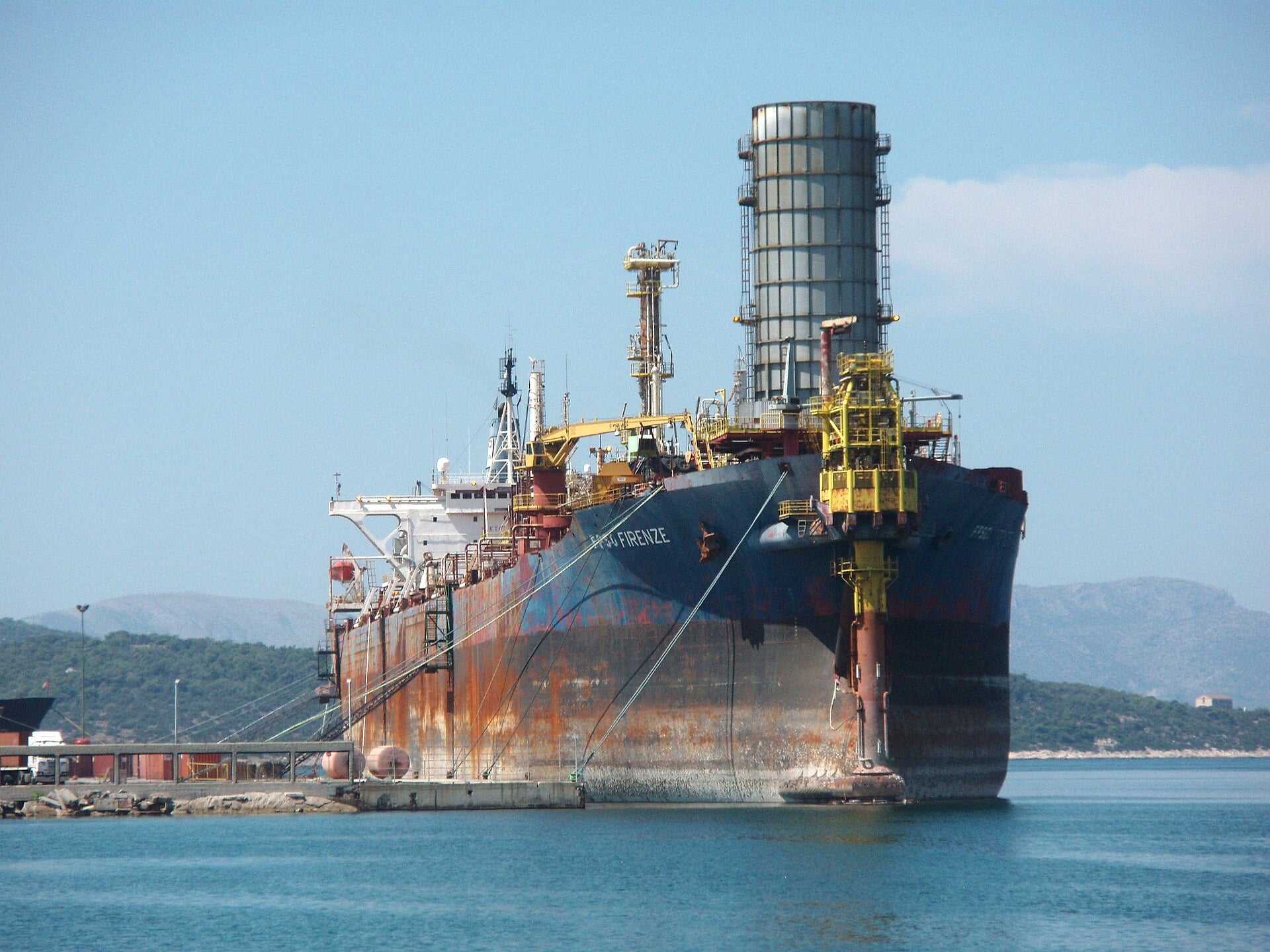
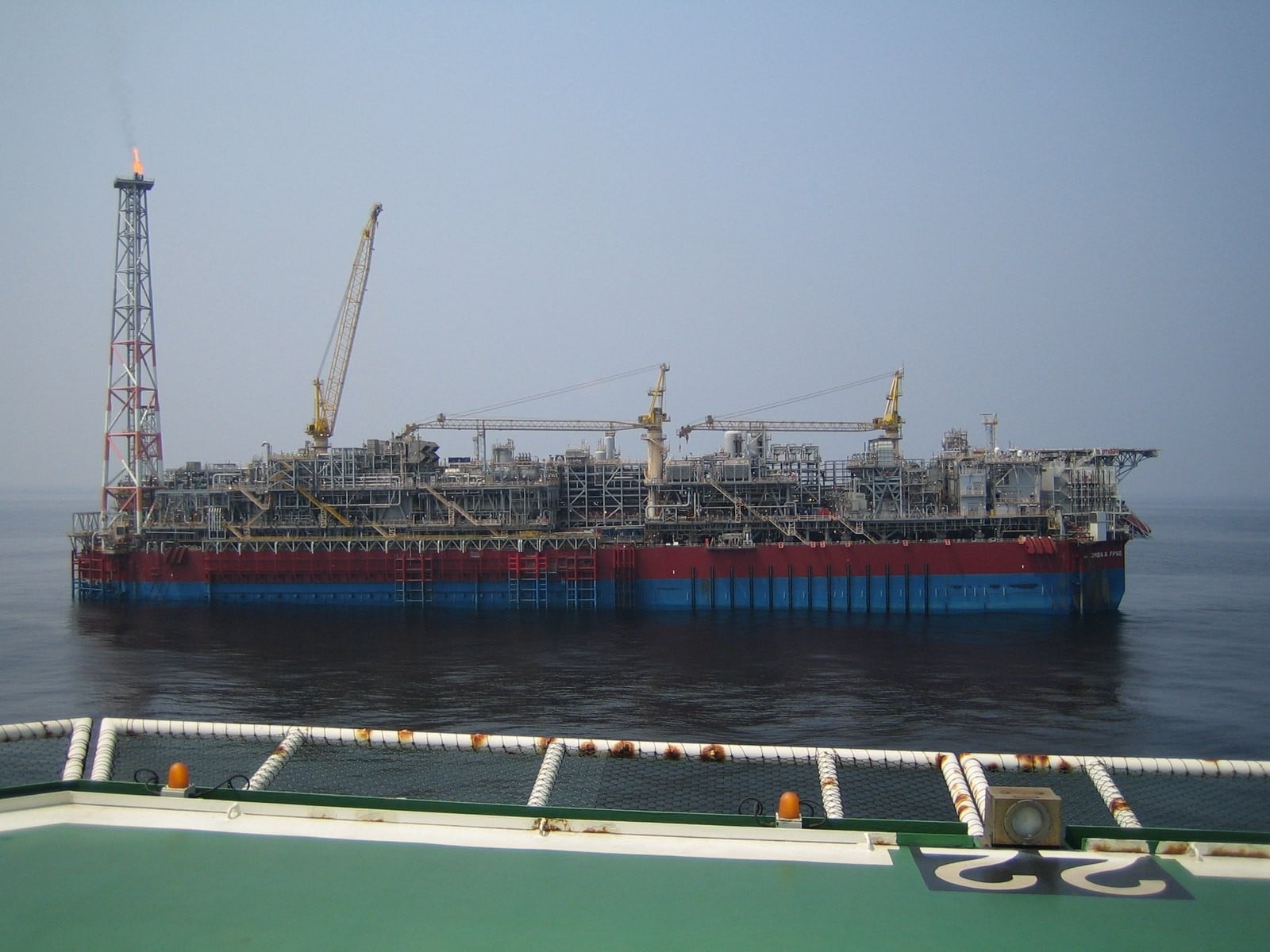
The Errea Wittu is a floating production, storage and offloading vessel, known as an FPSO. It arrived offshore Guyana around August 20-21, 2026, according to Guyana’s government and local media.
This is Guyana’s fifth FPSO, confirmed by Guyana Chronicle and other outlets. It is built to produce about 250,000 barrels of oil per day, dedicated to the Uaru project.
The vessel can also handle 540 million cubic feet of gas a day. It can inject 350,000 barrels of water and store about two million barrels of crude.
What Is an FPSO?
An FPSO is a large ship that processes oil and stores it until tankers carry it away. Guyana uses these vessels because its oil fields sit far from shore.
Each vessel anchors above the oil field and connects to wells on the seabed. This lets companies produce oil in deep water without building a fixed platform.
FPSOs can later be moved to a new field once a project winds down. That flexibility makes them popular in deep offshore basins like Guyana’s.
Guyana’s Five FPSOs
Guyana already has four FPSOs producing oil before Errea Wittu. Liza Destiny works the Liza Phase 1 project, with a design capacity near 120,000 barrels per day.
Liza Unity serves Liza Phase 2, with a design capacity near 220,000 barrels per day. Prosperity works the Payara project, also near 220,000 barrels per day.
ONE GUYANA serves the Yellowtail project and can produce about 250,000 barrels per day. It began producing in August 2025, the newest vessel before Errea Wittu.
Uaru Project Details
The Uaru project covers three fields: Uaru, Mako and Snoek. ExxonMobil sanctioned it in April 2023 with an investment of about US$12.7 billion.
The project should recover more than 800 million barrels of oil over its lifetime. That estimate comes from ExxonMobil and independent industry analysts.
The development includes up to ten drill centers and 44 production and injection wells. Guyana’s government approved the plan after ExxonMobil submitted it in 2023.
First Oil: What the Operator Says
Sources differ on exactly when Uaru will start producing oil. Guyana’s government has pointed to September 2026 as a possible start date.
ExxonMobil, the project’s operator, has consistently guided to a fourth-quarter 2026 startup. That is the timeline most investors and analysts rely on.
Early output from Uaru is expected to start below the vessel’s full capacity. Production usually ramps up gradually over the following year.
Stabroek Block Ownership
The Stabroek Block is operated by ExxonMobil, which holds a 45% stake. Chevron holds 30%, and China’s CNOOC holds the remaining 25%.
Some older reports still list Hess as the 30% partner. That information is now outdated.
The block holds more than 11 billion barrels of discovered recoverable oil and gas resources. It sits roughly 120 miles off Guyana’s coast in deep water.
The Ownership Change Explained
Chevron bought Hess in a deal completed on July 18, 2025, gaining Hess’s Guyana stake. ExxonMobil and CNOOC had tried to block the sale using contract rights.
An arbitration panel in Paris ruled against ExxonMobil and CNOOC in 2025. ExxonMobil said it disagreed with the ruling but accepted Chevron as a partner.
Chevron’s chief financial officer has said the Hess assets, including Guyana, add about 250,000 barrels per day to Chevron’s overall production growth.
Production History
Guyana’s oil production averaged about 750,000 barrels per day across all of 2025. Output first passed 900,000 barrels per day on average in November 2025.
Production has since fluctuated. It eased to 869,000 barrels per day in June 2026, the latest confirmed month, according to government data reported by OilNOW.
Guyana has produced oil since December 2019, when the Liza field first came online. Output has grown quickly with each new project since then.
How Guyana Earns Money From Oil
Guyana’s contract with ExxonMobil sets a 2% royalty on all oil produced and sold. After companies recover their costs, remaining profits are split 50-50 with the government.
Guyana earned about US$1.2 billion in royalty and profit-oil payments in the second quarter of 2026. That brought first-half 2026 earnings to almost US$2 billion, according to OilNOW.
Guyana’s finance minister has projected total 2026 oil earnings near US$2.8 billion. That includes profit oil, royalties and one signing bonus for new exploration.
The Natural Resource Fund
Guyana saves its oil money in the Natural Resource Fund, held at the Bank of Guyana. The fund passed US$4 billion for the first time in mid-2026.
Money can only leave the fund for national development or disaster response. Parliament must approve every withdrawal before it can be spent.
Since 2020, the fund has taken in roughly US$10.5 billion in oil money. About US$6.7 billion of that has already moved into the national budget.
Future Production Targets
ExxonMobil has said it aims to reach about 1.3 million barrels per day in Guyana by 2027. That would require projects beyond Uaru to come online.
The company has approved a seventh offshore development in the Stabroek Block. Each new project also brings jobs and contracts for Guyanese companies.
ExxonMobil is also studying a Hammerhead project that could add further capacity. These projects aim to keep Guyana’s output rising through the rest of the decade.
What Comes Next
Guyana’s oil output should keep climbing once Uaru begins producing. The exact timing depends on whether the government’s September estimate or ExxonMobil’s later guidance proves right.
Either way, the Errea Wittu FPSO marks another step in Guyana’s rapid rise as an oil producer. The country now ranks among the fastest-growing oil economies in the world.
Frequently Asked Questions
What is Guyana’s current oil production?
Actual production was 869,000 barrels a day in June 2026, the latest confirmed month. Capacity across existing vessels is higher, near 900,000 to 920,000 barrels a day.
What is the Errea Wittu FPSO?
It is Guyana’s fifth floating production vessel, built to produce about 250,000 barrels a day. It serves the Uaru project and arrived offshore in August 2026.
When will Uaru start producing oil?
Guyana’s government has suggested September 2026. ExxonMobil, the operator, guides to the fourth quarter of 2026.
Who owns the Stabroek Block?
ExxonMobil operates the block with a 45% stake. Chevron holds 30%, after buying Hess’s stake in July 2025, and CNOOC holds 25%.
Sources: OilNOW; Rio Times Online; Guyana Chronicle; ExxonMobil; U.S. Energy Information Administration; Rigzone; Kaieteur News.