 By The Epoch Times | Created at 2026-08-19 12:20:13 | Updated at 2026-08-19 12:33:27
19 minutes ago
By The Epoch Times | Created at 2026-08-19 12:20:13 | Updated at 2026-08-19 12:33:27
19 minutes ago
Harvard University has agreed to pay $53 million to resolve lawsuits brought by the families of those whose loved ones’ body parts were donated to its medical school only to be sold on the black market by its morgue manager.
A state court judge in Boston preliminarily approved a class action settlement on Aug. 18 that would resolve the lawsuits filed against the Ivy League institution eight months after Cedric Lodge, the former manager of Harvard Medical School’s morgue, was jailed.
Dozens of relatives of individuals whose bodies were donated to Harvard filed lawsuits accusing the school of negligence, contending it turned a blind eye to Lodge’s years-long misconduct until he was indicted in 2023.
On Dec. 16, 2025, Lodge, 58, pleaded guilty to charges related to the interstate transportation of stolen goods and was sentenced to eight years in prison.
He admitted to stealing body parts from cadavers donated to Harvard Medical School’s Anatomical Gift Program and selling them to buyers across the country.
Morgue Manager Stole Brains, Skin, Bones
Prosecutors said that between 2018 and March 2020, Cedric Lodge stole and trafficked “heads, brains, skin, bones, and other human remains” after the donated bodies had been used for teaching and research.
His wife, Denise Lodge, 65, was also sentenced to 12 months and one day in prison.
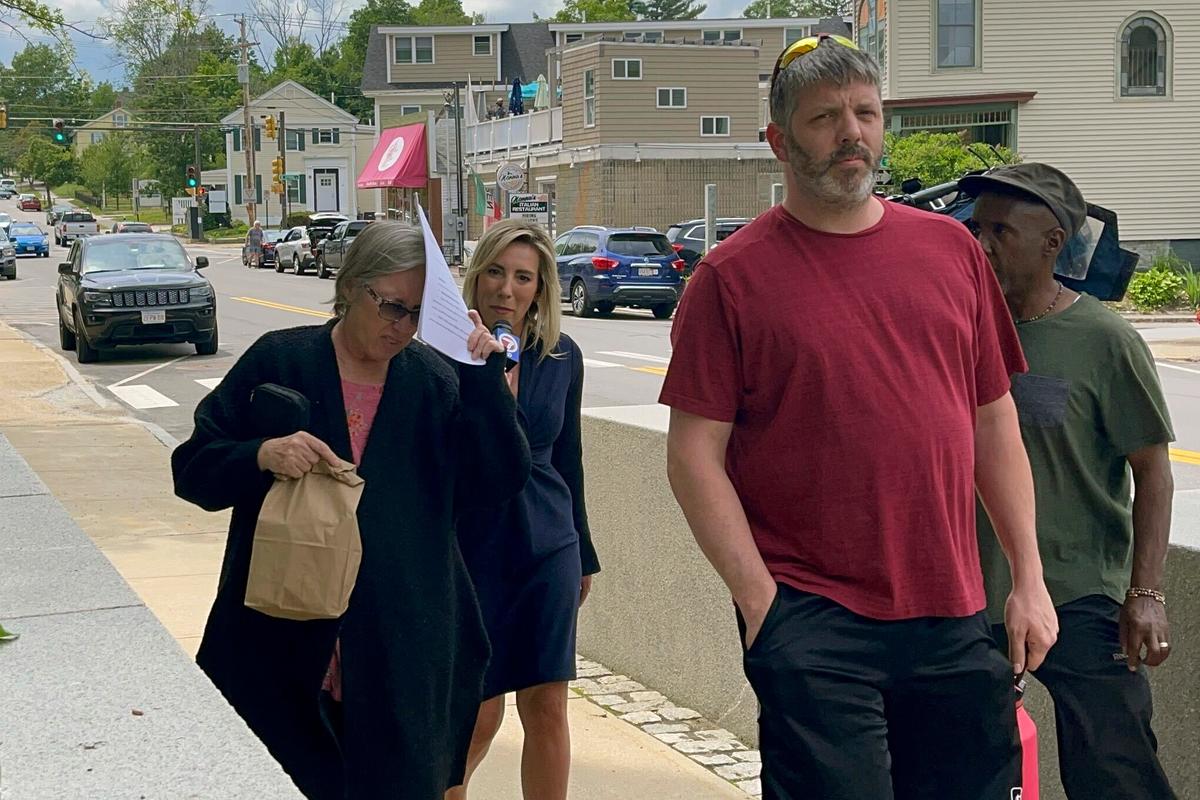
Denise Lodge (L) covers her face with a printout of the indictment against her as she walks from the federal courthouse in Concord, N.H., on June 14, 2023. Steven Porter/The Boston Globe via AP
Cedric Lodge, who had worked in Harvard’s morgue for almost three decades, smuggled the body parts from the morgue in Boston to his home in Goffstown, New Hampshire, where he and his wife sold them, prosecutors said.
A judge had initially dismissed the class action lawsuit against Harvard, but in October 2025, the Massachusetts Supreme Judicial Court overturned that decision, finding that the plaintiffs had sufficient claims that the institution had failed to act in good faith in handling the bodies.
“Instead of the dignified treatment and disposal of human remains required ... the donors’ remains were ghoulishly dismembered and sold for profit under the most horrifying of circumstances,” Justice Scott Kafker wrote in the court’s opinion at the time. “This horrific and undignified treatment continued for years and involved numerous donors.”
‘Flagrant Betrayal of Our Values’
Harvard’s dean of the faculty of medicine, George Daley, and the dean for medical education at Harvard Medical School, Bernard Chang, said in an Aug. 17 message to the school’s community that Lodge’s actions took place without the school’s knowledge.
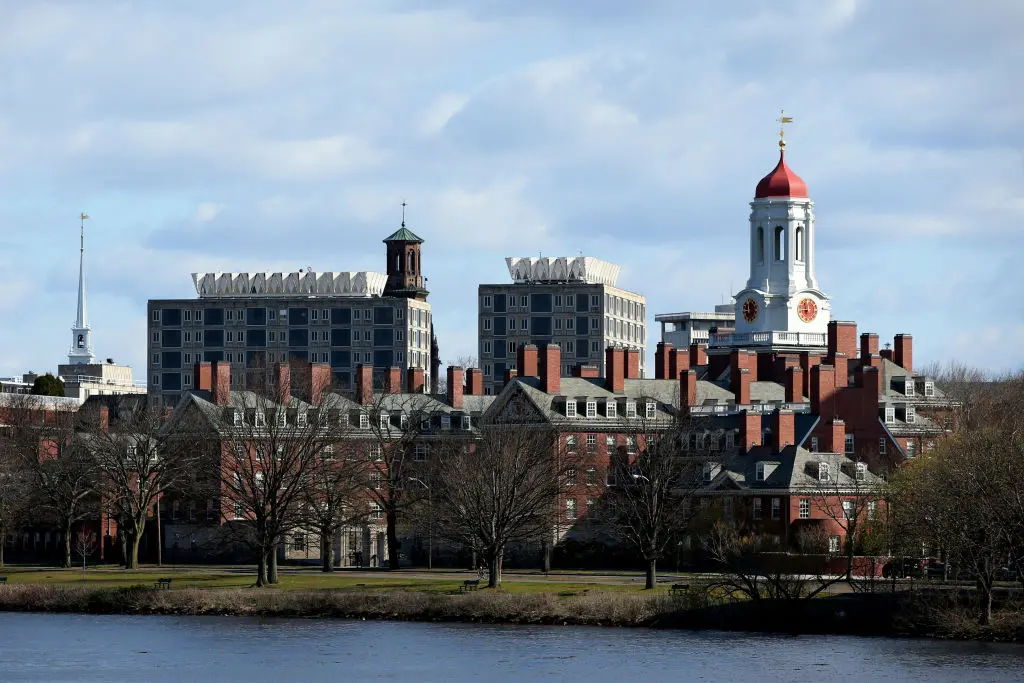
Harvard University campus in Cambridge, Mass., on April 22, 2020. Maddie Meyer/Getty Images
“His violations … were despicable, abhorrent, and a flagrant betrayal of our values as a medical community,” they wrote. “These events do not reflect the reverence we hold for the altruistic individuals who selflessly donate their bodies to our Anatomical Gift Program (AGP) to provide essential educational opportunities to medical and dental students, practicing surgeons, and allied health professionals.”
Daley and Chang offered their “deep sorrow and empathy” to the families of the donors and said that, in addition to the financial payment, they will provide a statement to the families via a live webinar “confirming that Lodge’s criminal acts were morally reprehensible” and inconsistent with the standards Harvard Medical School expects for the treatment of anatomical donors.
John Morgan, whose law firm Morgan & Morgan represented families in the litigation, said, “We hope that this resolution ensures that this never happens to another family ever again.”
The remains were sold to, among others, Katrina MacLean, who ran Kat’s Creepy Creations, a studio and store in Peabody, Massachusetts, the indictment stated. Payments were often made to Denise Lodge through her PayPal account.
On Aug. 18, MacLean, 47, was jailed for 24 months by Chief U.S. District Judge Matthew W. Brann for interstate transportation of stolen property.
Bill Pan and Reuters contributed to this report.