 By The Epoch Times | Created at 2026-08-13 22:52:03 | Updated at 2026-08-13 23:53:58
1 hour ago
By The Epoch Times | Created at 2026-08-13 22:52:03 | Updated at 2026-08-13 23:53:58
1 hour ago
Two of Hollywood’s biggest unions urged California Attorney General Rob Bonta and Paramount Skydance CEO David Ellison on Aug. 12 to settle litigation over a proposed merger with Warner Bros. Discovery before it harms thousands of industry workers.
The Directors Guild of America (DGA) and International Alliance of Theatrical Stage Employees (IATSE) sent a letter to both parties asking them to “engage directly with each other” to negotiate a settlement to the antitrust allegations of the lawsuit or move the trial date earlier.
“Could such an agreement prove impossible, we would ask that both parties seek to move the start of the trial to an earlier date, as continued delay and uncertainty around the future of [Warner Bros. Discovery] harms our members,” the unions wrote in the letter.
The unions’ request arrived on the heels of news that Paramount executives were mulling plans to possibly move the studios out of state.
The unions represent about 200,000 industry workers employed as directors, technicians, and artists.
“We cannot overemphasize how damaging the current timeline for the trial—which would extend the uncertainty surrounding the proposed merger until the spring of next year at the earliest—is to an already struggling industry,” the unions stated.
“As you know, film and television production is down 35 percent to 40 percent worldwide, and even more in California.”
More production now takes place outside of the United States, the unions said.
Union members are struggling to find work, and the uncertainty surrounding the proposed merger is making matters worse, according to the groups.
“We are aware of productions that have been put on hold or canceled altogether, leading to further reductions in available work for our members and other industry workers,” the unions stated.
The DGA’s National Executive Director Russell Hollander and IATSE’s President Matthew Loeb said in the letter they believe in competition and have concerns about the transaction.
They suggested the state and Paramount agree to several conditions put forward by the unions as a way to settle the litigation, including a commitment by Paramount to continue to be based in Los Angeles.
The unions also suggested Paramount and Warner Bros. Discovery agree to be kept as separate studios, with each maintaining its own production, distribution, marketing, and exhibition groups.
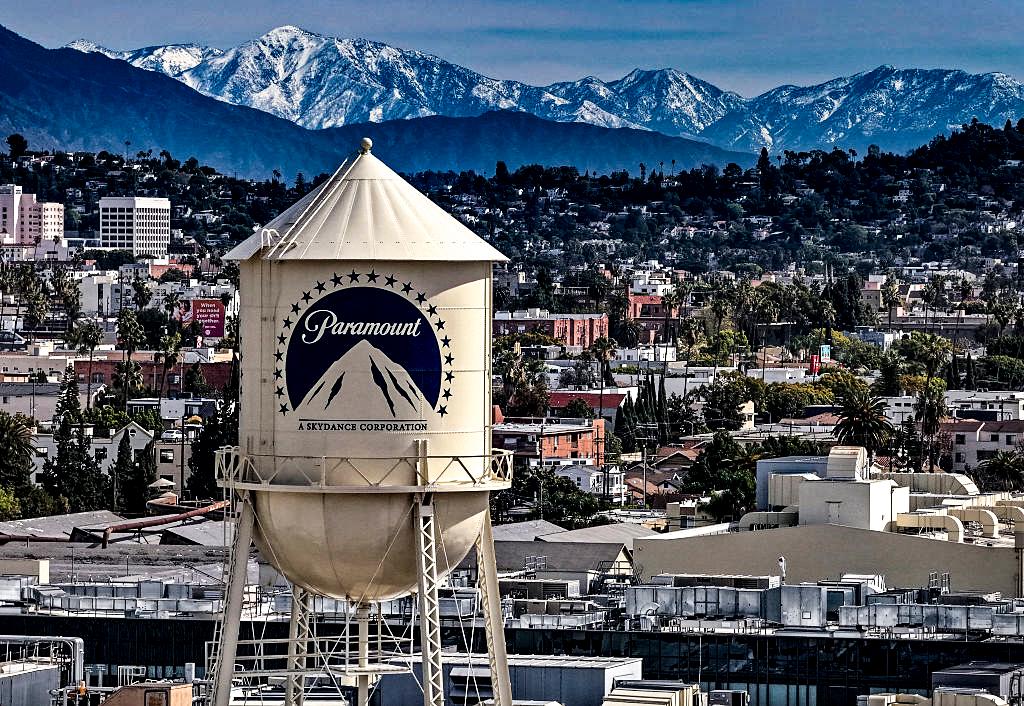
Paramount Studios in Los Angeles on Feb. 23, 2026. Justin Sullivan/Getty Images
They also said each film studio should produce and distribute at least 15 films for the movie theaters per year with a guarantee of at least 45 days in the theaters before the films are available for at-home renting or buying, and 120 days before they are available on home streaming services.
Other suggestions include maintaining HBO as a paid channel, and other similar requests.
The California Department of Justice responded to the unions’ requests, standing by the lawsuit’s claims that it violates antitrust law.
California is leading 11 other state attorneys general in the legal case seeking to block the transaction.
“The California Department of Justice always appreciates the opportunity to hear from workers and communities directly impacted by our work,” a spokesperson from the Department of Justice told The Epoch Times in a statement.
“As it stands today, the proposed Warner Bros./Paramount merger will mean higher costs, less competition, lower wages, job cuts, and fewer movies and TV shows. This merger violates long-standing federal antitrust law. We remain committed to enforcing the law.”
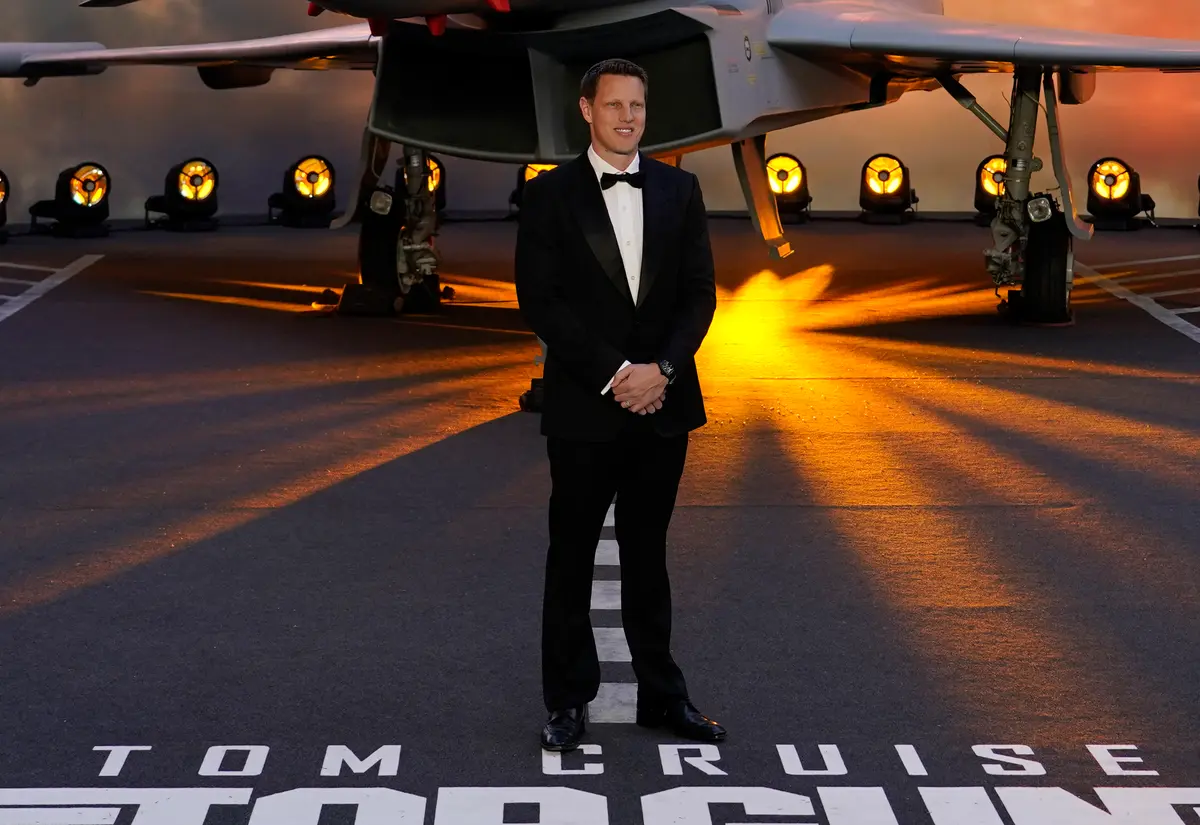
Paramount Skydance CEO David Ellison poses for the media during the “Top Gun Maverick” UK premiere at a central London cinema on May 19, 2022. AP Photo/Alberto Pezzali
A request for comment about the unions’ proposal from Paramount Skydance was not returned.
The merger’s delayed closure could add $1.9 billion onto the price tag if the litigation drags on past June 2027.
Paramount’s chief executive defended the deal Aug. 4 in an opinion piece in the New York Times.
“It’s the audience—the American people—who have the final say in whether a movie succeeds or fails, whether a news organization thrives or withers and therefore whether our industry succeeds or fails,” Ellison said.
“I want to build a company with the strength and resources to deliver for those audiences who turn to us, for the storytellers who rely on us and for the country that dreamed this all up.”

The Warner Bros. logo is displayed on a water tower at Warner Bros. Studio in Burbank, Calif., on Sept. 12, 2025. Mario Tama/Getty Images
District Judge Araceli Martínez-Olguín of the Northern District of California scheduled a 12-day jury trial for the antitrust case on March 2, 2027, in response to a request by Bonta for extra time.
The $110 billion studio merger deal is on hold after the judge issued an
orderin July preventing the companies from finalizing the acquisition.
Paramount voluntarily paused the transaction in July until the trial ends or until June 1, 2027.
More than 60 regulatory entities have already approved the merger, including the United States, the European Commission, the United Kingdom, Australia, Brazil, Canada, Chile, China, New Zealand, Saudi Arabia, Germany, France, and Spain.