By The Rio Times | Created at 2026-08-12 09:16:58 | Updated at 2026-08-12 09:36:01
44 minutes ago
By The Rio Times | Created at 2026-08-12 09:16:58 | Updated at 2026-08-12 09:36:01
44 minutes ago
Honduras · Energy
Key Facts
- Loss rate Total system losses (technical plus non-technical) run at roughly 32% to 38% of the energy injected into the grid — one of the highest in Latin America.
- Annual drain ENEE loses about 18,000 million lempiras (about US$670 million) a year from stolen, unbilled and unpaid energy, per an ASJ analysis; theft is the biggest component.
- Accumulated debt ENEE’s total debt reached about 118,800 million lempiras (about US$4.4 billion) by March 2026.
- Generator arrears ENEE owes private generators about 26,000 million lempiras (about US$970 million), threatening supply continuity.
- Reform debate Honduras’s Congress is debating electricity-sector reforms to cut losses and keep the utility from collapse.
- Ongoing rationing ENEE keeps scheduling power rationing and maintenance shutdowns in several regions, reflecting operational strain.
The crisis is not just a balance-sheet problem. It is a daily reality for households and businesses facing blackouts.
It is also a growing risk for investors who depend on reliable power in Honduras.
If you live in Honduras, or run a business there, you already know the feeling. The lights flicker, the schedule says “maintenance,” and you wonder how long the grid will hold.
What you may not know is just how deep the hole goes. The Honduras ENEE crisis is now a 2026 emergency, and the numbers are staggering.
The state utility loses roughly a third of all the energy it puts into the grid. That leak is costing the country hundreds of millions of dollars a year.
One-stop reference
Company Intelligence
Every listed company in Latin America — financials, ownership and structure for 1,450+ companies across 26 exchanges, in one place.
A Utility Bleeding from Every Side
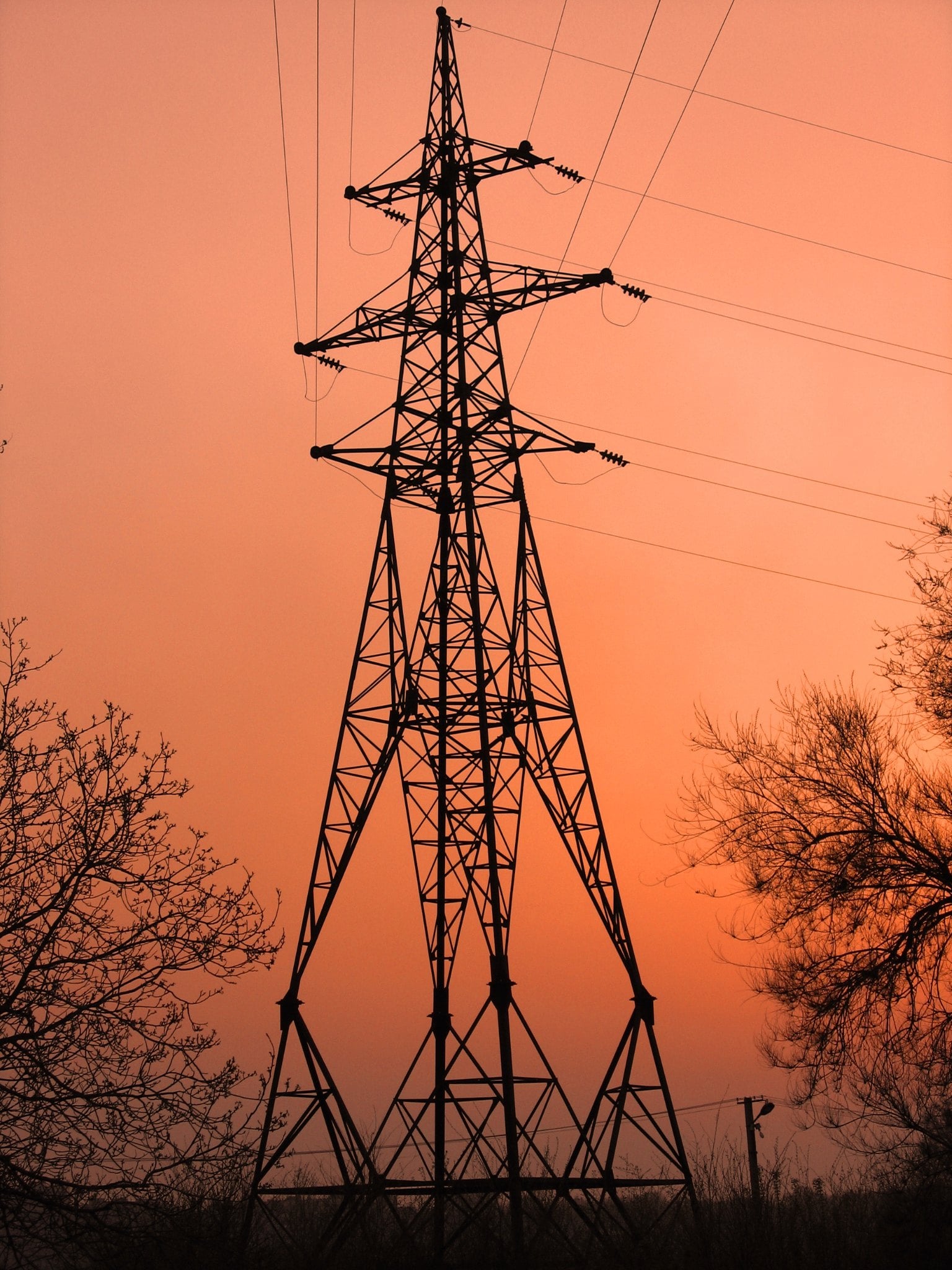
The Empresa Nacional de Energía Eléctrica (ENEE) is in a financial and operational tailspin. Total system losses run at roughly 32% to 38% of injected energy.
This includes technical losses like line resistance. It also includes non-technical losses like theft.
That is one of the highest loss rates in Latin America. It means nearly four out of every ten units of electricity generated never generate a cent of revenue.
The annual cost is enormous. According to ASJ, ENEE loses about 18,000 million lempiras a year.
That is about US$670 million. This comes from stolen, unbilled, and unpaid energy.
Energy theft — non-technical losses — is the largest single component of that annual drain. That is money that should be paying for maintenance, fuel, and generator contracts.
Instead, it vanishes into informal connections, bypassed meters, and unpaid bills.
Debt That Keeps Growing
The accumulated damage is staggering. By March 2026, ENEE’s total debt reached about 118,800 million lempiras (about US$4.4 billion).
That is not a rounding error. It is a mountain that grows every month.
The utility fails to collect what it is owed. A big slice of that debt — about 26,000 million lempiras (about US$970 million) — is owed directly to private electricity generators.
Those are the companies that actually produce the power ENEE distributes, and they are not charities. If they stop getting paid, they can stop supplying, and that is a direct threat to the grid.
The exchange rate sits at about 26.8 lempiras per US dollar, so the dollar figures are not vague approximations. They are the real scale of the problem.
For a country of roughly ten million people, US$4.4 billion in utility debt is a massive burden. It is not going away on its own.
Why This Matters to You
If you are reading this from abroad, you might think a Honduran utility’s troubles are someone else’s problem. They are not.
Honduras is a hub for expats, digital nomads, and foreign investors, particularly in tourism, agriculture, and manufacturing. Every one of those sectors depends on reliable electricity.
When ENEE schedules rationing, hotels lose bookings, factories lose production hours, and cold chains break. That hits local incomes, export revenues, and the overall investment climate.
For anyone with money in the region, the signal is clear: infrastructure risk is real and growing. The Honduras ENEE crisis is not just a public-sector headache; it is a private-sector cost.
Businesses already pay some of the highest electricity tariffs in Central America, and they still face blackouts. If the utility collapses, the fallout will ripple through every corner of the economy.
It will hit your bottom line. This applies whether you run a beachfront café in Roatán.
Or you evaluate a manufacturing plant in San Pedro Sula.
Reforms on the Table, but Time Is Short
Honduras’s Congress is debating electricity-sector reforms aimed at cutting losses, cracking down on energy theft, and keeping ENEE from collapse. Authorities and union leaders agree that reducing losses is one of the utility’s most complex and urgent challenges.
The debate includes proposals to modernize billing, strengthen enforcement against theft, and restructure the debt to generators. But talk is cheap, and the clock is ticking.
Meanwhile, ENEE continues scheduling power rationing and maintenance shutdowns in several regions, reflecting the operational strain on the system. The utility is caught in a vicious cycle.
It cannot invest in upgrades because it has no money. It has no money because losses are so high.
Breaking that cycle requires political will, technical competence, and time. None of those are in abundant supply right now.
For residents and investors, the near-term outlook is more of the same. Unreliable power and rising costs.
Plus a utility fighting for survival.
Frequently Asked Questions
What is the main cause of ENEE’s financial crisis?
The main cause is a combination of very high system losses. These are roughly 32% to 38% of injected energy.
There is also a massive accumulated debt. Energy theft is the largest single component of the annual loss, which totals about 18,000 million lempiras (about US$670 million) per year.
How much does ENEE owe to private generators?
ENEE owes private generators about 26,000 million lempiras (about US$970 million). This debt is a direct threat to supply, because generators may reduce or halt deliveries if they are not paid.
Is there a risk of more power rationing in Honduras?
Yes. ENEE has continued scheduling power rationing and maintenance shutdowns in several regions.
High losses, debt to generators, and limited grid investment. This combination means rationing is likely to continue.
That is the near-term outlook.
Sources: La Prensa, El Heraldo, Proceso Digital, ASJ, Banco Central de Honduras