By The Rio Times | Created at 2026-06-19 10:22:03 | Updated at 2026-06-19 12:40:21
2 hours ago
By The Rio Times | Created at 2026-06-19 10:22:03 | Updated at 2026-06-19 12:40:21
2 hours ago
Defense · Caribbean
—The problem. Most Caribbean states are too small to field a real army or navy of their own.
—The answer. They pool their forces through a shared Regional Security System based in Barbados.
—The members. Eight Eastern Caribbean states make up that core mutual-defense pact.
—The backer. A wider US program has supported thirteen Caribbean nations since two thousand ten.
—The mission. The focus is drugs, guns and crime at sea, not defending against other countries.
—The moment. A large US military presence in the region has put Caribbean security back in the headlines.
Caribbean security looks nothing like a great-power military, because most of the islands are far too small for one, so instead they have spent decades building something rarer: a shared defense club that lets tiny states punch together.
How Caribbean security actually works
For most of the small island states of the Caribbean, a national army in the European sense is simply out of reach. Their populations and budgets are tiny, and many have no standing military at all.
Their answer has been to band together. The heart of the arrangement is the Regional Security System, a mutual-defense pact based in Barbados.
It began as a simple agreement among a handful of Eastern Caribbean neighbors to help one another on request. Today eight states form its core membership.
The promises are practical rather than grand. Members pledge to assist each other with disasters, search and rescue, smuggling, maritime policing and threats to national security.
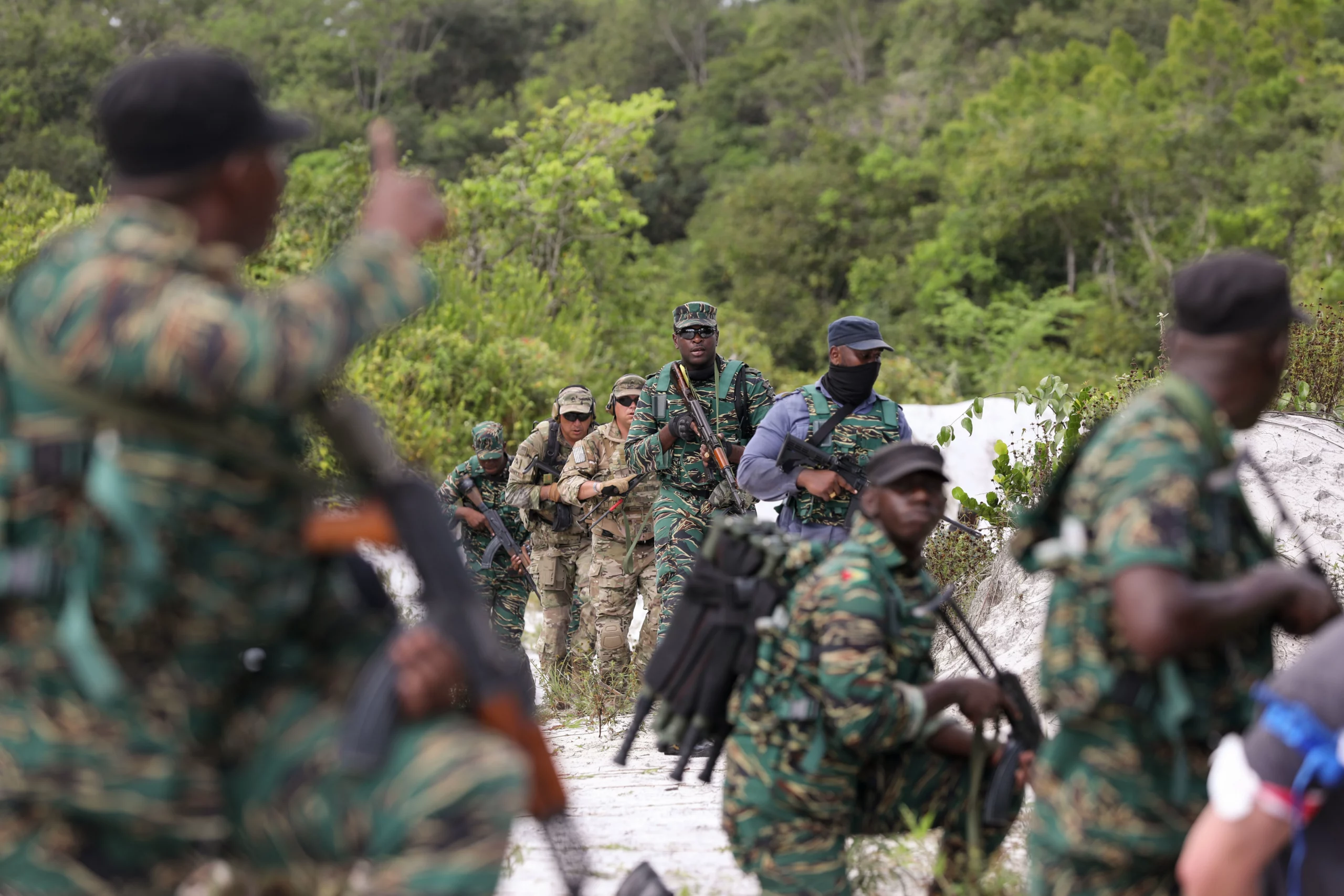
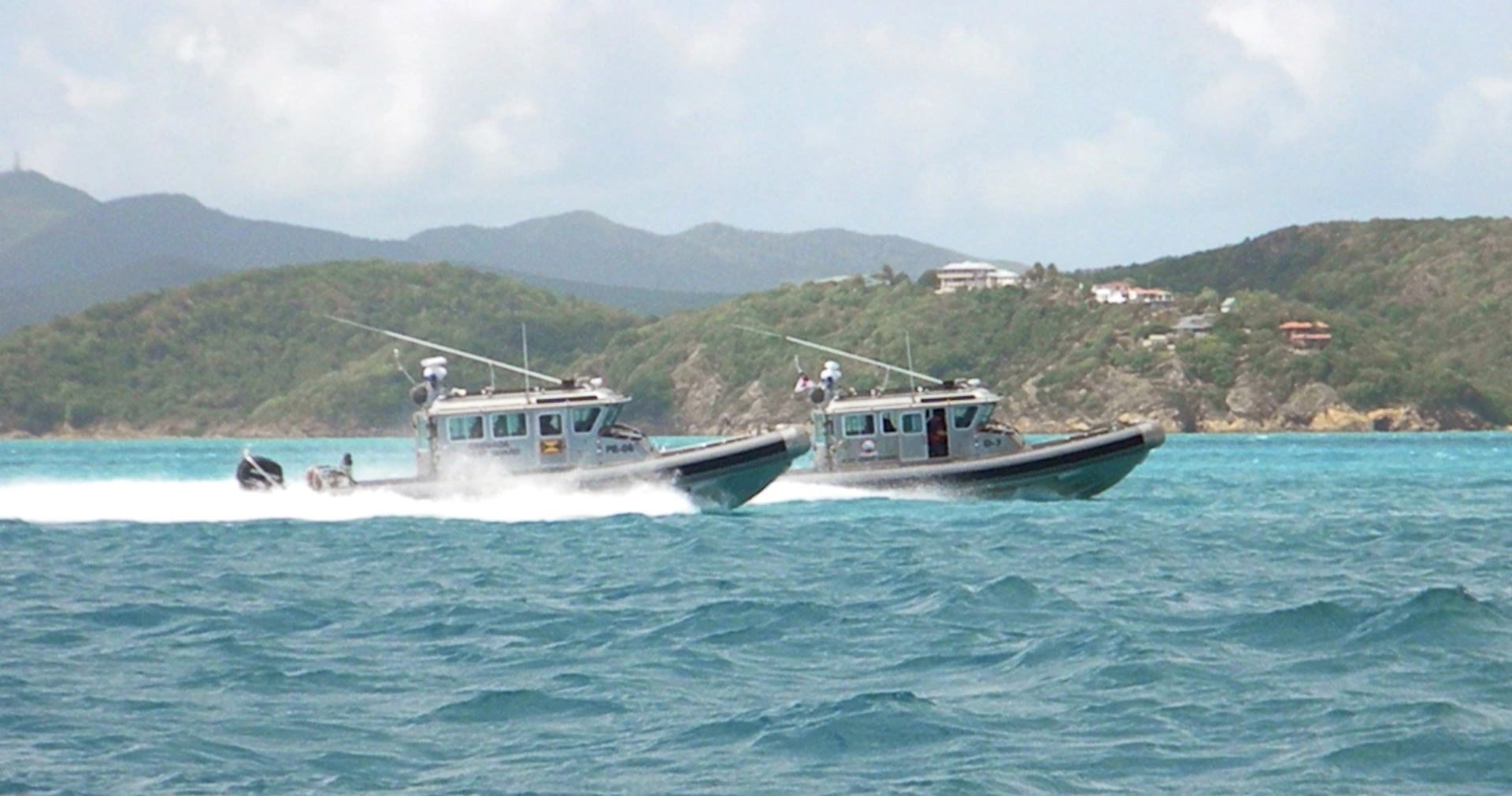
In practice that means sharing the few assets each country has. A patrol boat, a coast guard crew or a small police unit from one island can be sent to help a neighbor in trouble.
The system has been used for everything from hurricane relief to restoring order after unrest. For states with almost no spare capacity, that shared pool is the difference between coping and being overwhelmed.
The American backbone
Sitting above this local system is a much larger American program. Since two thousand ten, the United States has run a security initiative covering thirteen Caribbean countries.
It funds training, equipment and coordination across the region. Among other things, Washington has donated maritime patrol aircraft to the regional system and helped set up a unit in Trinidad that traces illegal guns.
The money is real but never guaranteed. Lawmakers in Washington have pushed to lock in funding of around eighty-two million dollars a year, precisely because the program has had to be renewed annually.
Every year, officials from the partner nations also gather for a security dialogue. A long-running multinational exercise, hosted around the region, keeps their forces used to working side by side.
A fight against crime, not countries
What this machinery is built to fight is telling. The enemy is not a rival state but the drugs, guns and gangs that move through the islands.
The geography makes the region a natural corridor. Cocaine flows north from South America toward the United States and east toward Europe, often passing through Caribbean waters on the way.
That traffic feeds violence on the islands themselves. Several Caribbean nations carry some of the highest murder rates in the world, driven by the trade in narcotics and weapons.
So the shared system spends its energy on interdiction at sea, tracing guns and building up police. It is closer to coast guard and law enforcement than to conventional warfare.
Why it matters for investors
For a region that lives on tourism, stability is the whole product. Crime and visible insecurity scare away the visitors and cruise lines that many island economies depend on.
The shared system also shapes how outside money flows in. American support comes with influence, and the Caribbean has become a quiet arena in the wider contest between Washington and rivals like China.
All of this matters more right now because of a large American military presence in nearby waters. The buildup aimed at Venezuela and drug routes has put the region’s security back in the spotlight.
For investors, the lesson is that Caribbean stability rests on cooperation, not firepower. How well these small states keep pooling their resources will shape the risk map for years.
Frequently Asked Questions
How does Caribbean security work for such small states?
Most Caribbean nations are too small to maintain a full army or navy, so they pool their forces through a shared Regional Security System based in Barbados. Eight Eastern Caribbean states form its core, pledging mutual aid on disasters, smuggling and threats to national security.
What role does the United States play?
Since two thousand ten, the United States has run a security program covering thirteen Caribbean countries, funding training, equipment and coordination. It has donated patrol aircraft and helped set up a gun-tracing unit in Trinidad, with lawmakers pushing to lock in around eighty-two million dollars a year.
What threats does Caribbean security target?
The focus is transnational crime rather than rival states, above all the drugs and guns that move through the islands toward the United States and Europe. That trade fuels some of the world’s highest murder rates, so the system concentrates on interdiction at sea, gun tracing and policing.
The Rio Times · Power Map
See who really holds power in Latin America
Click to open the Power Map →